
Blog
All Posts


Favorite Children’s Books for Christmas and Winter
Dec. 22, 2025

When the kids are home from school and the snow is falling outside, there’s just something magical about curling up on the couch with a good book. And what better way to share the cozy, wintertime vibes than by reading winter-themed books with your children? This holiday season, make precious new memories with your kids by stocking up on Christmas, New Year, and wintertime children’s titles that are perfect for ages 3-7. And when reading doesn’t have to end for the night, turn on the TV to watch your child’s favorite tales come to life on the screen.
In this article, our author Lori Toney shares some titles that have become favorites in her family’s household over the years. So, warm up the hot cocoa and keep reading to discover the best books to add to your family’s bookshelf:
Helping Kids with Homework: The Do’s and Don’ts
Dec. 5, 2025

As kids grow up and progress through elementary school, homework becomes a reality of everyday family life. Whereas toddlers and preschoolers learn for fun and enrichment, the activities and work a school-aged child brings home becomes an obligation; one that often becomes more challenging as they grow older.
In this article, you'll a list of do’s and don’ts to better guide your family’s homework sessions in a way that avoids common pitfalls while learning how to support your kids’ education in the very best way.
Vocabulary Boosting Games for Elementary Learners
Nov. 28, 2025

No matter what subject or grade level, children must continuously work at expanding their vocabulary to understand the world around them. With so many words to learn, it’s important to offer exciting new ways to master them. Let’s explore fun, interactive activities to boost your students’ vocabulary that are perfect for a variety of subject areas.

Supporting Boys Through Social Emotional Learning
Nov. 14, 2025

In the previous article, we explored why boys face more struggles in school — from their focus and self-control to managing frustration. But understanding the problem is only the first step.
This follow-up article will dive deeper into the how: how we can support boys’ social-emotional growth so they can have better focus, cooperation, and help them handle their emotions in positive ways. Drawing on research and classroom experience, let’s look at the issues, what could be the reasons, and the strategies we can use at home and in the classroom.
Why Boys Struggle with Their Studies and How to Support Them
Oct. 29, 2025

Over the past six years in the classroom, I have watched a familiar scene unfold: girls often excel academically, while boys sometimes fall behind. Year after year, I see girls quietly absorbed in the task given to them, while boys fidget and wrestle with staying on task. Because focus and attention are the cornerstones of learning, their absence can make the journey through school much harder and leave lasting effects.
To understand why boys often fall behind, it is helpful to first look at how their development differs from girls, so we can better support their needs.
Pronouns for Grade One: Indefinite, Personal, and Possessive
Oct. 17, 2025
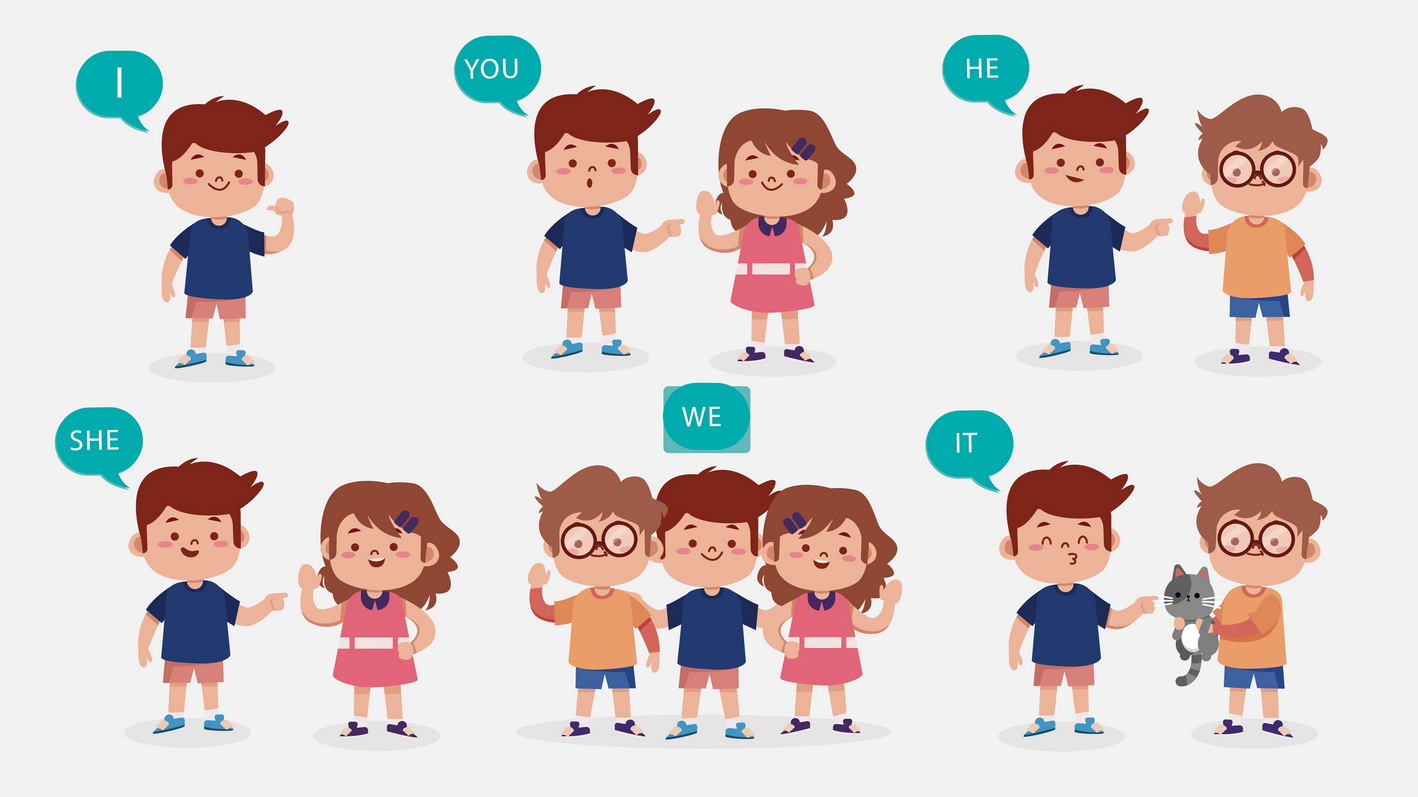
When introducing pronouns to first graders, be prepared to deal with some confusion. Students will need to make sense of the different categories of pronouns, and all the words that fall within each group, which could make pronouns looks like a big intimidating topic. However, often little learners get to love pronouns realizing that they function almost like a shortcut. Instead of repeating someone’s name over and over, one can just use a small word called a pronoun!
In this article we review the theory on each type of pronouns relevant for Grade 1 and offer some free interactive learning resources for your students to practice this topic.
End Punctuation Explained for 1st Grade
Sept. 24, 2025
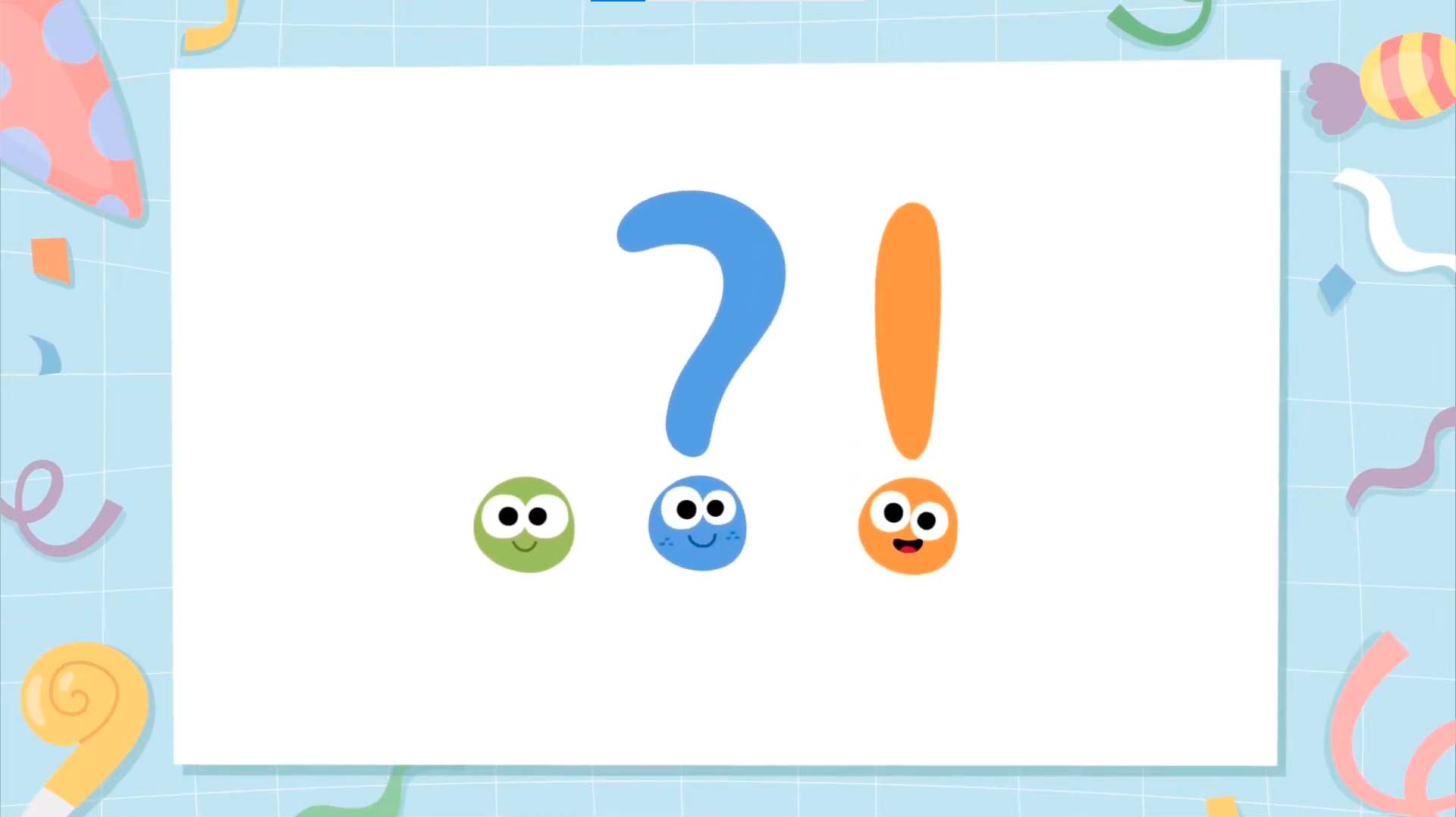
If you’ve ever read a social media post in which a user leaves out punctuation, then you know exactly how frustrating it is to make sense out of the words on the screen. That’s because punctuation is at the very core of effective written communication. Without it, readers often struggle to make sense of the writer’s words and intentions. Punctuation allows sentences to form complete thoughts and signal whether the writer is making a statement, asking a question, or conveying emotion.
Because it’s so vital to clear communication, children begin learning about the simplest forms of punctuation as they learn to write sentences and questions. In general, first graders typically begin by learning how to use end punctuation.
Capitalization for Grade 1: Dates, Names, and Beginning of Sentences
Sept. 17, 2025
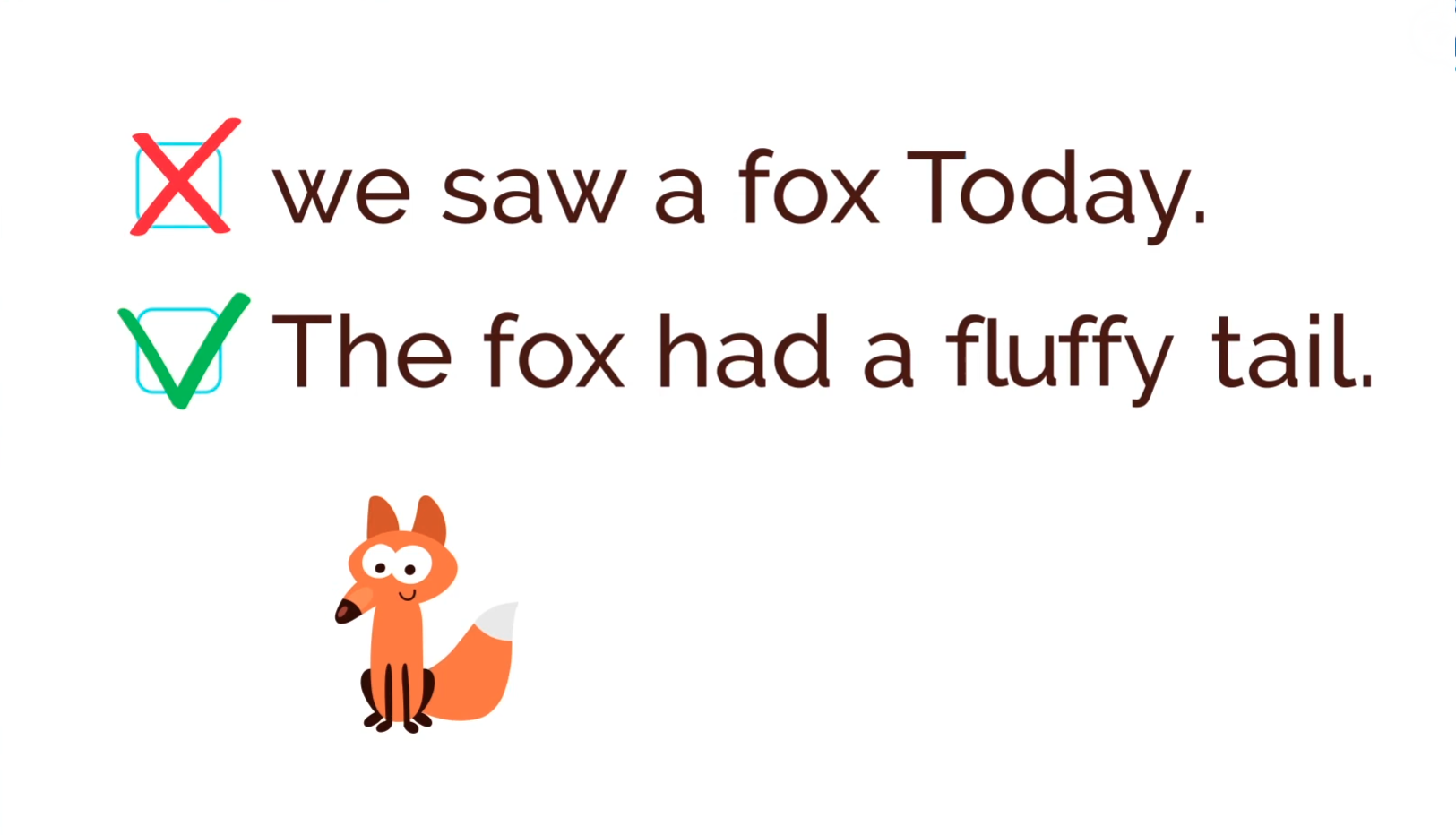
Capitalization is an important concept to teach because it helps readers understand where sentences begin, and to distinguish proper pronouns, titles, and dates. Later, when children grow into more sophisticated writers, they will be expected to adhere to writing conventions, such as capitalization, when writing essays and in professional contexts.
It may seem tricky to figure out where to start when it comes to teaching your little learner to use proper capitalization. To begin, start with what they already know: names, sentences, and dates.
Common Nouns vs. Proper Nouns: A Guide for 1st Grade
Sept. 10, 2025
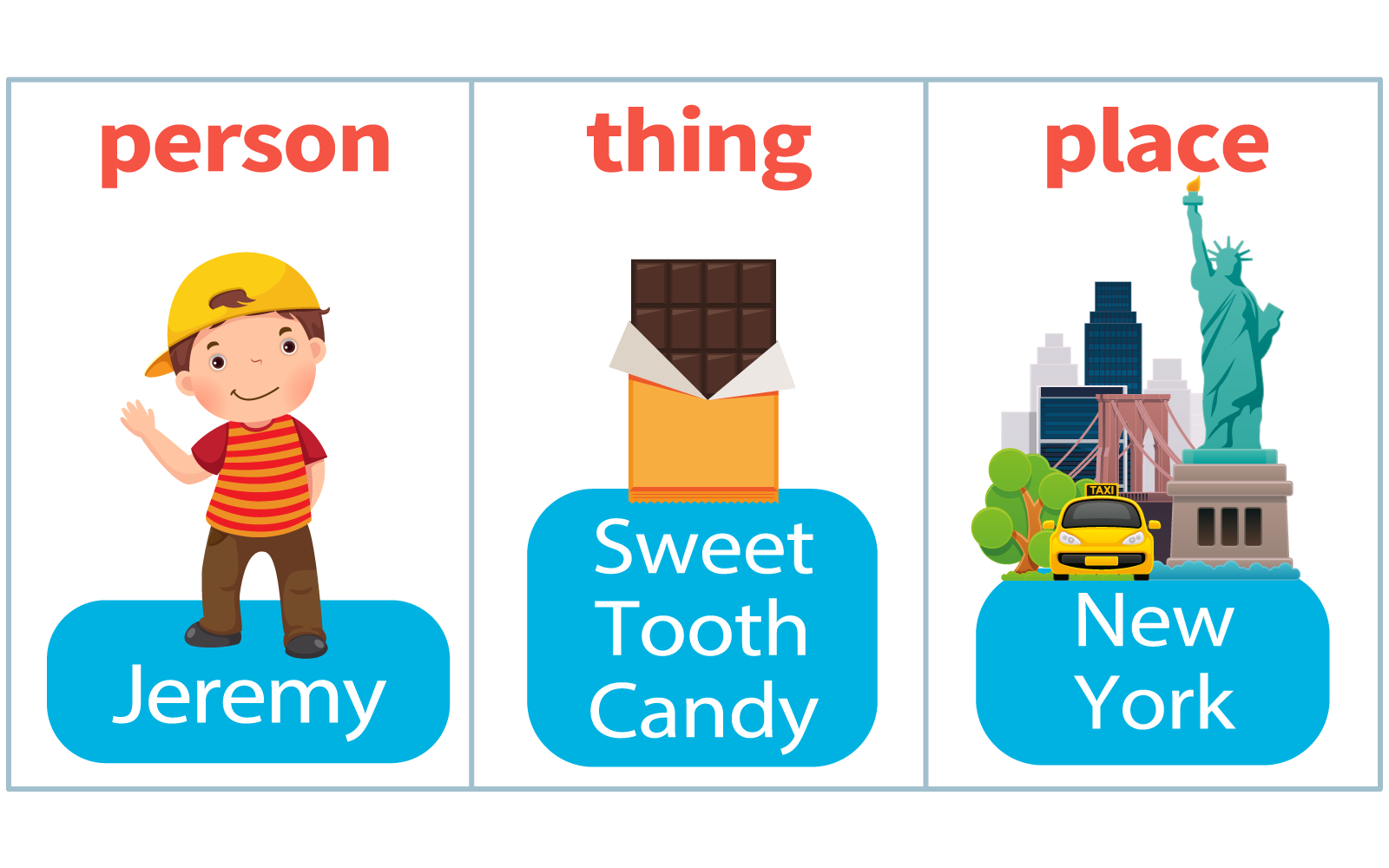
After mastering common nouns, it’s time to introduce proper nouns. Some proper nouns are tough for first graders to understand because some words can be both a common noun and a proper noun depending on the context in which the word is used.
Let’s explore more about the differences between common and proper nouns, and how to teach kids to properly capitalize proper nouns when they write them.
Common Nouns Explained for 1st Grade
Sept. 2, 2025
One of the first grammar rules children must master is the parts of speech. This refers to how words are used in sentences; does the word describe an action, or does it describe a person, place or thing? Parts of speech consist of many different types of words, from verbs to adjectives, and beyond. The simplest first step in teaching parts of speech cover common nouns. These are everyday words that kids use all the time!
In this article, you will learn about the types of common nouns and will find a selection of activities to practice this important topic.
Most popular
-
-
-


