Our early critical thinking worksheets aim to cultivate foundational skills in logical reasoning and problem-solving for young learners. Ideal for educators and parents, these resources offer structured activities that engage children in analytical tasks, fostering cognitive growth. By enhancing critical thinking, students build a strong foundation for tackling complex subjects, driving academic achievement and encouraging continuous learning.
Use this pre-assessment to determine preschoolers' foundational critical thinking abilities. This evaluation provides insights into current cognitive skills, helping educators and parents craft personalized learning strategies. By understanding each child's strengths and developmental needs, this resource supports the cultivation of problem-solving skills and logical reasoning essential for ongoing educational progress.
Advance children's critical thinking and decision-making abilities with worksheets focused on distinguishing between edible and inedible items. Designed to foster safety awareness and cognitive development, these activities equip young learners with essential life skills. Perfect for educators and parents, this resource helps children make informed decisions, promoting a safe and healthy approach to daily choices.
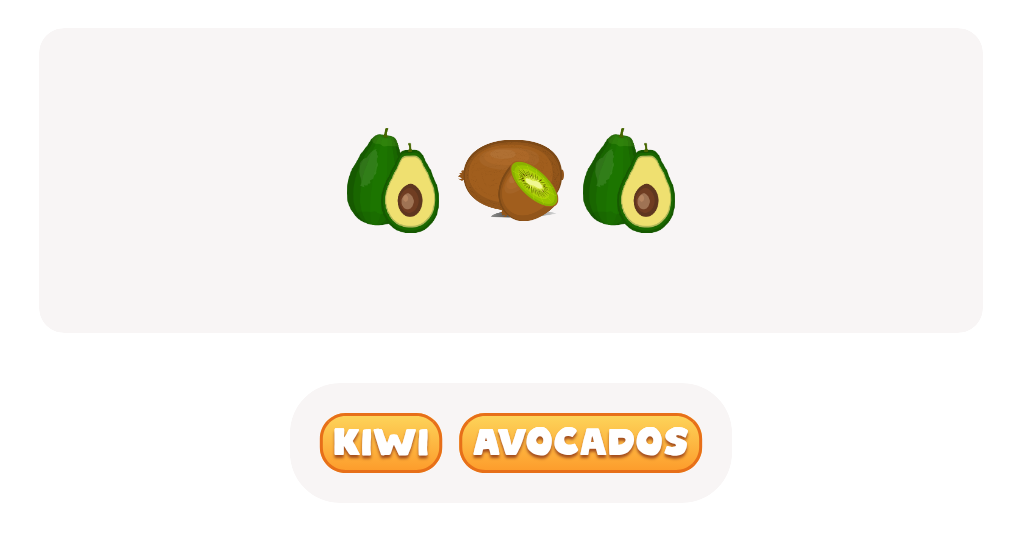
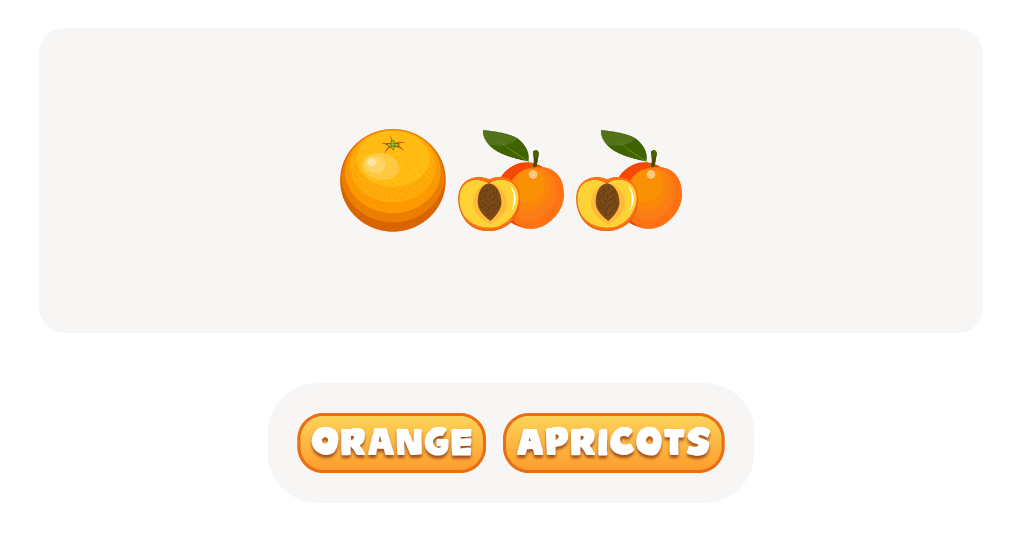
Our 'Which Is Different? Fruits Edition' quiz focuses on boosting students' critical thinking by challenging them to distinguish differences among similar fruits. Ideal for educators and parents, this exercise helps develop keen observation and analytical skills. By identifying discrepancies, children enhance their attention to detail and logical reasoning, laying the groundwork for improved cognitive abilities and effective problem-solving.
Our 'Which Are the Same?' fruits edition worksheets boost young learners' critical thinking by tasking them with identifying similar fruits among a set. These exercises enhance visual discrimination and cognitive skills, aiding in the development of attention to detail and analytical capabilities. Perfect for educators and parents focused on foundational skill-building in early childhood education.
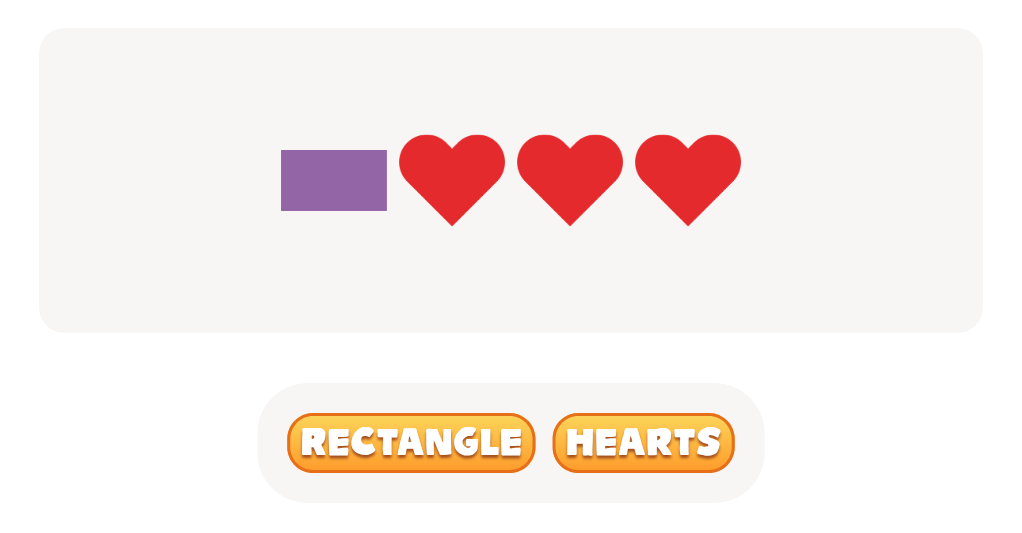
Explore the 'Which is Different' quiz crafted for developing critical thinking in children through the identification of differences among objects. This educational tool supports parents and educators in fostering logical reasoning and attention to detail. By engaging with these activities, young learners enhance their cognitive skills, particularly in analysis and differentiation, laying the groundwork for improved problem-solving and decision-making.
Boost children’s critical thinking abilities through puzzles that challenge them to recognize similarities among various objects. These activities are designed to sharpen observational and analytical skills, key to cognitive growth. Ideal for use by parents and educators, this resource supports the development of logical reasoning and problem-solving skills, equipping young learners to tackle more complex academic tasks in the future.
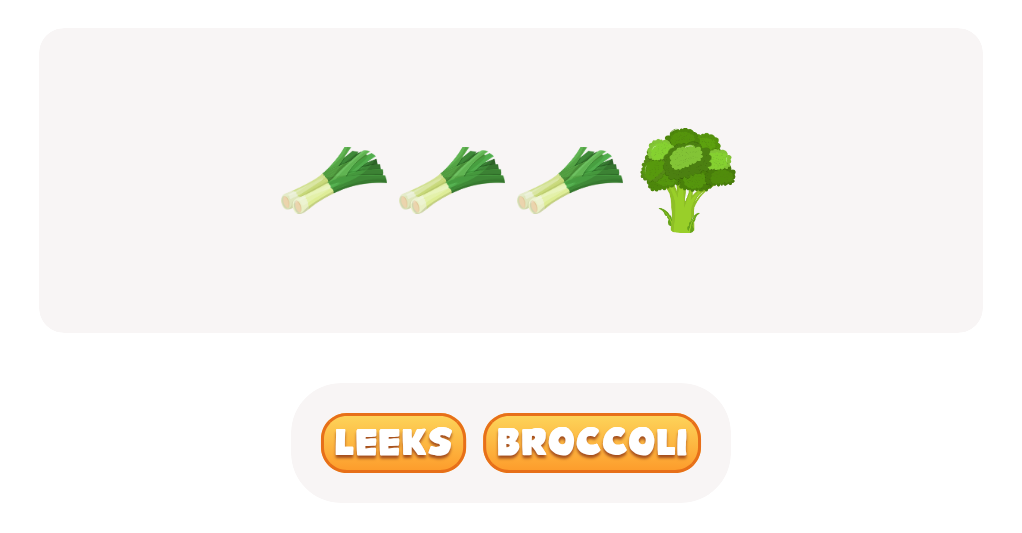
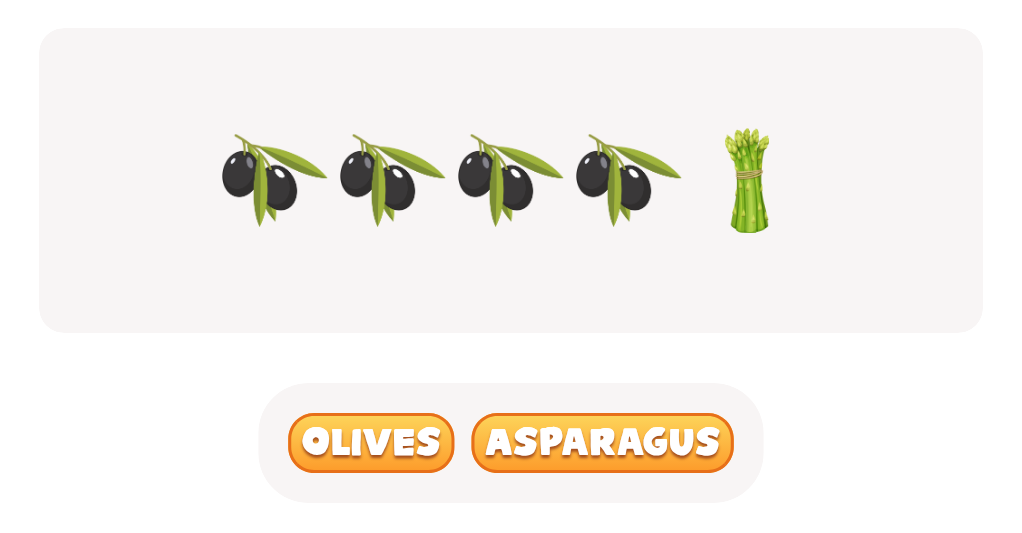
These critical thinking worksheets focus on identifying differences among vegetables, fostering visual discrimination and analytical abilities in children. The exercises encourage young learners to enhance their observational skills, a key component of cognitive development. Ideal for parents and educators seeking to support the growth of logical reasoning in an engaging and practical way.
The Which Are the Same Quiz: Vegetables Edition supports critical thinking by encouraging children to identify similarities among various vegetables. This quiz refines observation and categorization skills, essential for early cognitive development. Educators and parents can leverage this tool to enhance children's attention to detail and analytical abilities, paving the way for more complex problem-solving challenges.
This review quiz evaluates students' mastery of basic critical thinking skills, offering educators and parents valuable insights into children's cognitive abilities. By highlighting strengths and areas needing additional focus, the quiz provides guidance for targeted instructional strategies, enhancing logical reasoning and problem-solving skills essential for academic growth.