Our Math Worksheets for First Grade focus on essential skills such as addition, subtraction, and basic geometry. These resources support mathematical fluency and problem-solving abilities, ensuring students build a strong foundation for future learning. Designed for parents and educators, these worksheets provide engaging activities that promote a deeper understanding of core math concepts.
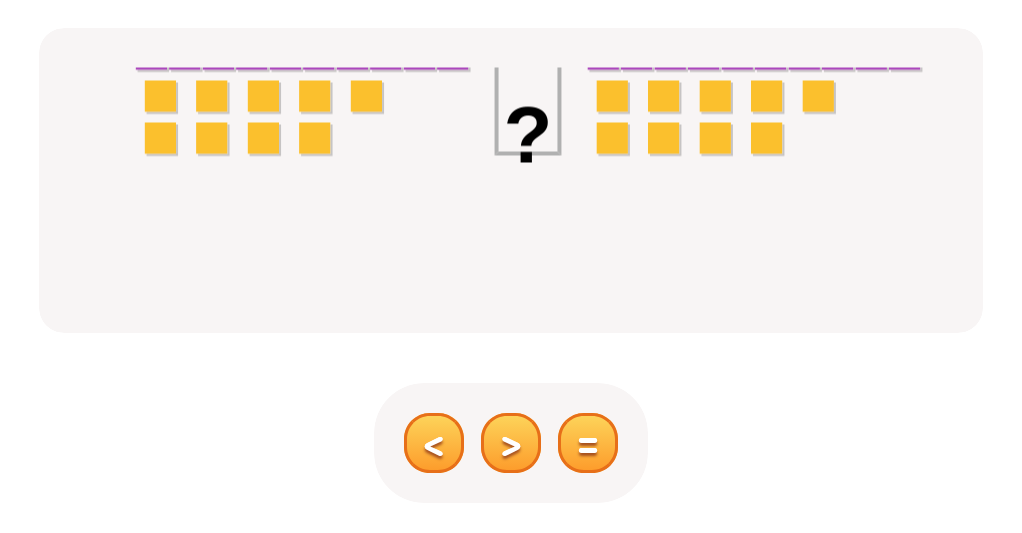
Enhance first graders' understanding of number comparisons by using base ten blocks worksheets that emphasize proper use of comparison signs such as <, >, and =. These exercises build foundational math skills by visually demonstrating numerical relationships. Encourage children to discuss strategies, reinforcing their logical reasoning and boosting confidence in comparing numbers effectively.
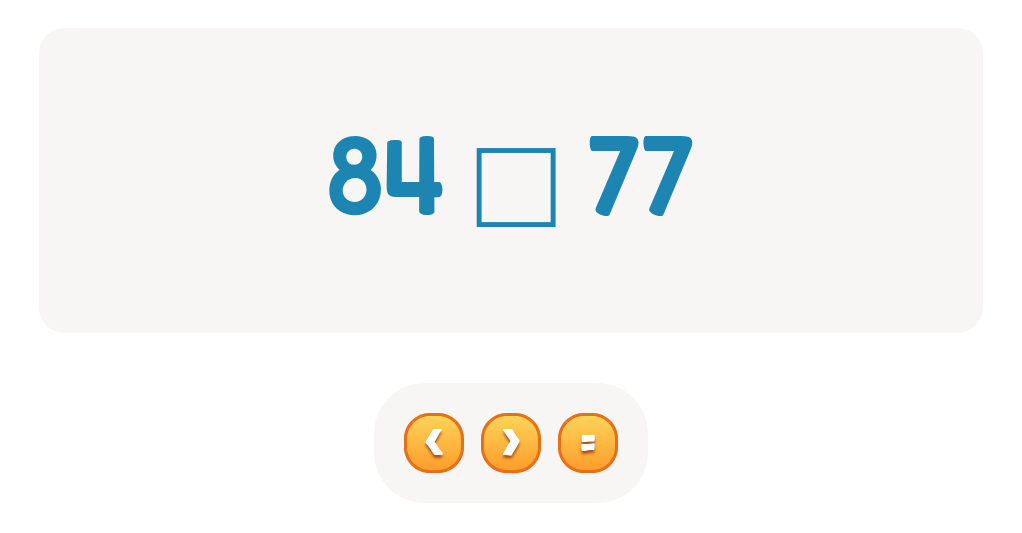
Understanding numerical relationships is essential for math proficiency. These worksheets challenge first graders to choose the correct comparison signs for numbers up to 100, fostering logic and analytical skills. Encourage your child by discussing real-world examples of greater than, less than, and equal to concepts, reinforcing these critical mathematical principles.
Understanding number comparison can challenge first graders. These worksheets focus on comparing numbers up to 100 by completing number sentences, enhancing numerical reasoning and confidence. Encourage children to explain their thought process while working on these exercises to reinforce comprehension and build strong math skills.
Comparing numbers can be challenging for first graders. These worksheets utilize base ten blocks to visually teach number comparisons, helping children understand numerical values and differences. Encourage your child to explain their thought process as they work, reinforcing their comprehension and building confidence in math skills.
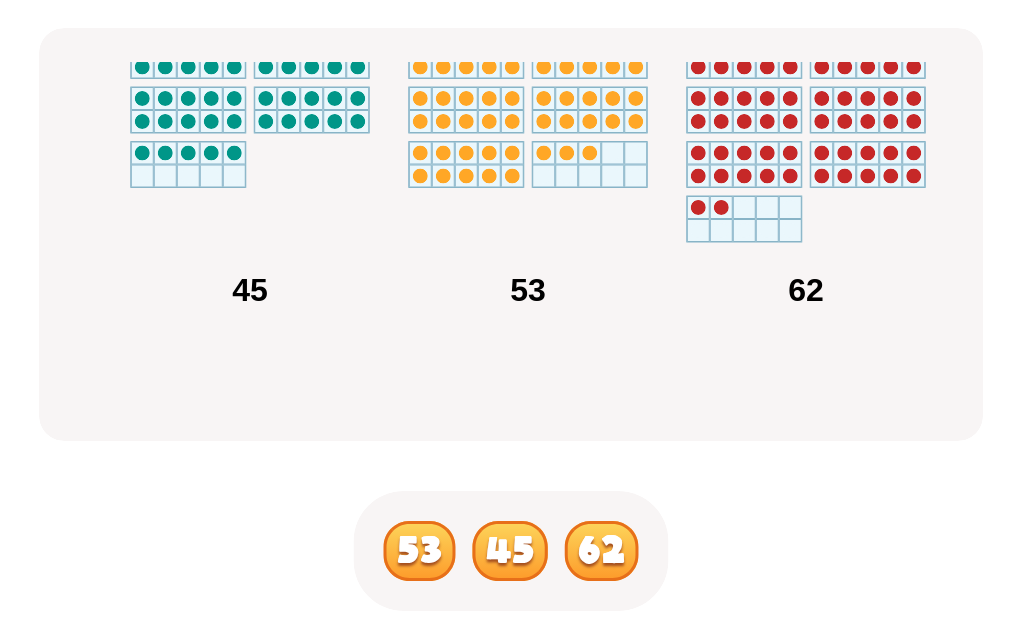
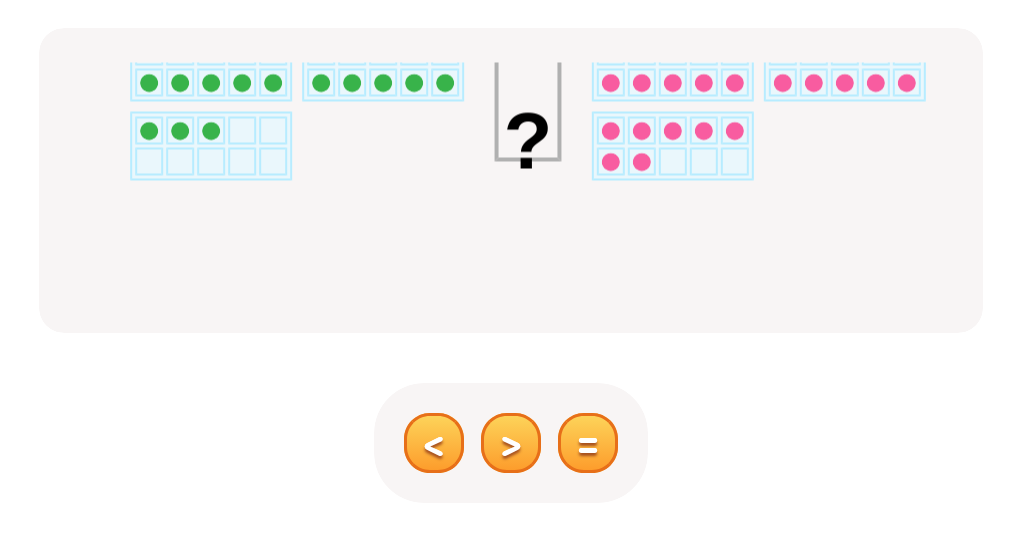
Comparing numbers can be challenging for first graders. These worksheets use ten frames to visually guide students in understanding numerical relationships and place value. By filling in the frames, children learn to compare numbers effectively. Encourage your child to talk through their thought process, reinforcing concepts and building math confidence.
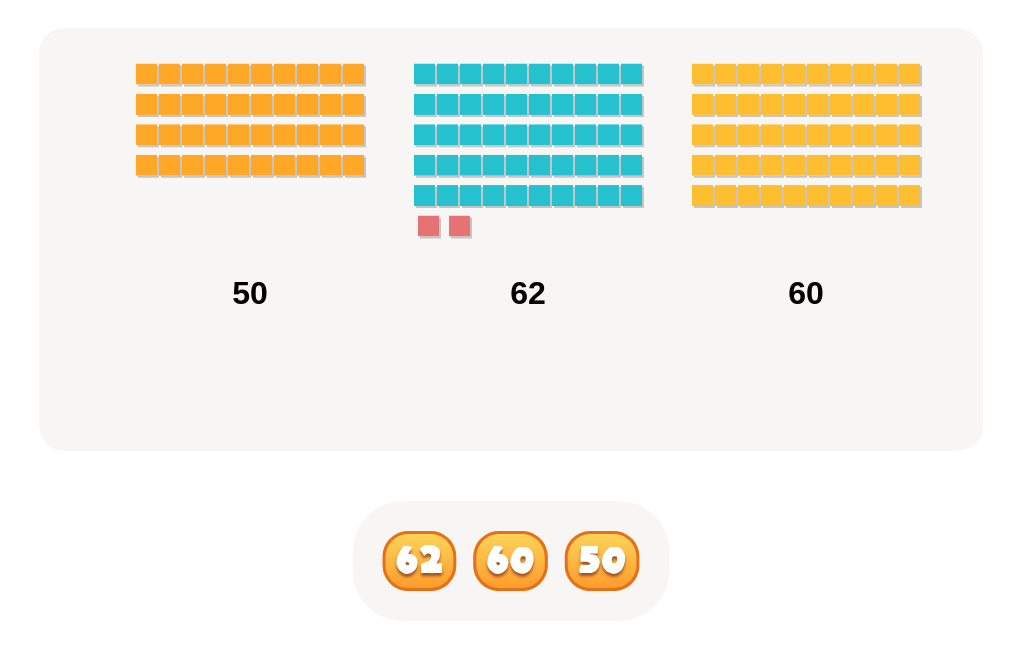
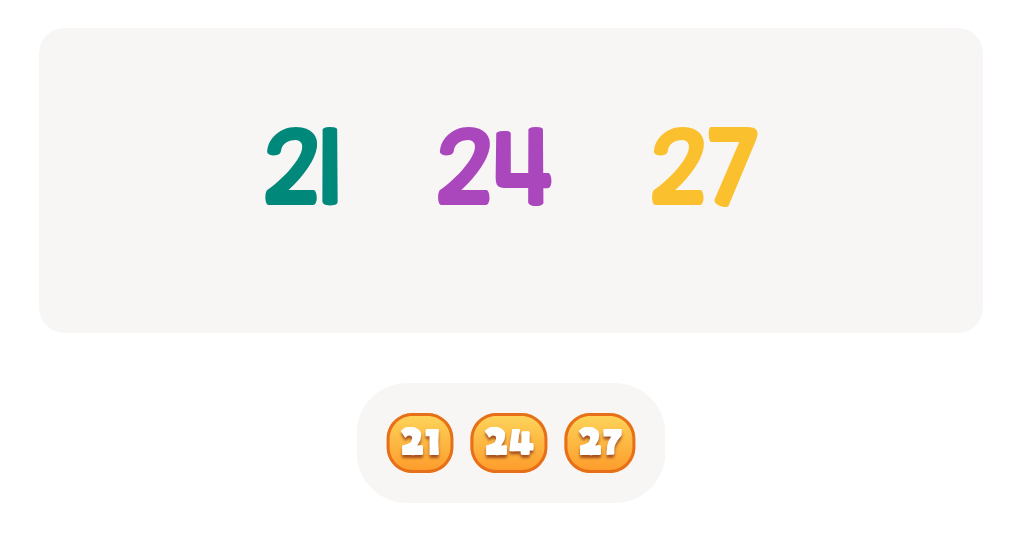
Comparing numbers is a vital first-grade skill that can challenge young learners. These worksheets help students practice comparing three numbers up to 100, enhancing their numeric understanding and critical thinking. Encourage children to verbalize their thought process and compare numbers in daily activities, such as weighing objects, to solidify understanding in real-world contexts.
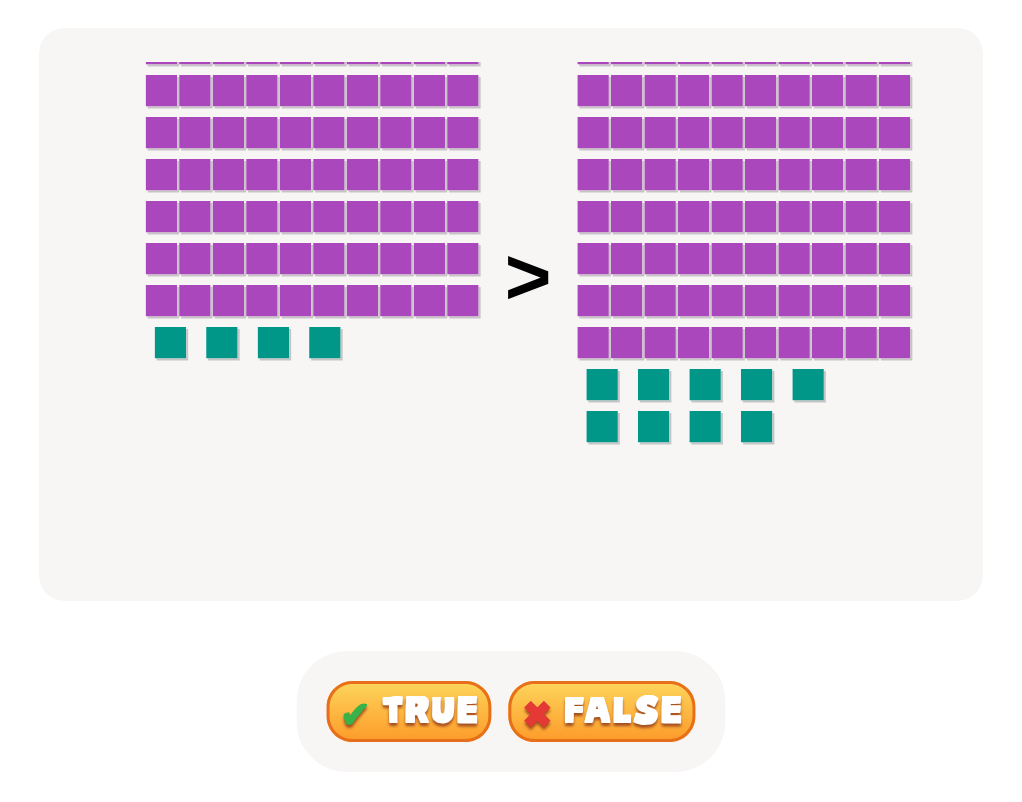
First graders often find number comparison challenging. These worksheets utilize base 10 blocks to help students evaluate true or false statements, reinforcing understanding of greater, lesser, and equal values. Encourage your child to verbalize their reasoning, aiding in deeper comprehension and confidence in math concepts.
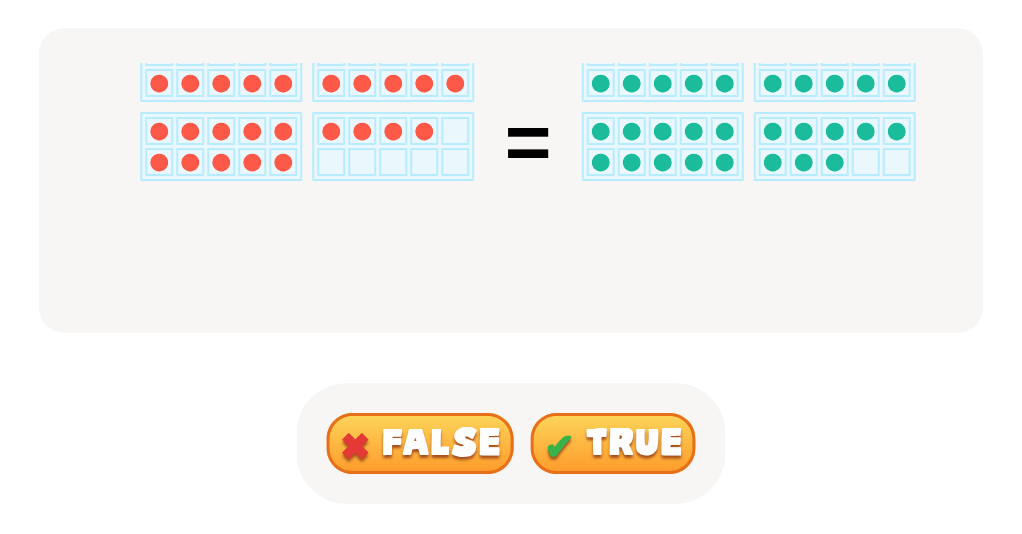
First graders often struggle with number comparison; our worksheets using ten frames provide visual aids to address this gap. By evaluating true or false statements, children enhance their grasp of quantity and numerical relationships. Support learning by encouraging kids to verbalize their reasoning, helping them develop critical thinking and math fluency.
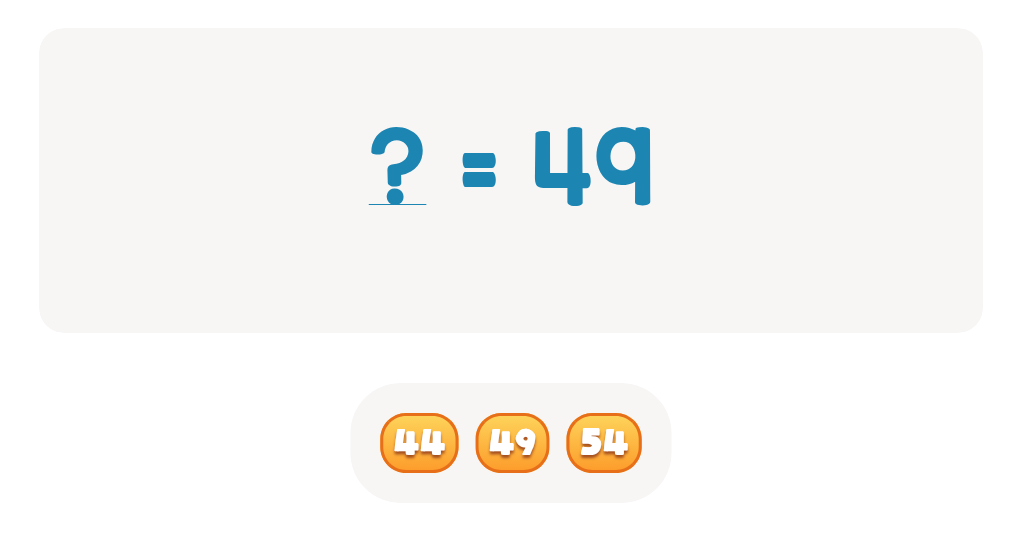
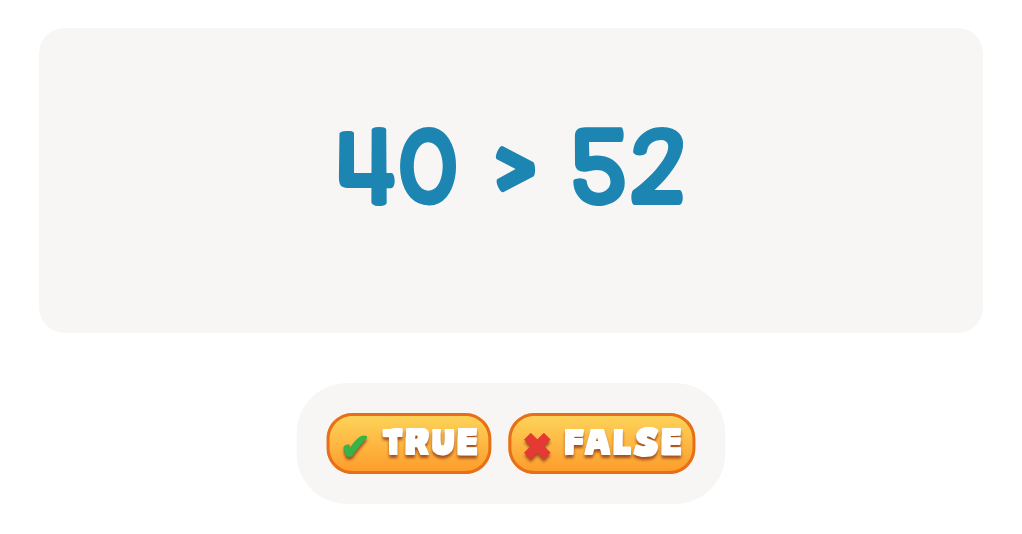
Developing number comparison skills is essential for first-grade math. These worksheets use true or false statements to help children compare numbers up to 100, strengthening place value understanding and numerical reasoning. Encourage your child to discuss their reasoning process, boosting critical thinking skills. Use everyday situations like comparing prices or quantities to make learning relatable.
Choosing the correct comparison sign can be challenging for first graders as they learn number relationships. These worksheets use ten frames to help students visualize and decide between greater than, less than, or equal to signs. Encourage your child to discuss their reasoning during these exercises to reinforce understanding and boost confidence in math skills.
Mastering place value is crucial for building a strong math foundation. Lesson 5 worksheets focus on understanding tens and ones, helping first graders comprehend number structure. Encourage real-world applications such as organizing grouped items, enhancing both skills and confidence in recognizing mathematical patterns.
Grasping place value is crucial for first graders as they begin more advanced arithmetic. These lesson 6 worksheets focus on strengthening skills in recognizing tens and ones, forming a solid math foundation. Practice exercises help clarify numeric relationships. Support your child by using everyday objects like blocks to visualize place value, deepening their comprehension through hands-on exploration.
Help first graders grasp the foundational concept of place value with Lesson 1. These exercises focus on understanding the structure of numbers and their positional value, crucial for math fluency. Engage your child with hands-on activities and discussions about the significance of digit placement, reinforcing comprehension and confidence in numerical operations.
Understanding place value is crucial for first graders as they expand their math skills. These worksheets focus on differentiating tens and ones, helping children develop a strong numeric foundation. Through targeted exercises, kids learn how numbers are built and deconstruct numbers into basic components. Parents and teachers can enhance understanding by using visual aids and encouraging children to illustrate their work with everyday examples.
Counting up to 100 is a foundational math skill for first graders. These worksheets focus on building number recognition and sequencing, essential for advanced arithmetic skills. Use these resources to provide structured practice. Encourage your child to count objects around the house, reinforcing concepts and boosting their confidence and fluency in math.
Mastering counting up to 50 is crucial for first-grade math success. These worksheets offer a variety of exercises to reinforce sequencing and number recognition. Encourage your child to count everyday items, like toys or fruits, to solidify these concepts outside worksheet activities. Consistent practice builds a stronger understanding of number patterns and enhances confidence in numeracy skills.
Understanding how numbers are composed is crucial for first graders' math development. These worksheets focus on composing numbers from 10 to 20, enhancing comprehension of place value and number relationships. Through structured practice, children develop confidence in breaking and building numbers. Parents can support learning by using counters or objects to visualize number construction during activities.
Understanding before and after numbers is critical for developing number sense in first graders. These worksheets help children identify numbers that come before and after a given number, strengthening their sequential counting skills. Encourage your child to use number lines or counting objects to visualize the sequences, reinforcing their comprehension and boosting math confidence.
Improve first graders' math skills with worksheets focused on counting by 5s. These resources help students develop skip counting abilities and recognize number patterns, essential for building a strong math foundation. Enhance learning by practicing counting aloud together, reinforcing number sequences and boosting confidence with interactive engagement.
Learning to count by 10s is a vital numeracy skill for first graders. These worksheets help children practice skip counting, enhancing their understanding of number patterns and foundational multiplication concepts. Encourage your child to count by 10s using real-world examples, like counting groups of items, to make the learning experience practical and engaging.
Support first graders in mastering counting by 5s and 10s with specialized worksheets. These exercises enhance understanding of skip counting and number patterns, foundational for multiplication. Practice with your child using real-life items like coins or fingers.
Developing fluency in counting to 100 and beyond is key for first graders, yet can be daunting. These worksheets are designed to enhance number recognition and sequencing skills, providing a solid foundation for more complex math concepts. Encourage regular practice with daily objects to reinforce learning and build confidence in their counting abilities.
Counting to 120 from any starting point helps first graders build numeracy and number sequence skills. These worksheets guide children to confidently recognize and continue number patterns, enhancing their arithmetic foundation. Encourage children to practice counting in daily settings, such as counting steps or toys, to reinforce this skill through real-world application and build their confidence in math.
First graders often face challenges in connecting numbers with quantities. These worksheets help improve number sense by matching numerals to corresponding quantities, reinforcing counting skills and numerical understanding. Encourage your child to count objects around the home, promoting real-world application and confidence in their math abilities.
Our 2D Shapes Worksheets for First Grade focus on enhancing geometric understanding through shape identification and properties exploration. Students will develop spatial reasoning and vocabulary related to geometry, crucial for more advanced math concepts. Educators and parents can utilize these resources to support children's learning trajectories, reinforcing their comprehension of foundational geometry skills.
Our first-grade 3D shapes worksheets focus on helping children identify and understand various three-dimensional forms. These activities are crafted to improve spatial awareness and build foundational geometry skills. Ideal for educators and parents seeking to reinforce students’ cognitive development, these resources prepare young learners for more advanced mathematical concepts.
First Grade Math worksheets on Addition and Subtraction Less Than 20 are designed to enhance arithmetic skills through targeted practice. These exercises support students in developing fluency and accuracy in basic calculations. Educators can utilize these resources to track learning progress, identify areas needing improvement, and tailor instruction to reinforce fundamental math competencies effectively.