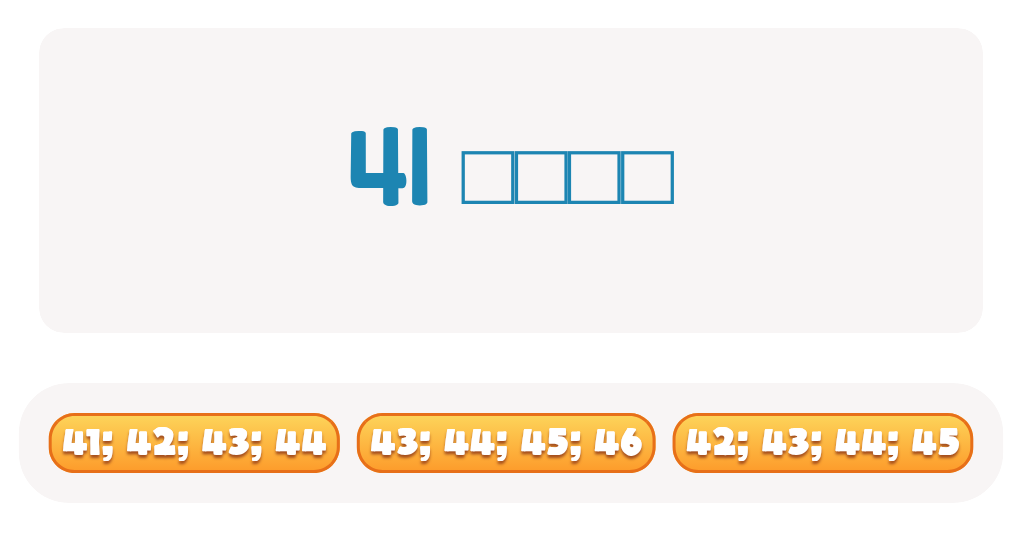
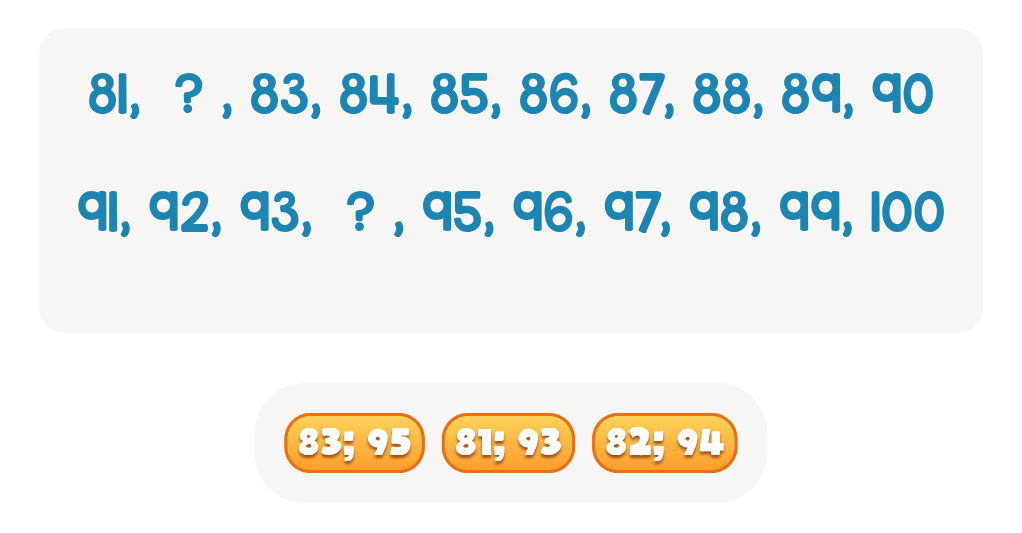
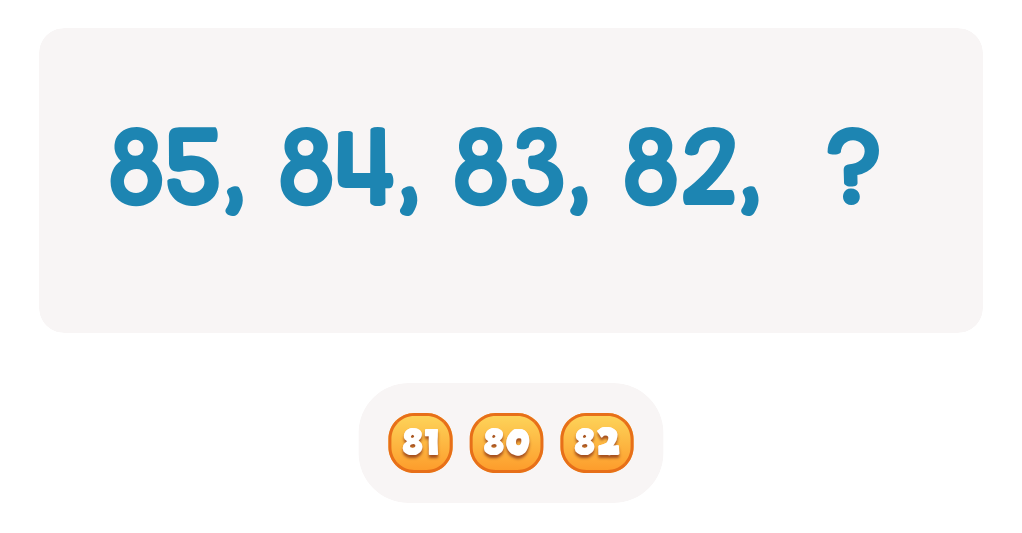
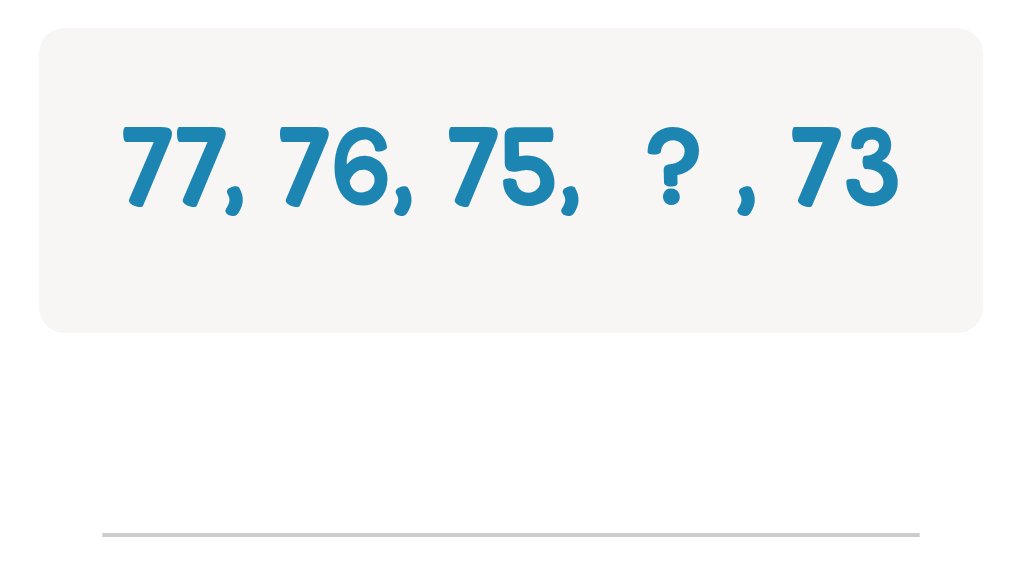
Our Counting Worksheets for First Grade help students develop essential number skills, focusing on counting, number recognition, and sequencing. These activities strengthen mathematical foundations and support progression to more advanced arithmetic. Educators and parents can utilize these resources to build confidence and competence in counting, ensuring readiness for future math challenges.
Assess first graders' counting proficiency with this pre-assessment designed to identify strengths and areas for improvement. Use the results to tailor educational strategies that enhance counting skills. Encourage children to articulate their counting methods and thought processes, promoting deeper understanding and confidence in handling numbers.
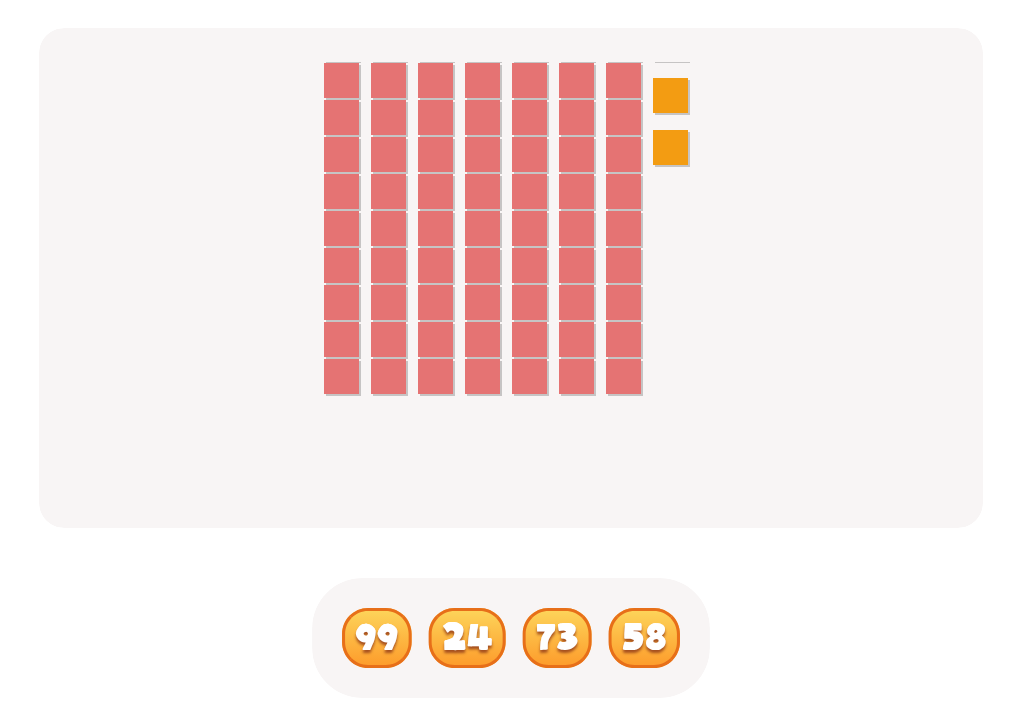
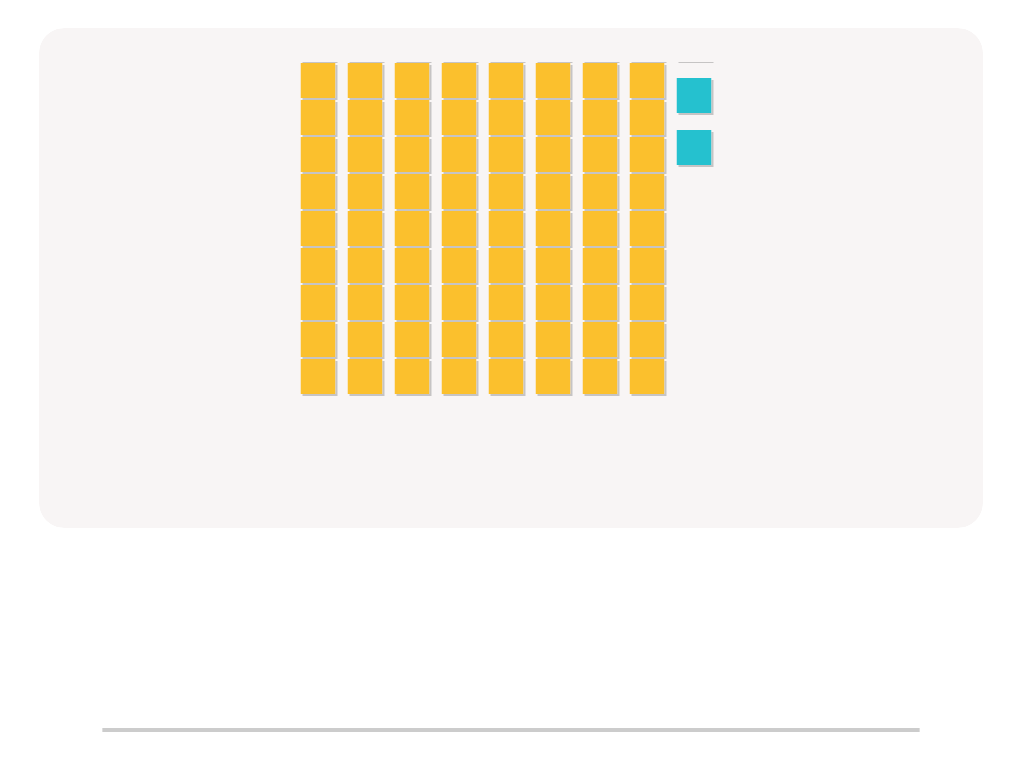
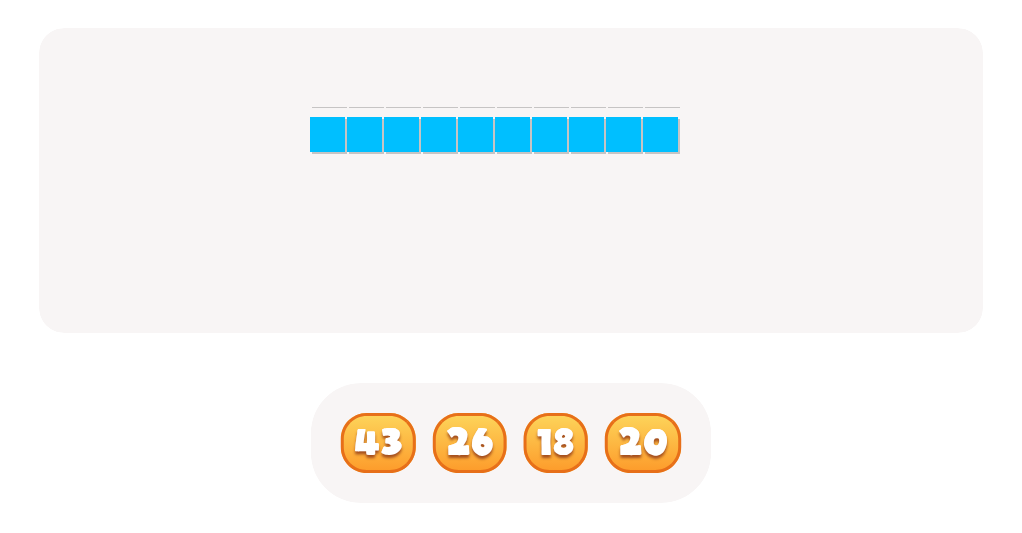
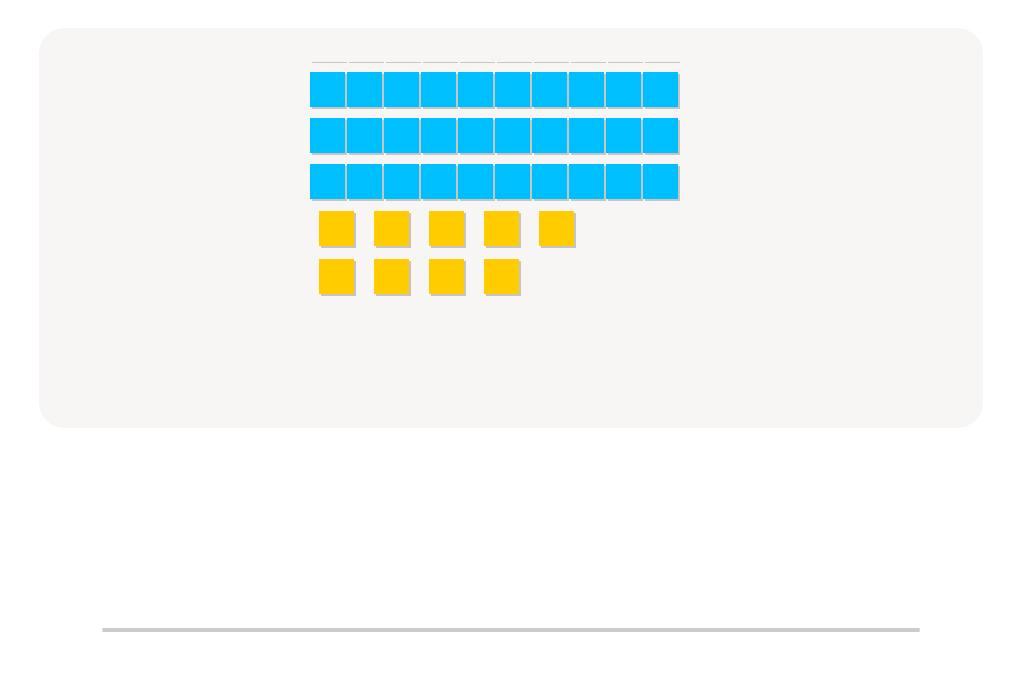
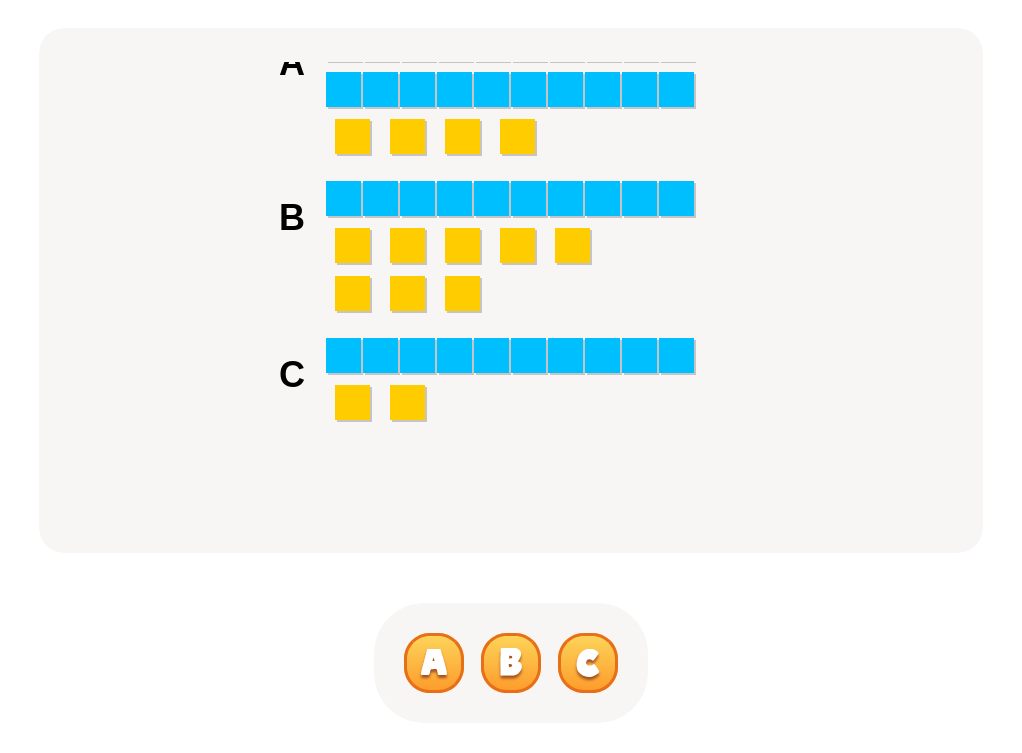
Counting up to 100 can be challenging for first graders, but base ten blocks offer visual support. These Level 1 worksheets strengthen understanding of numbers and place value, ensuring solid math foundations. Encourage practical practice with everyday items such as coins or counters to reinforce counting and number concepts in familiar contexts.
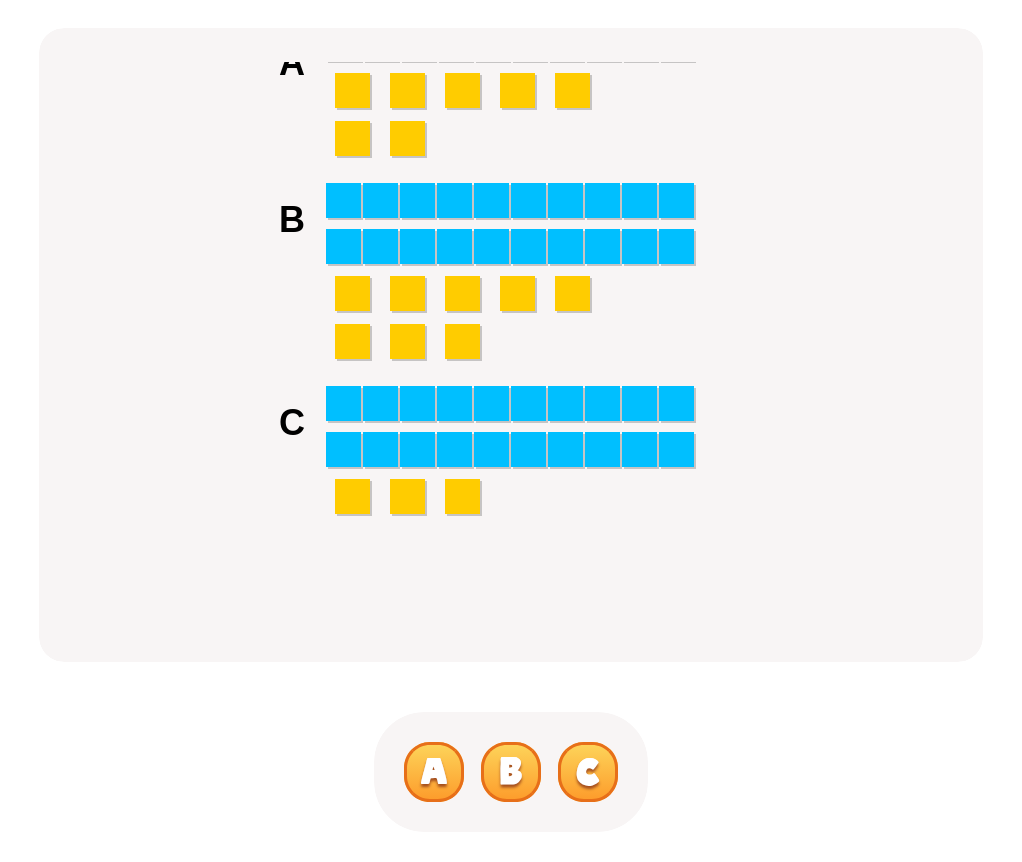
Counting with base ten blocks strengthens place value understanding for first graders working with numbers up to 100. These Level 2 worksheets guide students in visualizing and composing numbers, enhancing their numerical fluency. Encourage your child to use physical blocks at home, reinforcing math concepts through hands-on practice, and building confidence in their counting skills.
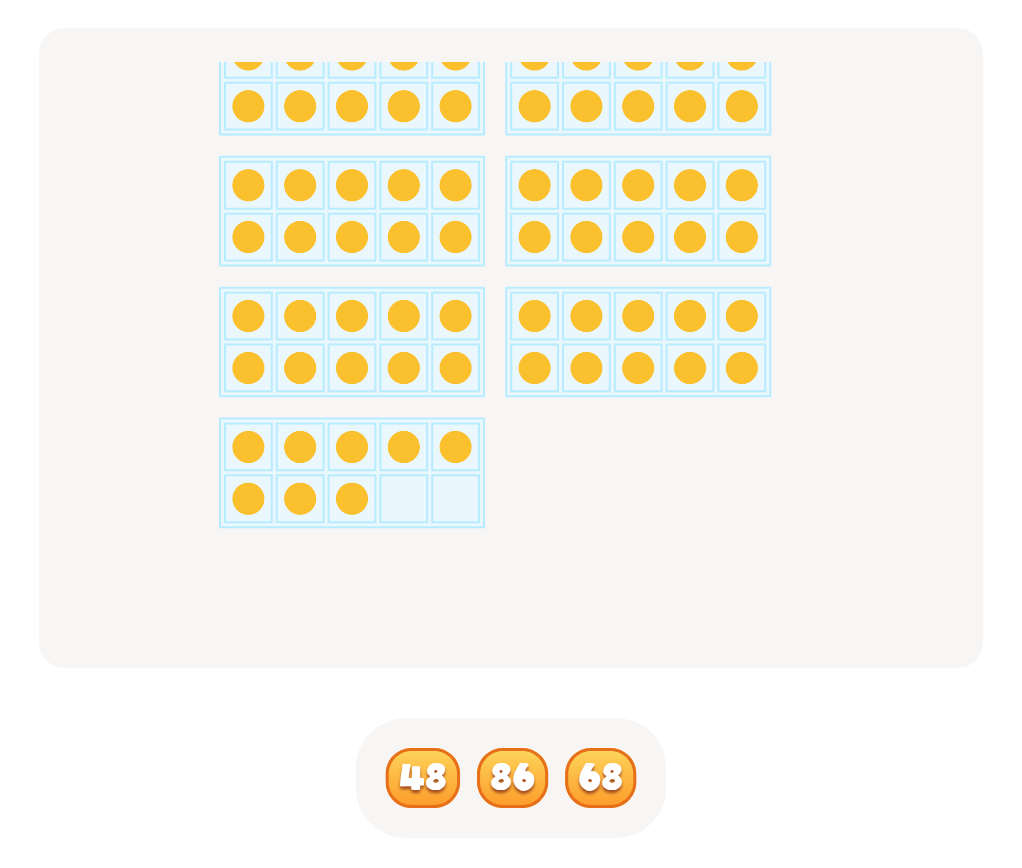
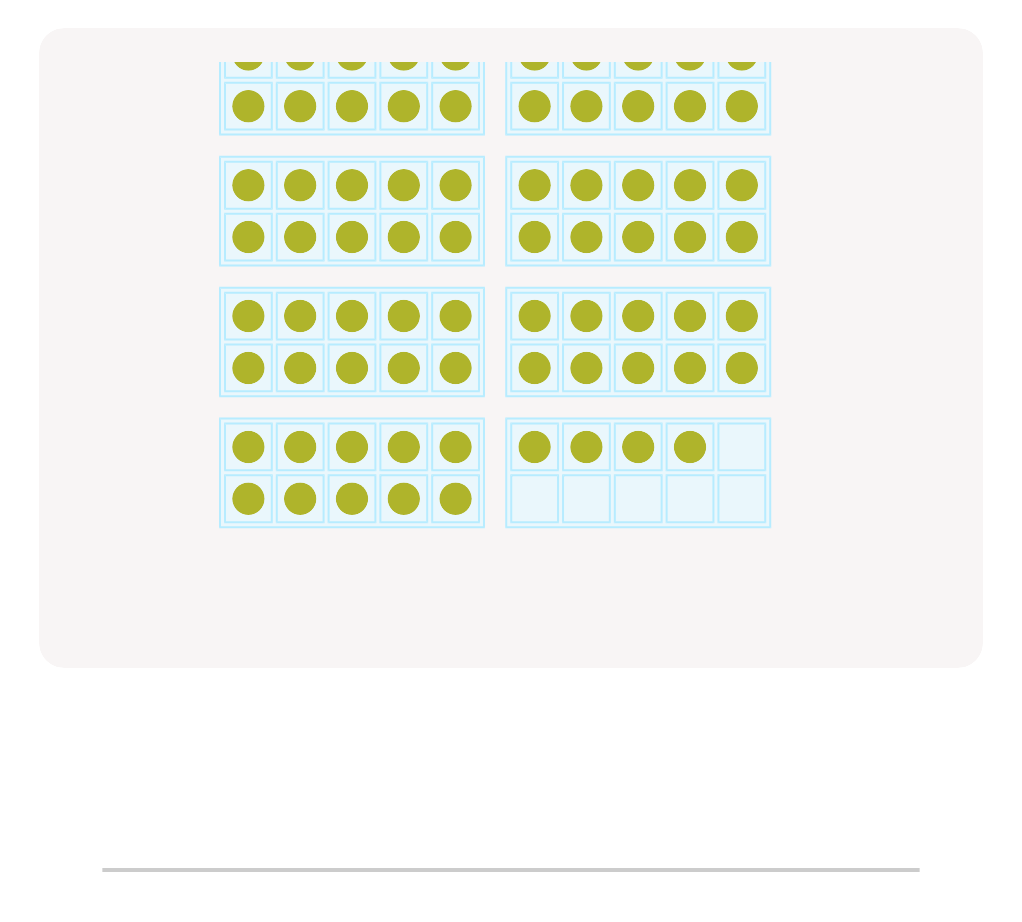
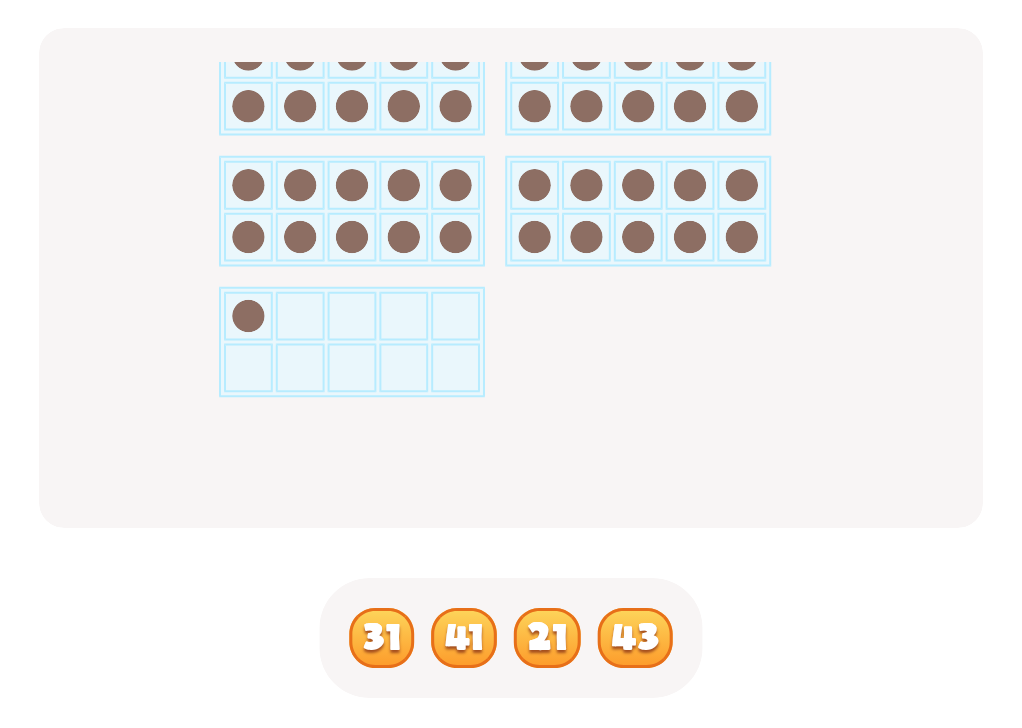
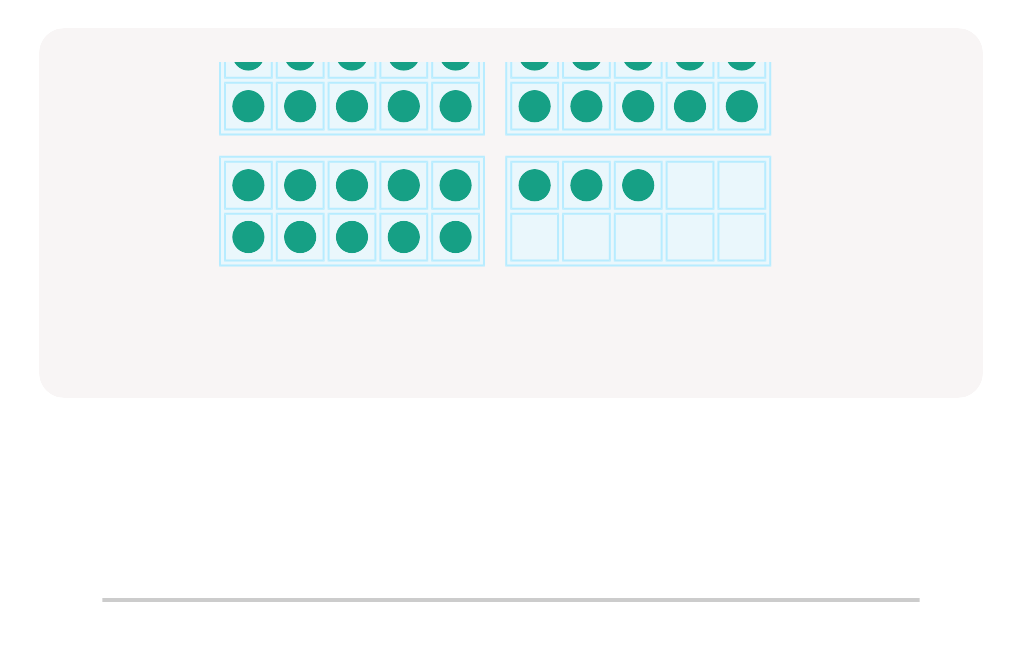
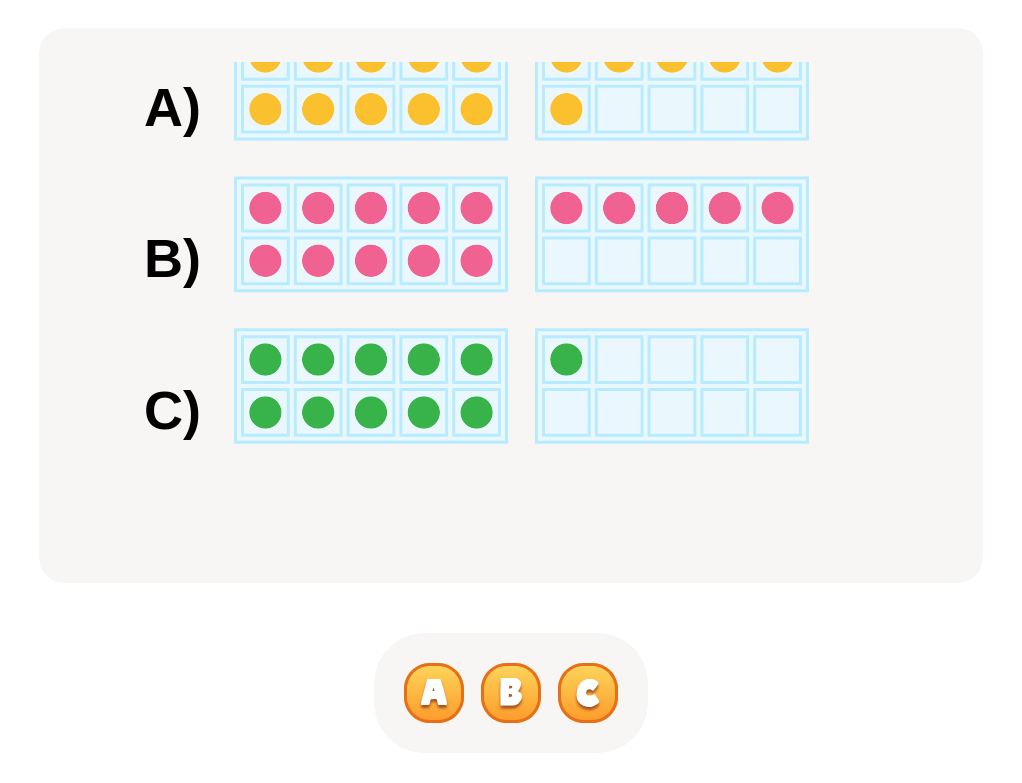
Counting to 100 can be a challenge for first graders. These Level 1 worksheets use ten frames to provide visual support, enhancing number recognition and sequence understanding. Encourage practice by discussing each step and using real-life objects to solidify counting skills, helping children build confidence and fluency in math.
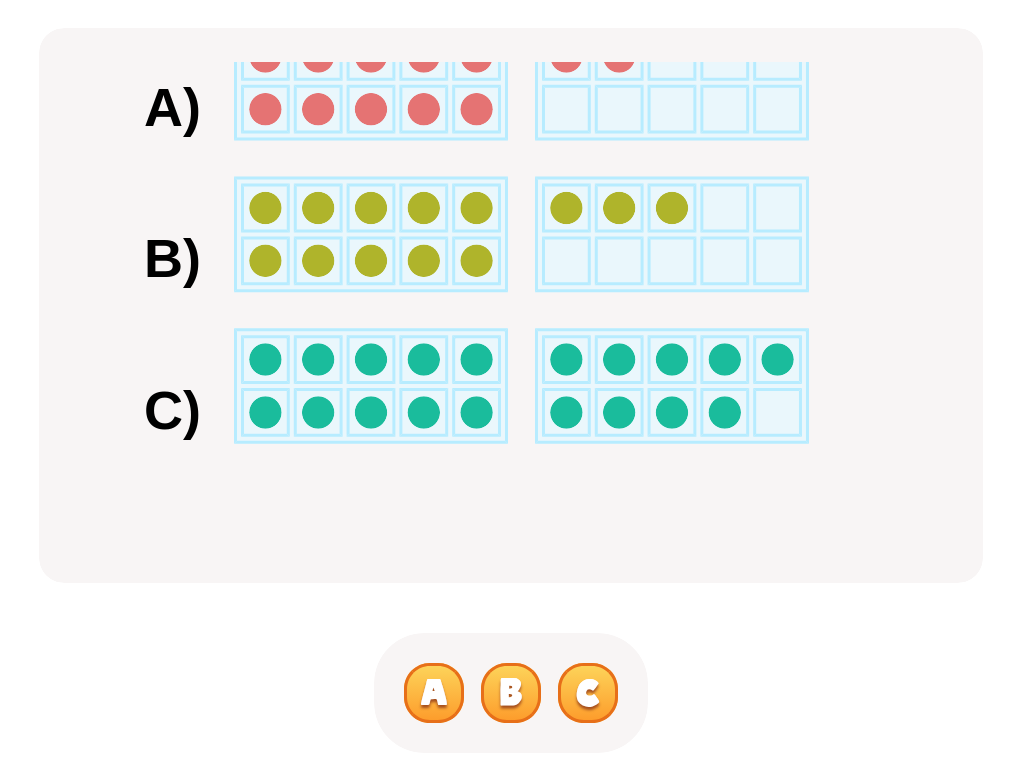
Advance counting proficiency with level 2 worksheets using ten frames for numbers up to 100. These activities help children understand number sequences and enhance place value comprehension through visual representation. Encourage your child to develop strategies for grouping numbers, engaging in discussions to reinforce learning and build a strong numerical foundation.
Counting with base ten blocks up to 50 can present challenges for first graders, making a strong understanding of place value essential. These worksheets help young learners visualize numbers using base ten blocks, reinforcing place value concepts and number sense. Support their learning by encouraging hands-on activities with physical blocks to explore the composition of numbers.
Advance first graders' counting abilities with Level 2 worksheets focused on using base ten blocks to count up to 50. These exercises emphasize understanding place value and number composition. Encourage your child to explore different strategies for grouping tens and ones, fostering critical thinking and reinforcing math skills through hands-on practice and discussions.
Develop first graders' counting proficiency with level 1 ten frames worksheets for numbers up to 50. These exercises help children understand number composition and recognize sequences visually. Engage your child in discussions about different counting strategies and reinforce learning by using real-world examples, such as grouping objects, to solidify their numerical comprehension.
Strengthen first graders' counting skills with worksheets that utilize ten frames for numbers up to 50. These visual aids assist in grasping number sequences and aid children in visualizing quantities. Encourage children to explore different strategies for grouping numbers within the frames, reinforcing comprehension and building a solid foundation for more advanced mathematical concepts.
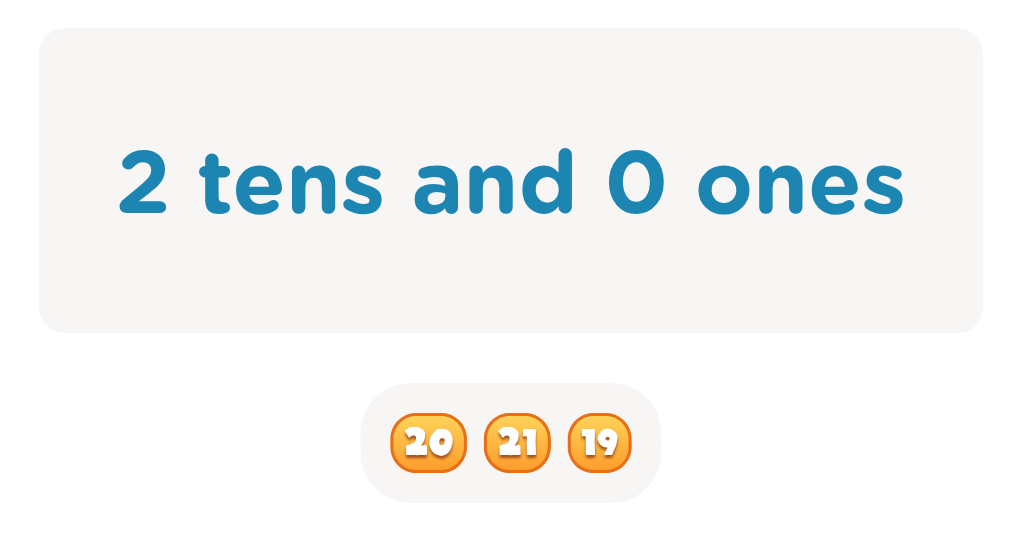
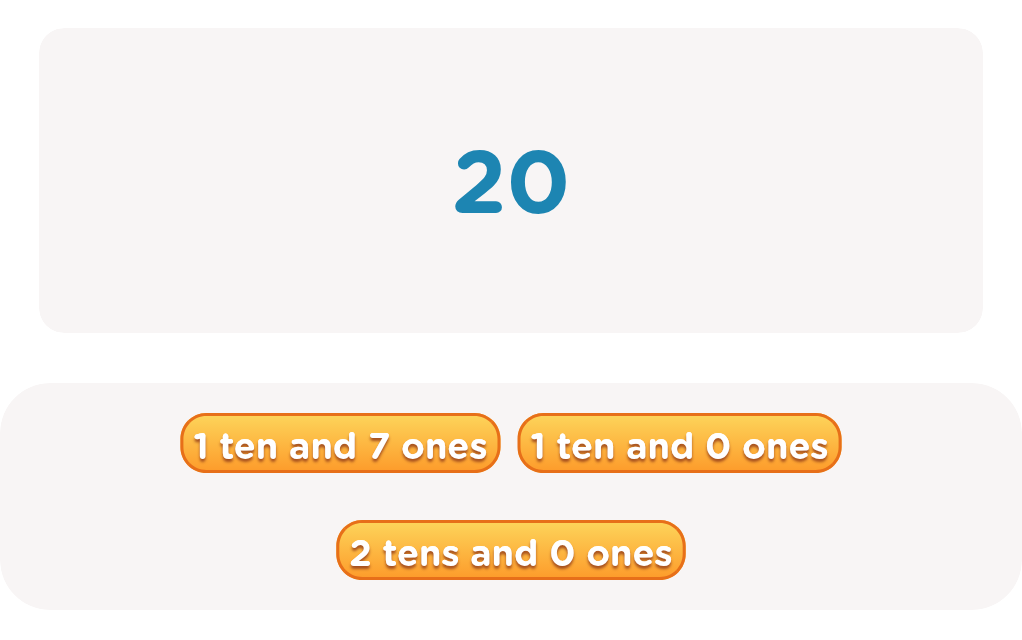
Introduce first graders to number composition with level 1 worksheets using base ten blocks for numbers 10-20. These visual aids foster understanding of place value, aiding in the breakdown of numbers into tens and ones. Enhance mathematical thinking by discussing various strategies for number grouping, encouraging children to articulate their reasoning and reinforce their learning.
Composing numbers from 10 to 20 can be a challenge for first graders. These level 2 worksheets use base ten blocks to visually represent and build numbers, enhancing understanding of place value. By practicing with these tools, children improve their skills in composing and decomposing numbers. Support their learning by using physical blocks to reinforce these concepts practically.
Mastering number composition between 10 and 20 is crucial for first graders building foundational math skills. These Level 1 worksheets use ten frames to help children visualize and combine numbers, enhancing their understanding of number bonds. Encourage your child to use physical objects, like blocks, to represent numbers, reinforcing these concepts with tangible examples and boosting their confidence in math.
Enhance first graders' number composition abilities with level 2 worksheets utilizing ten frames for numbers 10-20. These resources use visual tools to teach place value and aid in understanding how numbers are formed. Encourage your child to discuss different grouping techniques, reinforcing their comprehension of number structure and fostering problem-solving skills.
First graders often struggle with grasping place value for numbers 10-20. These worksheets provide targeted practice in breaking down numbers into tens and ones, essential for strengthening math foundations. By using visual aids and hands-on activities, children can better understand number composition. Encourage learning with physical manipulatives to enrich the experience.
Comprehending place value in numbers 10-20 is foundational yet challenging for first graders. These Level 2 worksheets enhance understanding through targeted exercises that focus on tens and ones. Support your child's learning by using everyday objects to represent numbers, reinforcing the concept of place value in real-life contexts, strengthening their numeric fluency.
Grasping place value in numbers 10-20 is vital for first graders but can be complex. These Level 3 worksheets provide exercises to reinforce the concept of tens and ones, strengthening number comprehension. Use everyday objects to illustrate place value visually, supporting your child's ability to connect theoretical understanding with practical applications.
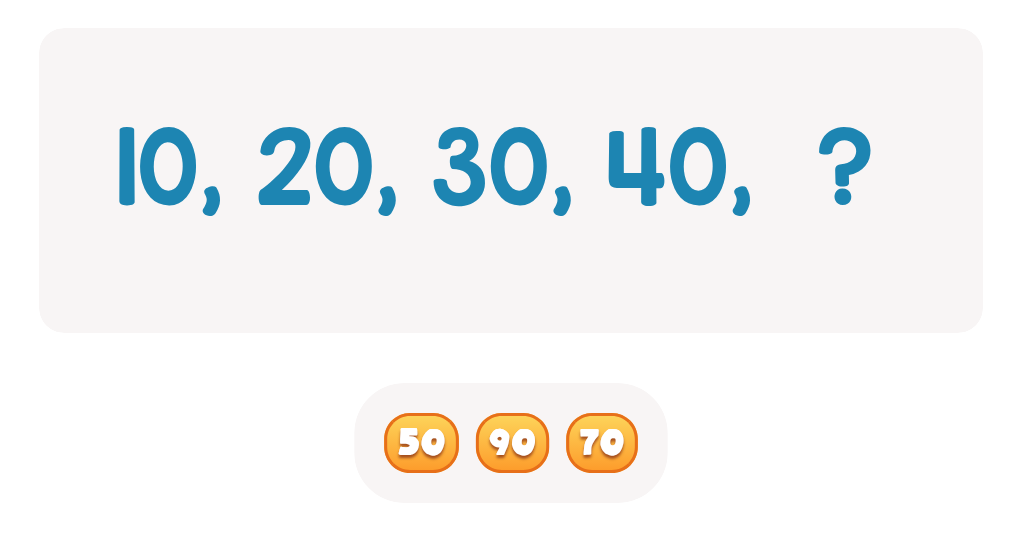
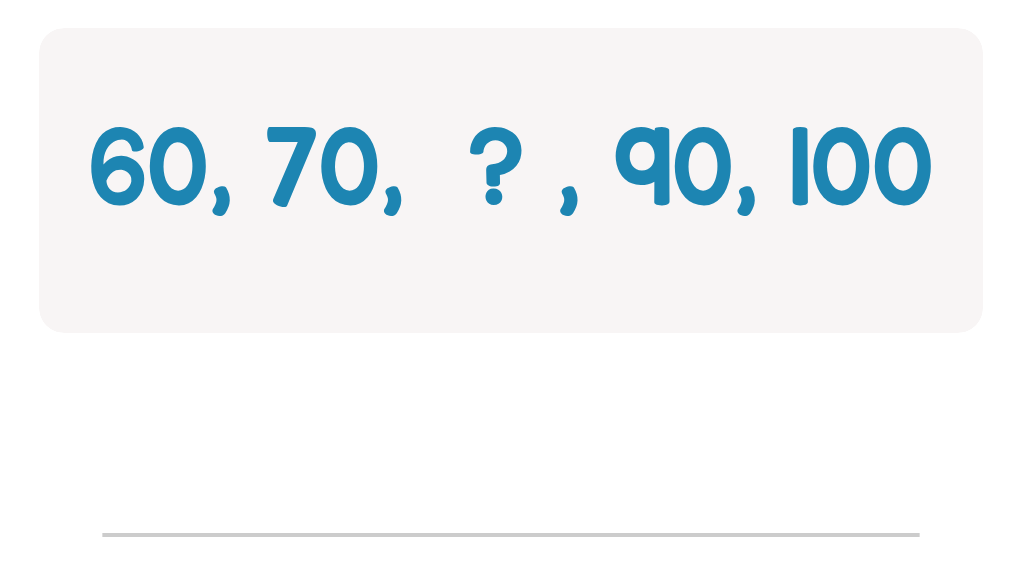
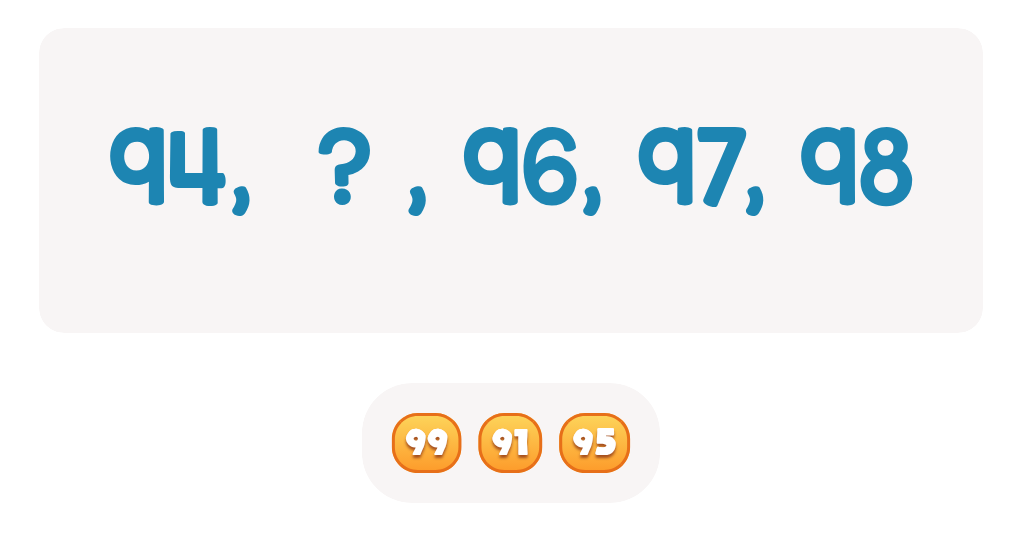
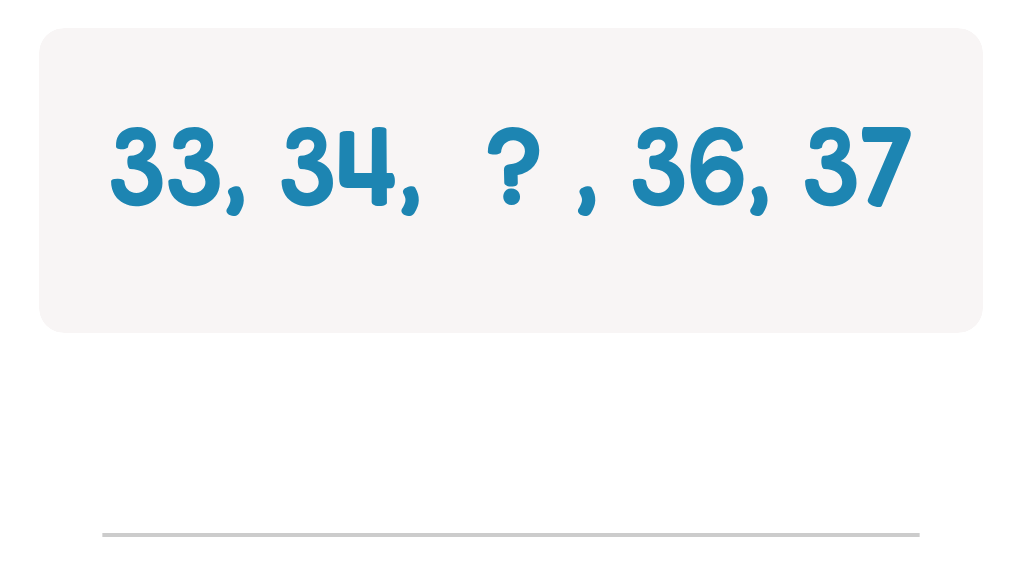
Enhance first graders' understanding of number sequences with worksheets focusing on identifying numbers before and after a given number. This resource builds foundational skills in counting and number recognition. Practice with your child using everyday examples like counting steps, reinforcing these concepts.
Strengthen first graders' number sequence skills with Level 2 worksheets focused on identifying numbers before and after up to 100. These exercises enhance understanding of numerical order. Practice counting with your child using everyday examples like calendar dates.
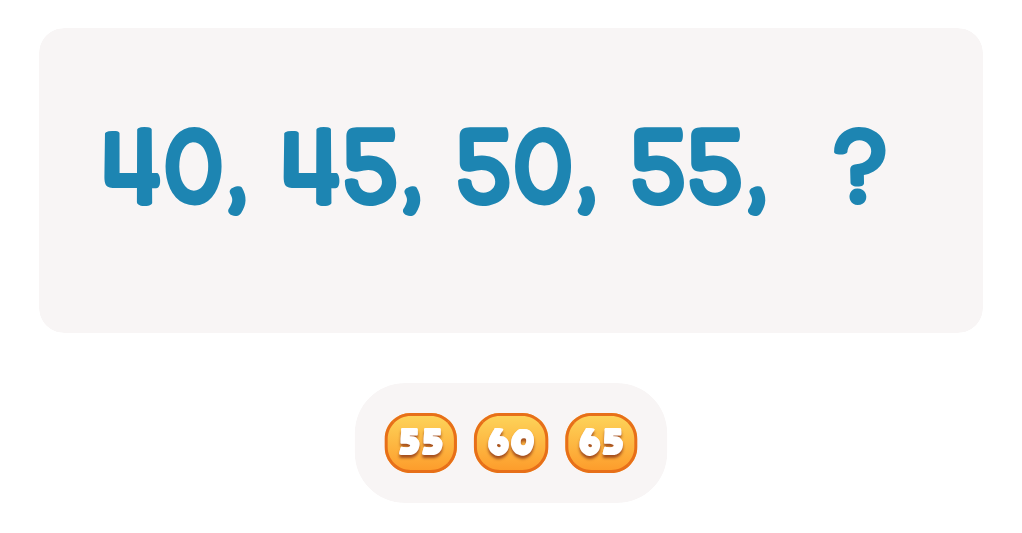
Introduce first graders to skip counting with Level 1 worksheets focused on counting by 5s. These exercises build foundational understanding of number patterns and set the stage for multiplication. Reinforce learning by practicing with real-life examples like grouping coins.
Enhance first graders' counting proficiency with worksheets focused on counting by 5s. These resources bolster understanding of number patterns and multiplication basics. Encourage learning by integrating counting by fives into fun activities, like counting coins or steps.
Advance children's counting skills with Level 3 worksheets focused on counting by 5s up to 100. These exercises enhance understanding of number patterns and reinforce multiplication basics. Encourage your child to count by fives with items like fingers or coins to boost engagement and comprehension.
Introduce first graders to the concept of skip counting with Level 1 worksheets focused on counting by 10s. These exercises build foundational skills in number sequencing and patterns. Reinforce the concept through everyday activities like grouping items by tens to practice counting.
Enhance first graders' skills in counting by 10s with Level 2 worksheets. These activities reinforce number patterns and place value comprehension. Practice with your child by counting groups of everyday items, like pencils or blocks, to solidify concepts learned.
Enhance first graders' counting skills with worksheets focusing on counting by 10s up to 120. These exercises improve understanding of place value and number patterns. Encourage your child to recognize patterns by practicing with objects grouped in tens.
Introduce first graders to skip counting with Level 1 worksheets focused on counting by 5s and 10s. These exercises enhance number pattern recognition and foundational math skills. Reinforce with practical counting tasks, like group counting pencils or coins.
Enhance first graders' counting proficiency with Level 2 worksheets focused on skip counting by 5s and 10s. These exercises reinforce understanding of number patterns and set the stage for multiplication skills. Support practice through interactive counting exercises, like grouping coins or steps.
Counting forward up to 100 boosts foundational math skills but can challenge young learners. These Level 1 worksheets provide practice in number sequencing, enhancing confidence and fluency. Encourage counting aloud with household objects, such as toys or steps, to reinforce learning and promote familiarity with numbers.
Building fluency in counting forward up to 100 is crucial for first-grade math success. These Level 2 worksheets offer structured practice to reinforce sequential counting skills and number recognition. Encourage your child to count common items, such as toys or steps, to make learning engaging and reinforce concepts through everyday experiences, enhancing confidence and understanding.
Support first graders in advancing their counting skills with level 3 worksheets focused on counting forward to 100. These activities enhance number sequencing and reinforce comprehension of number patterns. Practice counting at home using objects to make learning engaging.
Support first graders' counting abilities with Level 4 worksheets focusing on counting forward to 100. These exercises reinforce number sequencing and enhance mathematical fluency. Encourage consistent practice using practical tasks, like counting steps or toys.
Develop first graders' backward counting skills with worksheets focusing on numbers within 100. These exercises enhance number sequence comprehension and basic subtraction readiness. Practice by using everyday activities, like countdowns or stairs, to strengthen understanding.
Enhance first graders' counting skills with Level 2 worksheets focused on counting backward within 100. These exercises build understanding of number sequences and subtraction concepts. Practice using everyday activities like stacking blocks or countdowns to reinforce these skills.
Counting backward within 100 strengthens foundational math skills for first graders. These Level 3 worksheets focus on enhancing number sequencing and mental math abilities through structured backward counting exercises. Encourage your child to practice by counting objects in reverse order during everyday activities, which helps solidify understanding and boosts confidence in numerical fluency.
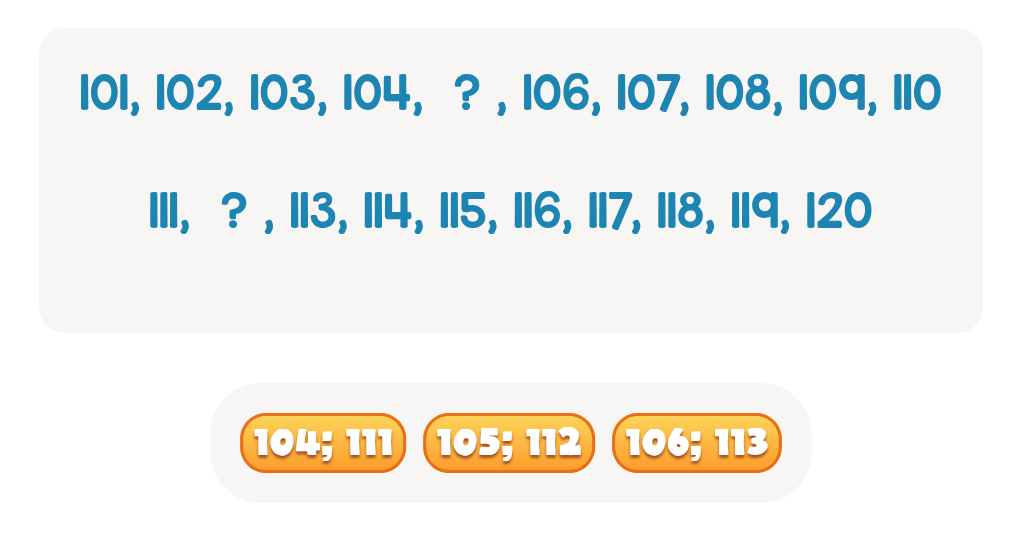
Introduce first graders to counting forward up to 120 with these worksheets. These exercises build foundational number sequencing and enhance understanding of numerical order. Guide your child in practicing counting with physical objects to reinforce concepts learned.
Counting forward beyond 100 can challenge first graders as they develop number sequencing skills. These Level 2 worksheets provide practice in counting up to 120, enhancing numeric understanding. Support your child by practicing counting in everyday contexts, such as during walks or while arranging objects, helping solidify their comprehension and fluency.
Counting forward beyond 100 is a key skill for first graders but can be challenging. These Level 3 worksheets encourage practice up to 120, enhancing numerical fluency and confidence. Engage your child with counting games and everyday scenarios, like counting steps, to make learning contextual and strengthen their understanding of larger numbers.
Advance first graders' counting skills with level 4 worksheets focused on counting forward to 120. These activities reinforce number sequence and place value understanding. Engage your child by incorporating counting into daily routines to solidify numerical familiarity.
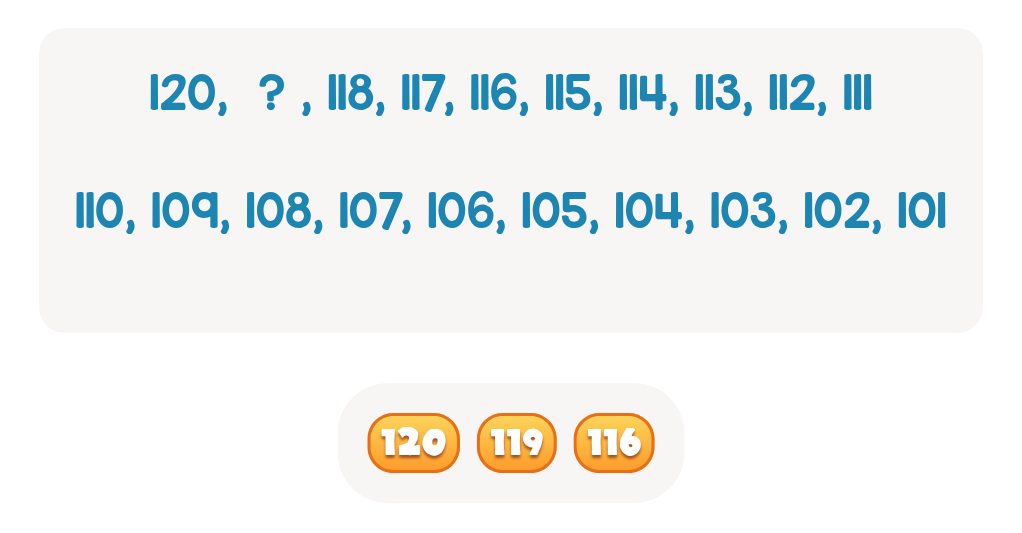
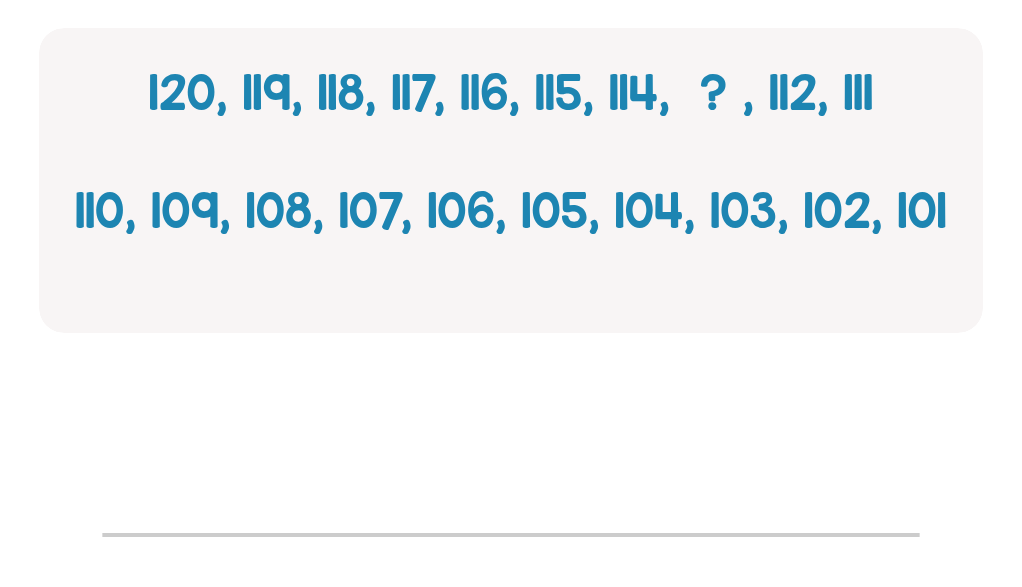
Improve first graders' numerical fluency with Level 1 worksheets focused on counting backward from 120. These exercises develop understanding of number sequences and subtraction skills. Encourage practice using countdown activities, like timers or descending steps, to make learning engaging.
Enhance first graders' counting skills with worksheets focused on counting backward from 120. These activities build number sequence understanding and subtraction readiness. Practice counting with your child using real-life scenarios, like countdowns or backward steps, to make learning tangible.
Explore worksheets designed for first graders to master counting backward from 120. These exercises enhance number sequencing skills, preparing children for complex math concepts. Encourage reasoning by asking your child to explain each step.
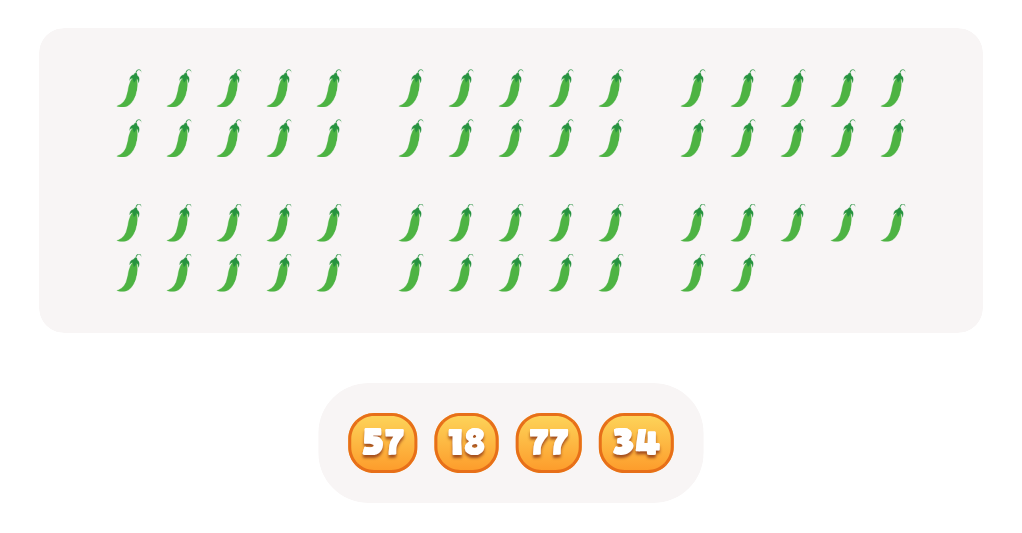
Support first graders' counting skills with worksheets focused on counting objects up to 100. These exercises improve precision and numeracy, laying a foundation for advanced math concepts. Encourage your child to count everyday items, like fruits or toys, to reinforce these skills.
Counting is a foundational math skill for first graders. This review quiz evaluates proficiency in counting sequences and number recognition, offering insights into strengths and areas needing improvement. Use the results to guide instructional focus. Encourage children to practice counting aloud in daily routines, reinforcing concepts and building confidence.