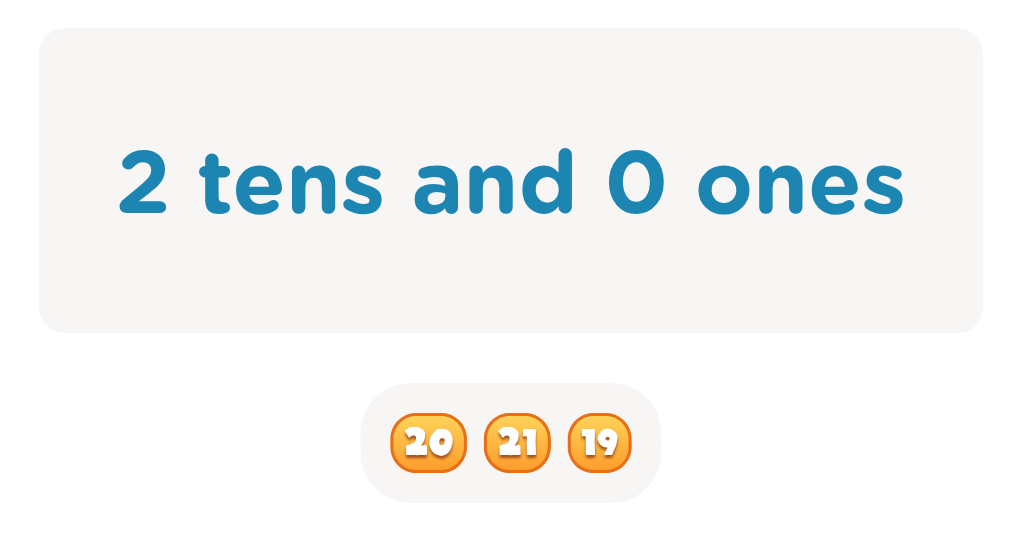
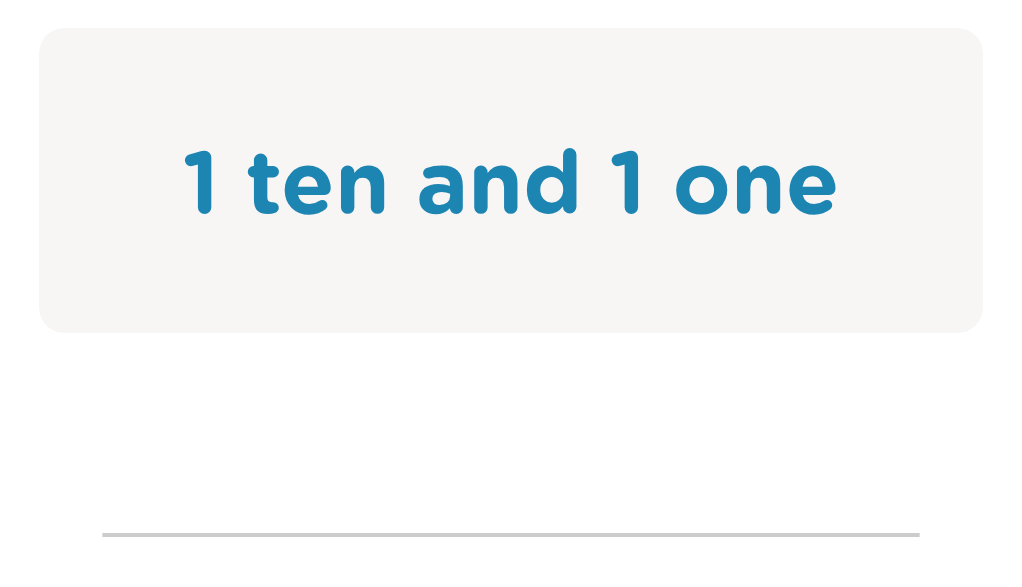
Learning place value is an essential step for first graders to develop numeracy skills. These worksheets help children grasp the concept of tens and ones, reinforcing how numbers are constructed. By breaking down numbers into manageable components, students build a solid mathematical foundation. Encourage your child to use manipulatives to visualize and practice the concepts.
Evaluate first graders' grasp of place value concepts with this pre-assessment, designed to pinpoint strengths and areas needing improvement. By analyzing the results, educators and parents can tailor subsequent lessons to address any gaps in understanding. Encouraging children to articulate their reasoning during assessments will deepen their comprehension and enhance future instruction.
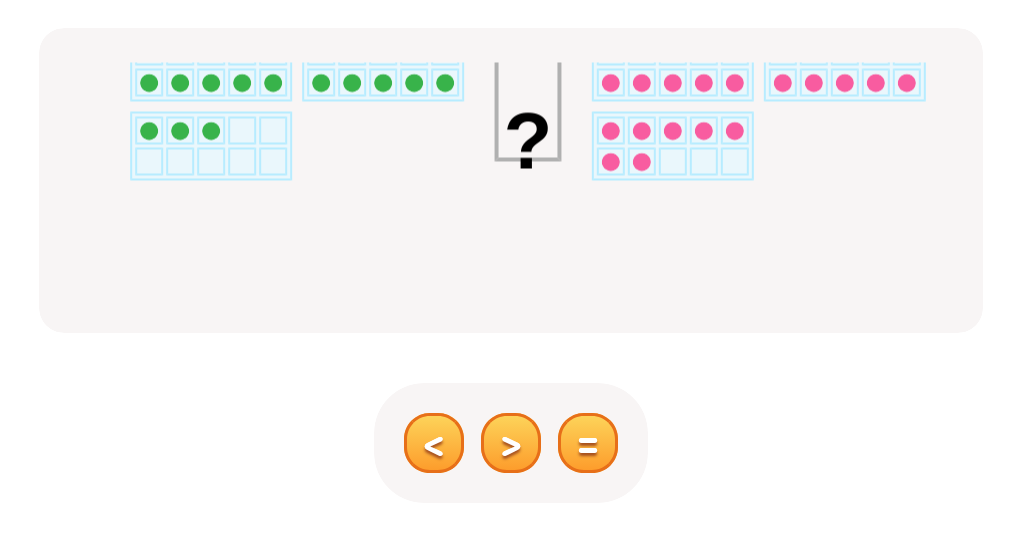
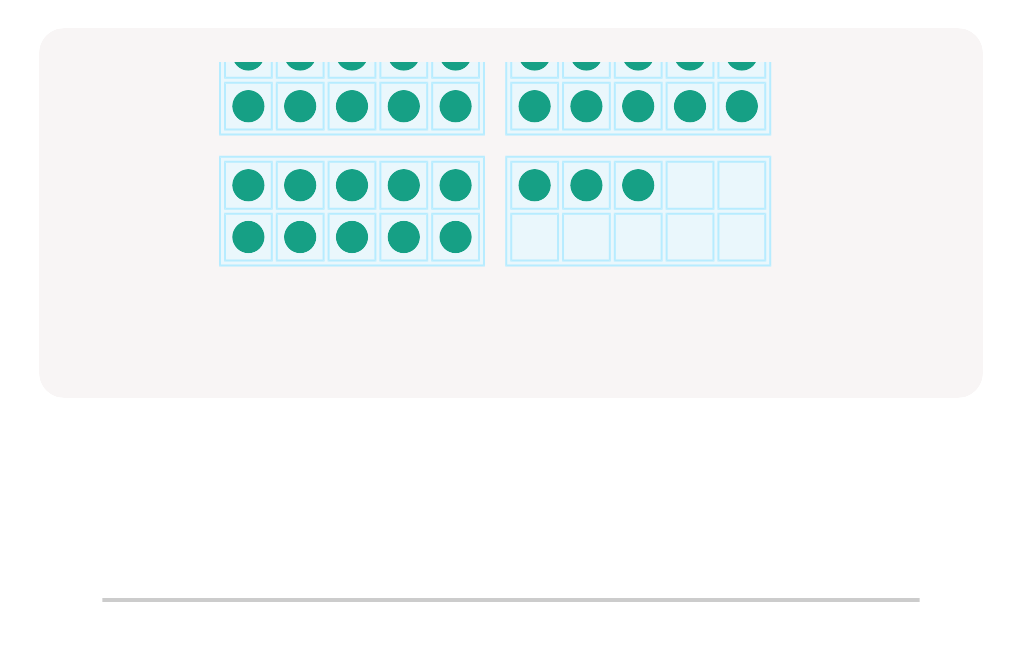
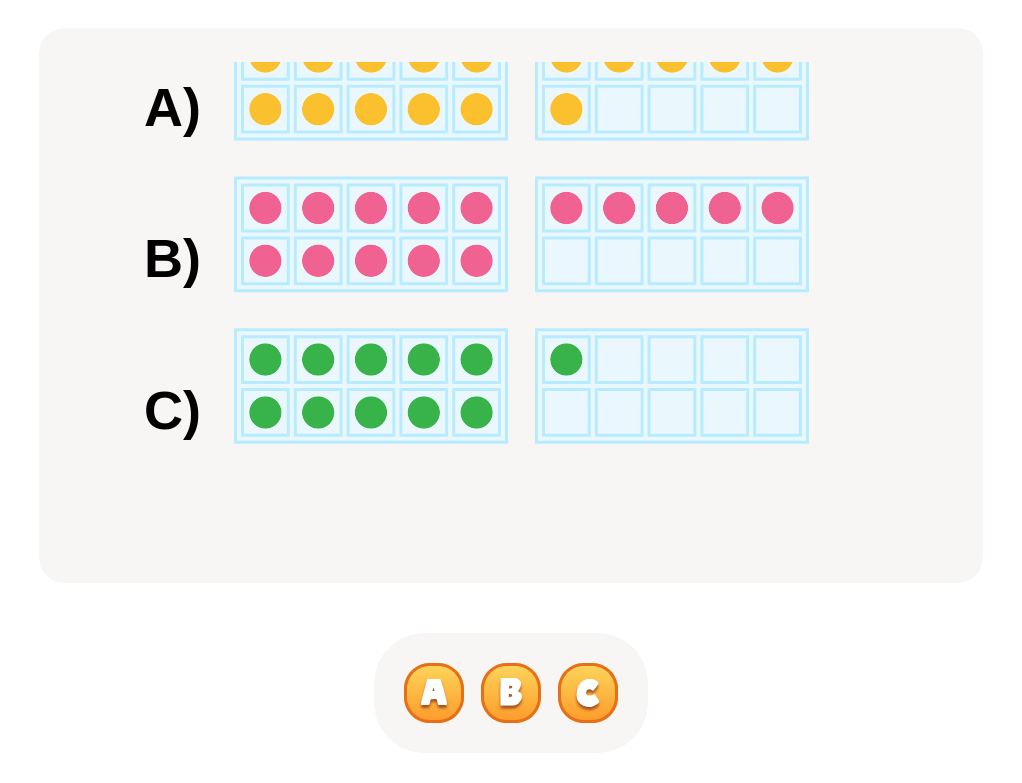
Choosing the correct comparison sign can be challenging for first graders as they learn number relationships. These worksheets use ten frames to help students visualize and decide between greater than, less than, or equal to signs. Encourage your child to discuss their reasoning during these exercises to reinforce understanding and boost confidence in math skills.
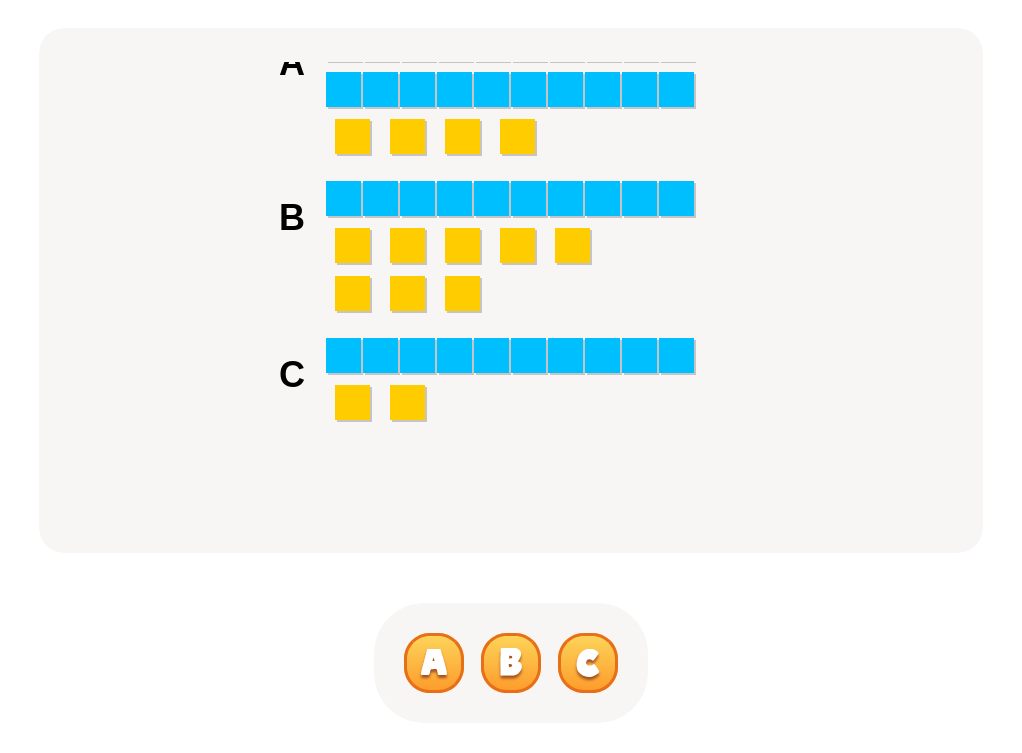
Deciphering numerical relationships can puzzle first graders. These worksheets focus on using base ten blocks to guide students in selecting the right comparison sign, i.e., greater than, less than, or equal to. Encourage children to verbalize their reasoning while working through exercises, promoting clarity in mathematical thinking and building confidence.
Understanding comparison signs can challenge first graders, especially when developing number sense. These worksheets employ ten frames to visually guide children in using greater than, less than, and equals signs accurately. By visualizing number differences, young learners improve their mathematical reasoning. Support this learning by encouraging real-life comparisons of objects, reinforcing the concepts taught.
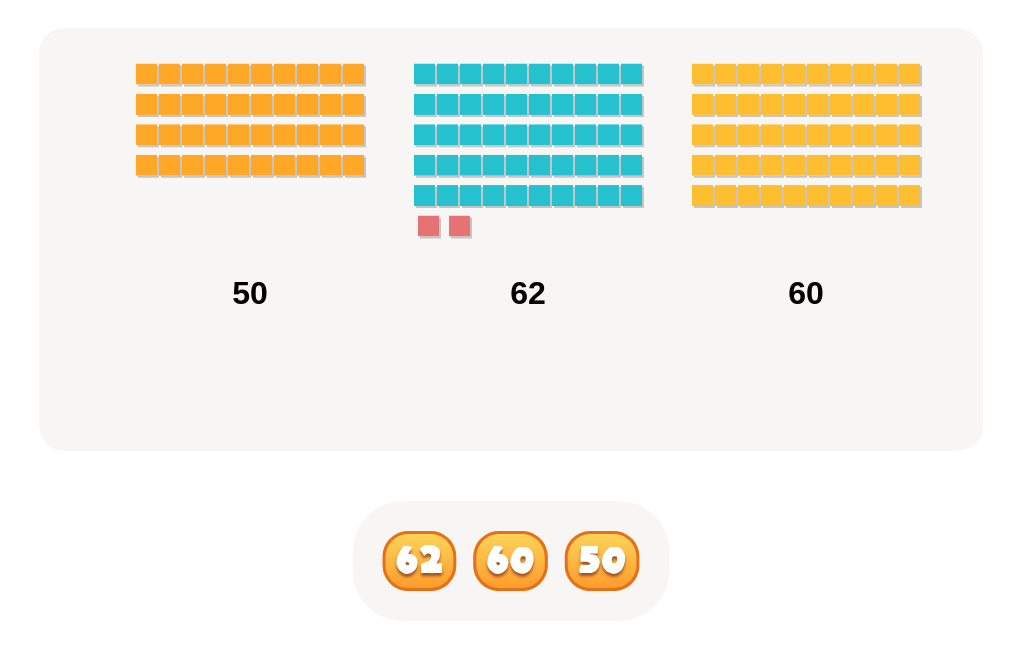
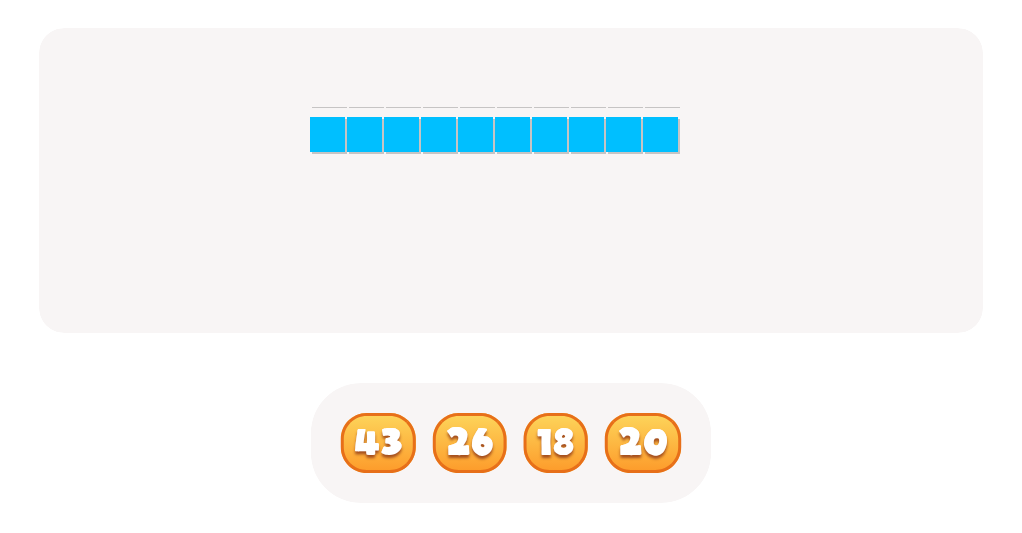
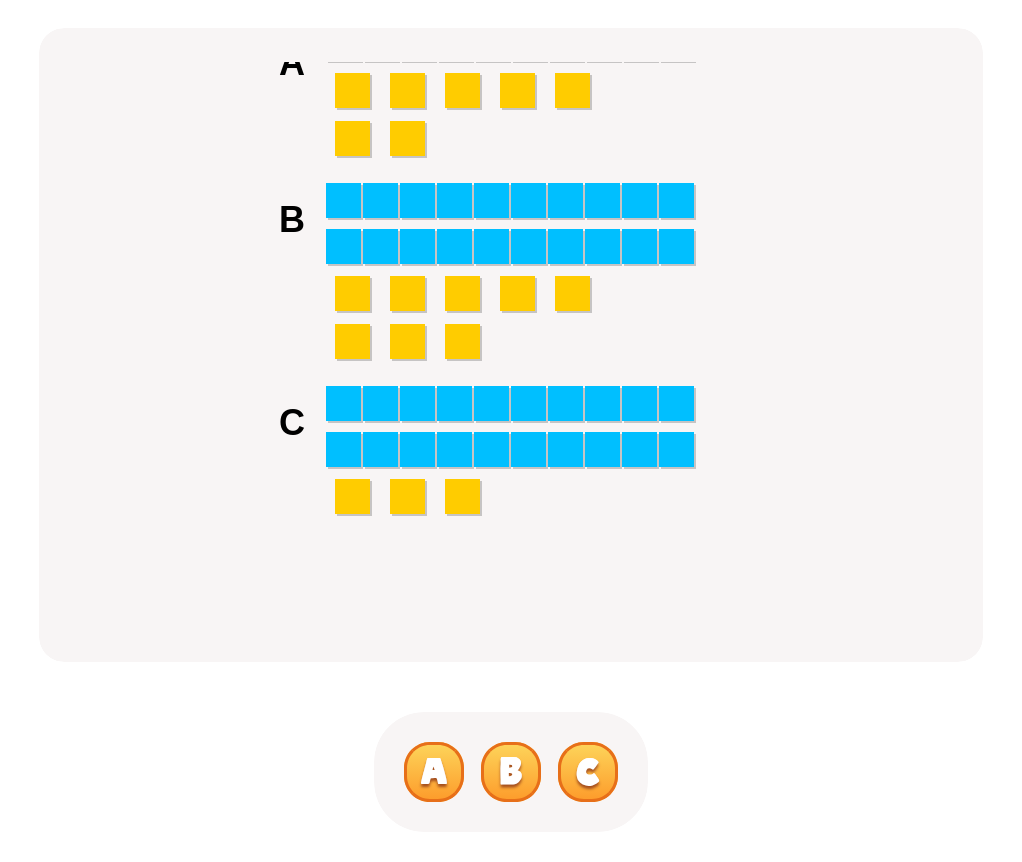
First graders often find it challenging to compare multiple numbers accurately. Our worksheets are designed to help students compare three numbers using base ten blocks, reinforcing concepts of place value and numeric relationships. Through visual aids and structured exercises, children improve their number sense. Parents and educators can support learning by discussing different comparison strategies and encouraging practice with real-life examples.
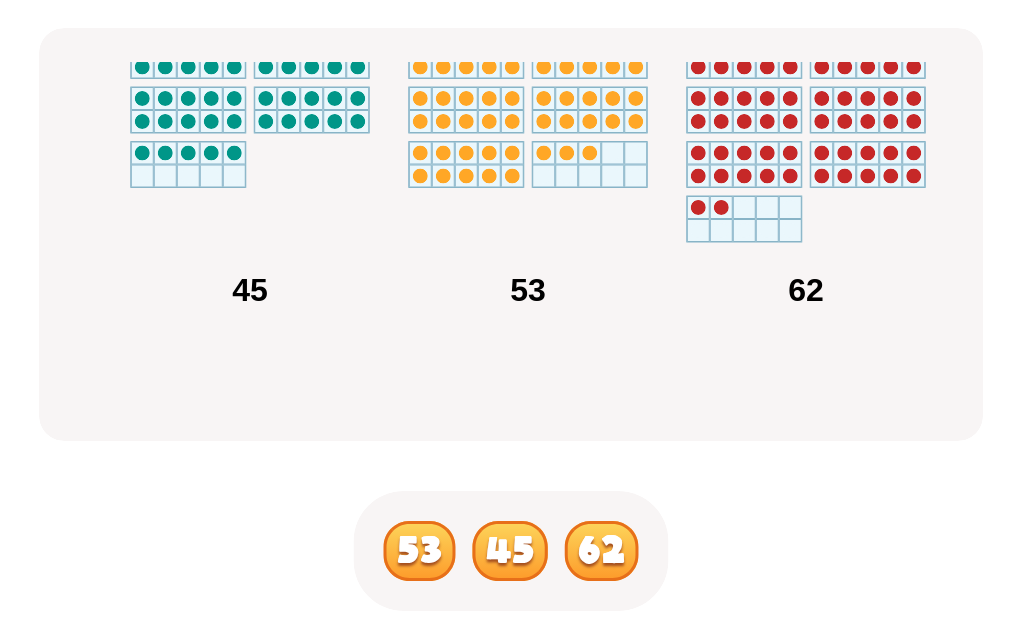
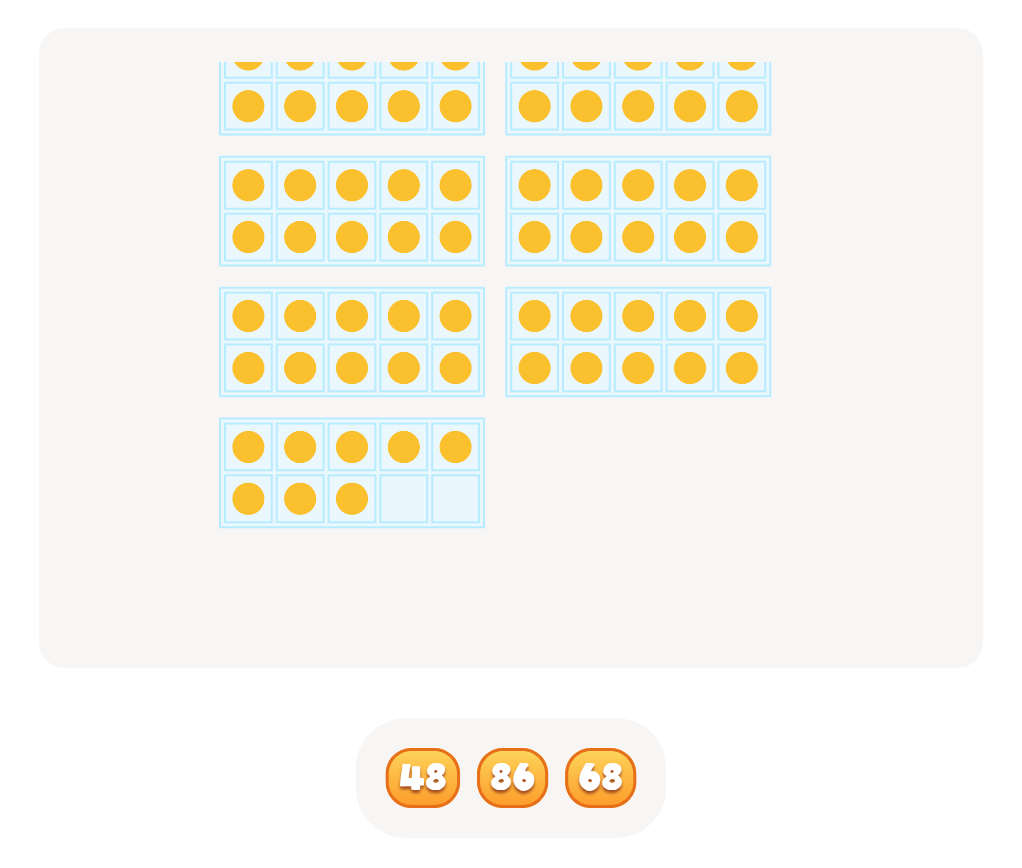
Comparing three numbers can be challenging for first graders, especially in understanding numeric value. These worksheets use ten frames to visually assist children in comparing numbers, fostering a clear understanding of relative value. Parents and educators can support this skill by discussing strategies used during the exercises and applying them in real-world examples.
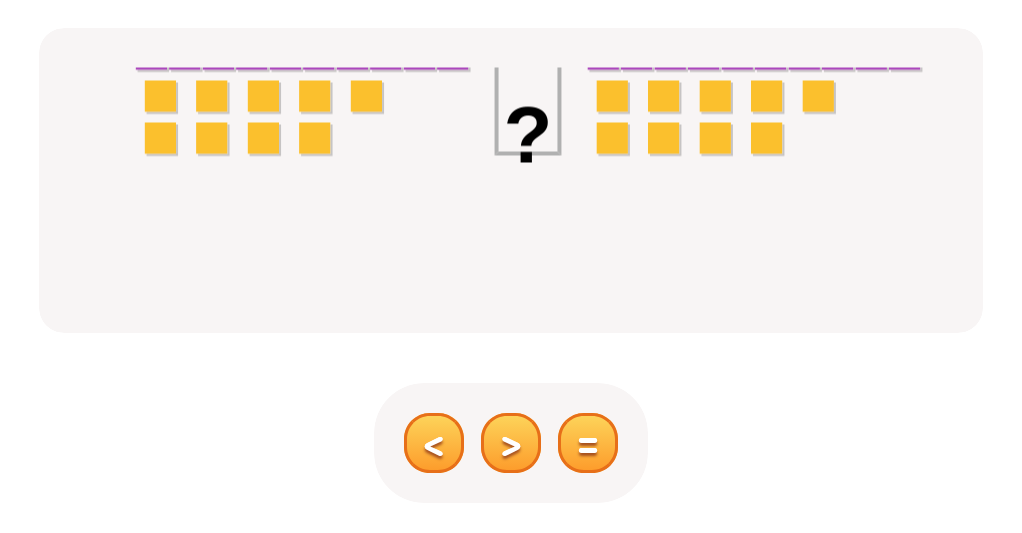
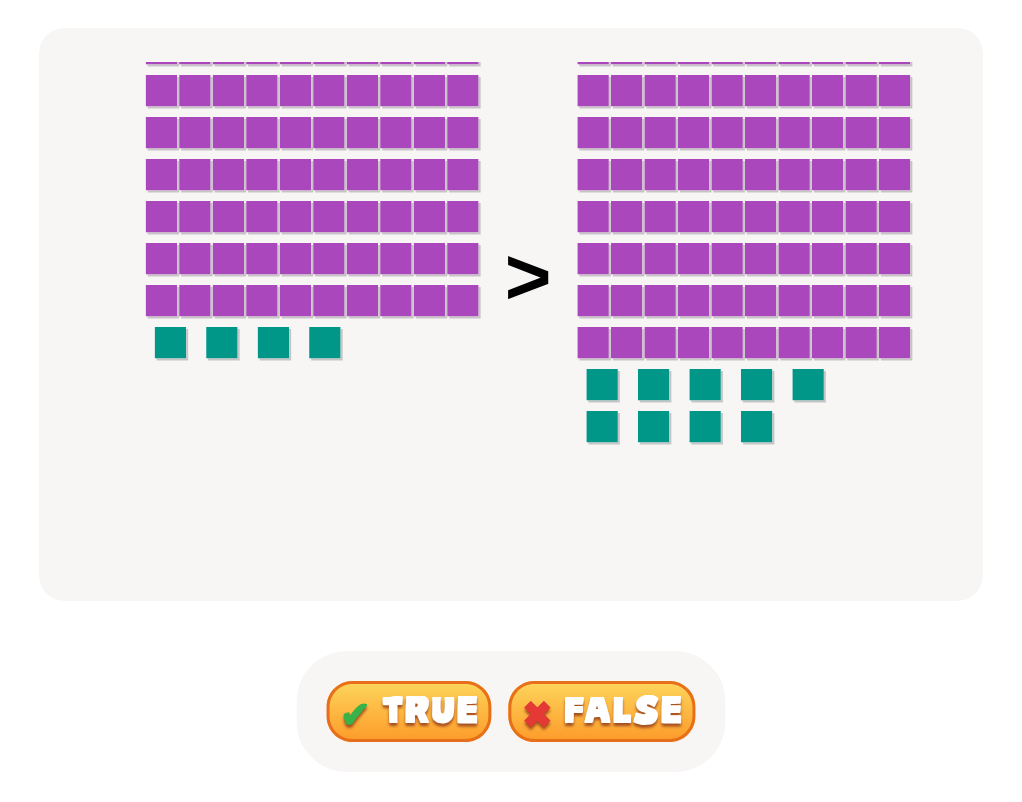
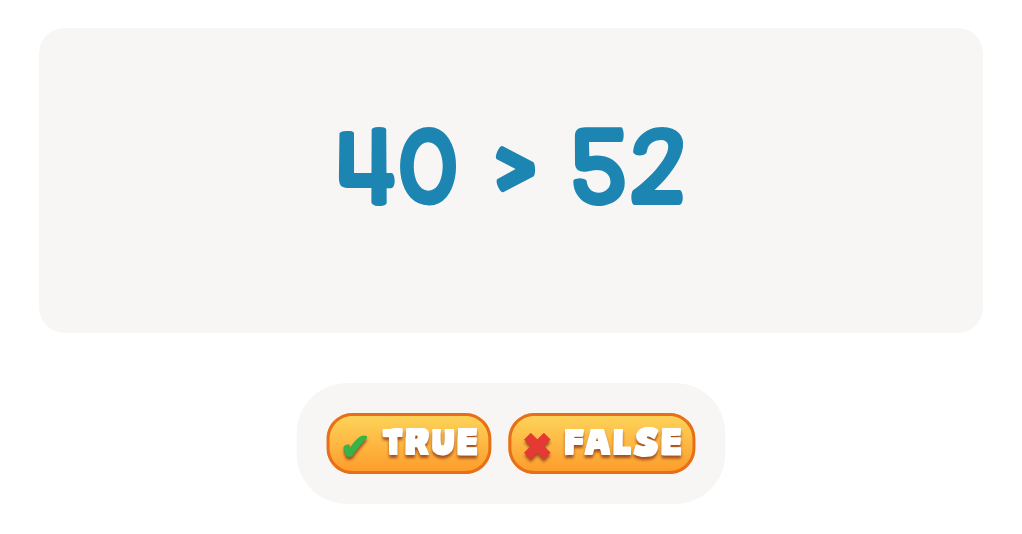
Mastering number comparison up to 100 is key for first-grade math. These worksheets use base 10 blocks to develop children's understanding of numerical value through true or false statements, reinforcing critical thinking. Encourage your child to explain their reasoning as they compare numbers, and use everyday materials like blocks or counting objects to solidify their grasp of math concepts.
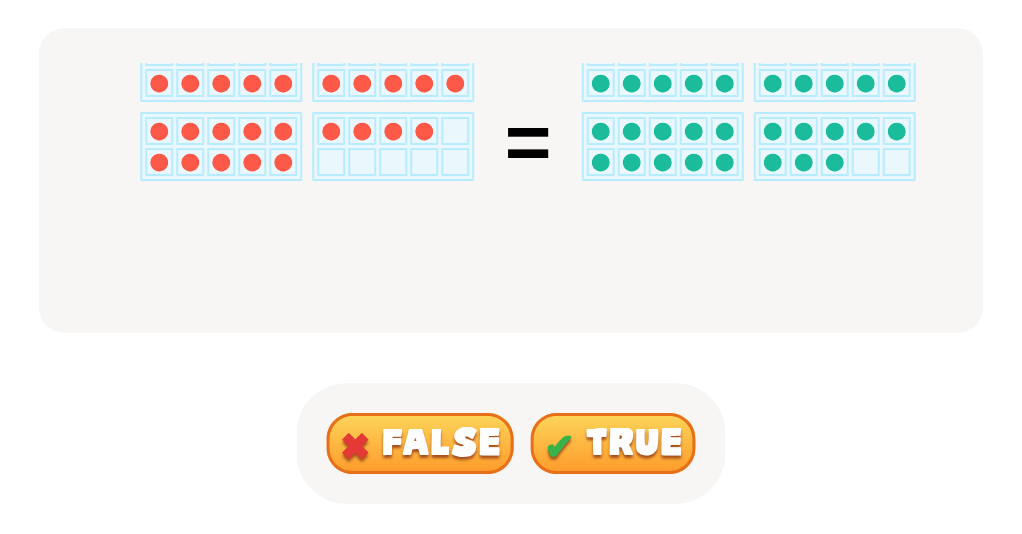
First graders often find comparing numbers challenging. These worksheets utilize ten frames to help children compare numbers up to 100 using true or false statements. This visual approach reinforces understanding of numerical value and relationships. Encourage your child to explain their reasoning as they work through the exercises to deepen their comprehension and bolster confidence in math skills.
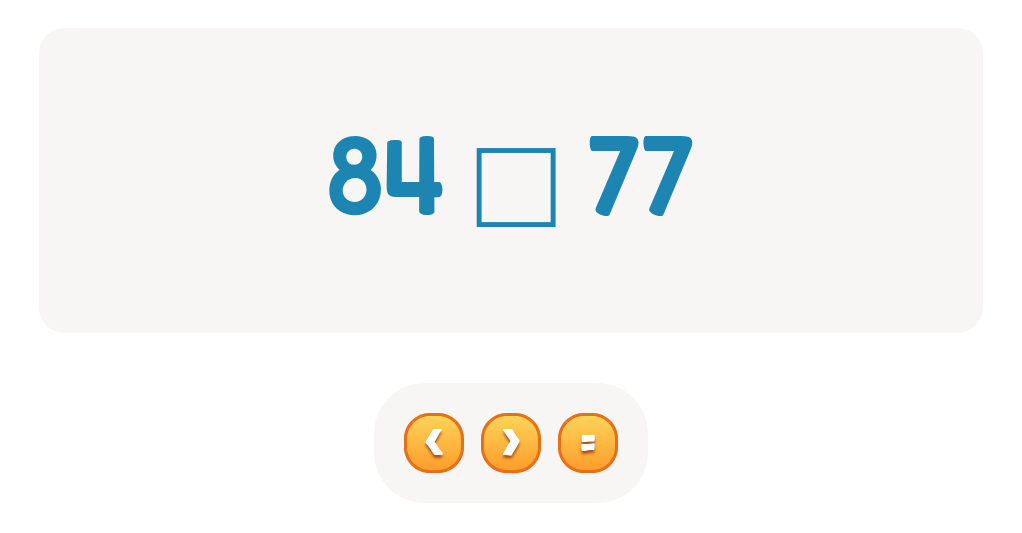
Deciding which comparison sign to use can challenge young learners when comparing numbers up to 100. These worksheets help students choose the correct symbols, such as greater than, less than, or equal to, building essential comprehension of number relationships and order. Encourage your child to articulate their reasoning to reinforce learning and confidence.
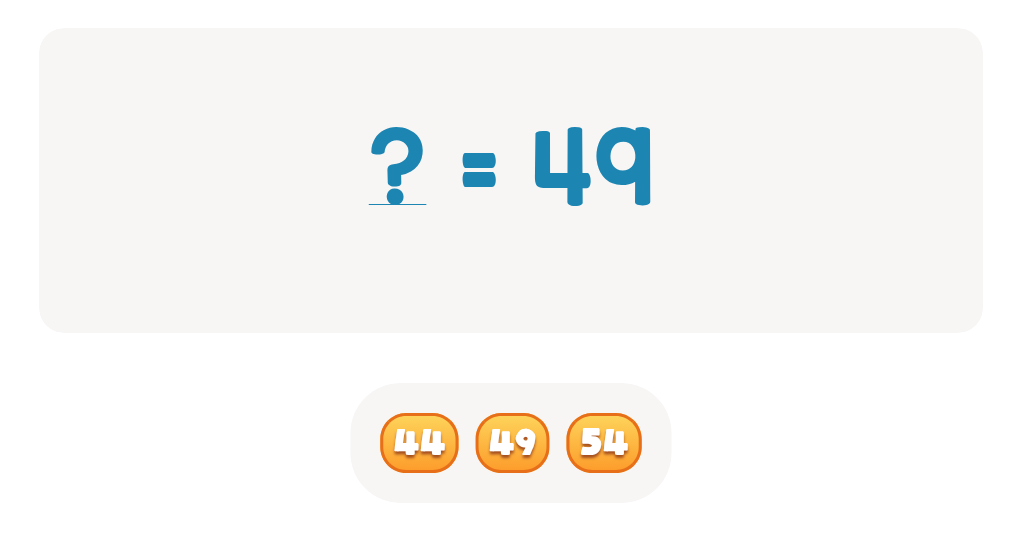
Understanding number comparison is fundamental for math success, yet often challenging for first graders. These worksheets focus on completing number sentences with numbers up to 100, improving comparison skills and numerical fluency. Encourage your child to practice using visual aids such as number lines or counters for a more tangible understanding of concepts.
Understanding number comparison is crucial in first-grade math development. These worksheets focus on comparing numbers up to 100 using true or false statements, reinforcing place value and numerical reasoning. Prompt your child to explain their thought process as they assess each statement, supporting critical thinking. Use real-life contexts like comparing scores in games to solidify understanding.
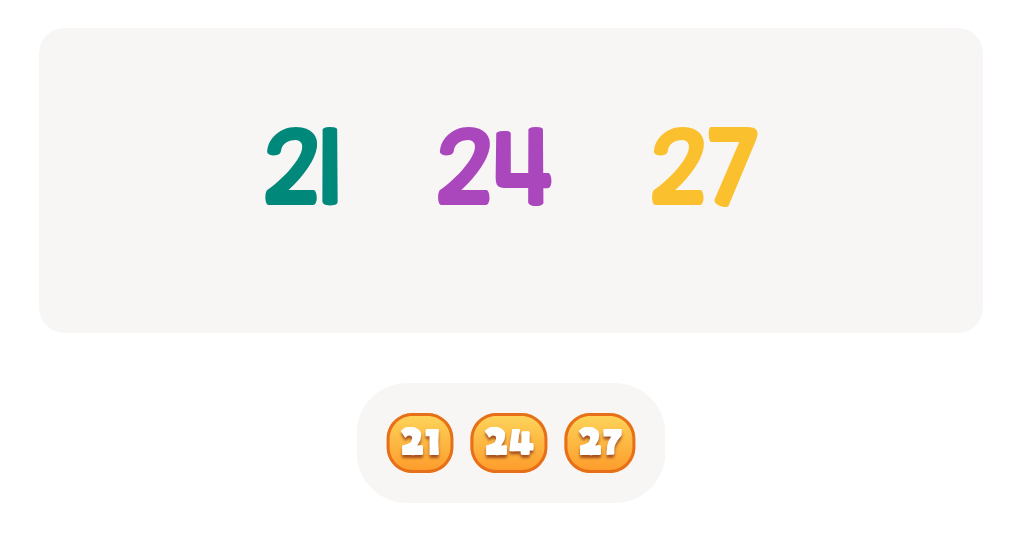
First graders often struggle with number comparison. Our worksheets help by focusing on comparing three numbers up to 100, boosting understanding of numerical order and relationships. These exercises develop critical thinking and number sense. Encourage your child to explain their thought process, enriching their comprehension and reinforcing math vocabulary.
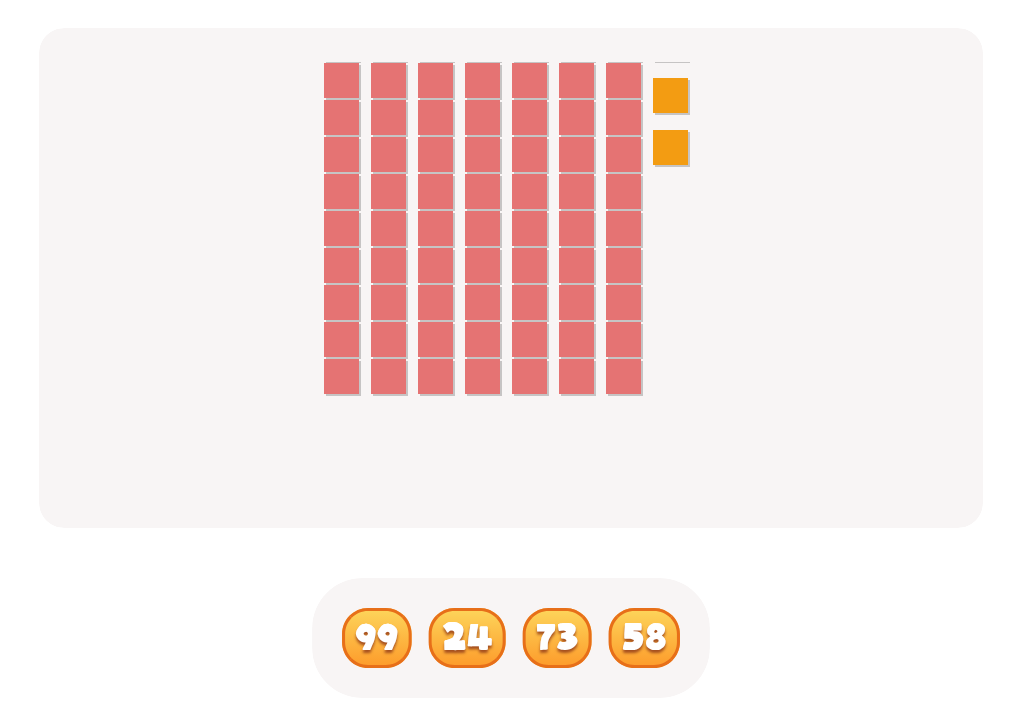
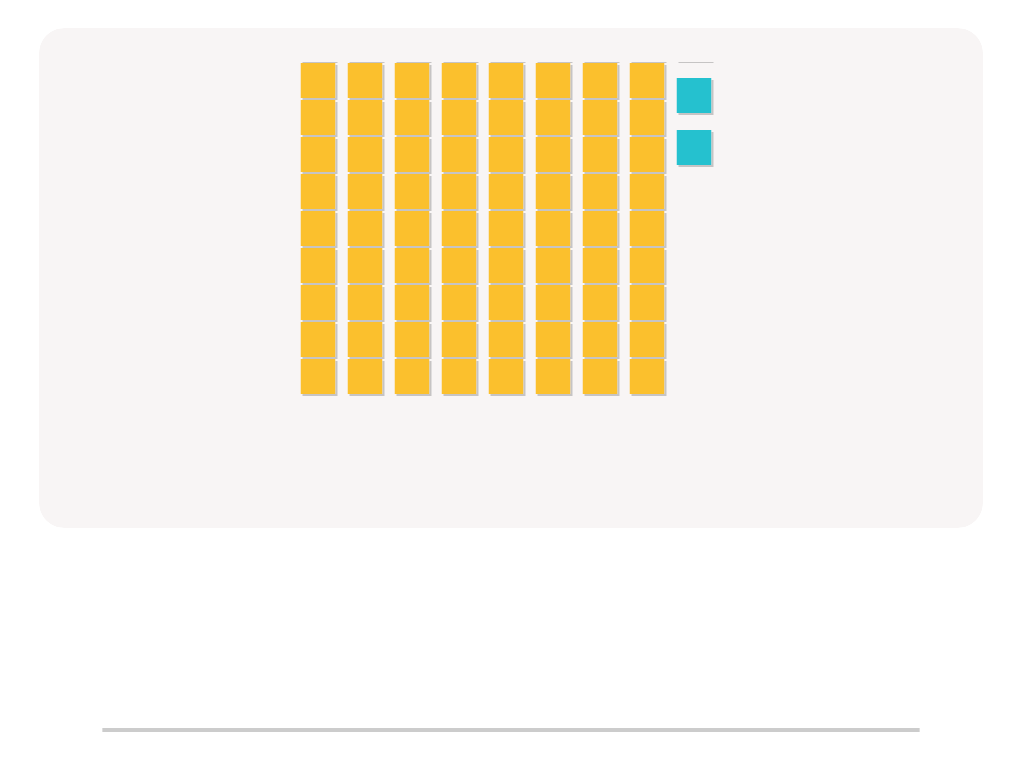
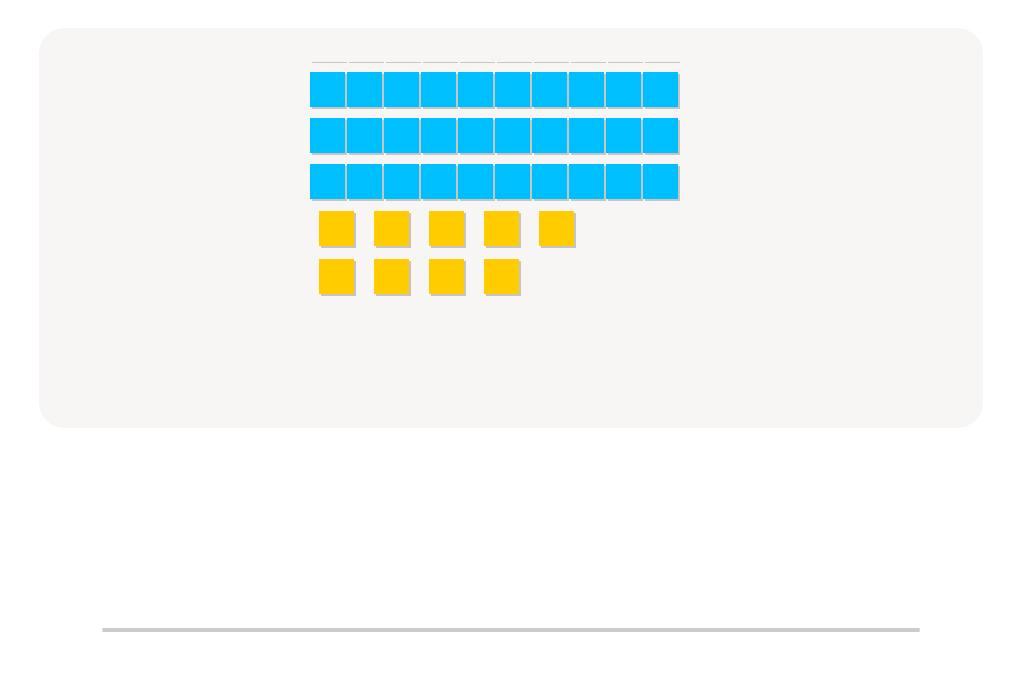
Counting to 100 is a key milestone for first graders. These worksheets utilize base ten blocks to provide a solid foundation in place value and number recognition. By visually representing numbers, children can easily grasp how tens and ones contribute to larger sums. To reinforce learning, encourage students to use physical blocks, enhancing their concrete understanding of numbers up to 100.
Mastering counting with base ten blocks up to 100 is essential for first graders' numeracy skills. These Level 2 worksheets guide children in understanding number composition and place value through hands-on exercises using base ten blocks. Encourage your child to use blocks or draw their own models to solidify these concepts, enhancing their comprehension and fluency in arithmetic.
Enhance counting proficiency in first graders with Level 2 worksheets designed around base ten blocks for numbers up to 50. These activities focus on developing place value understanding and the composition of numbers. Encourage children to explore grouping strategies while counting, explaining their methods to deepen comprehension and build confidence in numerical operations.
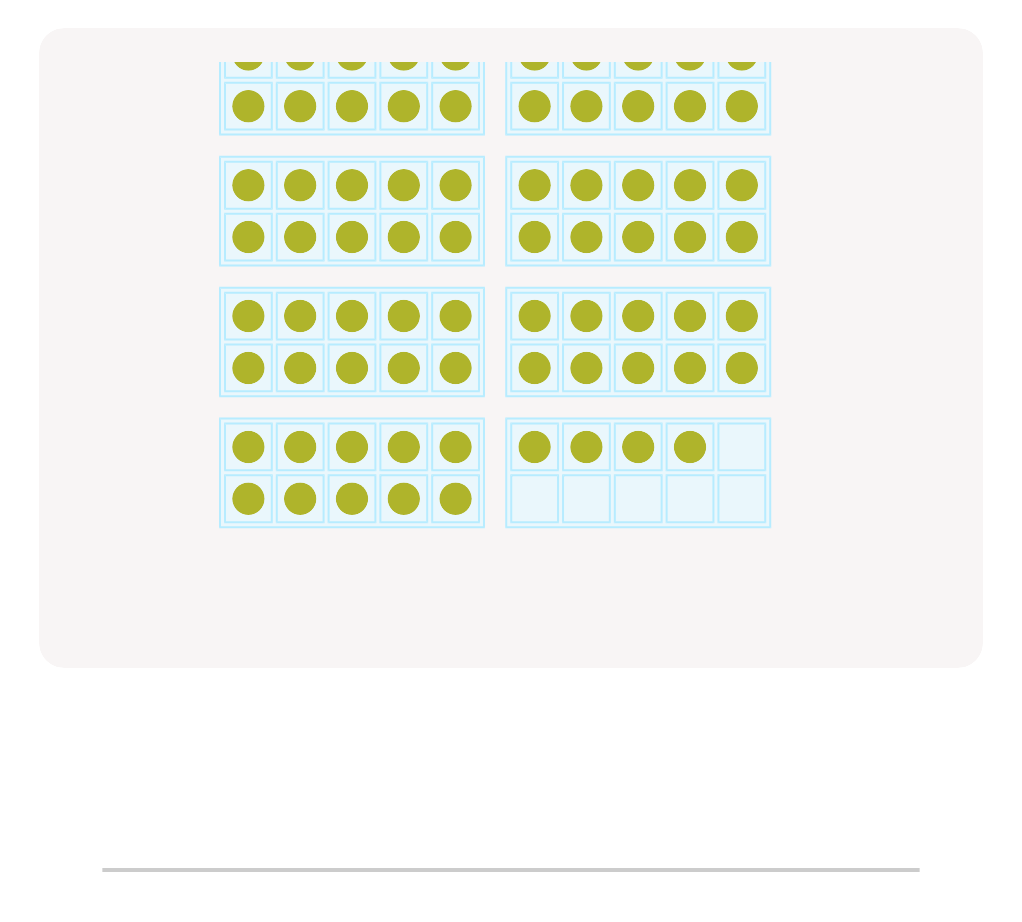
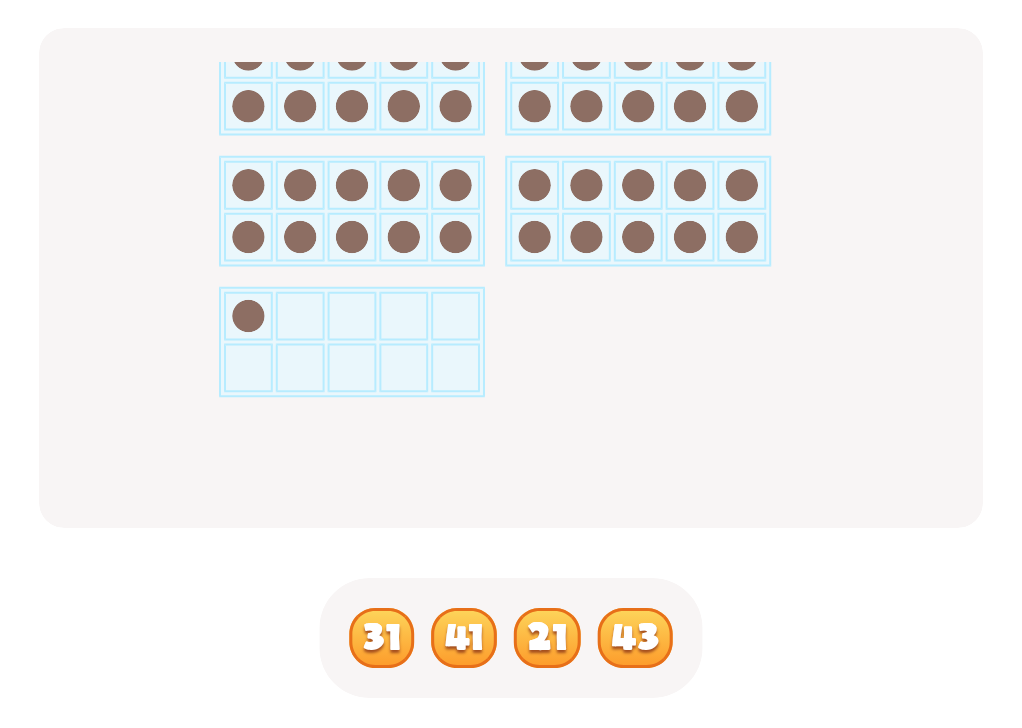
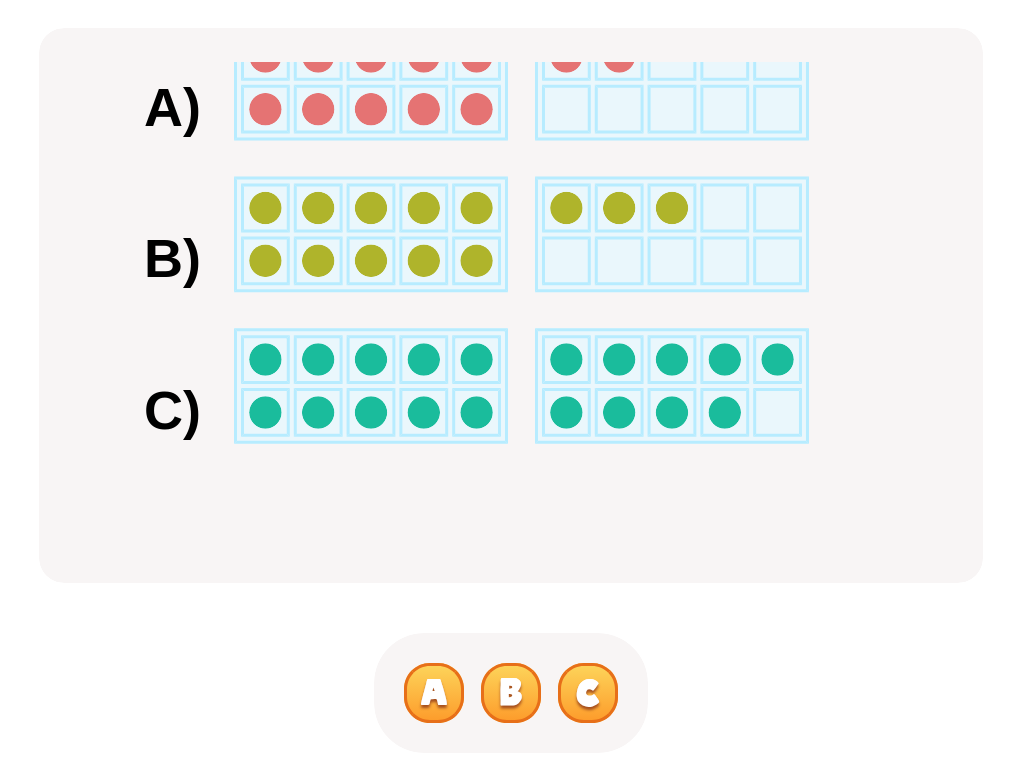
Understanding numbers up to 100 is vital in first grade math. These worksheets focus on using ten frames to help children visualize and count numbers, which strengthens their number sense. Through practical exercises, kids learn to recognize patterns and improve their counting skills. Encourage using physical objects like toys to represent numbers, reinforcing these concepts in an engaging, tangible way.
Counting with ten frames boosts first graders' understanding of numbers up to 100. These Level 2 worksheets help visualize quantities and enhance number sense by organizing numbers into tens and ones. Encourage your child to use real objects or drawings with ten frames, reinforcing learning through tactile engagement and increasing their confidence with number organization.
Building number sense is essential in first grade. These Level 1 worksheets utilize ten frames to help children count up to 50, reinforcing their understanding of number representation and sequencing. Encourage your child to practice with real objects, such as blocks or beads, to make learning tangible and improve their counting fluency through engaging, hands-on activities.
Counting within 50 using ten frames aids in visualizing numbers and enhancing understanding. These Level 2 worksheets challenge first graders with a focus on numerical representation. Encourage children to articulate their counting strategies and apply them in daily activities to strengthen number sense and fluency, paving the way for future math success.
Boost first graders' counting abilities with worksheets focused on using base ten blocks to count up to 50. These exercises reinforce an understanding of place value and the composition of numbers through visual learning. Encourage children to discuss the grouping of tens and ones, fostering a deeper comprehension of mathematical concepts and building a solid foundation for future math skills.
Understanding number composition from 10 to 20 using base ten blocks is crucial for building math fundamentals. These Level 1 worksheets guide children in visualizing and constructing numbers, enhancing place value comprehension. Encourage the use of real or drawn blocks at home, making learning interactive and helping solidify concepts through hands-on experience.
Advance first graders' understanding of number composition with Level 2 worksheets utilizing base ten blocks for numbers 10-20. These exercises emphasize place value, helping children visualize and construct numbers effectively. Support their learning by exploring different grouping strategies and encouraging discussions, which solidify comprehension and build confidence in handling numbers.
Composing numbers from 10 to 20 can challenge young learners. These worksheets use ten frames to help first graders visualize numbers and understand place value. By filling in frames, children learn to construct and deconstruct numbers, strengthening their grasp of number relationships. Support learning by using physical objects to complement these exercises, reinforcing the concept through hands-on activities.
Enhance first graders' understanding of number composition using Level 2 worksheets that employ ten frames for numbers 10-20. These visual tools facilitate the grasp of place value concepts. Encourage children to explore various grouping strategies, reinforcing their comprehension and building confidence in numerical operations by discussing how numbers can be broken down and recombined.
Mastering numbers 10-20 is essential for developing math proficiency in first graders. These Level 1 worksheets offer structured practice to reinforce number recognition and understanding. Use these tools to build counting and sequencing skills. Encourage your child to count everyday items, enhancing their fluency and confidence with numbers.
Strengthen understanding of numbers 10-20 in first graders with Level 2 worksheets. These resources are designed to enhance number sense, focusing on sequences and place value. Encourage children to practice counting and grouping numbers, fostering a deeper comprehension of how numbers relate to one another. Discuss strategies to consolidate learning and build confidence in numerical skills.
Mastering numbers 10-20 is vital for building a strong math foundation. These Level 3 worksheets challenge first graders with tasks involving counting, comparing, and sequencing within this range. Help your child strengthen their skills by discussing strategies and encouraging them to articulate their reasoning. This targeted practice fosters a deeper understanding of numerical concepts.
Mastery of place value is crucial for first graders, and this review quiz effectively assesses their understanding of tens and ones. By identifying areas of strength and need, educators can adjust learning plans accordingly. Encourage children to explain their reasoning for each answer to strengthen their understanding and confidence in using place value concepts.