Access our comprehensive set of kindergarten English language arts worksheets aimed at cultivating reading, writing, and comprehension abilities. Created for parents and educators, these worksheets focus on phonics, vocabulary development, and sentence construction, which are critical to early literacy. The structured activities help children establish a strong foundation in language arts, crucial for continued academic success and effective communication skills.
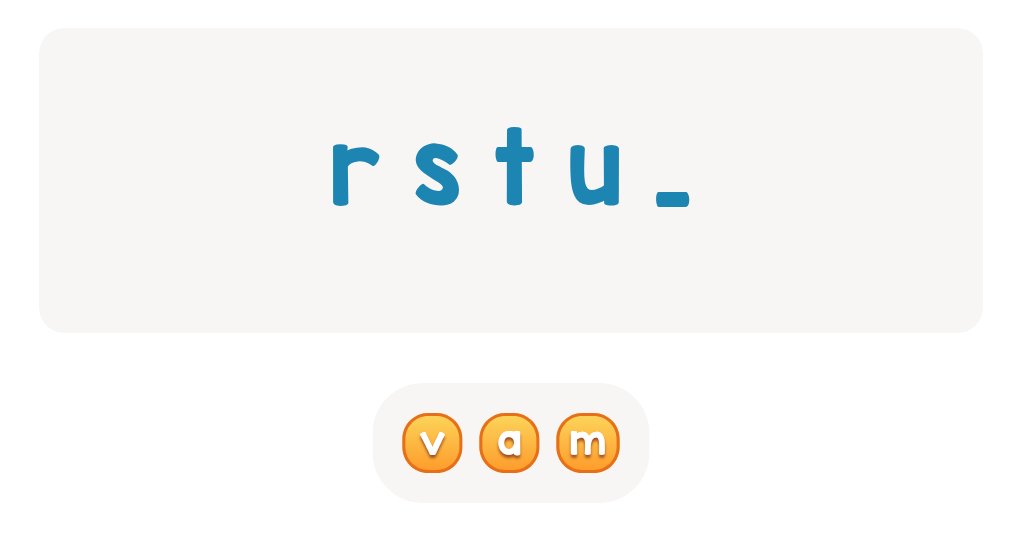
Help kindergartners master lowercase letter sequencing with worksheets focusing on identifying missing letters. These activities enhance alphabet recognition and sequencing skills. Reinforce learning by creating flashcards or using alphabet games to practice.
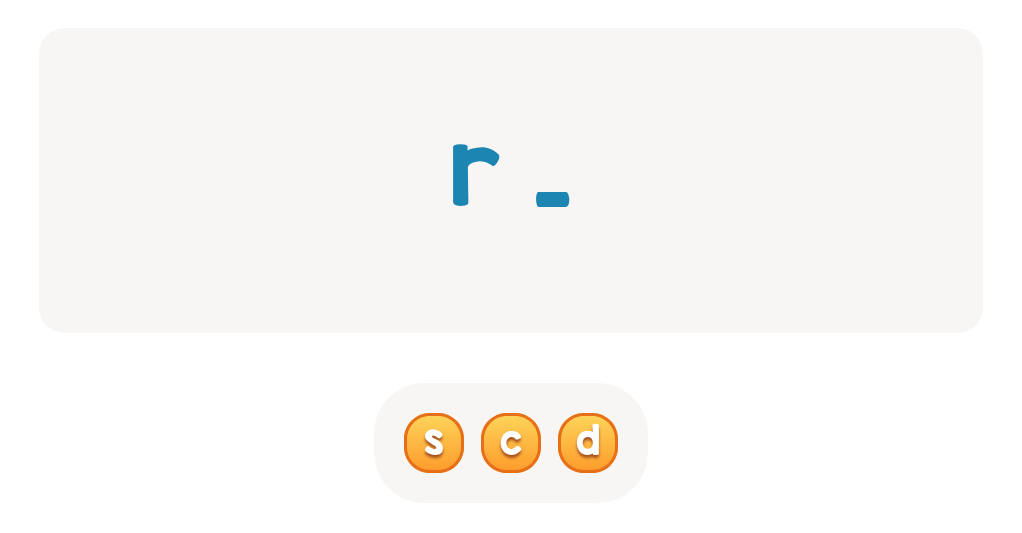
Improve kindergarteners' alphabet sequencing skills with these worksheets that focus on identifying which lowercase letter precedes another. These exercises strengthen letter order comprehension. Use an alphabet chart to help your child visualize sequences and reinforce learning.
Develop kindergarteners' alphabet sequencing skills with Level 2 worksheets that challenge them to identify the next lowercase letter in a sequence. These exercises bolster understanding of alphabetical order and recognition, essential for literacy. Reinforce learning by practicing letter sequences aloud with your child, which enhances memory retention and confidence in recognizing letter patterns.
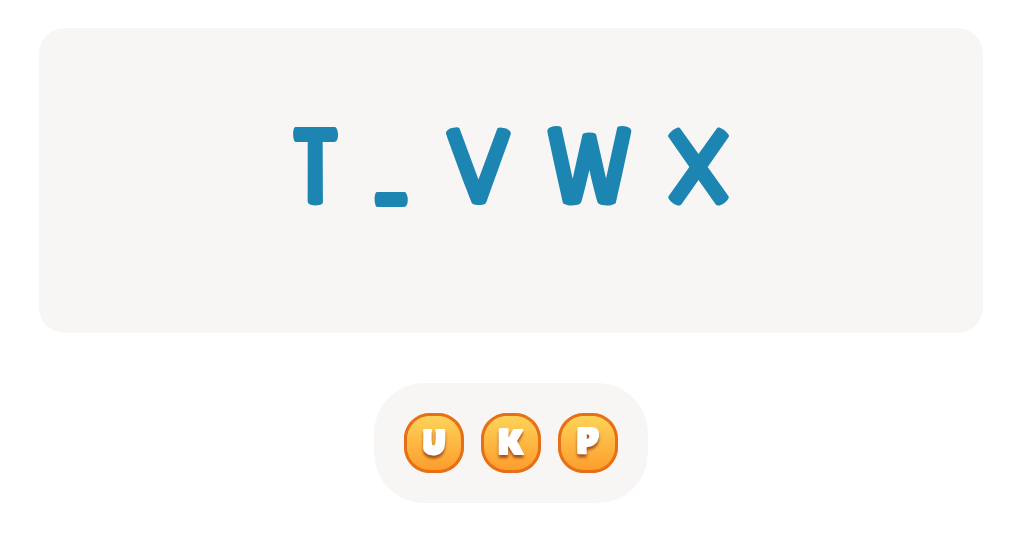
Strengthen kindergarteners' letter recognition with uppercase ABC missing letter worksheets, designed to reinforce understanding of alphabet sequences. These activities focus on identifying and filling in missing letters to complete the sequence. Support your child's learning by discussing the correct order of letters, which enhances familiarity with the alphabet and boosts confidence in letter identification.
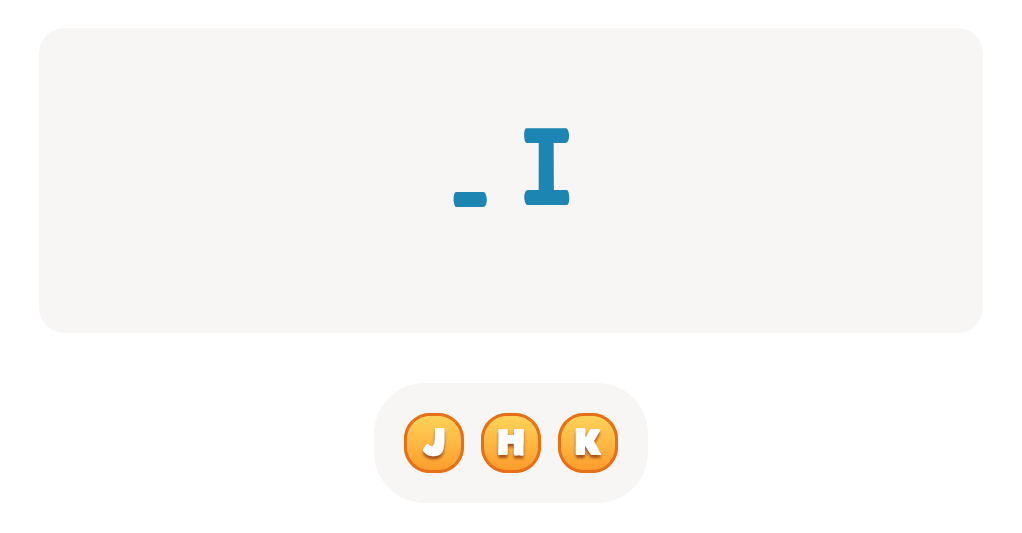
Letter sequencing can be challenging for young learners. These Level 3 worksheets focus on identifying which uppercase letter comes before in the alphabet, aiding in better letter recognition and sequencing skills. Encourage children to practice by singing the alphabet song or using letter flashcards to reinforce learning and build confidence in their literacy skills.
Sequencing uppercase letters can be challenging for kindergarten students. These Level 2 worksheets focus on identifying which letter comes next, supporting the development of alphabetic sequence and recognition skills. Encourage your child by practicing with fun, real-life scenarios, such as alphabet songs, to solidify their understanding and retention of letter order.
Strengthen kindergarteners' sight word recognition with worksheets that focus on identifying missing letters. These activities improve vocabulary and letter recognition, crucial for literacy development. Encourage discussions about the word meanings and contexts, helping children understand how letters fit into words, thereby reinforcing comprehension and fostering language skills.
Support kindergarteners' early literacy with worksheets dedicated to sight word recognition. These exercises help children identify and understand common words, essential for reading fluency. Engage with your child by reading the words aloud and discussing their meanings and uses in sentences, fostering deeper comprehension and confidence in reading.
Sight words are crucial for early reading, but mastering them can be difficult for kindergarteners. These word scramble worksheets engage children by challenging them to arrange letters into key sight words, boosting both recognition and spelling. Encourage your child to use the scrambled words in simple sentences to reinforce their understanding and application of new vocabulary.
Our Name This 2D Shape Worksheets for Kindergarten focus on enhancing geometric recognition and vocabulary skills by teaching children to identify and label basic 2D shapes. These activities support spatial awareness and foundational geometry knowledge. Ideal for parents and educators, this resource aids in developing a strong basis for future mathematical learning and cognitive development.
These worksheets focus on helping kindergarteners improve their vocabulary and shape recognition by naming various shapes. Through these activities, children develop language skills and foundational geometry knowledge, critical for further educational progress. Ideal for educators and parents seeking resources that bolster language acquisition and cognitive development in early learners.
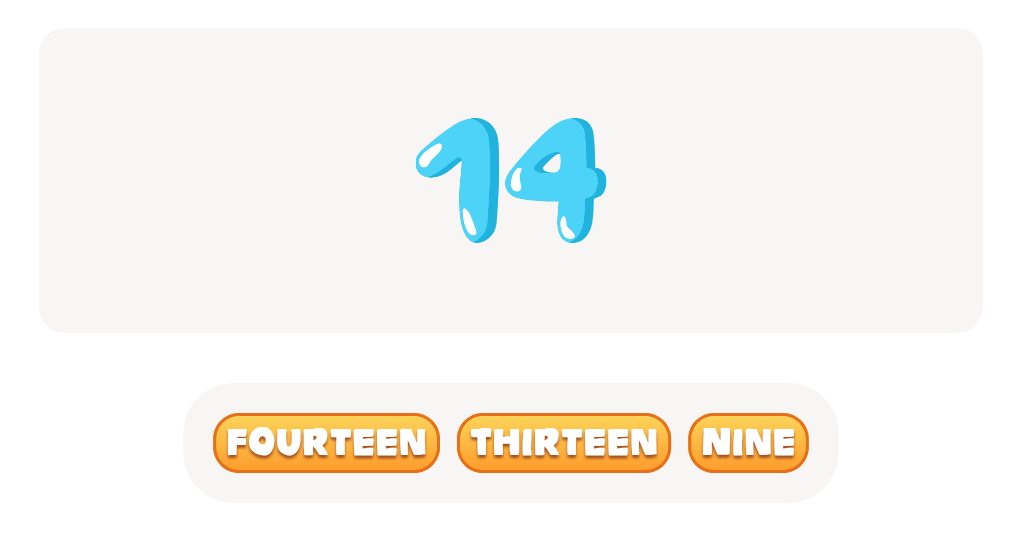
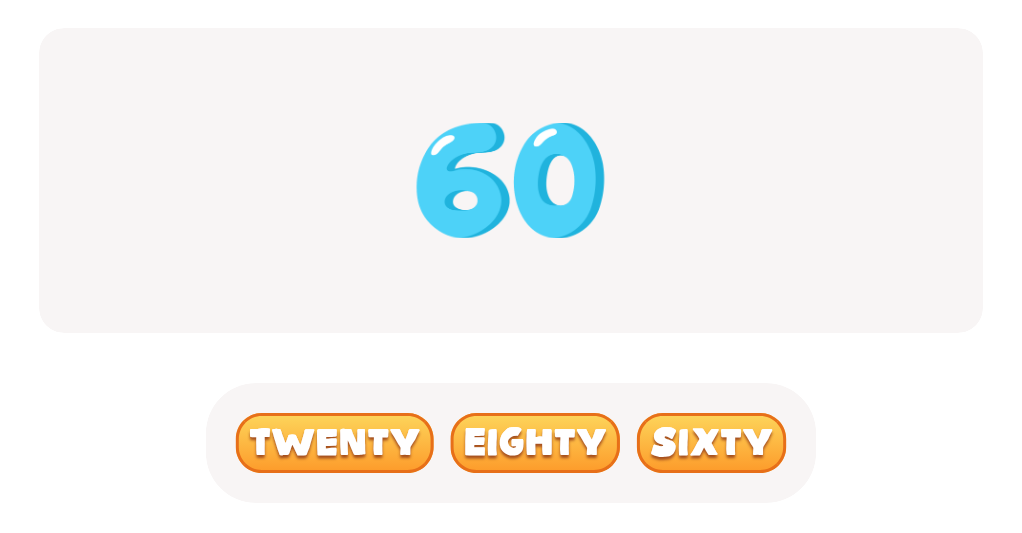
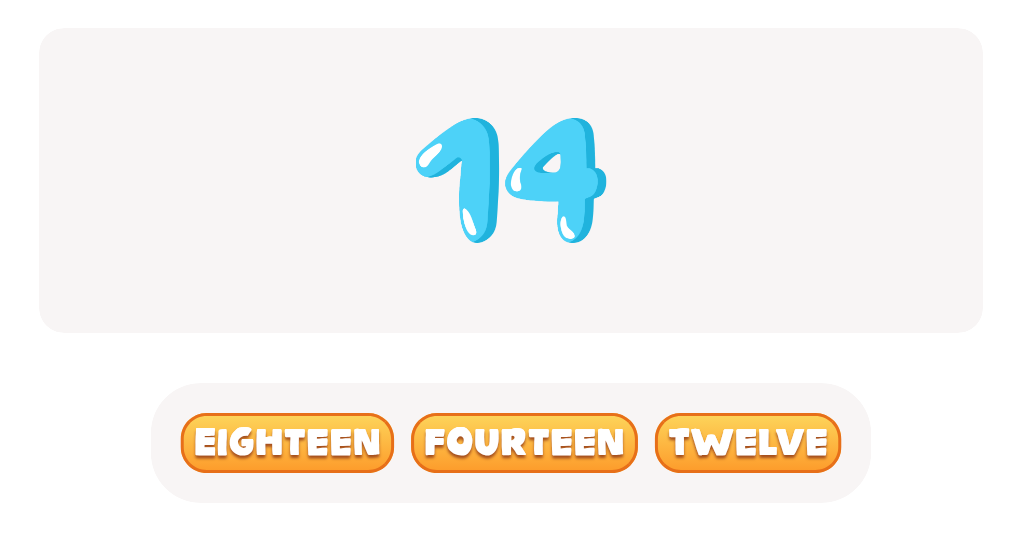
Our Write the Numbers Worksheets for Kindergarten are designed to enhance numeric literacy through structured writing and identification exercises. By practicing numbers, children develop fluency in counting and number formation, setting a solid base for advanced arithmetic learning. Parents and educators can use these materials to build confidence and competence in early math skills.
Access worksheets designed to help kindergarten students practice writing numbers from 0 to 100. These resources support number formation and sequencing skills, which are essential for building a solid mathematical foundation. Educators and parents can utilize these materials to improve students' handwriting proficiency while reinforcing their understanding of numeracy concepts.
Our Write the Numbers from 0 to 20 Worksheets for Kindergarten focus on developing number writing and recognition skills. These exercises reinforce counting proficiency and number sequencing, essential for foundational math learning. Educators and parents can use this resource to support young learners in gaining fluency and confidence in numeracy, setting the stage for advanced mathematical concepts.
These worksheets guide kindergarteners in writing numbers from 10 to 100 by tens, supporting the development of number sequencing and foundational math literacy. By practicing numerical patterns, children improve their understanding of number order and counting skills. Ideal for educators and parents seeking to enrich early math education and strengthen numerical fluency.
These kindergarten worksheets focus on writing numbers from 11 to 19, helping children reinforce their number recognition and early math literacy. By practicing writing and understanding numerical sequences, students build essential skills that support future mathematical learning. Ideal for parents and educators looking to improve foundational numeracy in young learners.