Our preschool geometry worksheets are crafted to help young learners explore basic geometric concepts, emphasizing shape recognition and spatial understanding. Ideal for educators and parents, these resources include structured activities that develop visual recognition and cognitive growth. By grasping the fundamentals of shapes and their properties, children establish a solid foundation for future math success and critical thinking skills.
Conduct a pre-assessment to measure preschool students' understanding of geometry concepts, such as shape recognition and spatial awareness, before beginning a structured learning unit. This evaluation assists educators and parents by highlighting existing knowledge and identifying areas for improvement, facilitating the development of personalized teaching strategies that align with each child's learning needs.
Help preschool children differentiate between 2D and 3D shapes with worksheets designed to improve spatial awareness and shape recognition. These exercises are crucial for developing foundational math skills, providing a strong basis in geometry. Ideal for parents and educators, these activities support cognitive growth and prepare young learners for more advanced mathematical challenges.
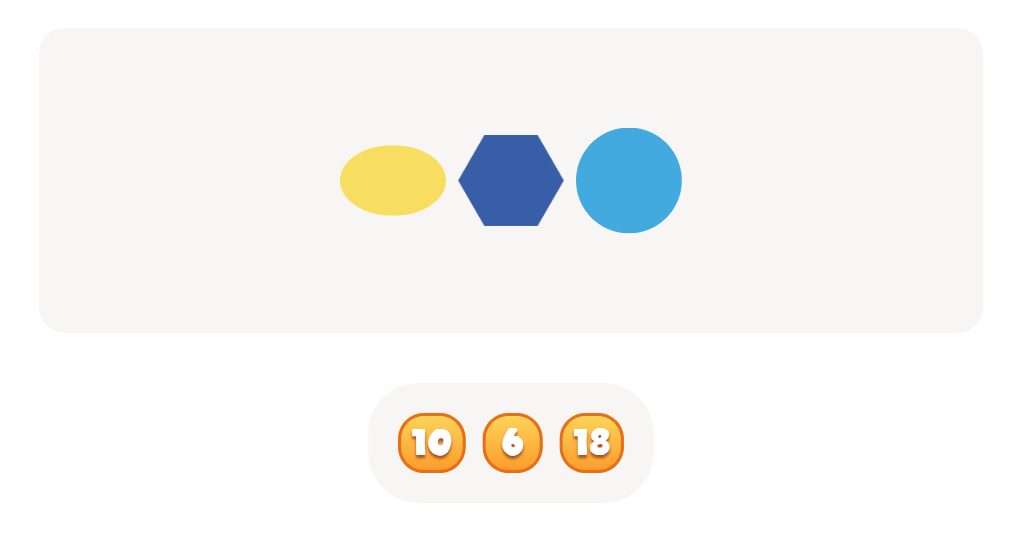
Identifying and counting angles in 2D shapes is fundamental for preschool math. These worksheets guide children in recognizing basic shapes and understanding their properties, enhancing spatial awareness and geometry skills. Encourage your child to observe and count angles in everyday objects, reinforcing their learning and helping them connect geometric concepts to the real world.
Enhance preschoolers' geometry skills with worksheets focused on recognizing and counting angles in 2D shapes. These activities build foundational math and spatial awareness. Encourage your child to observe and count angles in everyday objects to reinforce learning.
Explore worksheets designed to enhance preschoolers' recognition of 2D shapes and counting abilities. These resources target geometric awareness and number proficiency, facilitating foundational math comprehension. By engaging with these tasks, children strengthen spatial reasoning and quantitative skills, laying the groundwork for advanced mathematical concepts.
Understanding 2D shapes is a key preschool skill. These worksheets focus on counting the sides of basic shapes, enhancing children's grasp of geometry. Support learning by encouraging your child to find and count shapes in everyday objects, reinforcing their understanding and making math relatable. This practice helps lay a solid mathematical foundation.
Help preschoolers identify and count sides of 2D shapes with these worksheets, enhancing spatial awareness and foundational geometry skills. Engage your child by using real-world objects to reinforce shape recognition and side counting during everyday play.
Access our preschool worksheets focused on distinguishing between 3D and 2D shapes, enhancing spatial awareness and foundational geometry skills. Designed for educators and parents, these exercises guide young learners in identifying and understanding shape properties. By improving recognition abilities, children build a solid foundation for more advanced mathematical concepts and spatial reasoning in their educational journey.
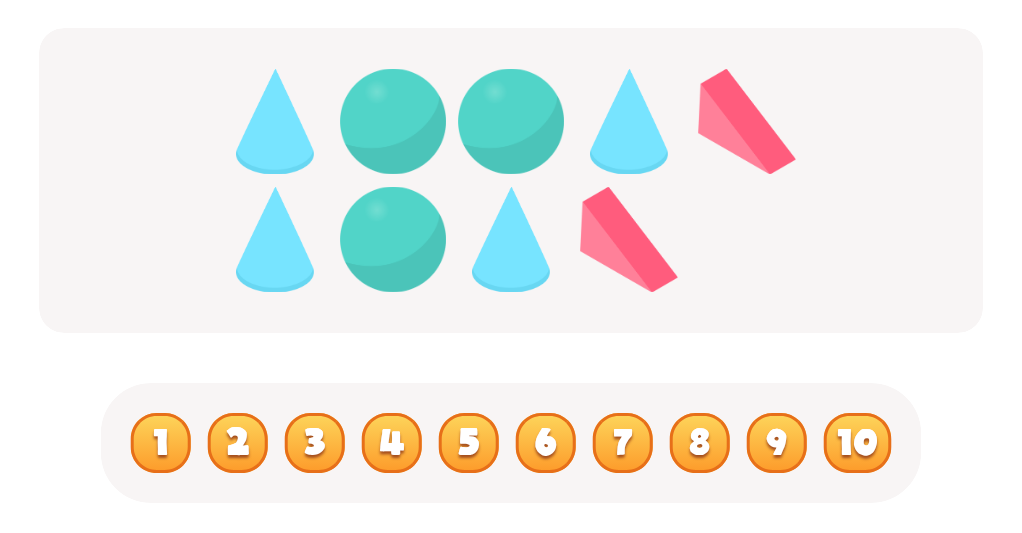
Help preschool children explore the world of 3D shapes with worksheets focused on recognition and counting. Designed to boost spatial awareness and numerical understanding, these resources provide a solid base for future math education. Ideal for parents and educators, these activities foster geometric comprehension and counting skills, preparing young learners for more complex arithmetic and spatial challenges.
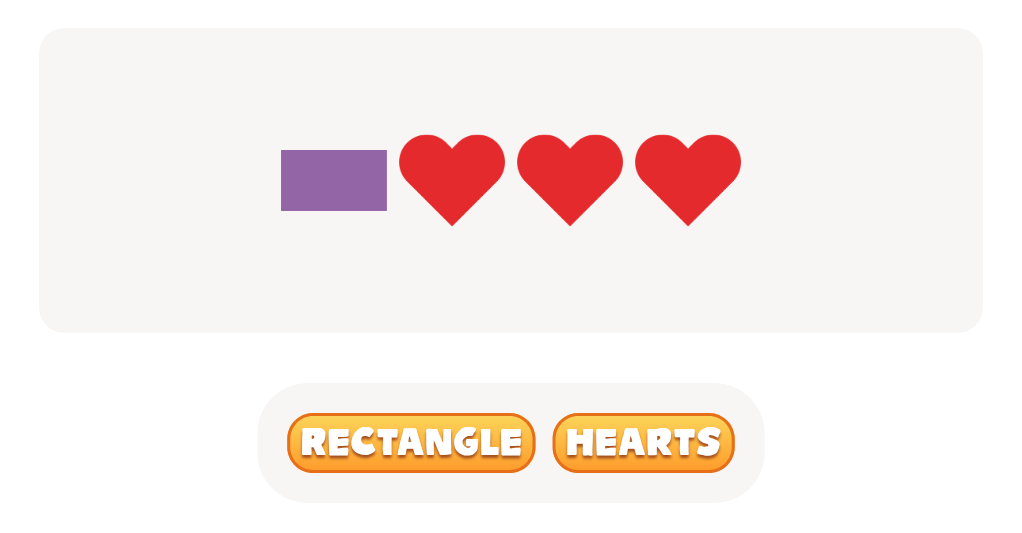
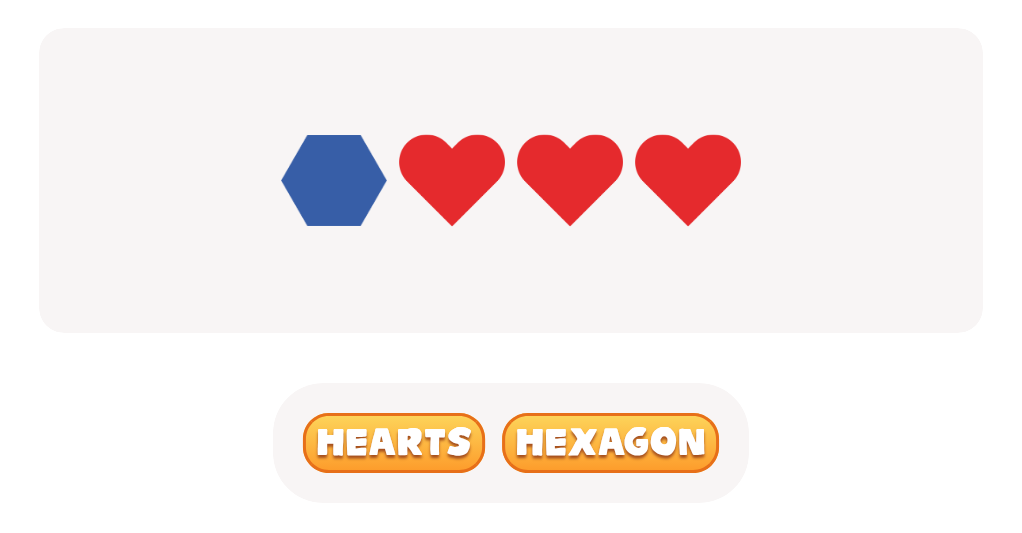
Enhance preschool students' abilities to discern differences between objects through engaging worksheets designed to boost critical thinking and visual discrimination skills. These exercises are crucial for building a foundational understanding of math concepts. Perfect for educators and parents, this resource aids in developing analytical skills, ensuring young learners are well-prepared for future problem-solving tasks and academic achievements.
Our Exactly the Same or Not Worksheets for Preschool are designed to develop children's visual discrimination and cognitive skills by identifying similarities and differences between items. This foundational practice aids in enhancing critical thinking and attention to detail. Parents and educators can use these worksheets to support early learning and prepare young learners for more complex problem-solving tasks.
This geometry review quiz assesses preschoolers' understanding of shapes and spatial relations after completing the unit. It enables educators and parents to evaluate mastery of geometric concepts, ensuring children can identify and differentiate between various shapes. Results provide valuable insights for targeting areas needing reinforcement, supporting continuous learning development.