Color recognition Nursery Rhymes Coloring Pages Worksheets for Ages 3-6
3 filtered results
Difficulty Level
Grade
Age
-
From - To
Subject
Activity
Standards
Discover our engaging Color Recognition Nursery Rhymes Coloring Pages Worksheets designed specifically for children aged 3-6! These fun and interactive resources combine the joy of coloring with the enchanting world of nursery rhymes, helping young learners identify and differentiate colors while enhancing their fine motor skills. Each worksheet features delightful illustrations that stimulate creativity and imagination, making learning enjoyable. Perfect for home or classroom use, this collection offers a playful approach to develop essential color recognition abilities in early childhood. Download and print today to spark your child’s love for learning through art and rhyme!
Favorites
With answer key
Interactive
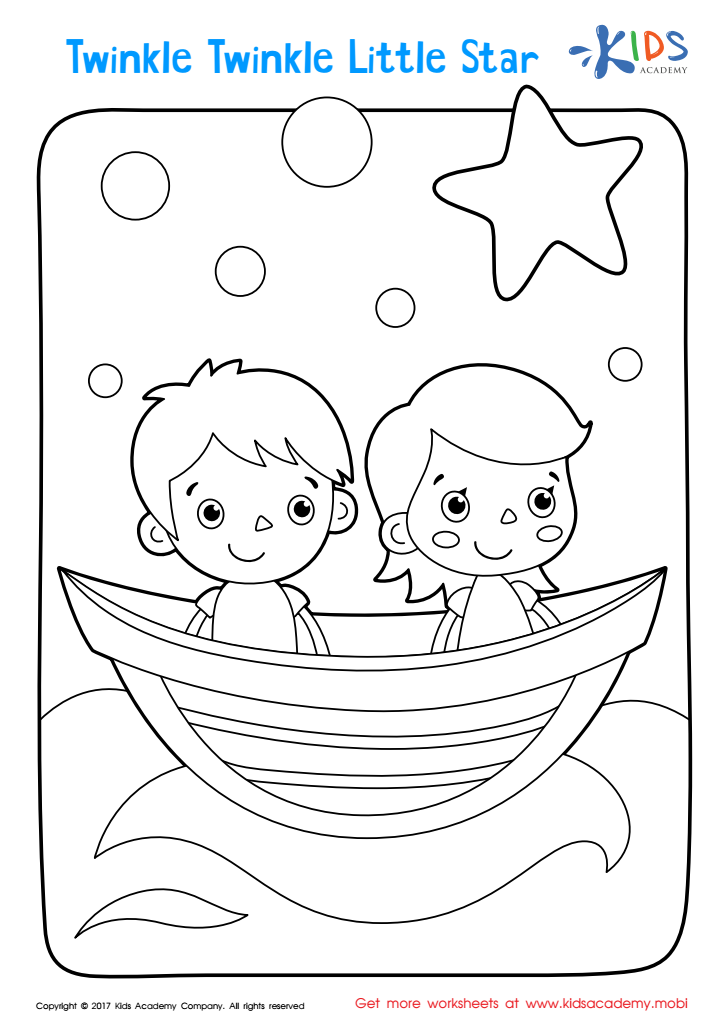
Twinkle Twinkle Little Star Coloring Page
Let your child wish upon a star as they color this scene of boy and girl stargazing. Sing Twinkle Twinkle Little Star while they choose colors to show the star twinkling in the night sky.
Download (PDF)
 Assign to My Students
Assign to My Students
Twinkle Twinkle Little Star Coloring Page
Worksheet
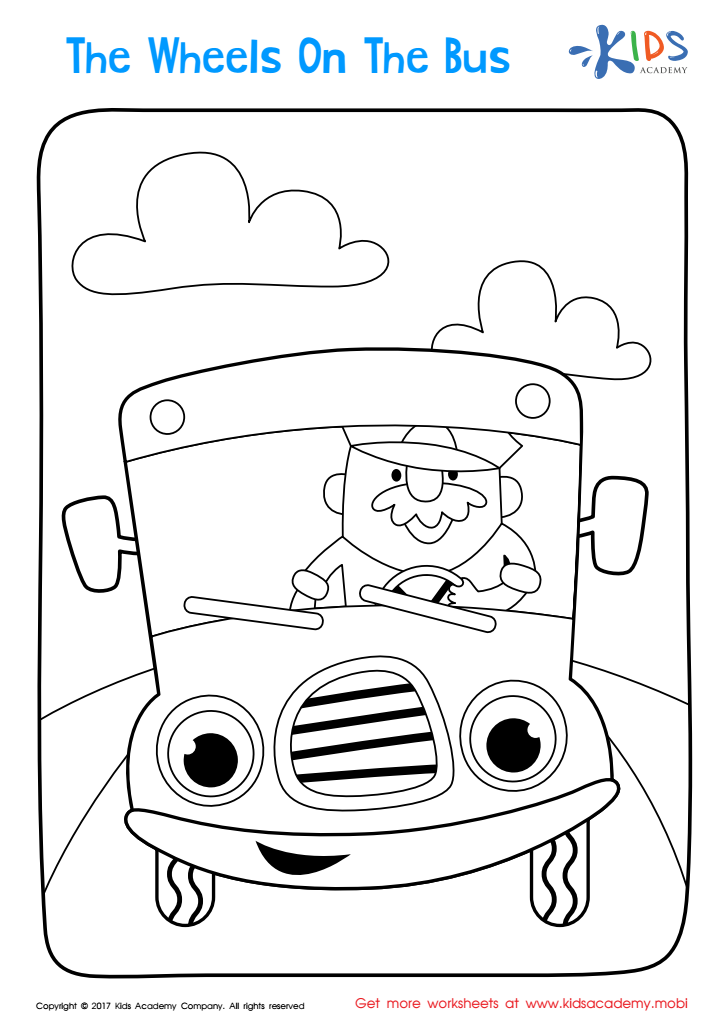
The Wheels on the Bus Coloring Page
Colour and sing with this printable Wheels on the Bus page! Let your child have fun singing the song with you as they colour. It'll make the activity even more entertaining and memorable.
Download (PDF)
Assign to My Students
Assign to My Students
The Wheels on the Bus Coloring Page
Worksheet
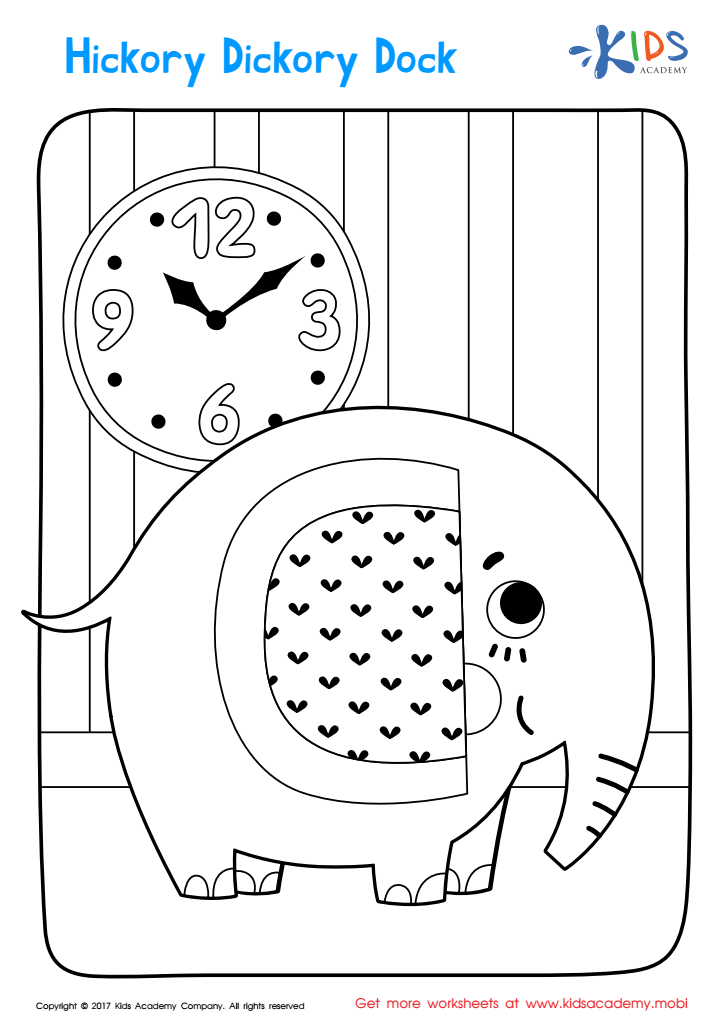
Hickory Dickory Dock Coloring Page
Sing and color with your child! Enjoy the classic nursery rhyme Hickory Dickory Dock as they color this fun printable. Watch the elephant climb and crash down the clock in the final part of the song. It's sure to bring smiles and giggles!
Download (PDF)
Assign to My Students
Assign to My Students
Hickory Dickory Dock Coloring Page
Worksheet
Join Kids Academy for Free
Who is primarily going to use this learning content?





Parents and teachers should care about Color Recognition Nursery Rhymes Coloring Pages for children ages 3-6 because these resources play a crucial role in early childhood development. At this stage, children are naturally curious and eager to explore their surroundings. Engaging them with coloring pages that incorporate vibrant colors not only captures their attention but also helps facilitate color recognition, an essential cognitive skill.
Color recognition aids in developing children’s vocabulary, as they learn to associate words with colors, enriching their communication skills. Furthermore, by using nursery rhymes, these coloring pages integrate rhythm and melody, fostering auditory learning and memory skills. The combination of visual and auditory stimuli enhances comprehension and retention, making learning enjoyable and effective.
Additionally, coloring activities promote fine motor skills and hand-eye coordination as children grasp crayons and navigate within lines. These tasks boost dexterity, which is fundamental for writing in later years. Most importantly, incorporating fun and creativity into learning cultivates a positive attitude toward education from an early age, preparing children for future academic endeavors. Thus, Color Recognition Nursery Rhymes Coloring Pages serve not only as entertaining activities but as valuable educational tools that support holistic development.