Developing observation skills Worksheets for Ages 3-6
5 filtered results
-
From - To
Explore our collection of "Developing Observation Skills Worksheets" designed for children ages 3-6. These engaging, age-appropriate worksheets help young learners enhance their ability to notice details, recognize patterns, and improve focus. Each worksheet features colorful illustrations and interactive activities that make learning fun and effective. These resources aim to boost critical thinking and foster curiosity in early learners, paving the way for academic success. Perfect for home or classroom use, our worksheets support parents and educators in nurturing the essential observation skills children need as they grow. Start your child’s adventure towards becoming a keen observer today!
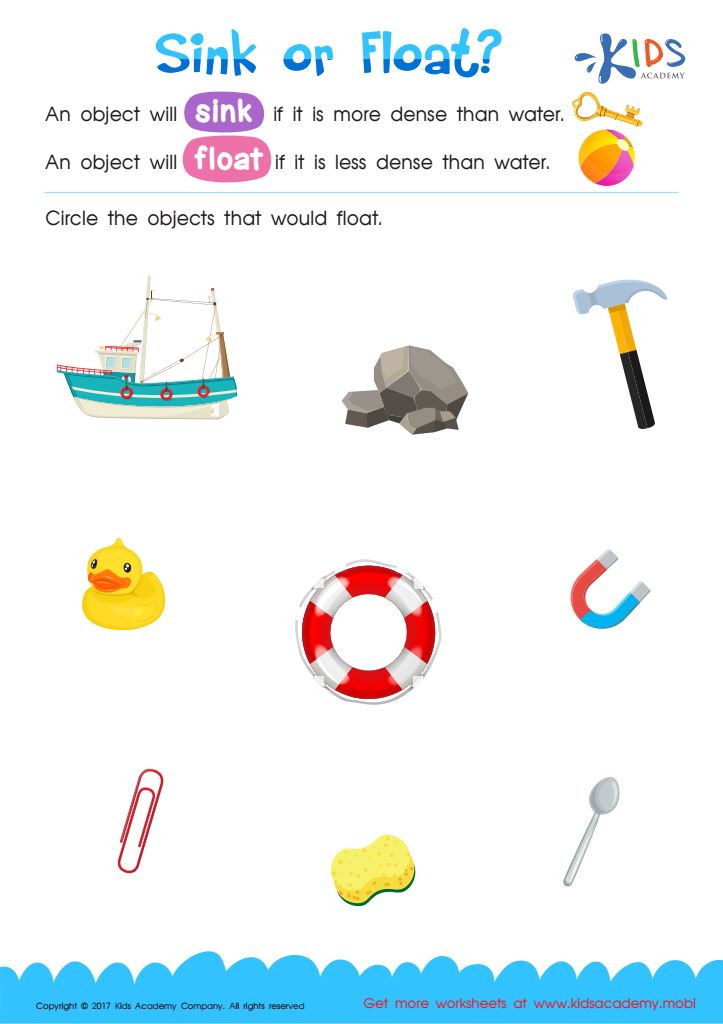
Sink or Float Printable
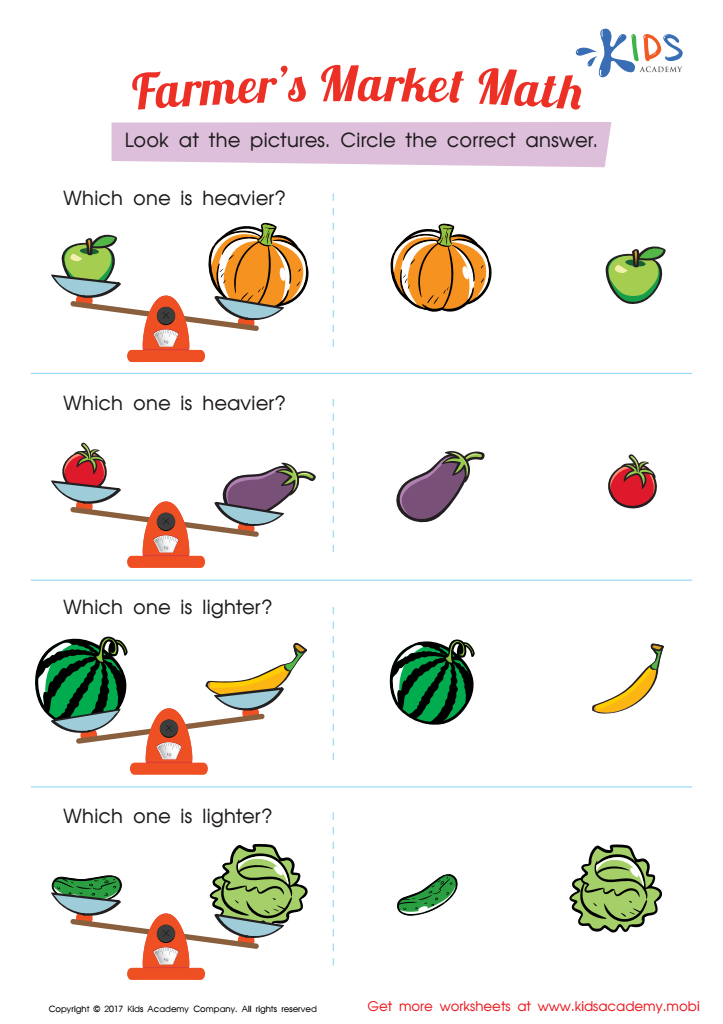
Which One Is Heavier Worksheet
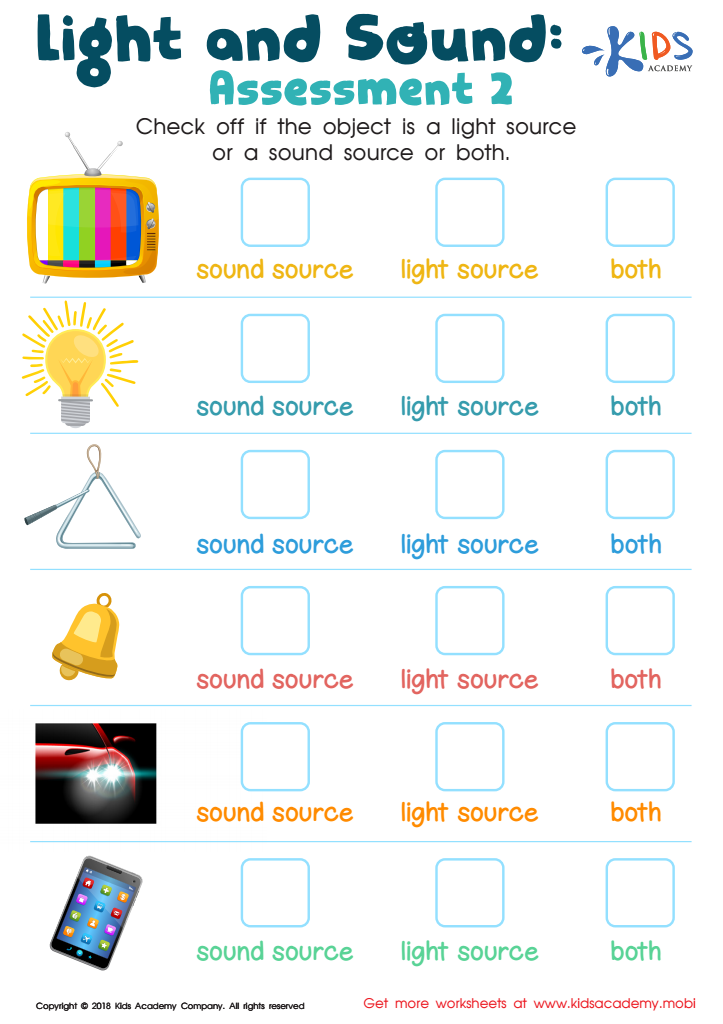
Light and Sound: Assessment 2 Worksheet
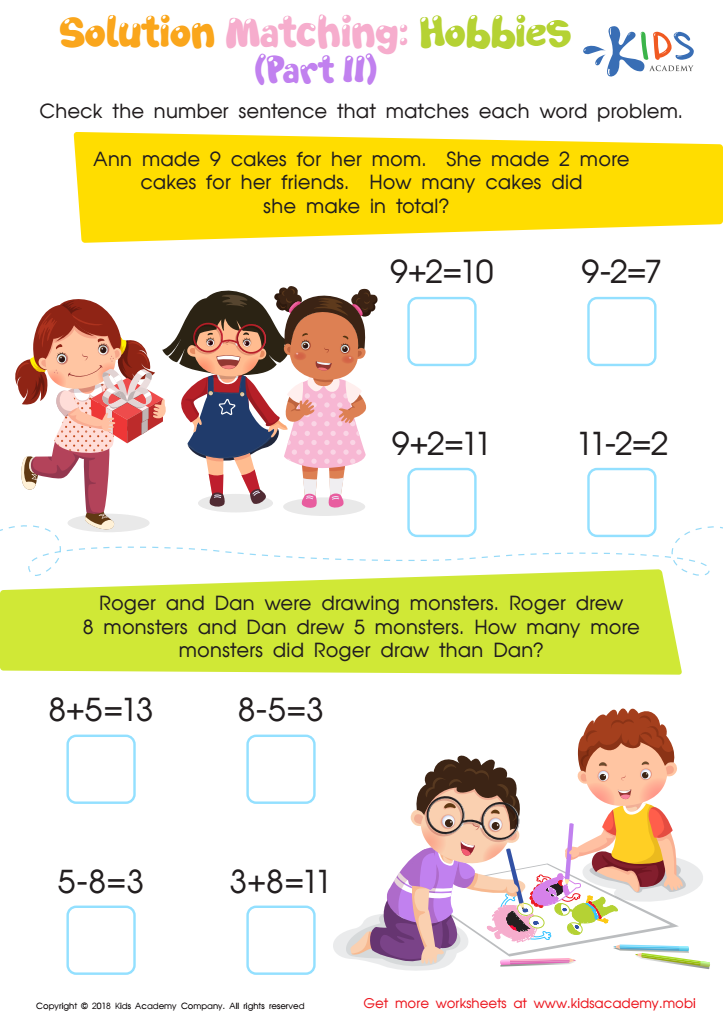
Solution Matching: Hobbies. Part 2 Worksheet
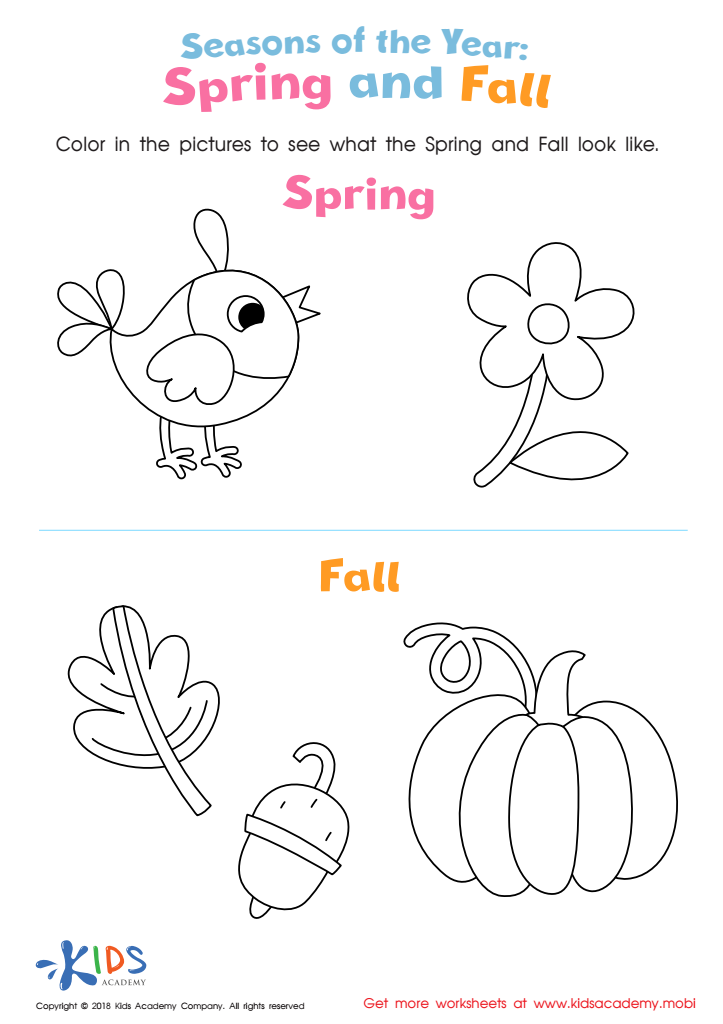
Spring and Fall Worksheet
 Assign to My Students








Developing observation skills in children ages 3 to 6 is crucial for several reasons. During these formative years, children are naturally curious and engaged with their environment, making it the perfect time to enhance their attention to detail and critical thinking. Observation skills allow young children to make sense of the world around them, fostering cognitive development as they learn to notice differences, predict outcomes, and understand relationships between objects and people.
Moreover, strong observation skills are foundational for language development. When children learn to observe carefully, they expand their vocabulary and improve their communication skills, as they become more adept at describing what they see, hear, and feel. This natural inclination to observe helps lay the groundwork for more complex analytical skills needed in later years.
Parents and teachers play a vital role in this process. By encouraging inquisitive behavior, engaging in discussions about what children observe, and providing diverse learning opportunities, adults can help cultivate these essential skills. This not only supports children’s academic readiness but also promotes social-emotional growth by enabling better understanding of others’ feelings and perspectives. Ultimately, observation skills empower children to become thoughtful, independent learners as they grow.








