
Enhance vocabulary skills Worksheets for Ages 3-6
3 filtered results
Difficulty Level
Grade
Age
-
From - To
Subject
Activity
Standards
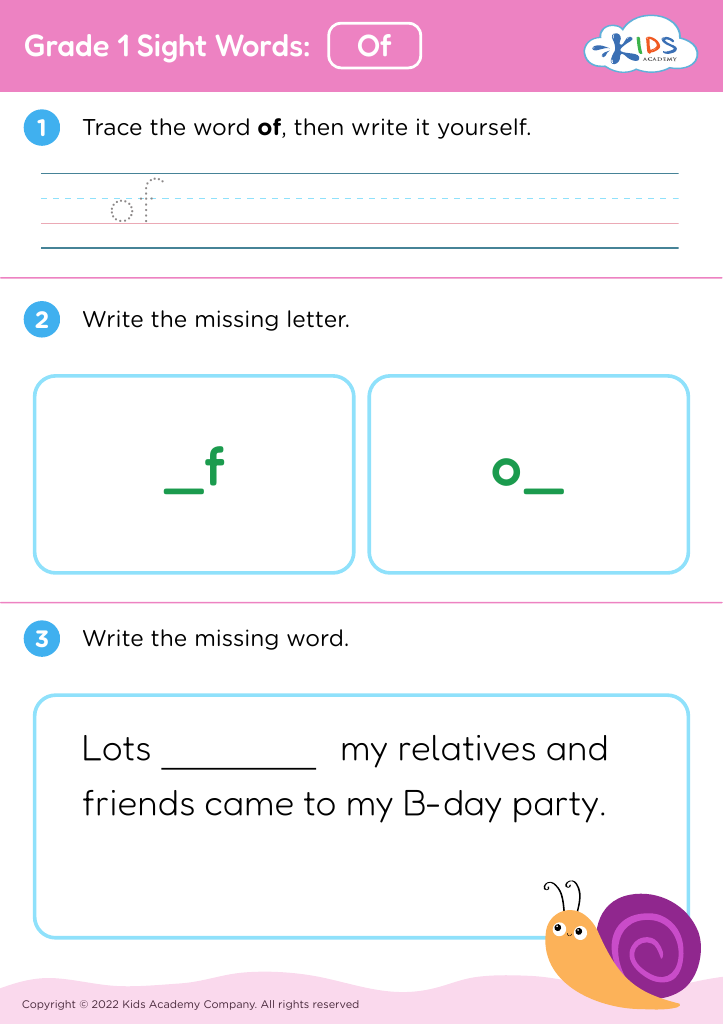
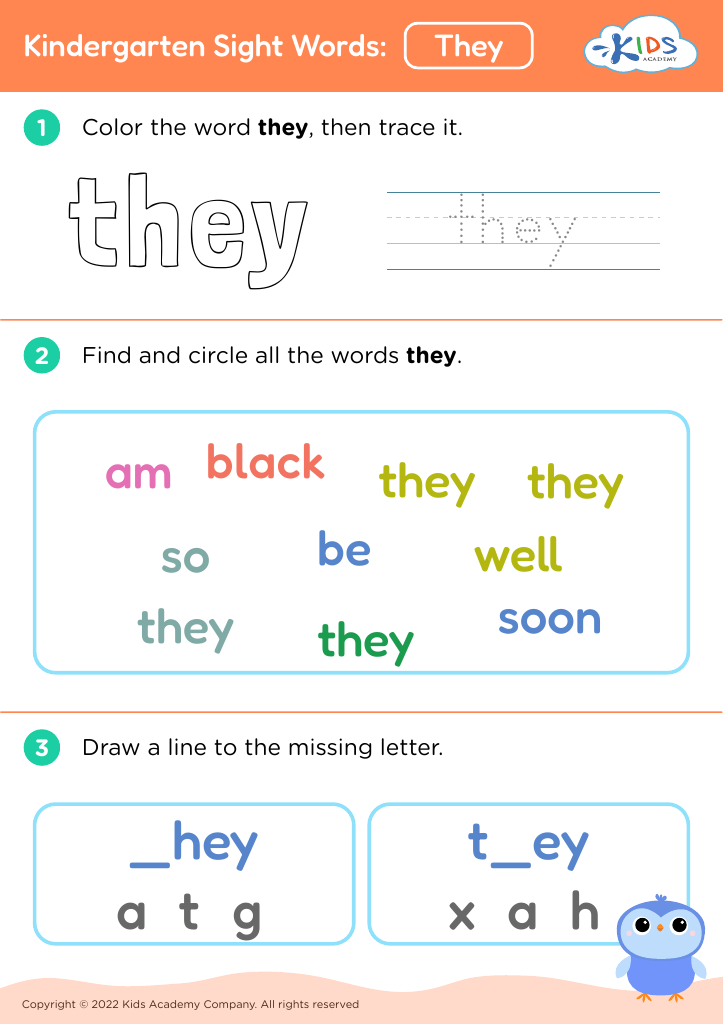
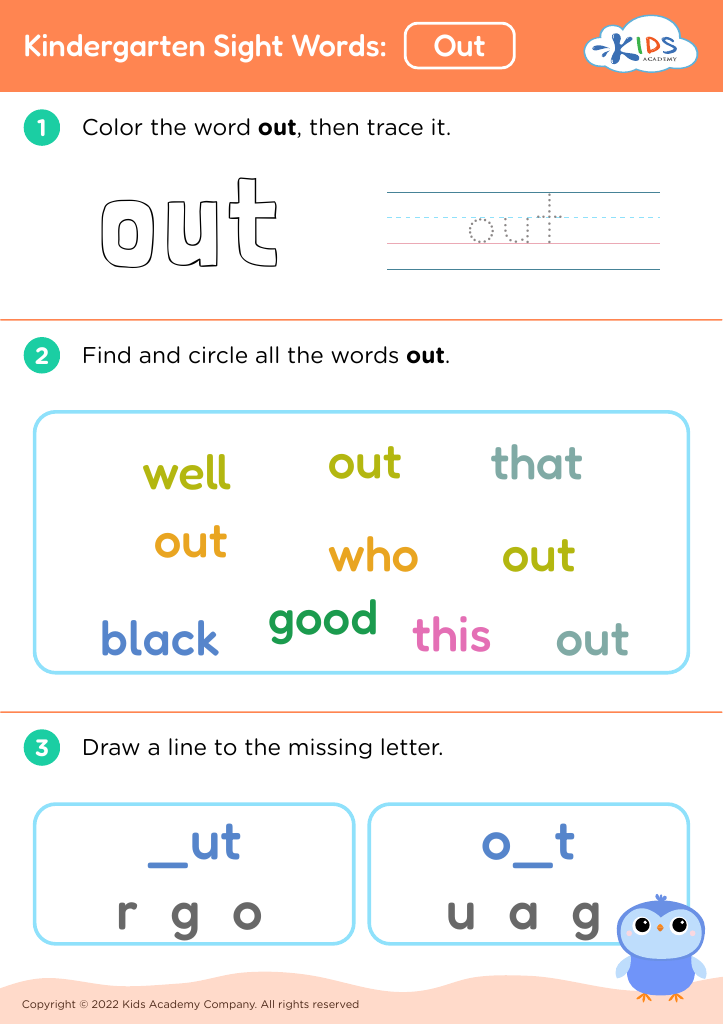
Boost your child's language development with our Engage Vocabulary Skills Worksheets, designed for ages 3-6. These engaging worksheets provide a fun and interactive way for young learners to expand their vocabulary. Each activity is crafted to introduce new words and reinforce understanding through playful illustrations and contextual exercises. Whether it's matching words with pictures or forming simple sentences, children will cultivate essential speaking and writing skills while enhancing their language comprehension. Perfect for home or classroom use, our vocabulary worksheets support early literacy in an enjoyable way, setting the stage for a lifelong love of learning. Explore our collection today!
Favorites
With answer key
Interactive
Join Kids Academy for Free
Who is primarily going to use this learning content?








Enhancing vocabulary skills in children ages 3-6 is crucial for their early development and future success. At this age, children are rapidly absorbing language, making it a prime time for vocabulary expansion. A rich vocabulary not only supports effective communication, but also enhances cognitive abilities, critical thinking, and comprehension skills. The more words children know, the easier it becomes for them to express their thoughts and feelings, which fosters emotional intelligence and social interactions.
Moreover, strong vocabulary skills are linked to better literacy outcomes. Early exposure to a diverse range of words prepares young learners for reading readiness, literacy progression, and academic achievement later on. Children with expansive vocabularies typically outperform their peers in school settings, setting the foundation for lifelong learning.
Finally, active parental and teacher involvement in fostering vocabulary development encourages a love of language and learning. Engaging in conversations, reading diverse books, and playing word games not only enrich vocabulary but also strengthen the bond between adults and children. For these reasons, prioritizing vocabulary enhancement is essential in nurturing confident, articulate, and capable individuals who are prepared to navigate the complexities of language and communication in their lives.








