
Enhancing fine motor skills Worksheets for Ages 3-6
4 filtered results
Difficulty Level
Grade
Age
-
From - To
Subject
Activity
Standards
Unlock your child's potential with our "Enhancing Fine Motor Skills Worksheets" designed for ages 3-6! These engaging and vibrant worksheets focus on developing essential fine motor skills through fun activities like tracing, cutting, and coloring. Tailored for early learners, our resources promote hand-eye coordination and dexterity while keeping children entertained. Parents and educators can use these worksheets to support students' growth in a playful, nurturing environment. Perfect for preschool or at-home learning, our fine motor skills worksheets ensure your little ones build confidence and readiness for future academic challenges. Download today and watch your child’s skills flourish!
Favorites
With answer key
Interactive
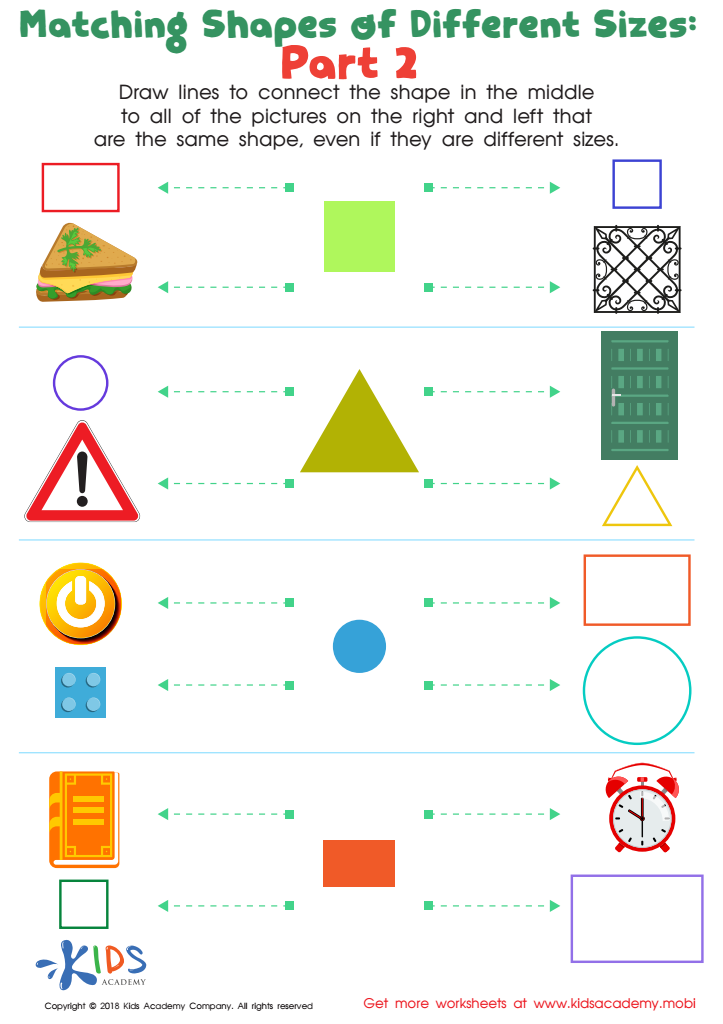
Geometry: Part 2 Worksheet
Third grade geometry gets a challenge with this free worksheet. Kids match shapes to everyday objects like sandwiches, alarm clocks and books for a better understanding of geometry in their lives. Printable pdf is included.
 Assign to My Students
Geometry: Part 2 Worksheet
Worksheet
Join Kids Academy for Free
Who is primarily going to use this learning content?








Enhancing fine motor skills in children aged 3-6 is crucial for their overall development and future success. These skills involve the ability to use small muscles, particularly in the hands and fingers, which are essential for various everyday tasks. Parents and teachers should prioritize fine motor skill development as it lays the foundation for academic readiness and independence.
Fine motor skills are vital for tasks such as writing, drawing, cutting with scissors, and buttoning clothes. Improved dexterity not only boosts children’s confidence in their abilities but also fosters a sense of achievement. Engaging in activities that strengthen these skills—such as playing with building blocks, drawing, and engaging with arts and crafts—promotes cognitive development by encouraging problem-solving and hand-eye coordination.
Furthermore, fine motor skill development is linked to later literacy and numeracy skills. Children who struggle with these skills may face challenges in writing and participating in classroom activities. By investing time in enhancing fine motor skills, parents and teachers play a pivotal role in ensuring that children are well-prepared for school, boosting their academic potential and encouraging lifelong learning habits. Therefore, supporting this aspect of development should be a high priority for both caregivers and educators.








