Improve vocabulary Worksheets for Ages 3-6
4 filtered results
-
From - To
Discover a treasure trove of engaging "Improve Vocabulary" worksheets designed specifically for children ages 3-6! Our interactive worksheets offer vibrant illustrations and relatable themes that capture young minds, making vocabulary building fun and effective. Each activity is crafted to enhance language skills through playful exercises, including matching words to pictures, fill-in-the-blanks, and vocabulary games. These resources not only support early literacy development but also encourage creativity and critical thinking. Perfect for parents and teachers alike, our worksheets aim to make learning an enjoyable journey. Explore our collection and watch your child's vocabulary flourish! Unlock their potential today!

Homes Worksheet
 Assign to My Students
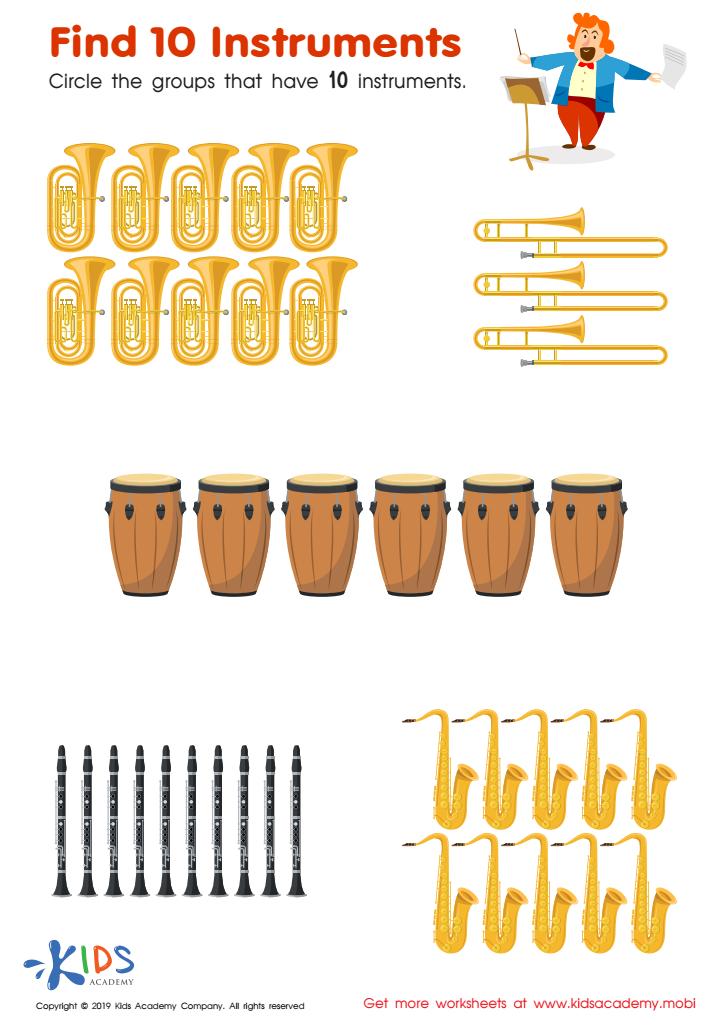
Find 10 Instruments Worksheet
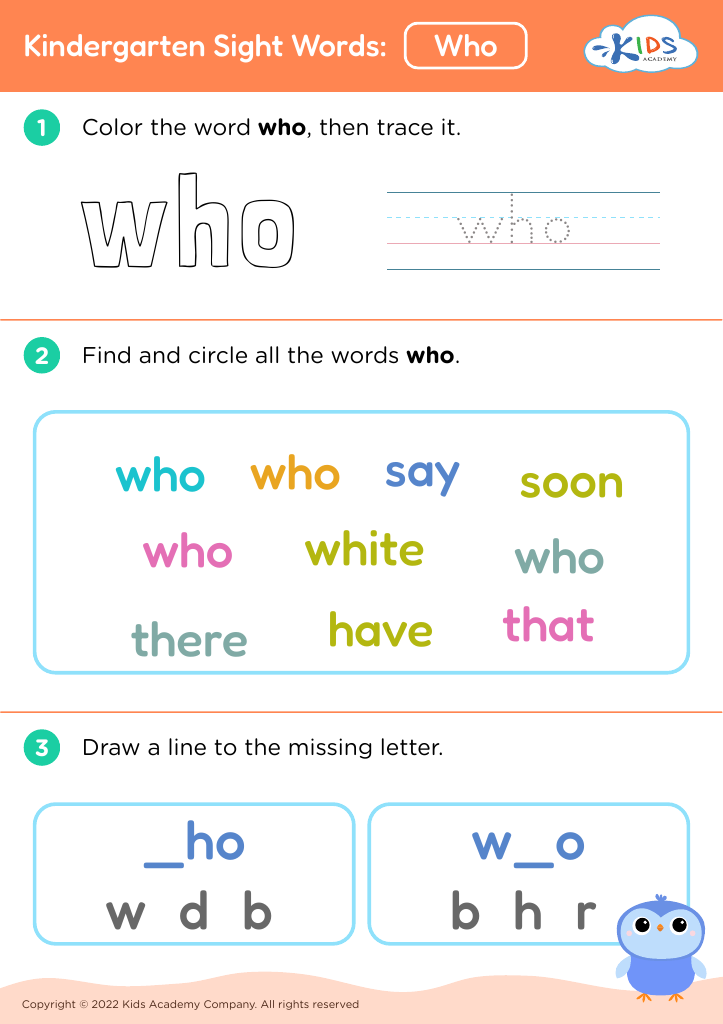








%20(1).jpg)
Improving vocabulary in children ages 3-6 is crucial for their overall development and success in literacy. During these formative years, children are rapidly absorbing language, and a robust vocabulary lays the foundation for effective communication. When parents and teachers invest time in expanding a child's vocabulary, they foster better listening and speaking skills, enabling children to express their thoughts and emotions more clearly.
A rich vocabulary enhances comprehension, making it easier for young learners to understand stories, instructions, and conversations. This understanding is vital for academic performance, especially as they progress into reading and writing skills. Furthermore, a well-developed vocabulary can boost a child's confidence in social interactions and contribute to building meaningful relationships.
Engaging in vocabulary-building activities, such as reading aloud, playing word games, and encouraging conversations, can create a positive learning environment. Additionally, vocabulary development is linked to cognitive skills, helping children think critically and solve problems.
By prioritizing vocabulary improvement, parents and teachers not only equip children with essential tools for academic success but also nurture a lifelong love for learning and language, paving the way for future opportunities and personal growth. Investing in vocabulary development is an investment in a child's future.








