Number counting Worksheets for Ages 3-6
3 filtered results
-
From - To
Explore our engaging Number Counting Worksheets designed specifically for children ages 3-6! These interactive resources support early math skills development, helping young learners grasp the fundamentals of counting. Each worksheet features vibrant illustrations and age-appropriate activities that make practicing numbers both fun and effective. From counting objects to matching numbers, our worksheets offer a variety of exercises that cater to different learning styles. Perfect for home or classroom use, these tools foster a love for math while encouraging cognitive growth and fine motor skills. Download your free worksheets today and make learning to count an enjoyable experience for your little ones!
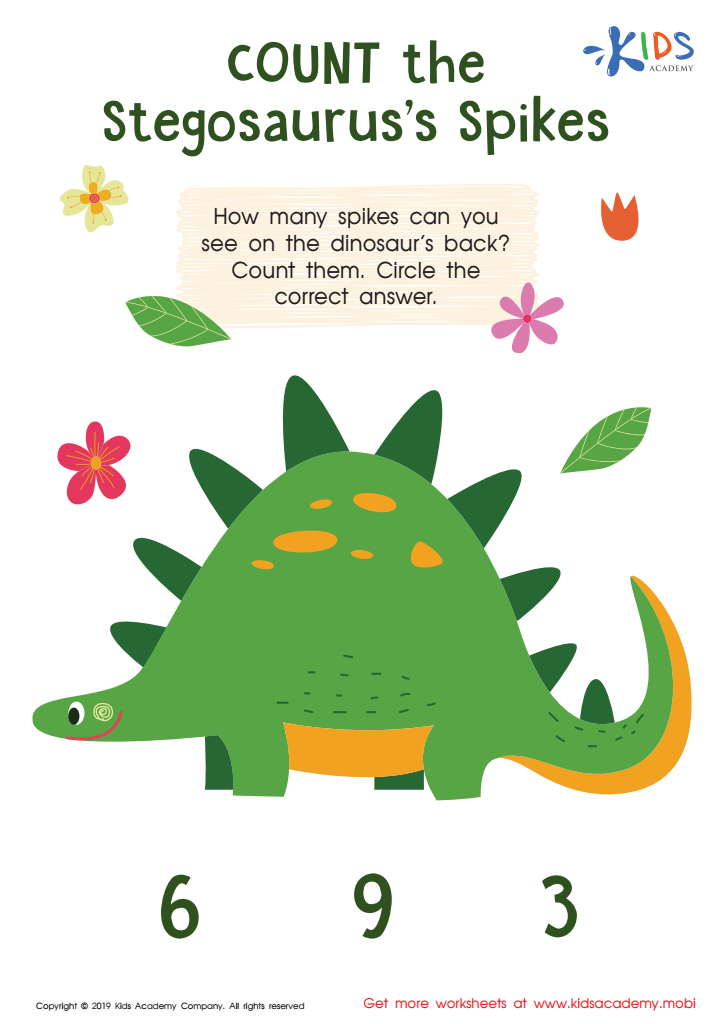
Count the Stegosaurus's Spikes Worksheet
 Assign to My Students
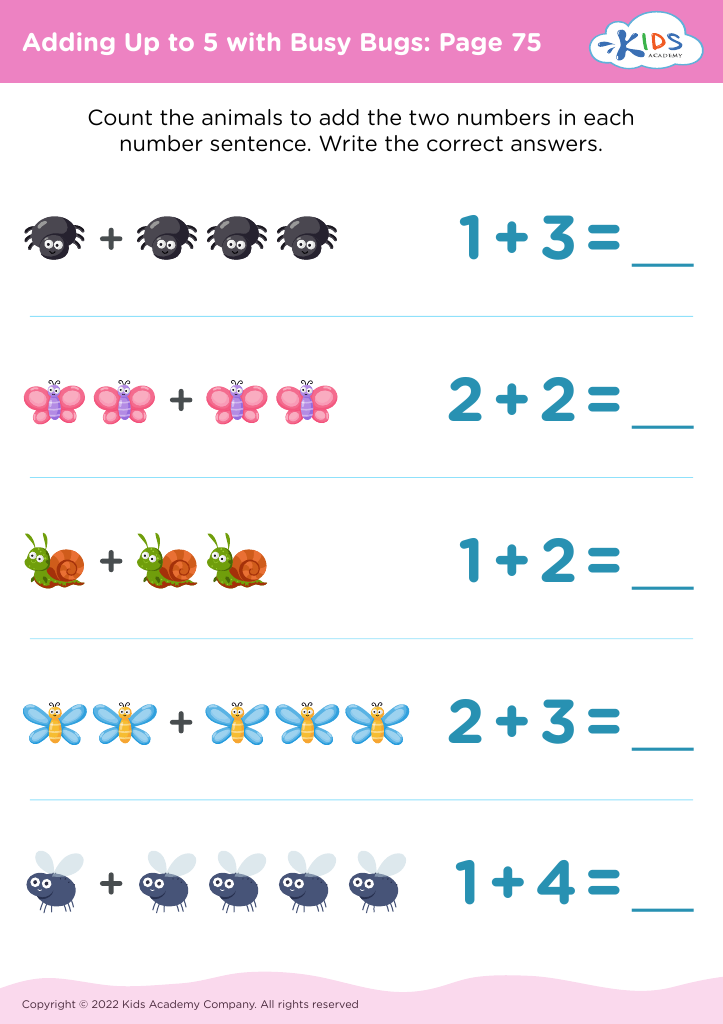
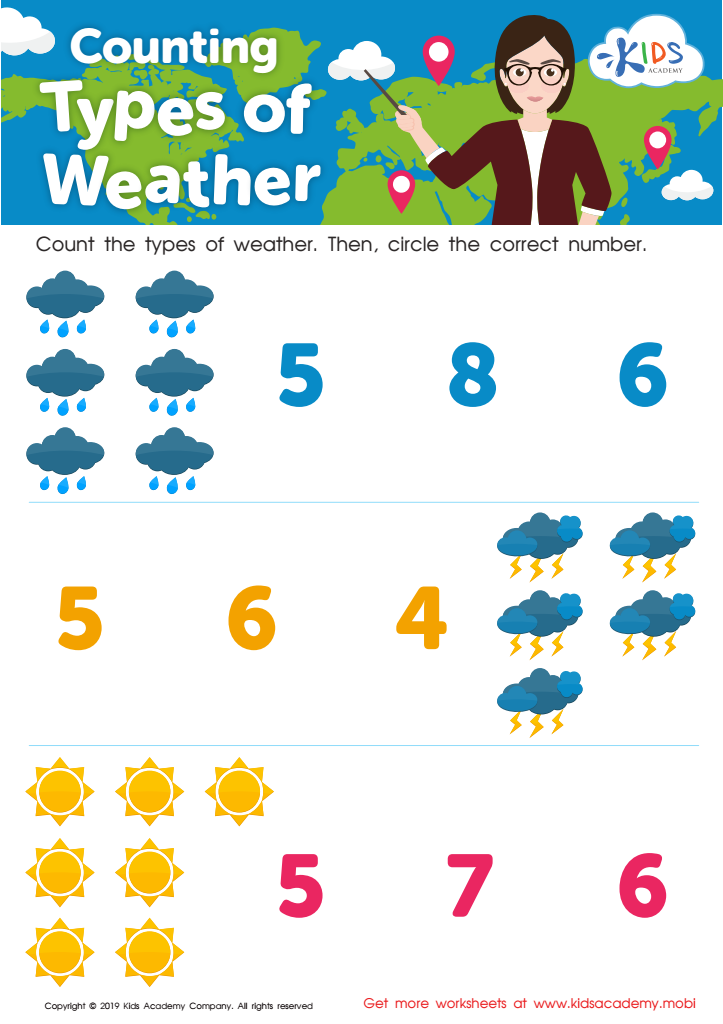
Counting Types of Weather Worksheet







Number counting is a foundational skill that plays a crucial role in a child’s development, especially for ages 3-6. At this stage, early mathematical understanding lays the groundwork for future learning. Engaging with numbers helps children develop critical cognitive skills, including problem-solving, logical thinking, and spatial awareness.
Furthermore, counting enhances their linguistic skills as they learn to associate words with quantities. It encourages pattern recognition, which is essential for more advanced math concepts later in life. These early experiences foster a positive attitude toward math, making children more confident in their abilities as they progress in school.
Parents and teachers should also recognize that counting activities can be embedded in everyday life, making learning both fun and relevant. By incorporating counting into play, storytelling, or daily routines, adults can promote an enjoyable learning environment that can ignite a lifelong interest in numeracy.
Moreover, understanding numbers often correlates with overall academic success and contributes to children’s emotional and social development. Thus, fostering counting skills not only prepares young minds for future academic challenges but also supports their holistic growth as enthusiastic learners.








