Observation skills Worksheets for Ages 3-6
9 filtered results
-
From - To
Enhance your child's observation skills with our engaging worksheets designed for ages 3-6! These fun, interactive activities encourage young learners to focus attention, critically analyze, and detail their surroundings through visual tasks. Each worksheet promotes cognitive development by fostering skills such as pattern recognition, matching, sorting, and comparing objects. Perfect for at-home learning or classroom reinforcement, these resources aid in building foundational skills essential for preschool and early elementary education. Dive into delightful exercises that stimulate curiosity and support essential learning while helping children just beginning to explore the world around them. Start nurturing mindful observation today!
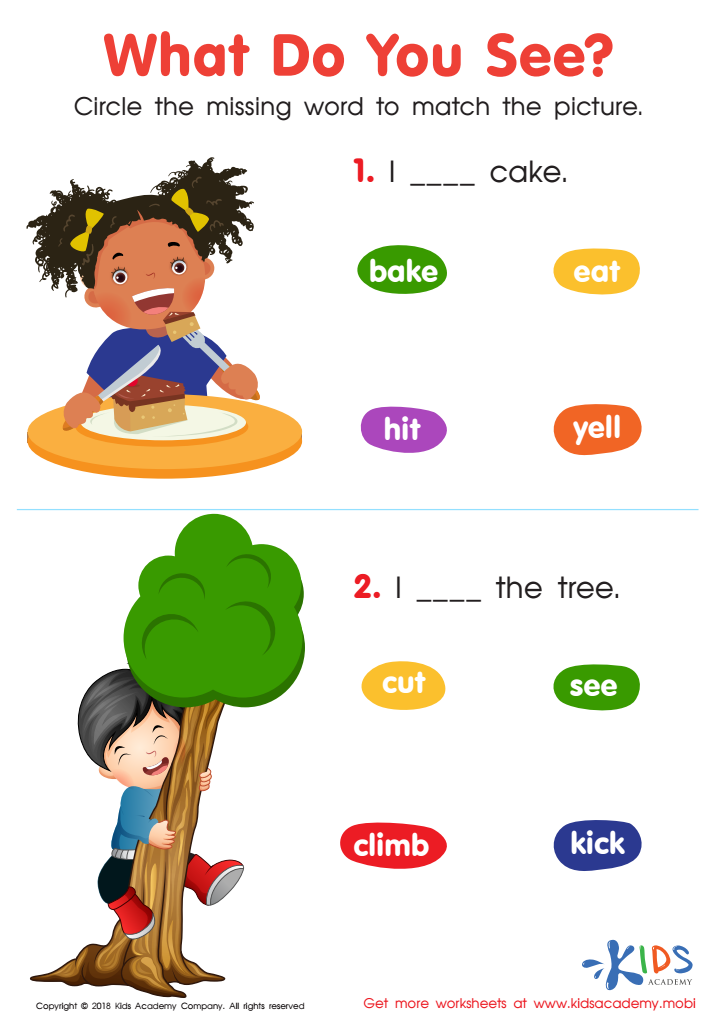
What Do You See? Reading Worksheet
 Assign to My Students
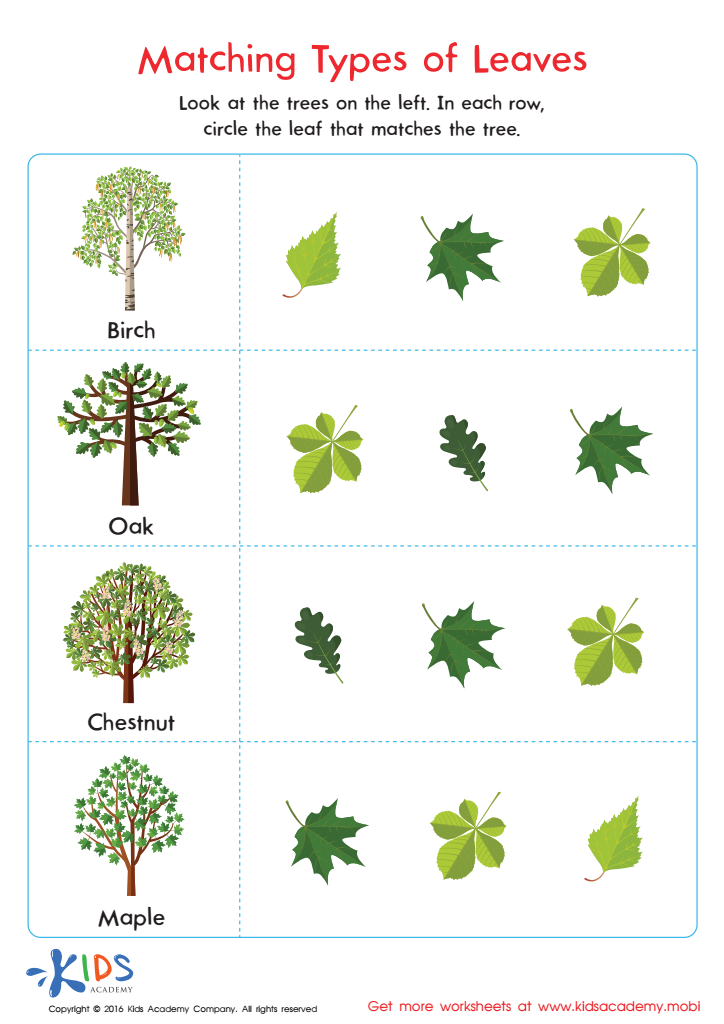
Matching Types of Leaves Printable
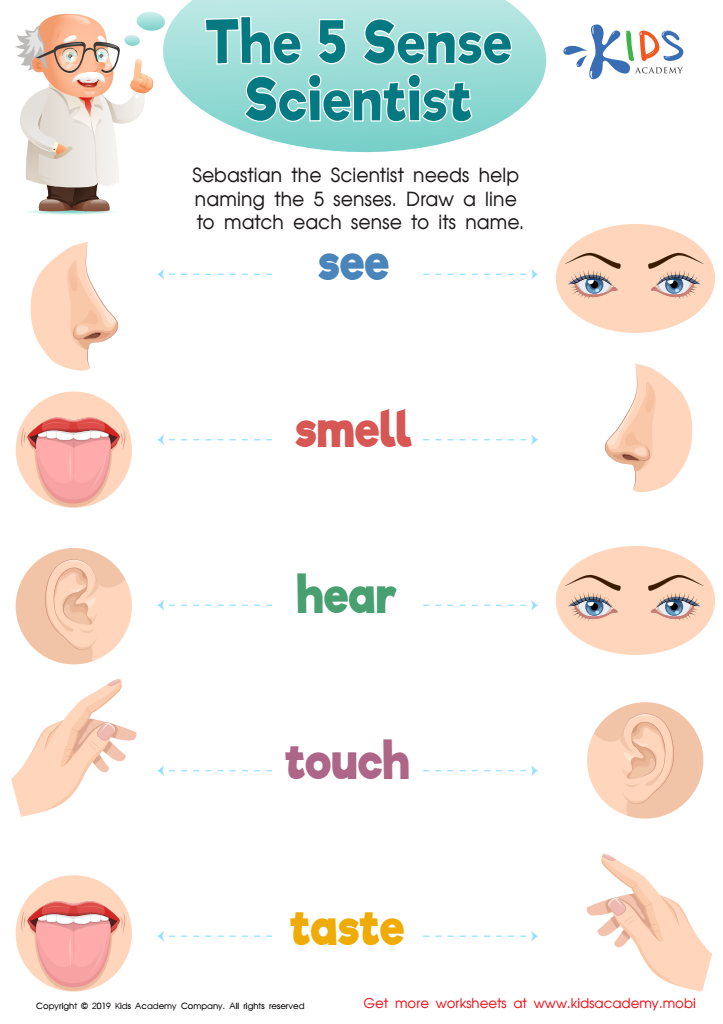
The 5 Sense Scientist Worksheet
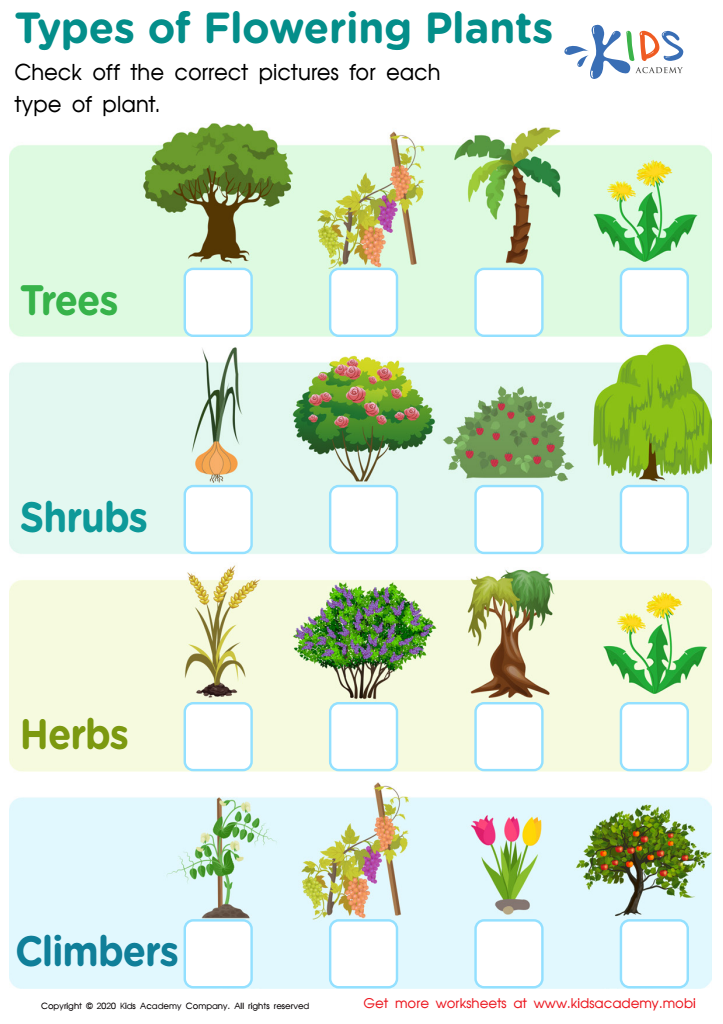
Types of Flowering Plants Worksheet
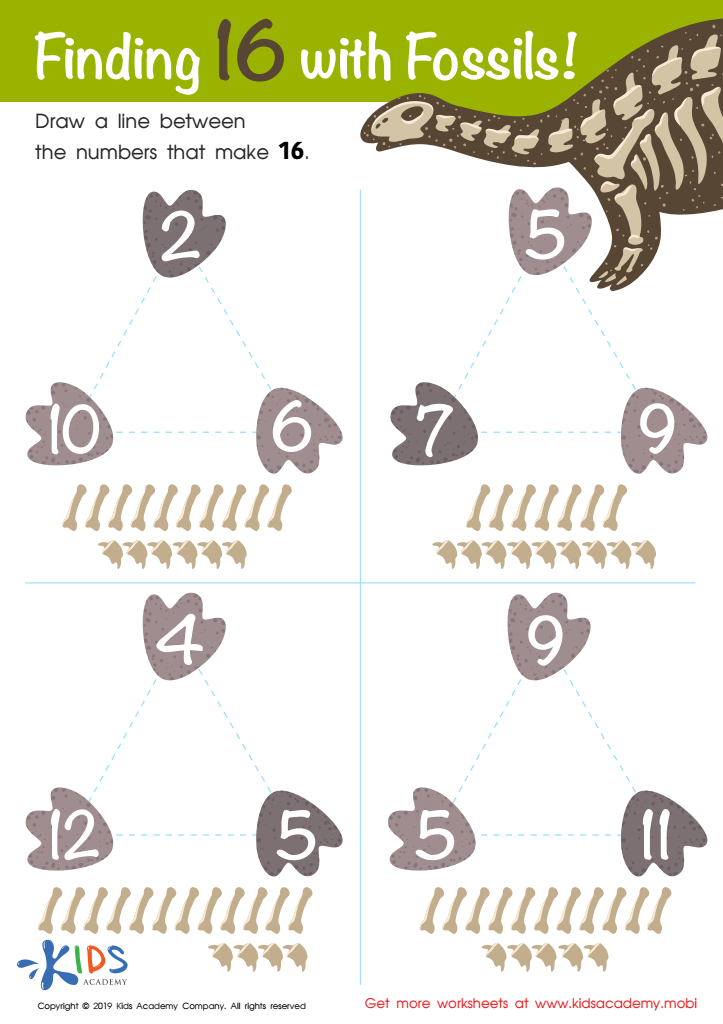
Finding 16 With Fossils Worksheet
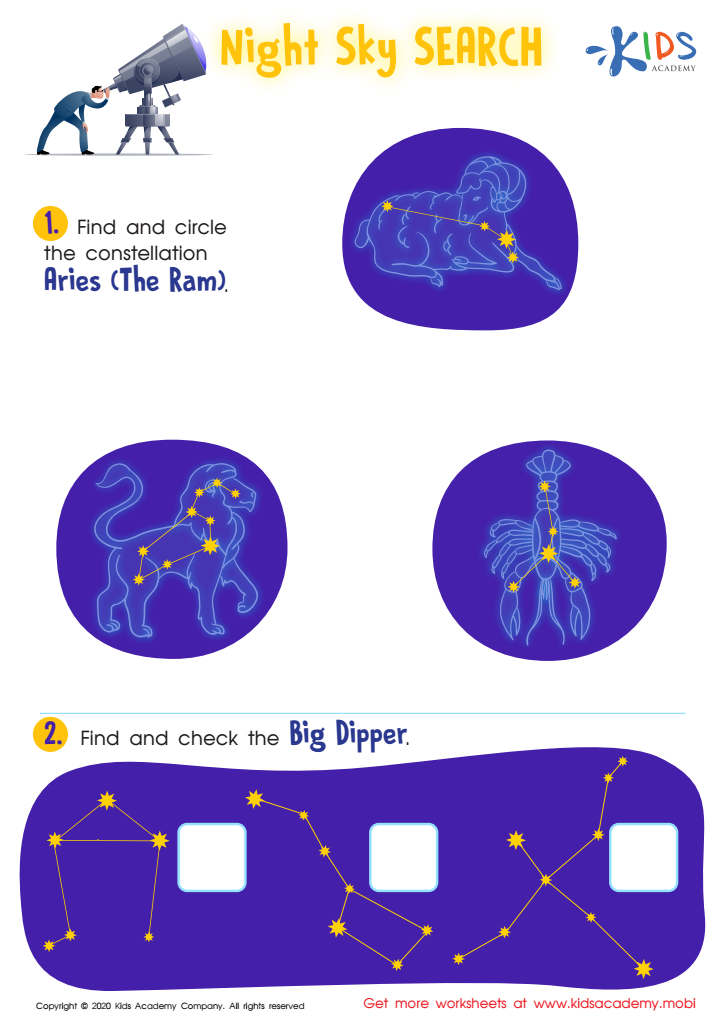
Night Sky Search Worksheet
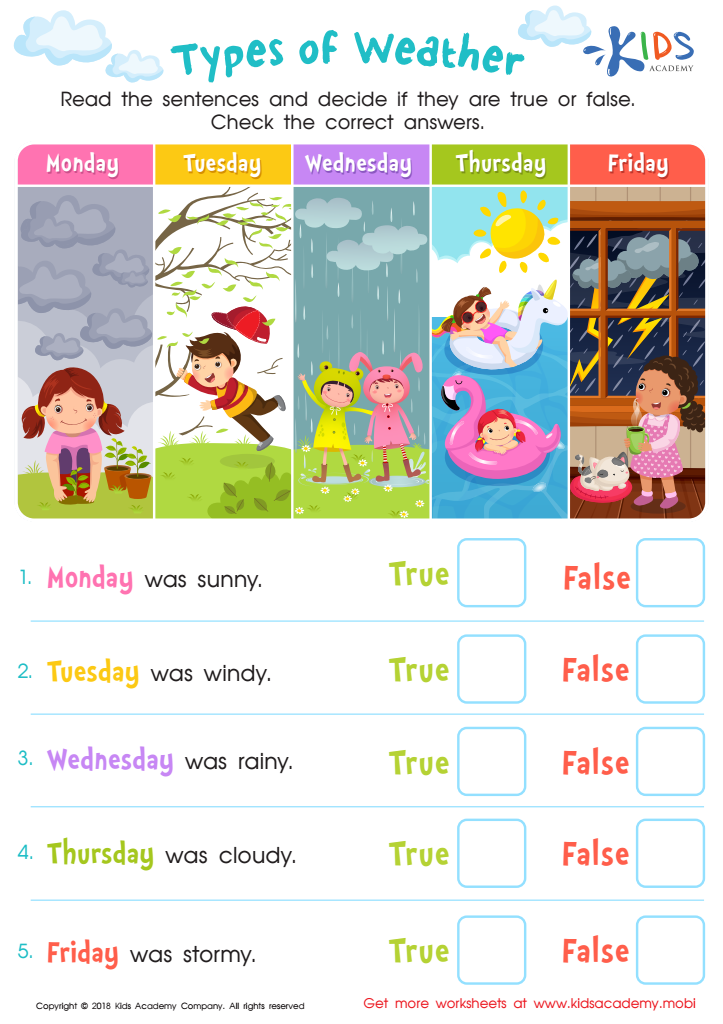
Types of Weather Worksheet
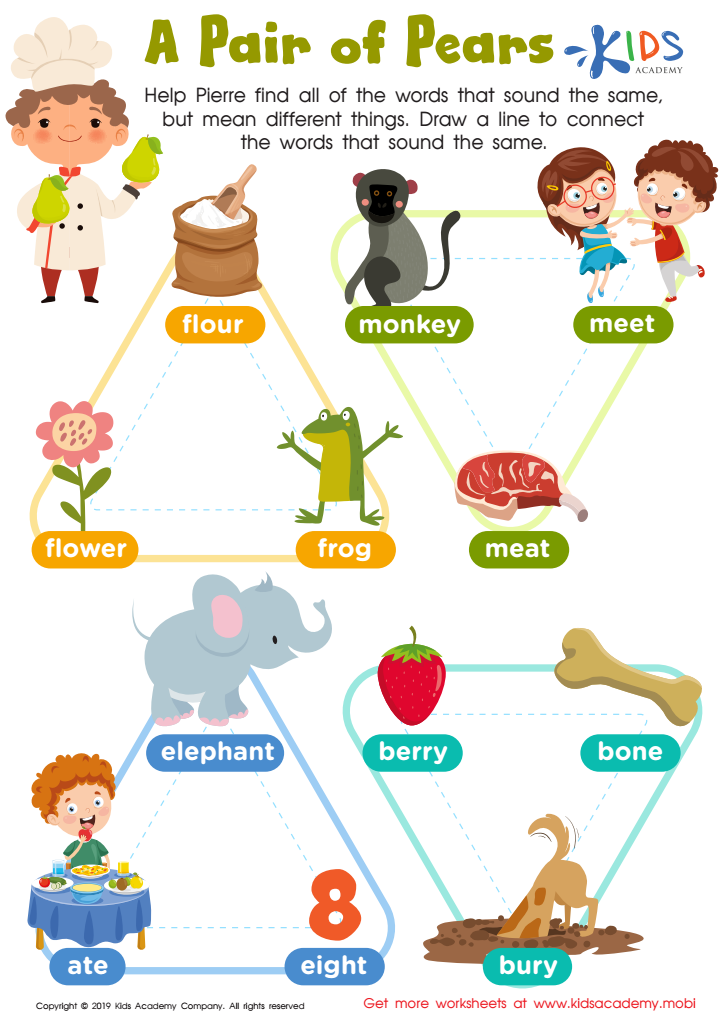
Pair Pears Worksheet






Observation skills are crucial for children aged 3-6 as they lay the groundwork for cognitive, social, and emotional development. For parents and teachers, fostering these skills promotes effective learning and enhances the understanding of the child’s needs.
Firstly, developing observation skills helps children learn to pay attention to their surroundings, which is vital for cognitive growth. By observing objects, environments, and interactions, children build their analytical skills and enhance their ability to process information.
Moreover, for social and emotional development, observation enables children to interpret social cues and respond appropriately to peers and adults. They learn to understand emotions, the context of interactions, and how to communicate effectively.
For educators and parents, keen observation is a powerful tool for understanding each child's unique needs and learning styles. It allows them to tailor activities and interventions that foster individual growth. Additionally, by noticing behavioral patterns, they can provide support that enhances the child's overall well-being.
Ultimately, cultivating observation skills in young children benefits their development across various domains and equips them with essential life skills. This is why it is important for parents and teachers to prioritize these skills in early education and home environments.








