Shape comparison Worksheets for Ages 3-6
3 filtered results
-
From - To
Discover our engaging Shape Comparison Worksheets designed specifically for children aged 3-6! These worksheets are perfect for helping young learners develop essential skills by comparing various shapes in a fun and interactive way. With vibrant illustrations and straightforward instructions, children can practice identifying, sorting, and distinguishing between shapes, enhancing their critical thinking and visual perception. Our worksheets foster a strong foundation in geometry while keeping learning enjoyable. Ideal for homeschooling or classroom environments, these resources support early math skills and promote cognitive development. Access our printable worksheets today and encourage your little ones to explore the world of shapes!
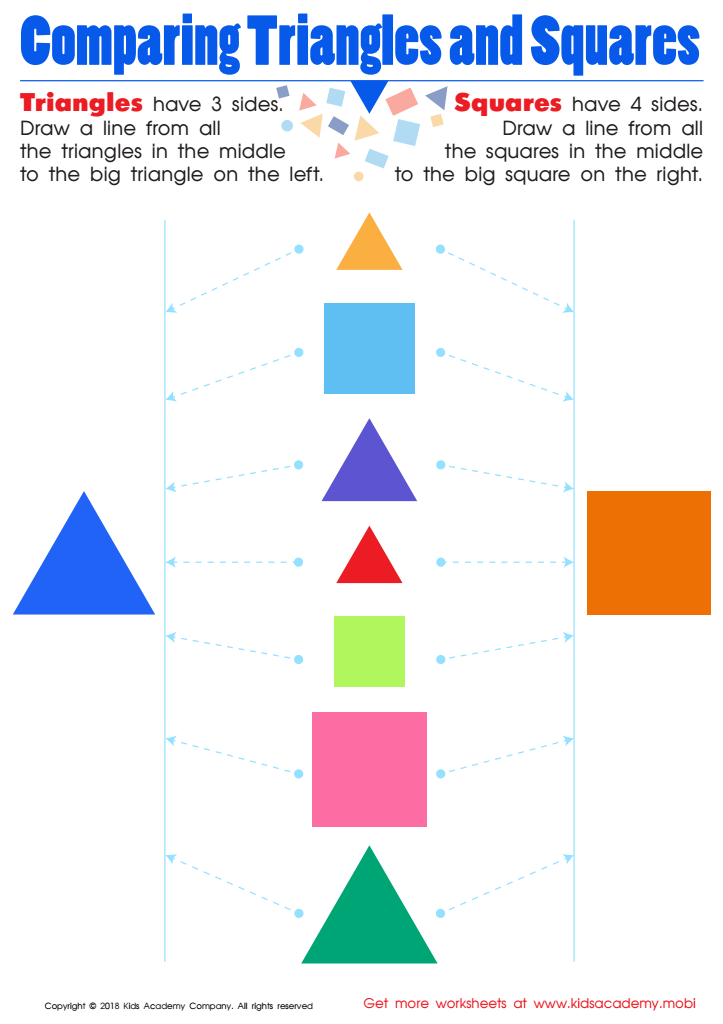
Comparing Triangles Squares Worksheet
 Assign to My Students
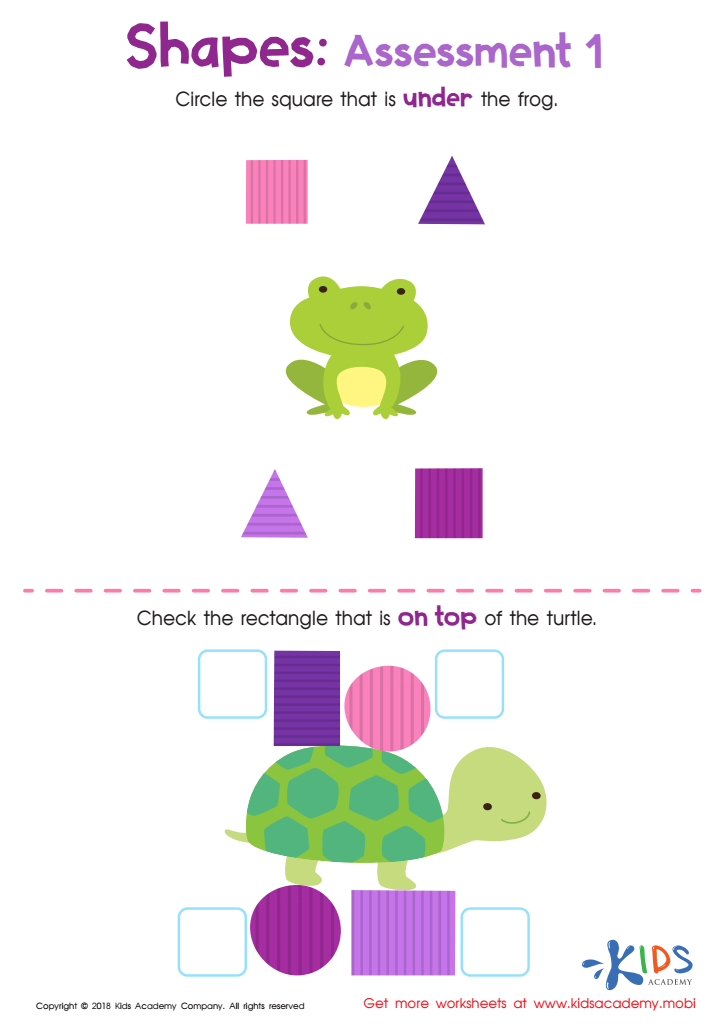
Geometry – Assessment 1 Worksheet
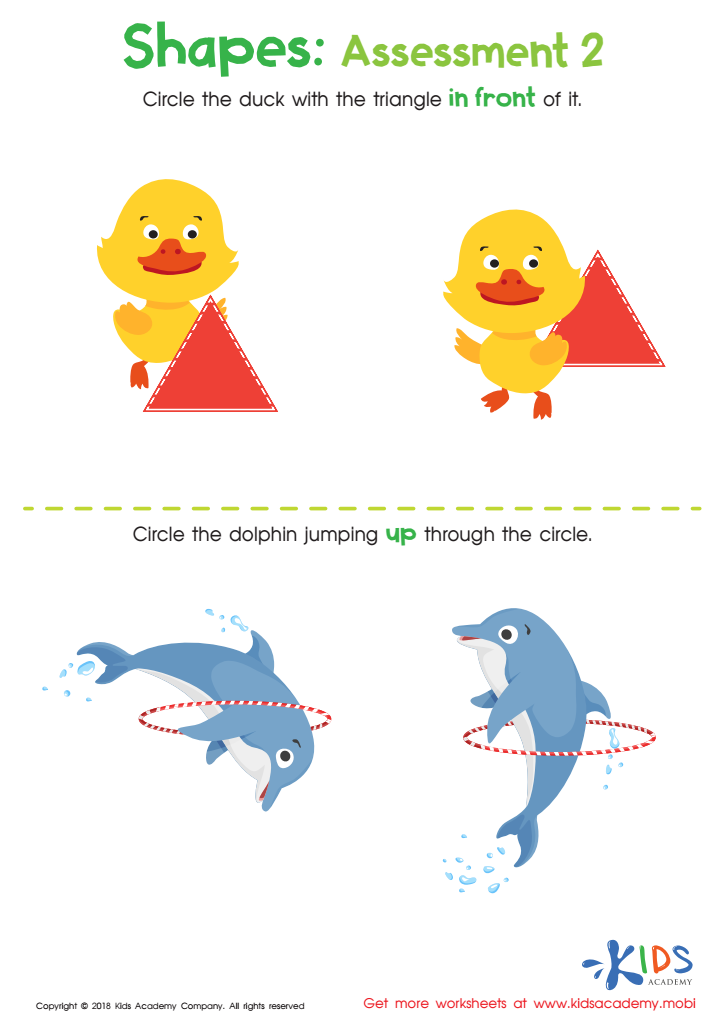
Geometry – Assessment 2 Worksheet



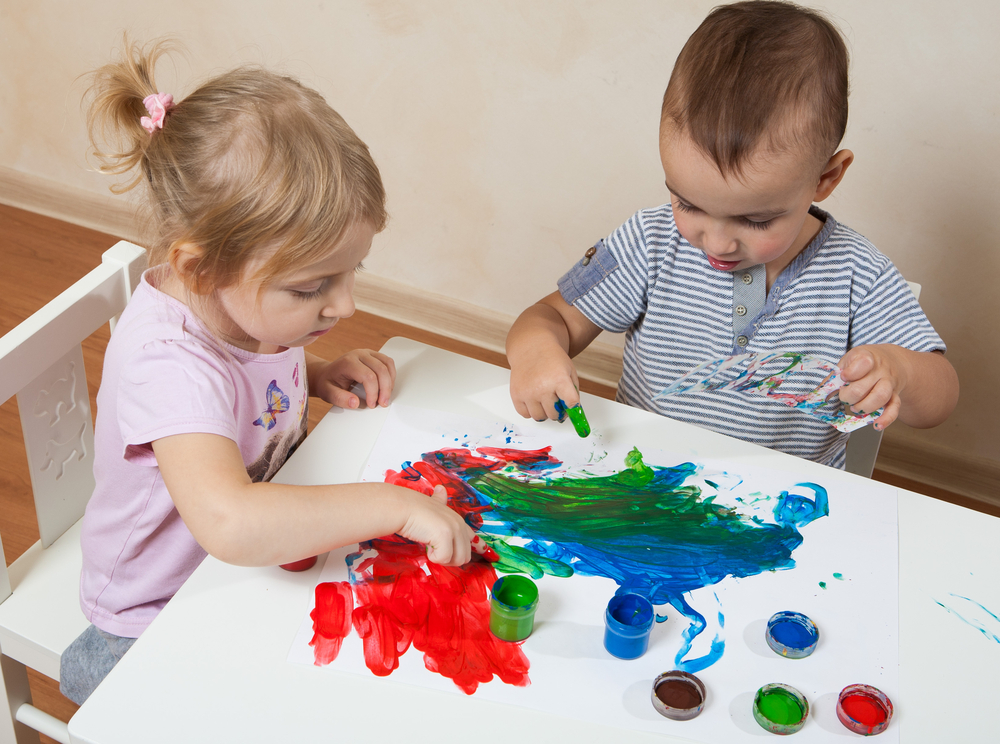



Parents and teachers should care about shape comparison for children aged 3-6 because it forms a fundamental building block for mathematical understanding and cognitive development. During these early years, children are highly impressionable and developing critical thinking skills. By engaging in shape comparison activities, kids learn to recognize differences and similarities, enhancing their observational skills.
Shape comparison fosters spatial awareness, helping children understand how objects relate to one another in size, shape, and arrangement. This skill aids in the development of problem-solving abilities and logical reasoning. Additionally, identifying and categorizing shapes lays the groundwork for geometry, an essential component of mathematics that they will encounter in later education.
Beyond academics, engaging in shape comparisons nurtures language development. As children describe shapes and their attributes, they expand their vocabulary and communication skills. It also encourages social interaction when children participate in group activities, promoting cooperation and teamwork.
Finally, incorporating shape comparison activities into daily routines can make learning enjoyable, reinforcing a positive attitude towards mathematics and education. When parents and teachers prioritize these skills, they support children's holistic development, equipping them with necessary skills for future learning and everyday life.








