Understanding Math Concepts Worksheets for Ages 3-6
3 filtered results
-
From - To
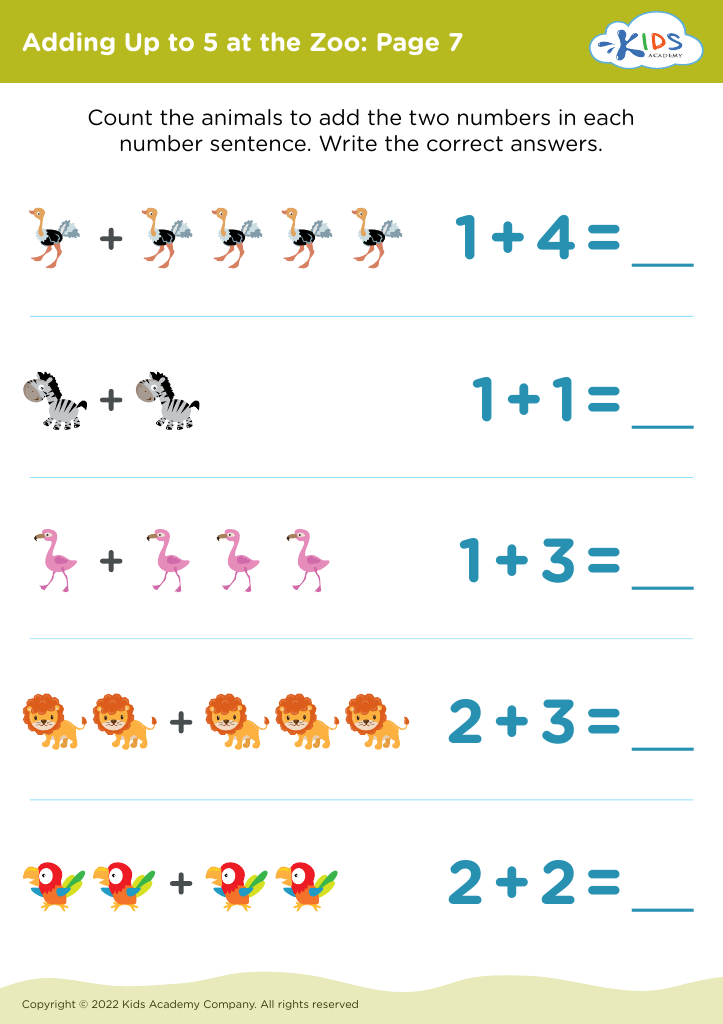
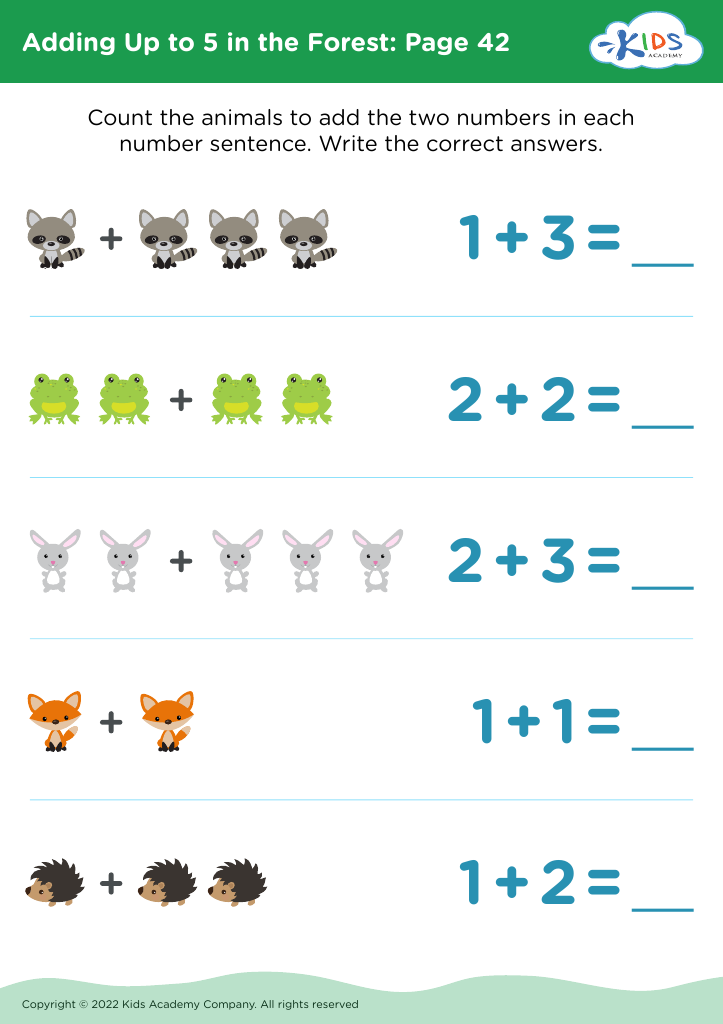
Turn early math learning into a fun adventure with our "Understanding Math Concepts Worksheets for Ages 3-6"! Crafted by experts, these colorful and engaging worksheets help young minds grasp essential math concepts, from counting and shapes to basic addition and subtraction. Focusing on interactive activities, these worksheets encourage critical thinking, problem-solving, and fine motor skills. Ideal for preschoolers and kindergarteners, our collection ensures that foundational math learning is both exciting and effective. Boost your child's confidence and love for numbers by incorporating our expertly designed worksheets into their daily routine. Start the journey to math mastery today!
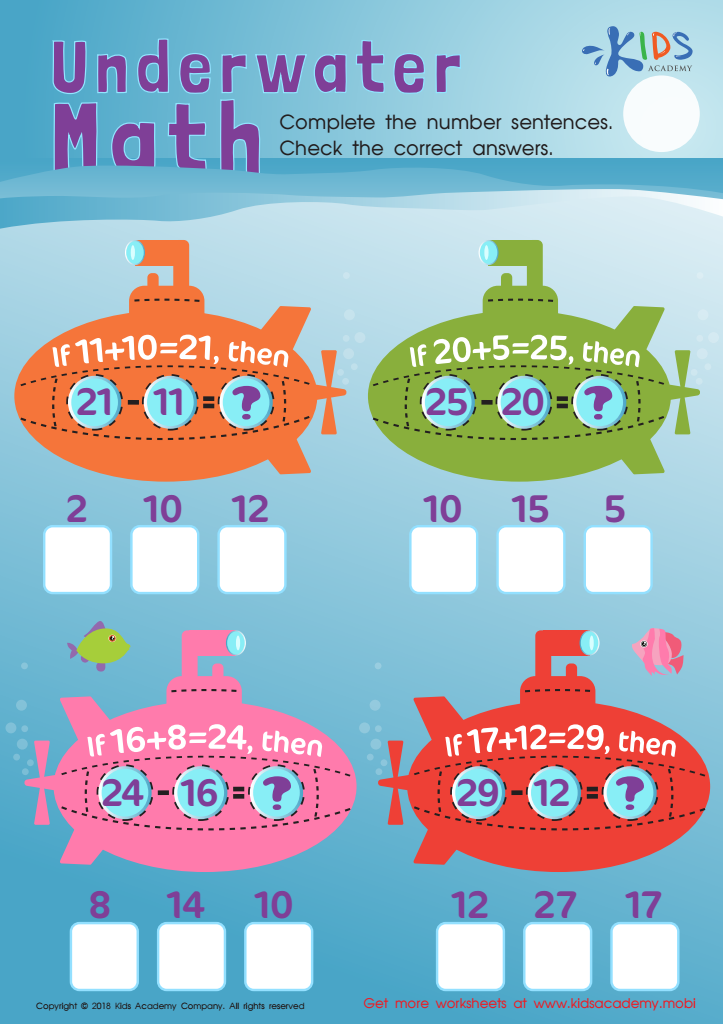
Addition and Subtraction: Underwater Math Worksheet
 Assign to My Students







Understanding math concepts at ages 3-6 is crucial for setting a strong foundation for future learning and cognitive development. During these formative years, children's brains are exceptionally receptive to absorbing new information, and early exposure to math helps stimulate their problem-solving abilities. Parents and teachers who prioritize teaching basic math concepts, such as counting, shapes, comparisons, and patterns, are equipping children with essential skills they will need throughout their academic lives and beyond.
Engaging young children in math not only enhances their numerical aptitude but also fosters critical thinking and reasoning skills, which are transferable to other areas of learning. It nurtures curiosity and helps children make sense of the world around them. For instance, understanding shapes and sizes can aid in better spatial awareness, while recognizing patterns can improve logical sequencing, which is foundational in reading and writing.
Moreover, early exposure to math can build a child's confidence and interest in the subject, countering any potential math anxiety in later years. A positive, playful introduction to math demonstrates that learning can be enjoyable and challenging in a positive way. Hence, both parents and teachers play pivotal roles in ensuring that young learners view math as an integral and enjoyable part of their daily lives.








