Understanding numeracy Worksheets for Ages 3-6
4 filtered results
-
From - To
Help your child develop essential early math skills with our "Understanding Numeracy Worksheets for Ages 3-6." These thoughtfully designed printable worksheets introduce young learners to fundamental numeracy concepts through engaging and interactive activities. From counting and number recognition to basic addition and subtraction, each worksheet ensures a fun and educational experience tailored for preschool and kindergarten-aged children. Our resources support early cognitive development and build a strong foundation for more advanced math skills. Empower your child with confidence in numeracy and make learning an enjoyable adventure with our expertly crafted materials.
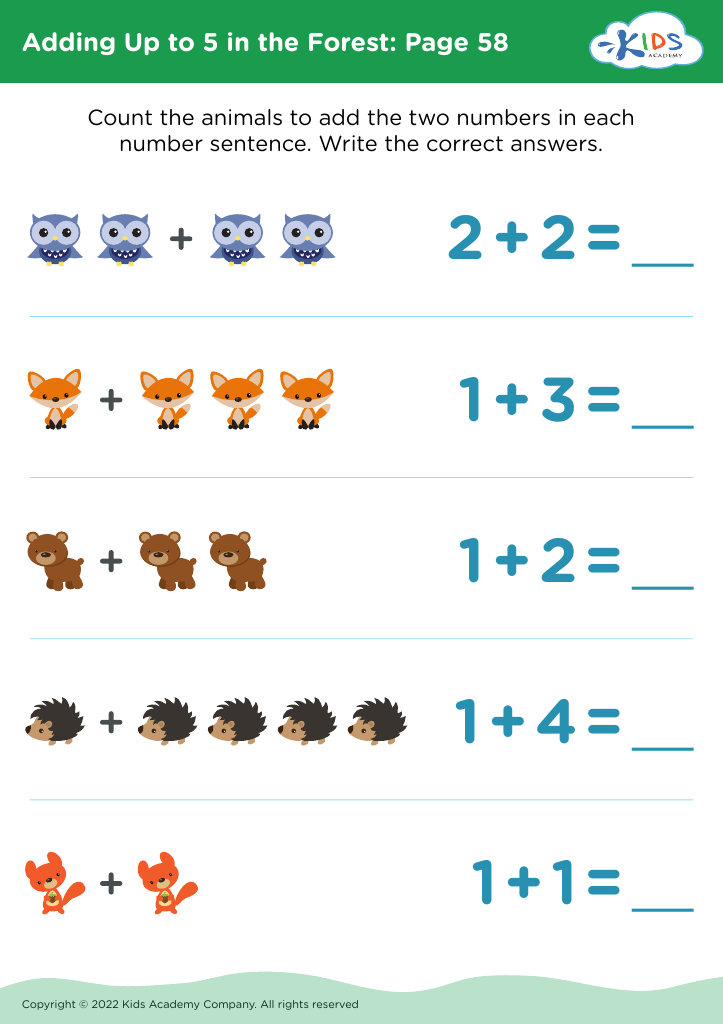
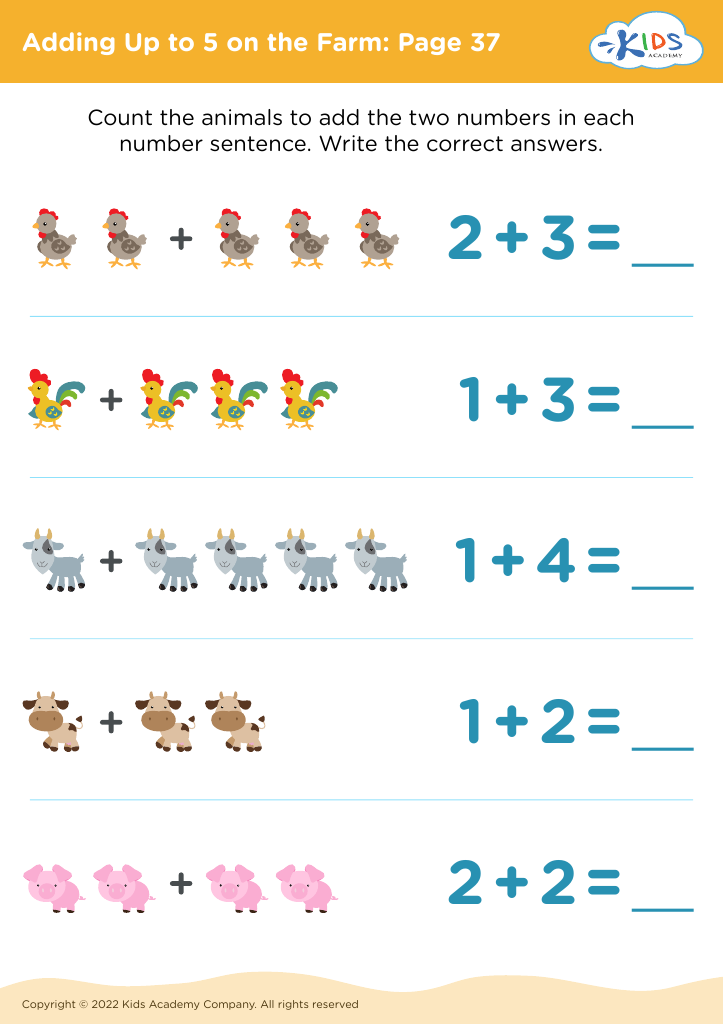
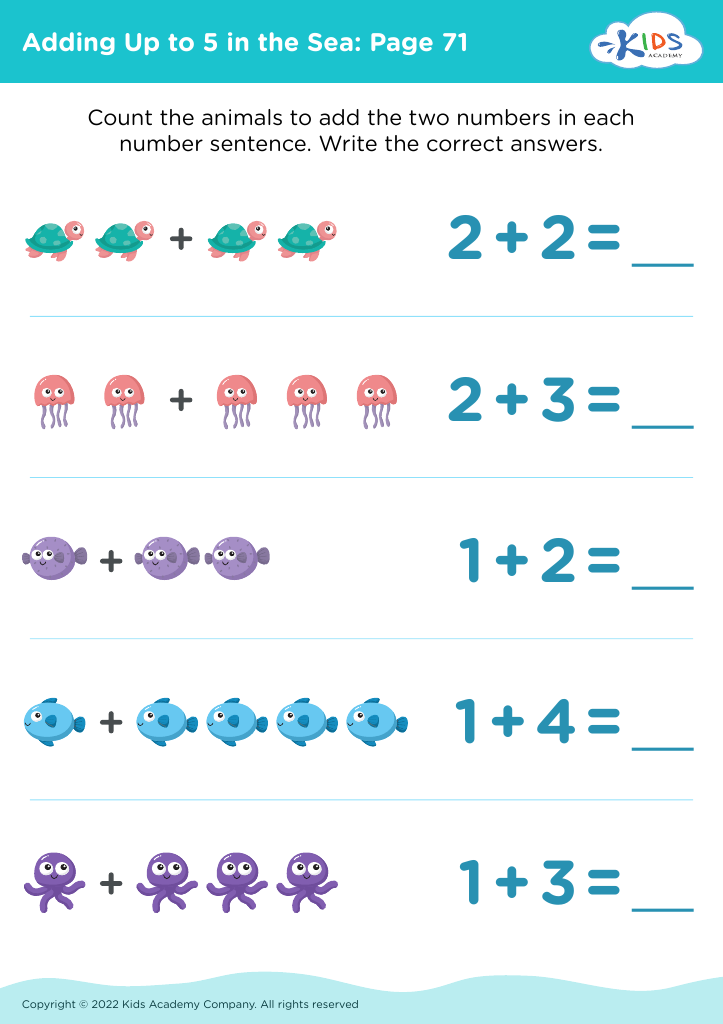
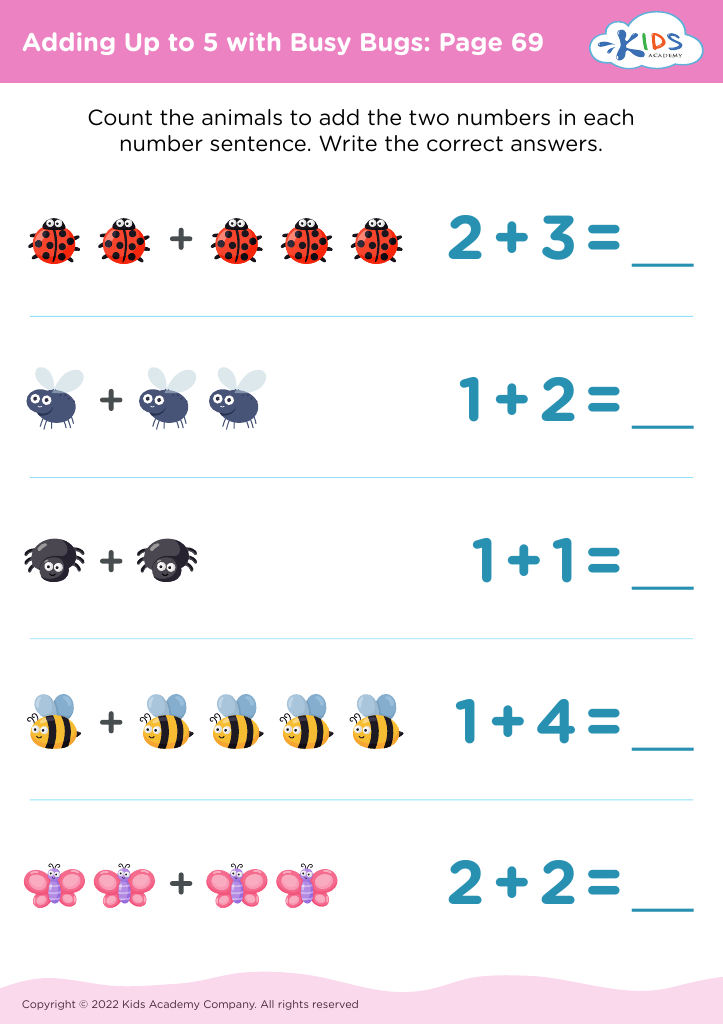








Understanding numeracy, or basic math skills, for children ages 3-6 is crucial for several reasons. Early numeracy provides the foundation for future mathematical learning and academic success. At this age, children are highly receptive and capable of absorbing new concepts. Solid early numeracy skills, such as counting, recognizing numbers, and understanding simple patterns, help children develop logical thinking, problem-solving abilities, and spatial awareness.
Moreover, fostering numeracy in early childhood promotes confidence. When children feel competent in their math abilities, they are more likely to enjoy learning and participating in educational activities. This positive attitude towards math carries forward into their later school years.
Understanding numeracy also supports cognitive development. It enhances memory, attention span, and the ability to think in abstract terms. Activities like counting blocks, sorting shapes, and comparing quantities indirectly strengthen these essential brain functions.
Additionally, early numeracy skills play a significant role in everyday life. Children use math concepts in practical situations like sharing, sequencing daily routines, and even recognizing time. Parents and teachers who prioritize numeracy for young children empower them with tools for daily interactions and long-term success.
By focusing on numeracy in these formative years, we help children build a strong educational foundation and set them up for a brighter future filled with continuous learning and growth.








