Understanding shapes Worksheets for Ages 3-6
6 filtered results
-
From - To
Explore our "Understanding Shapes Worksheets" tailored for children ages 3-6! These engaging and interactive worksheets are designed to introduce your little ones to basic geometric shapes and boost their cognitive skills in a fun and effective way. With vibrant colors and playful illustrations, kids will enjoy identifying, tracing, and connecting shapes while developing their fine motor skills. Each worksheet is crafted to facilitate learning through play, making it perfect for preschool or home activities. Empower your child's early learning journey and help them master shapes with ease. Download our worksheets today for an enjoyable educational experience!
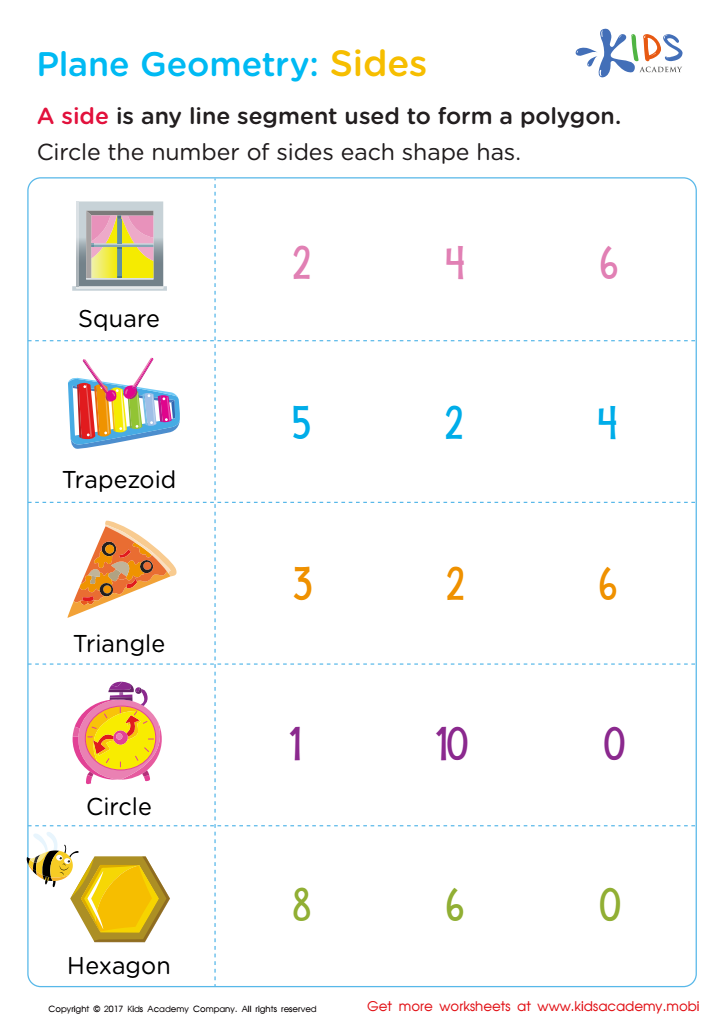
 Assign to My Students
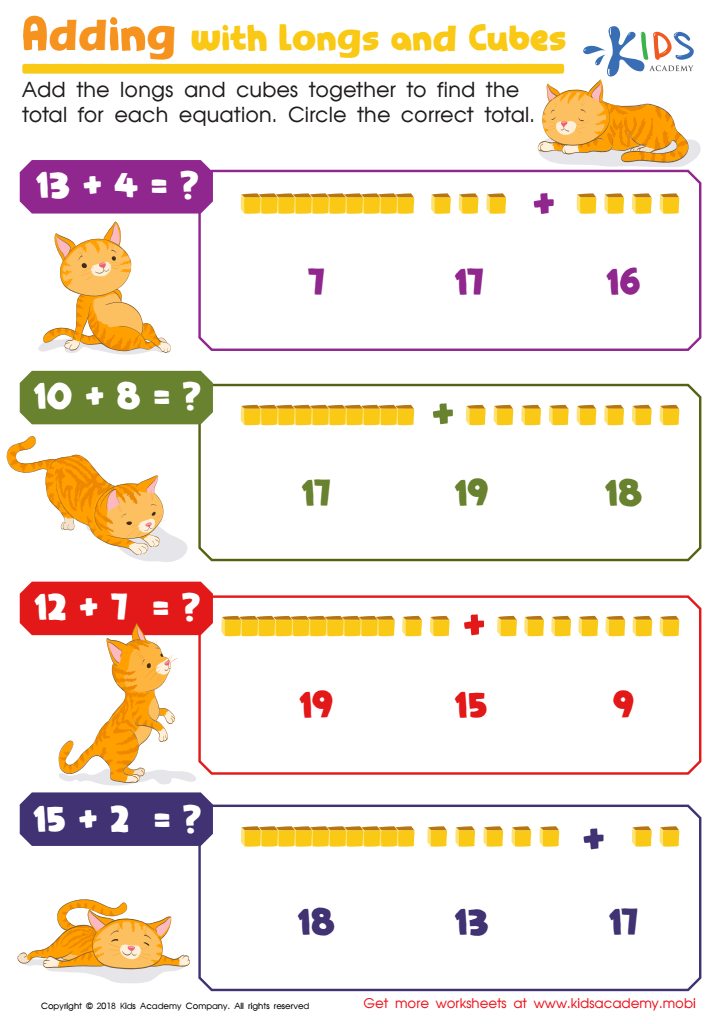
Adding With Longs and Cubes Worksheet
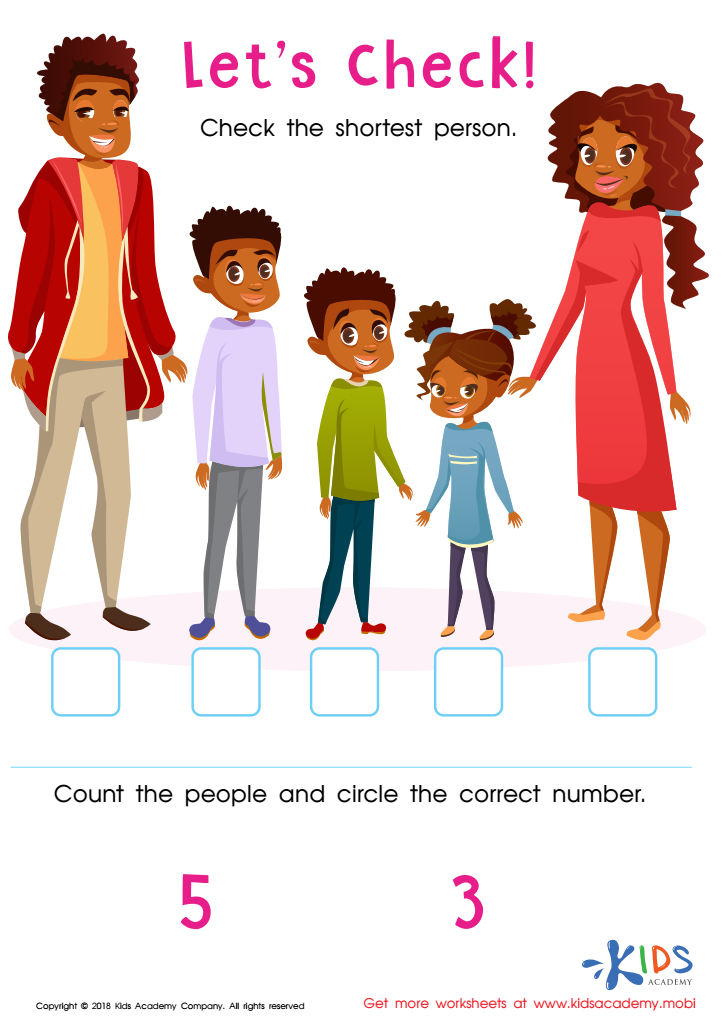
Let's Check! Assessment Worksheet
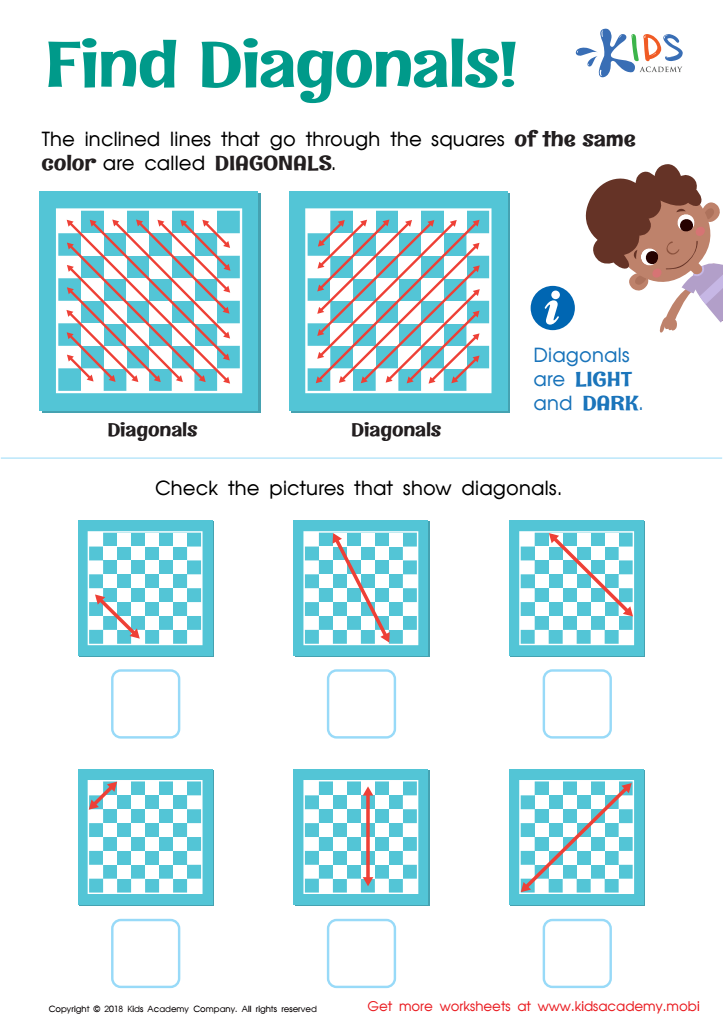
Find Diagonals Worksheet
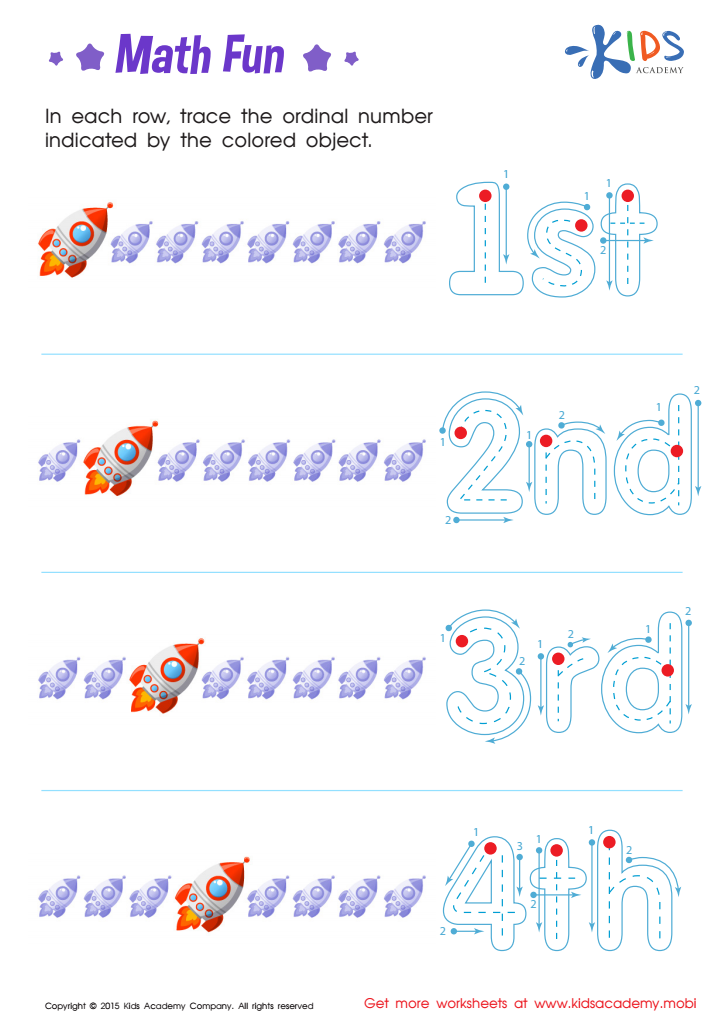
Ordinal Numbers: Math Fun Worksheet
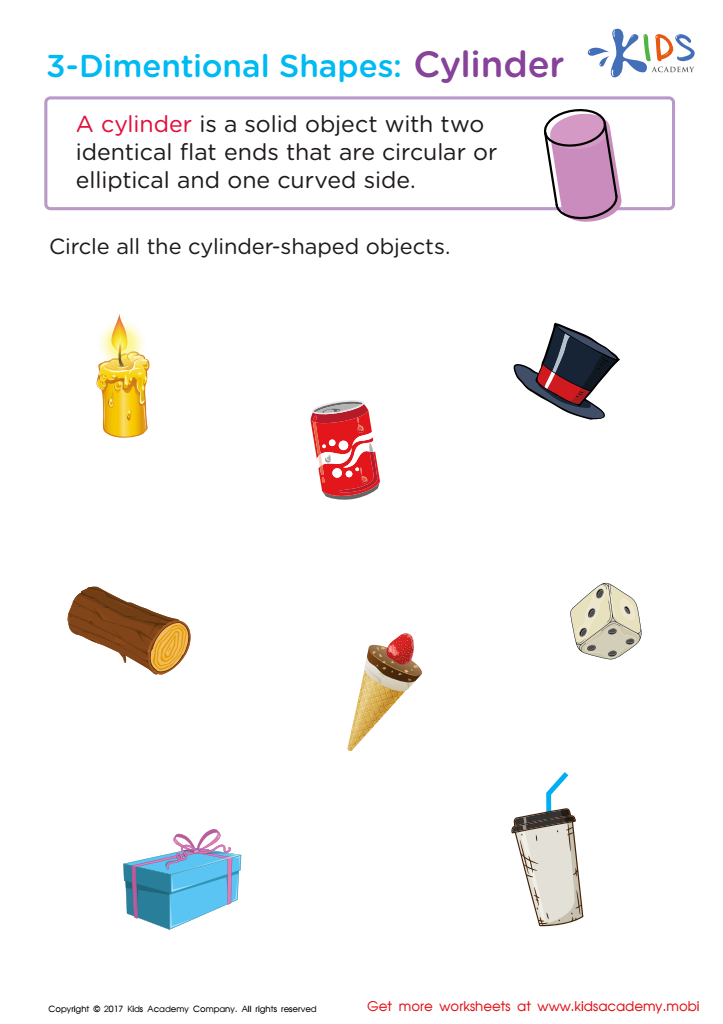
Three–Dimensional Shapes: Cylinder Worksheet





Understanding shapes is crucial for early childhood education, particularly for children aged 3-6 years old. This foundational knowledge fosters critical cognitive skills that aren't just about recognizing circles, squares, or triangles but extend far beyond that. When children learn about shapes, they enhance their spatial awareness, which is essential for problem-solving and navigation through their environment.
Additionally, shape recognition plays a significant role in developing early math skills. It introduces concepts of classification, comparison, and patterning, laying the groundwork for more advanced mathematical reasoning later on. Activities involving shapes promote fine motor skills as children trace, draw, or manipulate various shapes, further supporting their overall development.
Moreover, understanding shapes can enhance language skills; children learn to describe and communicate about what they see, using terms related to size, color, and attributes. This verbal communication strengthens vocabulary and encourages social interaction during collaborative activities.
Parents and teachers should care about teaching shapes because they are integral building blocks for numerous foundational skills. The exposure to shapes can inspire creativity and enriched play, contributing to a well-rounded education that prepares children for future academic achievements and fosters a lifelong love of learning.








