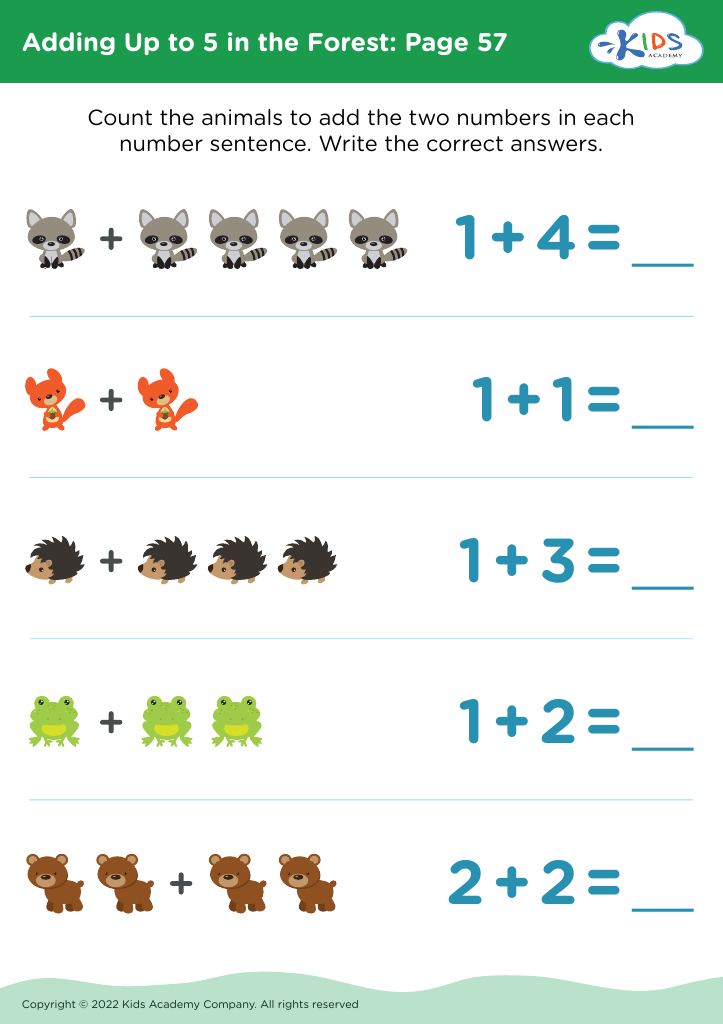
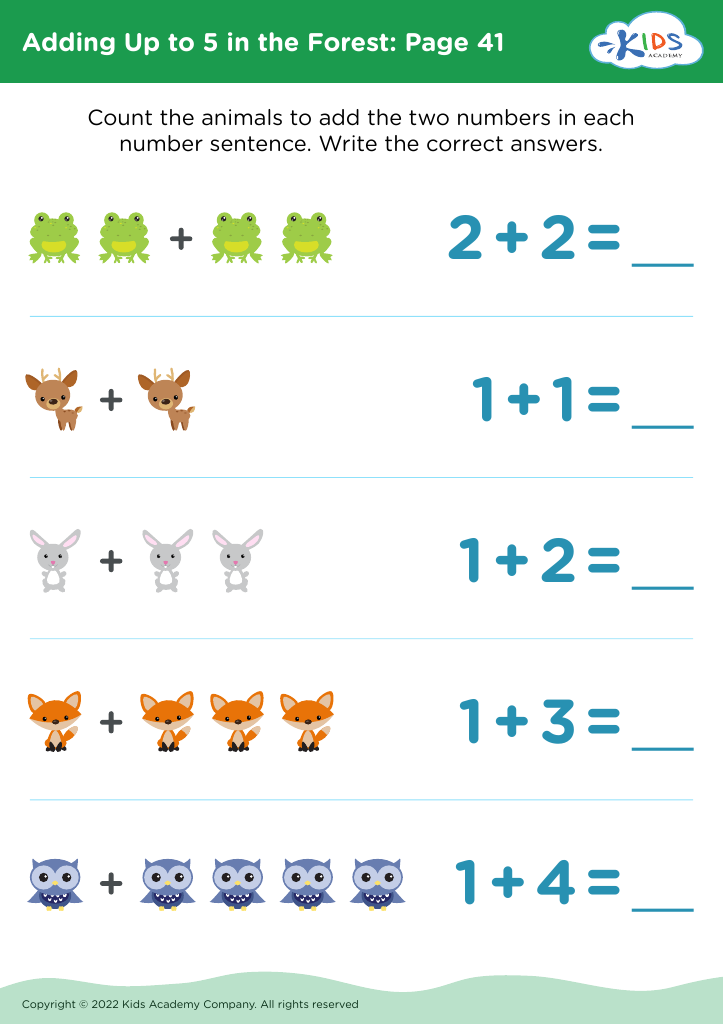
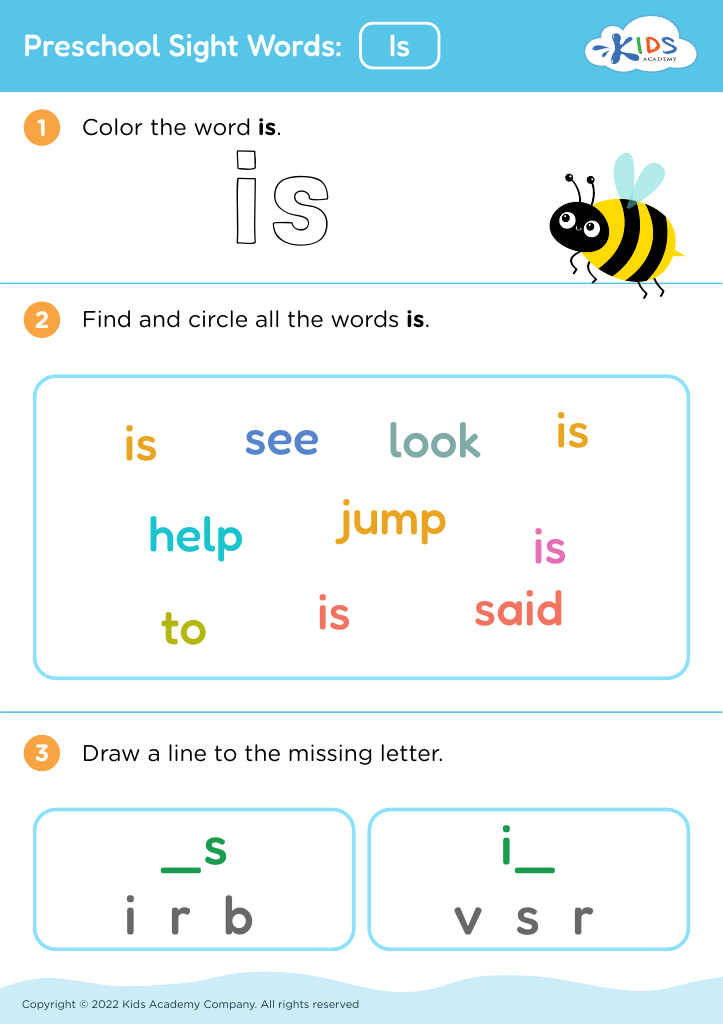


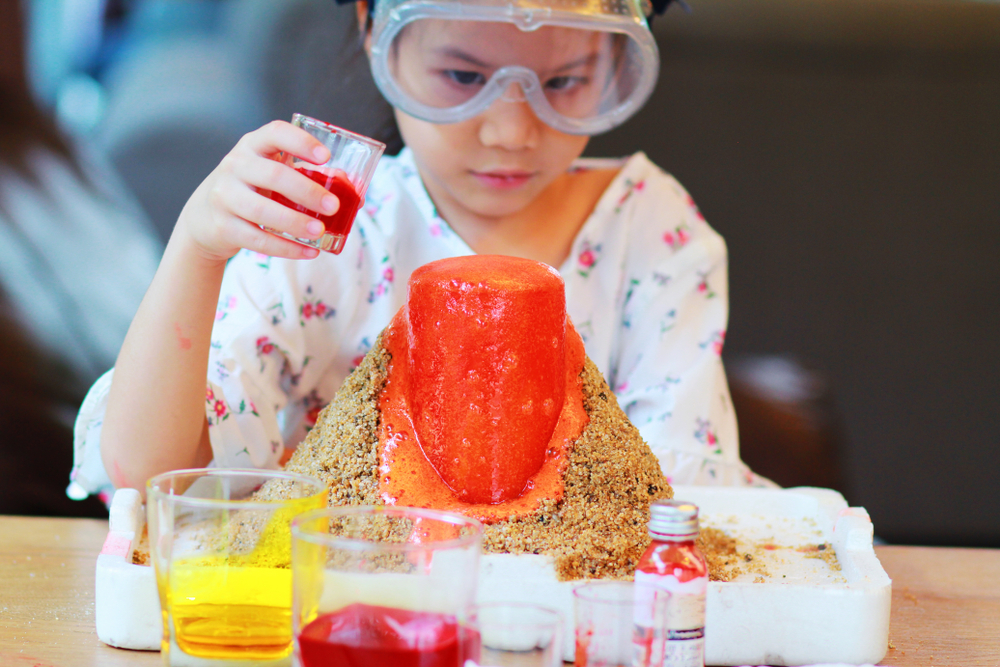





Visual learning is paramount for children aged 3-6 as it taps into their natural curiosity and desire to explore the world around them. At this crucial developmental stage, children are naturally inclined to learn through visual stimuli. Engaging with colorful images, illustrations, and diagrams can greatly enhance their understanding and retention of information. By focusing on visual learning, parents and teachers can create stimulating environments that cater to various learning styles, thus fostering a love for education.
Visual learning not only aids in grasping basic concepts such as shapes, colors, and patterns, but it also supports cognitive development. Young learners are able to process information more effectively when it is presented visually, leading to improved problem-solving skills and critical thinking. Additionally, visual aids can ease communication barriers, especially for children who may struggle with verbal expression.
Furthermore, nurturing visual learning helps in building essential skills, such as observation and attention to detail, that form the foundation for future academic success. Parents and teachers who prioritize visual learning are investing in children's current and future potential, ensuring a holistic approach to education that is engaging, inclusive, and effective.








