Hand-eye Coordination Mazes Worksheets for Ages 3-6
3 filtered results
-
From - To
Enhance your child's development with our Hand-eye Coordination Mazes Worksheets for ages 3-6. These engaging and fun-filled printable worksheets are designed to improve fine motor skills, spatial awareness, and problem-solving abilities. Perfectly tailored for young learners, each maze encourages careful hand movement and visual tracking while providing an entertaining challenge. Our educational resources ensure that kids enjoy learning as they navigate through various themed mazes, building essential skills that form the foundation for later academic success. Download now to give your child a head start in learning through play!
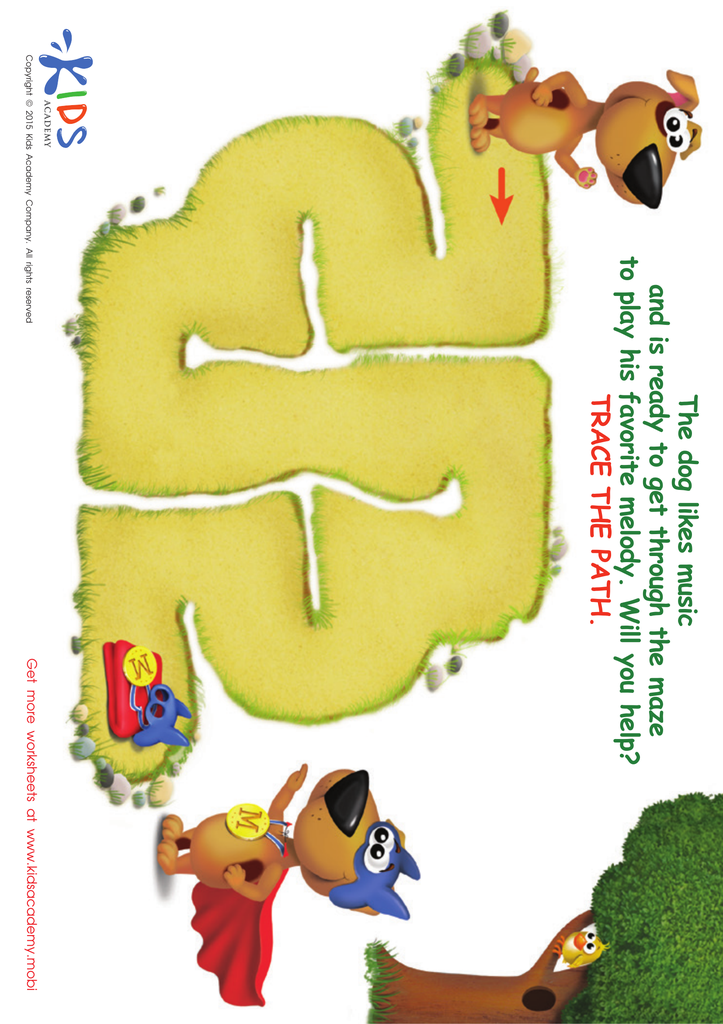
Superman Maze Worksheet
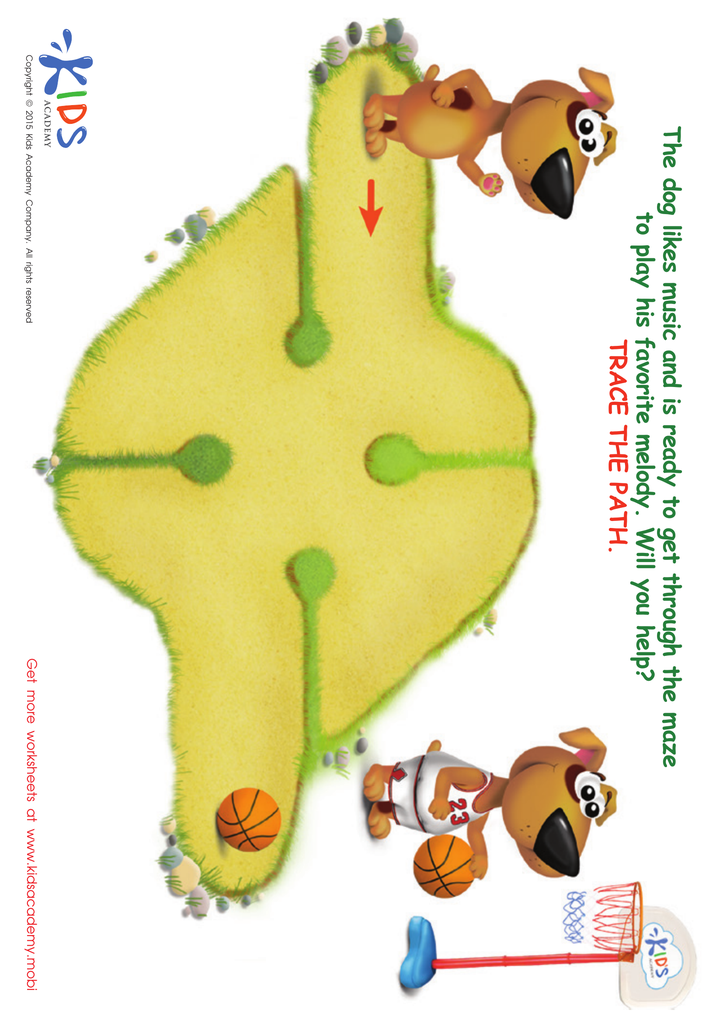
Basketball Player Maze Worksheet
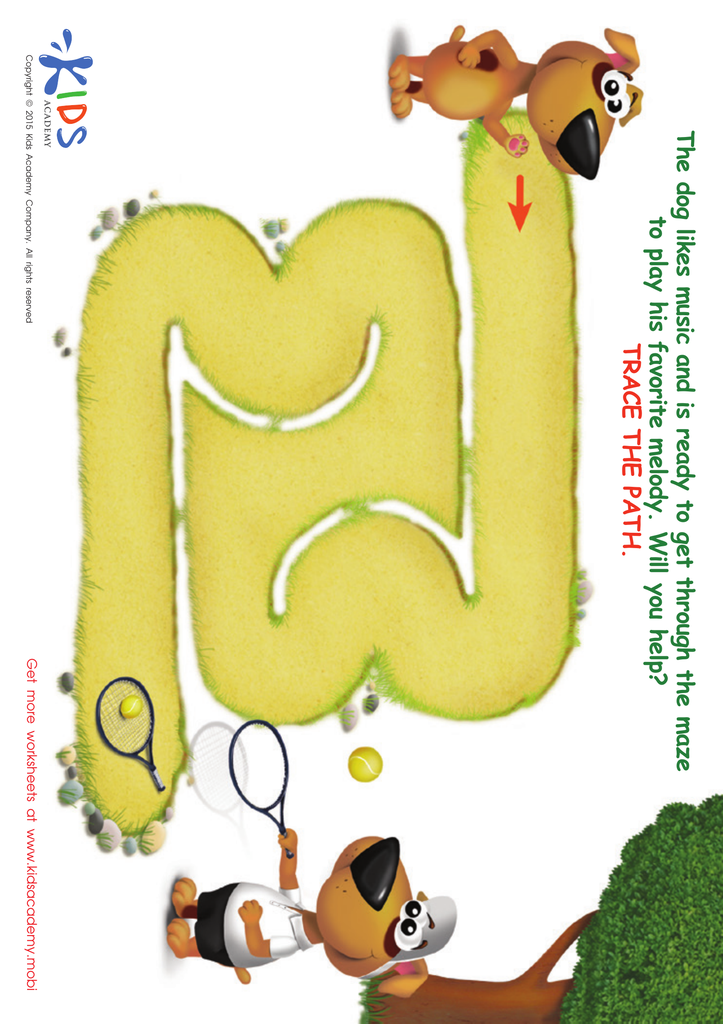
Tennis Player Maze Worksheet


Hand-eye coordination mazes are more than just a fun activity for children aged 3-6—they are crucial for the development of several foundational skills. For parents and teachers, understanding the importance of these exercises can enhance the support they provide to young learners.
Firstly, hand-eye coordination mazes promote fine motor skills. As children guide a pencil along the path of the maze, they strengthen the small muscles in their hands and fingers. These skills are vital for daily tasks such as writing, buttoning clothes, and using utensils.
Secondly, these mazes foster cognitive development. Problem-solving abilities come into play as children figure out how to navigate the maze. This challenges their brains and encourages critical thinking, planning, and spatial awareness.
Thirdly, completing hand-eye coordination mazes builds patience and concentration. These tasks require focus and persistence, qualities that are essential for academic success and everyday problem-solving.
Furthermore, such activities boost confidence. As children successfully complete mazes, they experience a sense of accomplishment, which enhances their self-esteem and encourages a positive attitude towards learning.
Lastly, these mazes are an excellent way to engage children in screen-free activities. With the growing concerns about excessive screen time, involving children in hands-on, educational activities is more important than ever.
In summary, hand-eye coordination mazes support essential developmental milestones, making them valuable tools for parents and teachers dedicated to fostering well-rounded, capable children.








