Understanding multiplication Math Worksheets for Ages 3-6
5 filtered results
-
From - To
Introducing our "Understanding Multiplication Math Worksheets" tailored for ages 3-6 by Kids Academy! Designed to build a strong mathematical foundation, these engaging and colorful worksheets transform complex concepts into simple, enjoyable activities. Through playful exercises and guided learning, young children are introduced to basic multiplication ideas, laying the groundwork for future math success. Our age-appropriate materials focus on visual aids and hands-on practice to make learning multiplication both effective and fun. Perfect for early learners, these printable worksheets are an excellent tool for parents and teachers to foster a love for math in children. Unlock the joy of learning with Kids Academy!
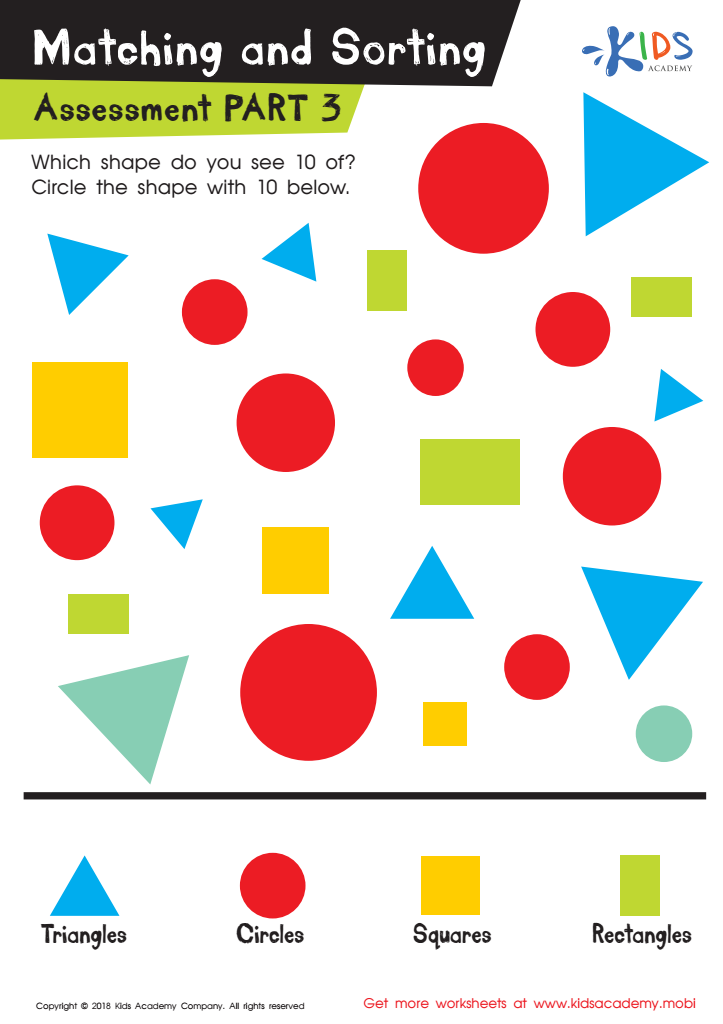
Matching and Sorting for Kindergarten: Assessment 3 Worksheet
 Assign to My Students
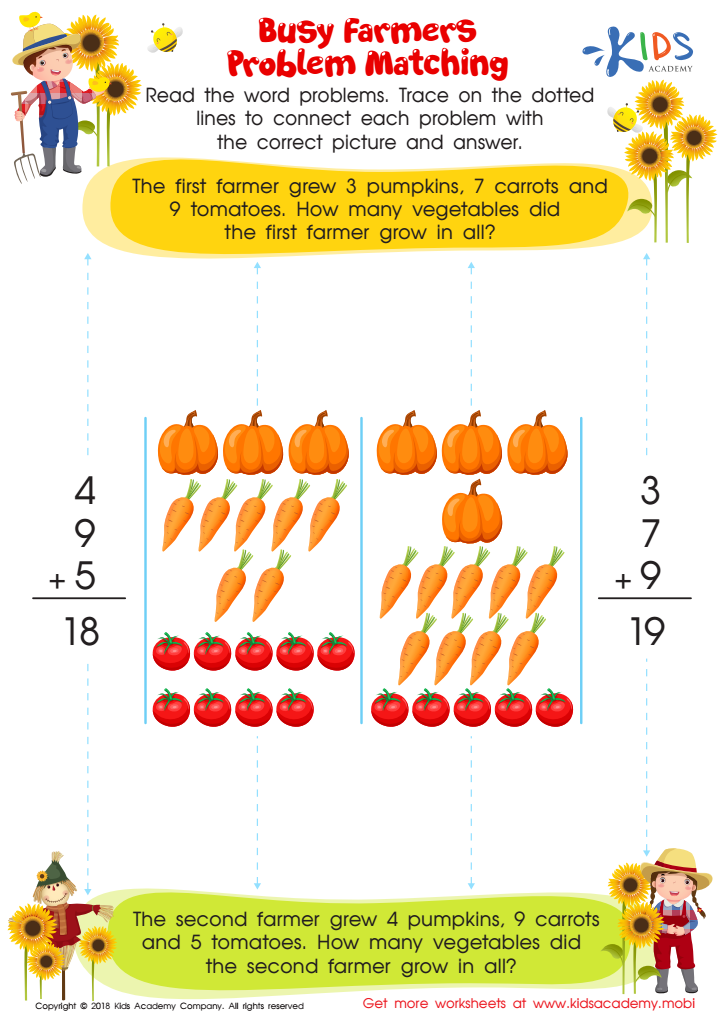
Busy Farmers: Problem Matching Worksheet
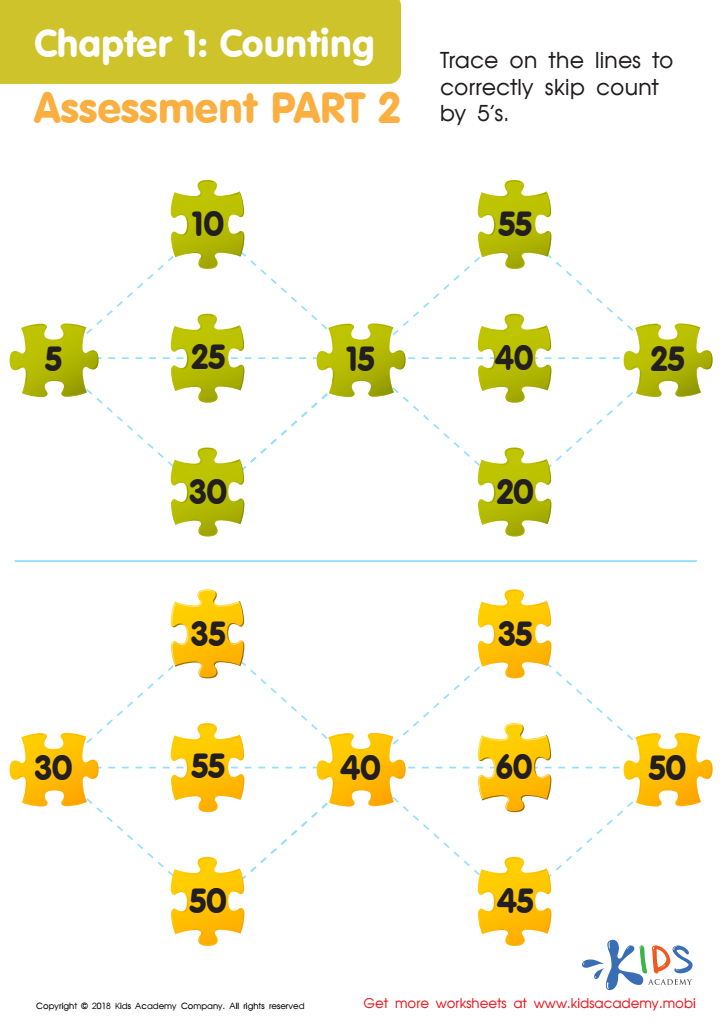
Counting: Assessment 2 Worksheet
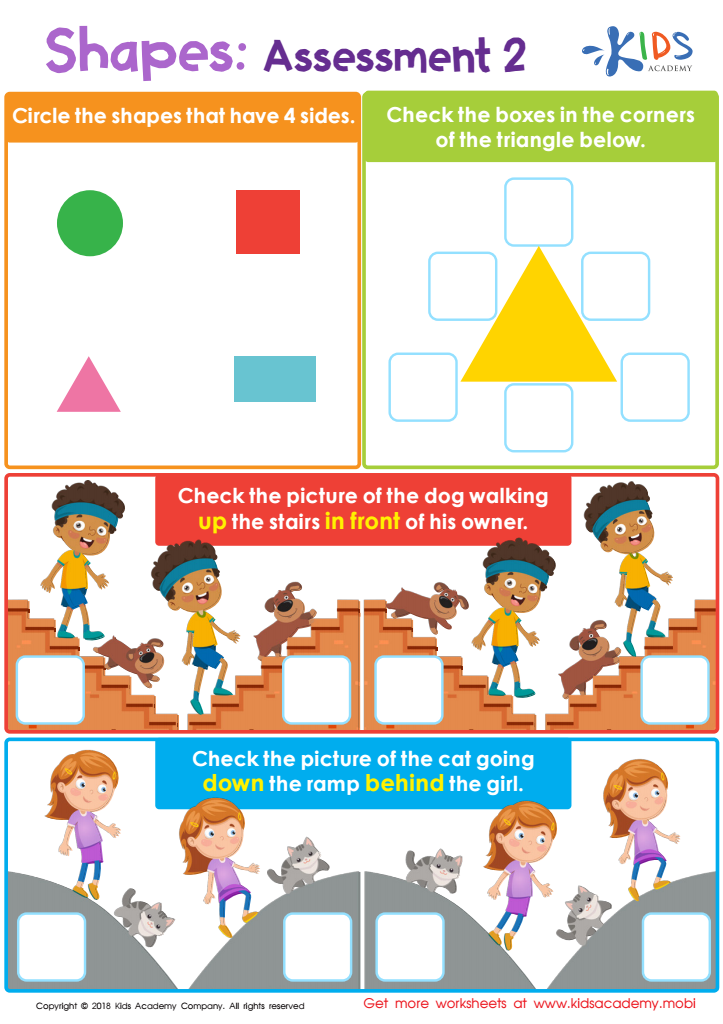
Shapes: Assessment 2 Worksheet

Enrichment: Firefighter Ladders Worksheet




.jpg)



Introducing multiplication concepts to children ages 3-6 can set a strong foundation for future math skills and overall cognitive development. At these early ages, children are typically very receptive learners. By engaging them with basic multiplication concepts through simple, everyday tasks and playful activities, we can spark their interest in math while strengthening critical thinking and problem-solving skills.
One key reason to introduce multiplication early is that it builds upon their existing understanding of addition and number recognition. By framing multiplication as repeated addition, children begin to grasp patterns and relationships between numbers, which are crucial for more advanced math concepts. This foundational knowledge also promotes confidence and reduces math anxiety as they grow older because they have a basic, intuitive understanding to rely on.
Moreover, incorporating multiplication in playful and practical scenarios—like sharing items equally among friends or counting in groups—makes learning contextual and meaningful. This type of experiential learning helps solidify abstract concepts and keeps children engaged.
In summary, introducing multiplication at an early age enables children to develop a strong numerical foundation, fosters a love and curiosity for learning, and equips them with essential skills for future academic and real-life problem-solving. Parents and teachers can thus greatly influence a child's mathematical journey through early, playful, and contextual exposure to multiplication.








