Understanding number value Math Worksheets for Ages 3-6
3 filtered results
-
From - To
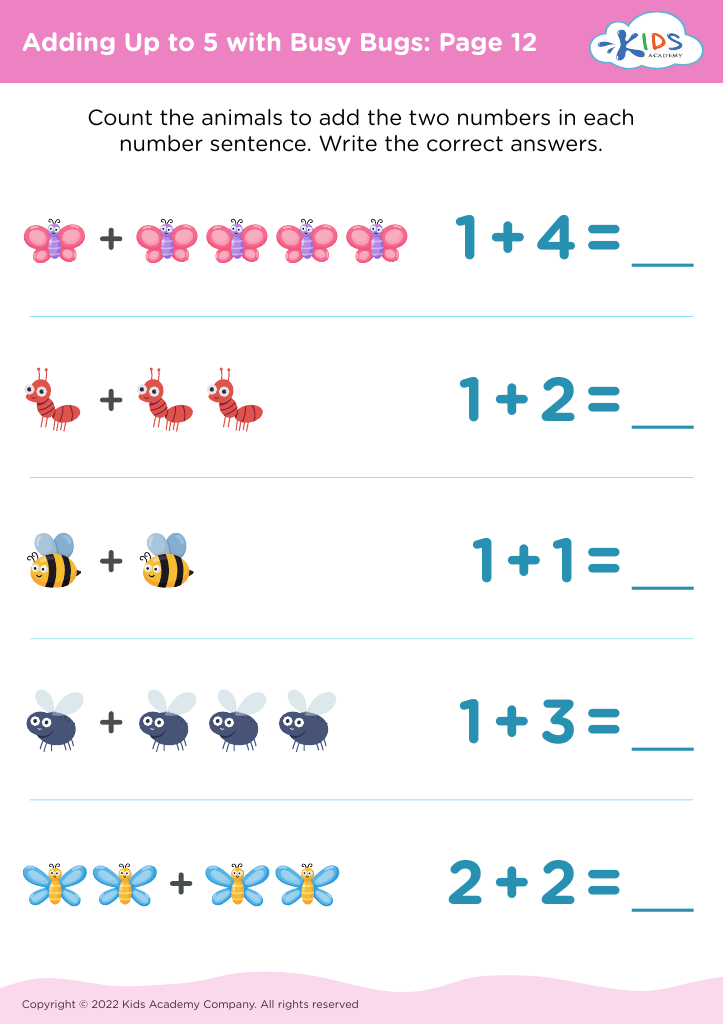
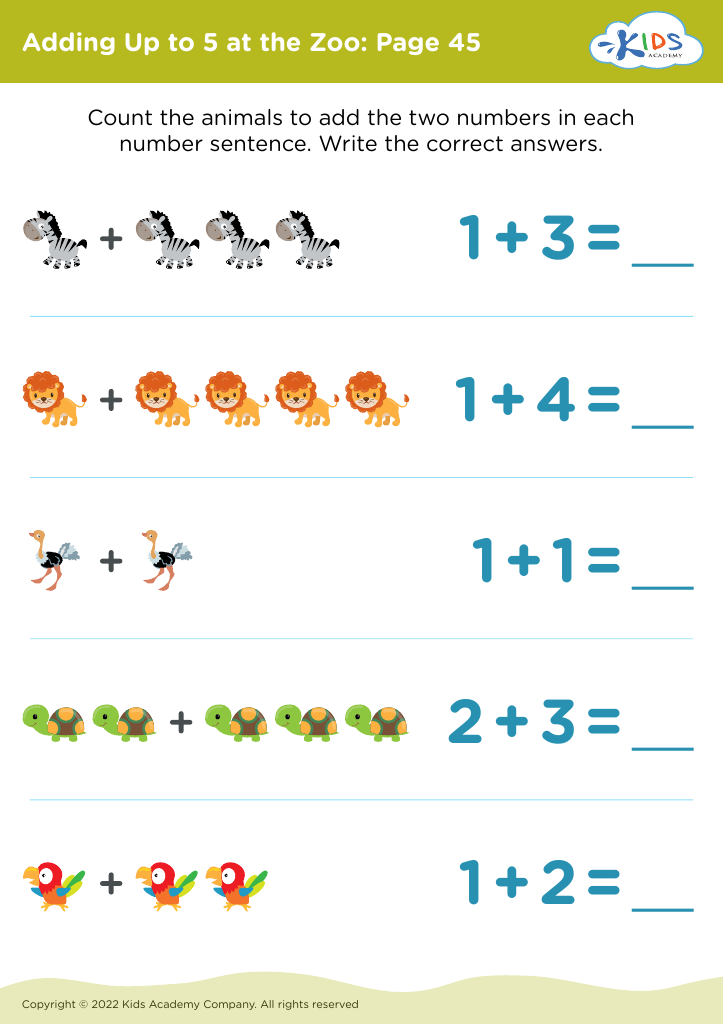
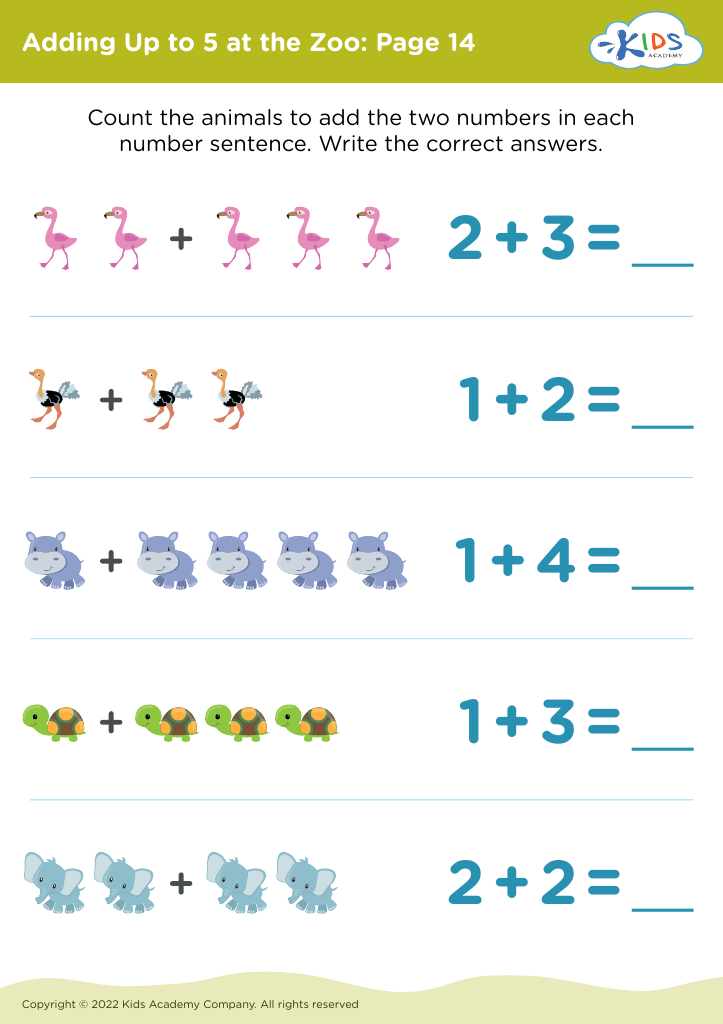
Unlock your child's potential with our "Understanding Number Value" Math Worksheets for ages 3-6! Designed to build foundational numeracy skills, these engaging worksheets help children grasp the concept of number value through fun, interactive activities. Each sheet features vibrant illustrations and easy-to-follow tasks, making learning both enjoyable and effective. Perfect for preschoolers and kindergarteners, our worksheets aim to strengthen counting abilities, number recognition, and early arithmetic. Start your child's math journey with resources tailored to inspire confidence and a love of learning. Download now for an essential boost in early math skills!








Understanding number value is a fundamental skill for young children aged 3-6, forming the cornerstone for future mathematical learning and overall cognitive development. At this formative stage, children are naturally curious and adept at absorbing new information, making it the perfect time to introduce essential math concepts.
When parents and teachers focus on number value awareness in early childhood, they provide children with crucial skills such as counting, recognizing numbers, and understanding their significance and placement. These foundational abilities contribute significantly to a child's ability to perform more complex mathematical operations as they progress in their education.
Furthermore, grasping number value enhances a child's problem-solving skills and logical thinking. It enables them to comprehend other core subjects such as science and even areas outside of academics like daily life skills, including measuring ingredients for cooking or understanding money. Early exposure to these concepts in a structured yet engaging manner makes learning math enjoyable and reduces future math anxiety, promoting a positive attitude towards the subject.
Ensuring that kids aged 3-6 understand number value can thus boost their overall academic confidence, setting them on a path to success not only in mathematics but in various disciplines and real-life applications. Both parents and teachers play crucial roles in nurturing this foundational skill through playful, hands-on learning experiences.








