
Visual learning reinforcement Math Worksheets for Ages 3-6
7 filtered results
Difficulty Level
Grade
Age
-
From - To
Subject
Activity
Standards
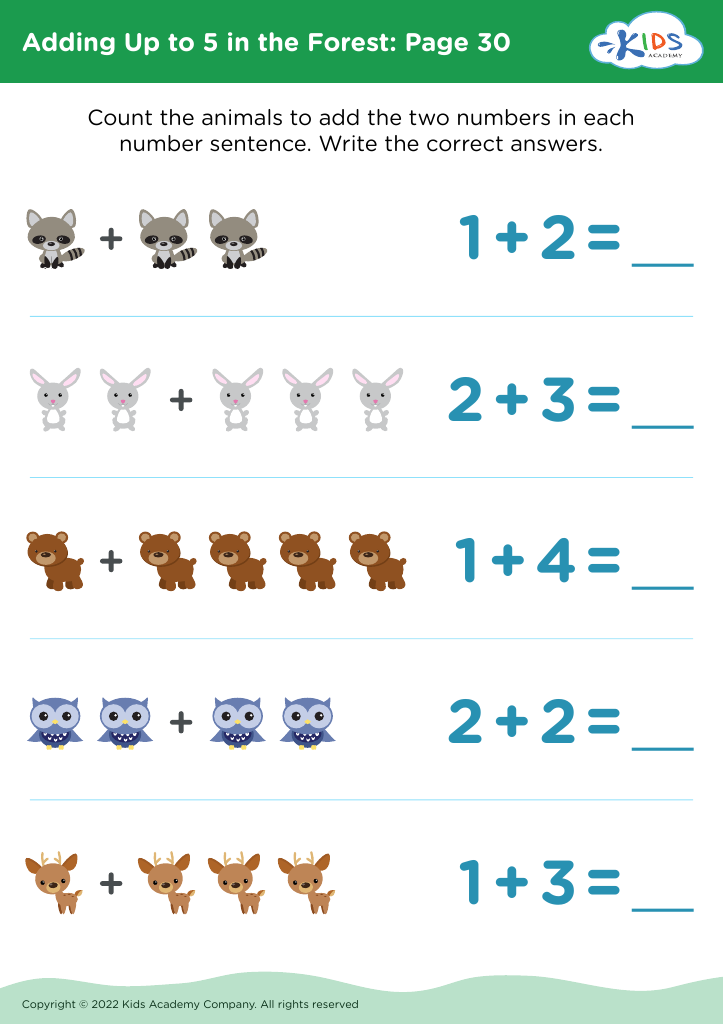
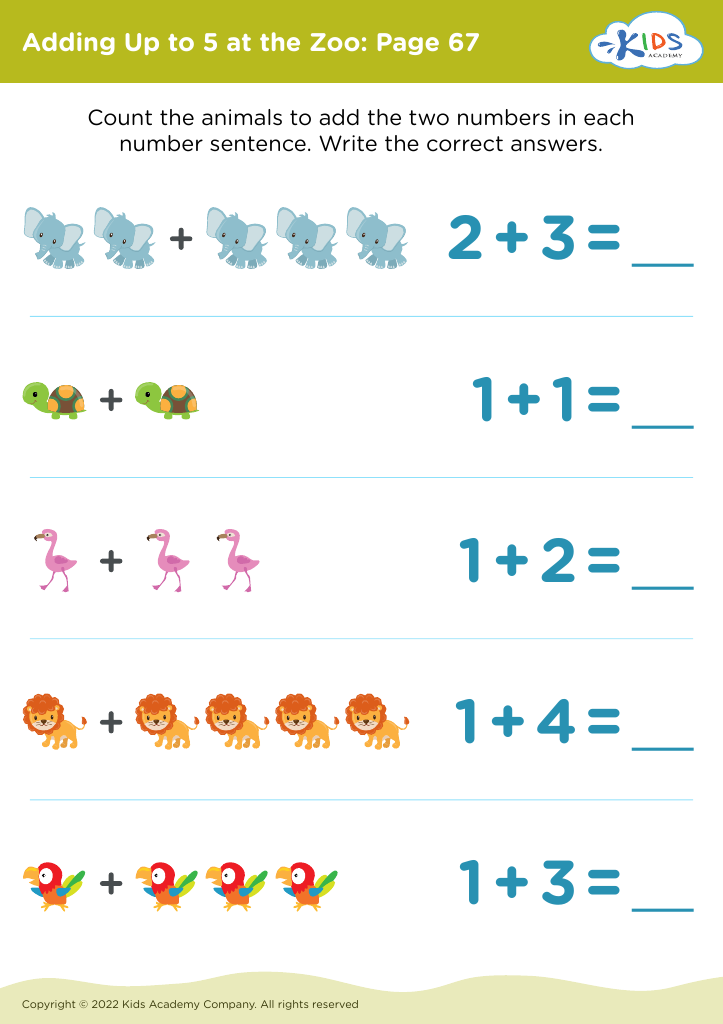
Discover engaging Visual Learning Reinforcement Math Worksheets designed specifically for children ages 3-6. Our worksheets incorporate vivid illustrations and interactive tasks to help young learners understand mathematical concepts through visual aids. These activities promote problem-solving skills while making learning fun and approachable. With a variety of topics including number recognition, basic addition and subtraction, and pattern identification, your child can develop essential math skills at their own pace. Perfect for parents and educators alike, our printable resources support early math literacy while encouraging cognitive development. Explore our worksheets today and transform your child's learning experience with colorful visuals and interactive challenges!
Favorites
With answer key
Interactive
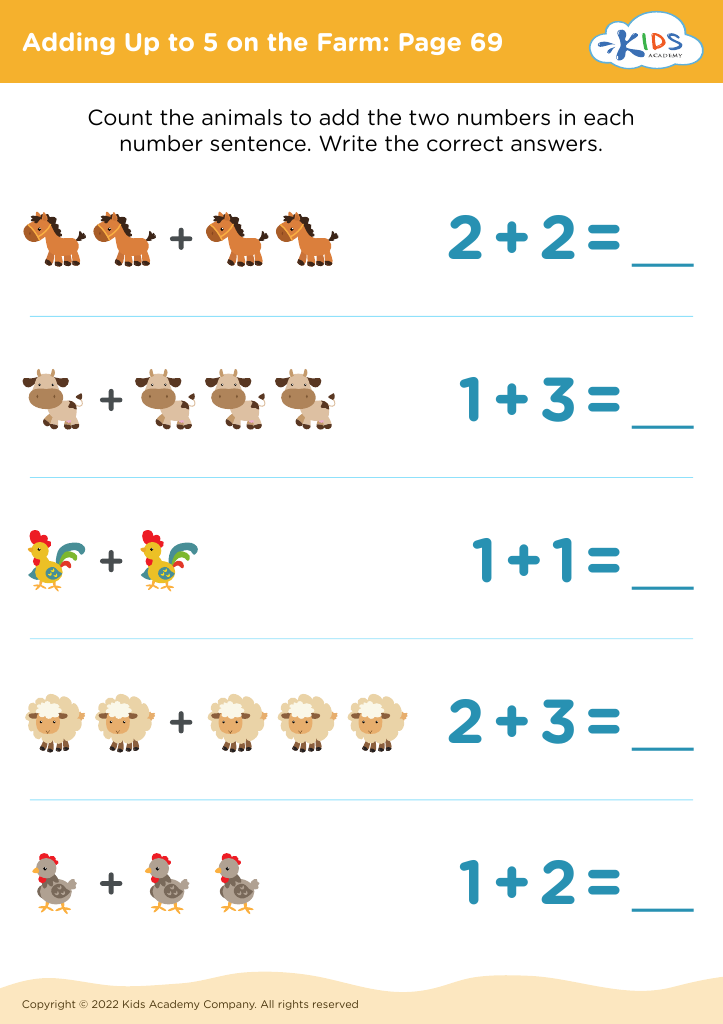
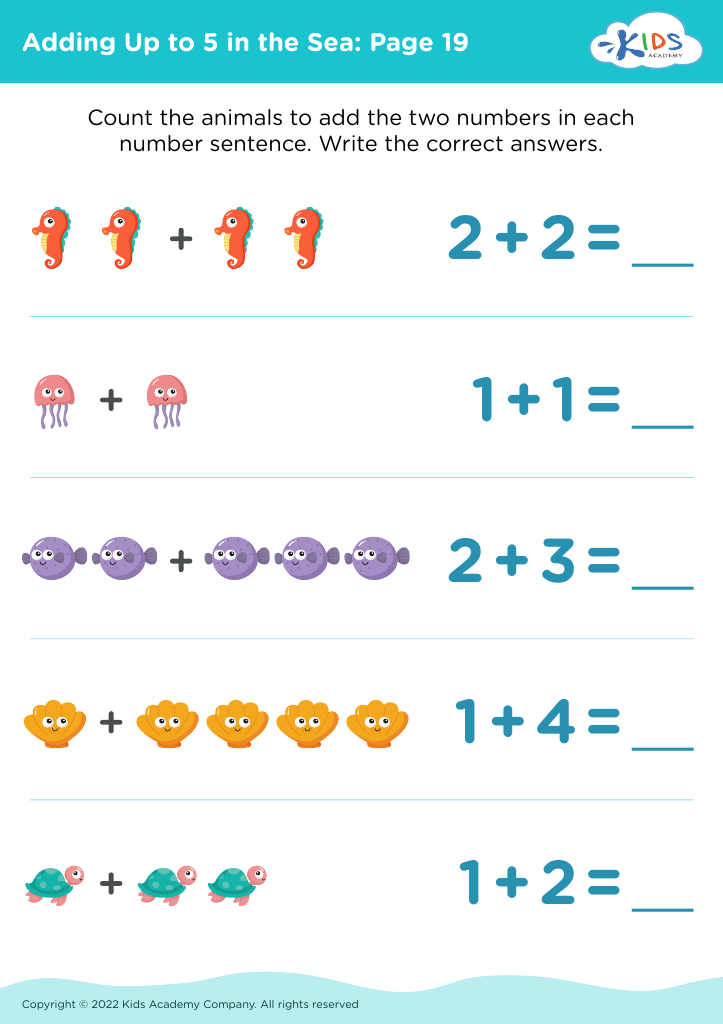
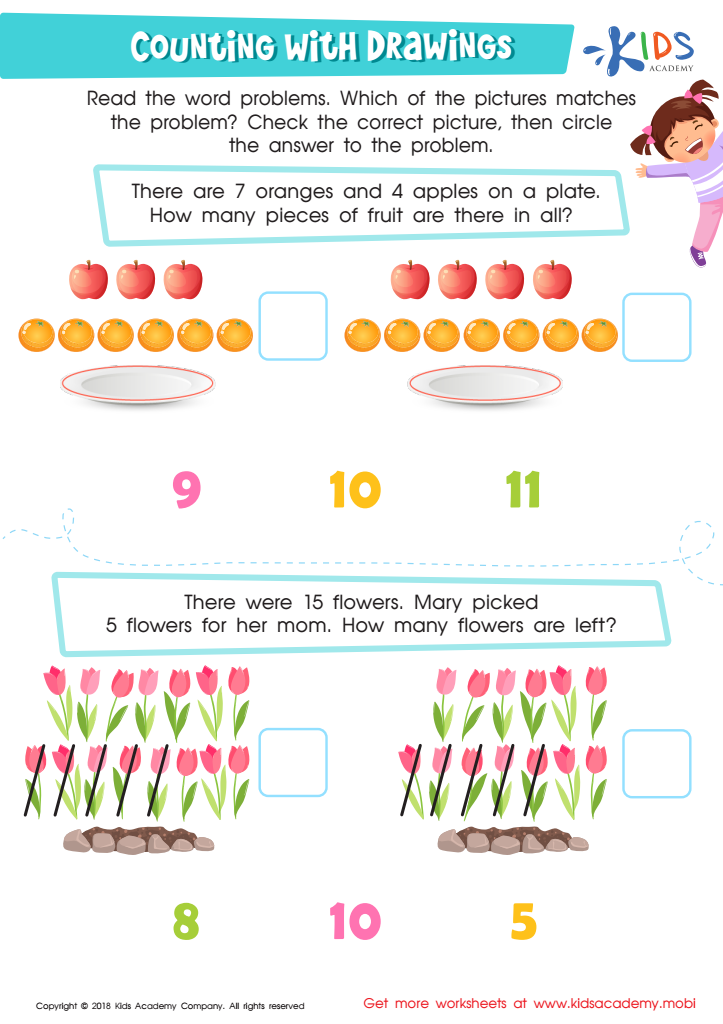
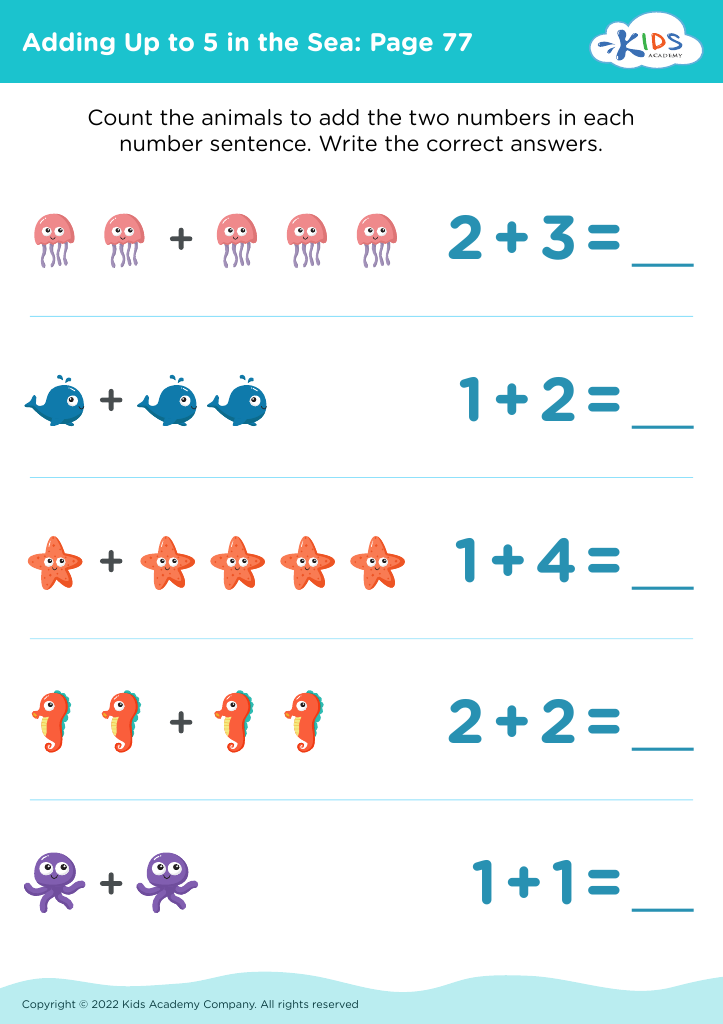
Counting with Drawings: Fruits & Chocolates Worksheet
Learning basic addition and subtraction has never been easier with this free worksheet! Young mathematicians can sort & count to get the right sum or difference for each problem. Plus, they'll practice fine motor skills by circling the correct answer. An ideal way to help kids build important visual recognition and discernment skills.
 Assign to My Students
Counting with Drawings: Fruits & Chocolates Worksheet
Worksheet
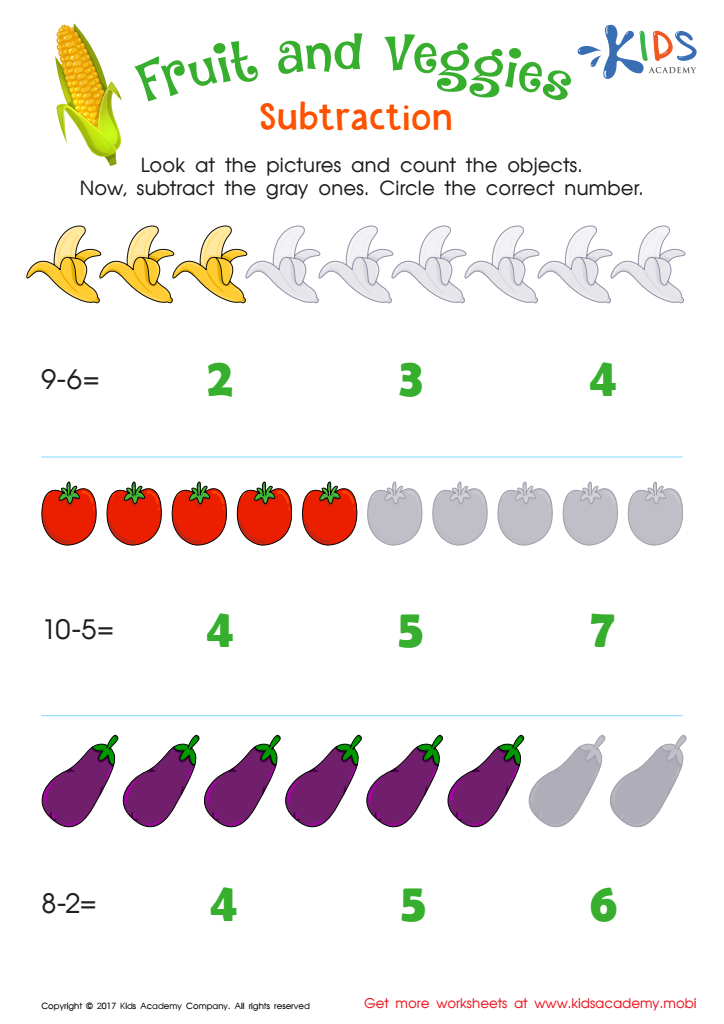
Fruit and Veggies Subtraction Worksheet
Kids learn subtraction with this fun worksheet: fruits and veggies! Kids use pictures to count or take away to get the right answer, aiding in understanding subtraction better.
Fruit and Veggies Subtraction Worksheet
Worksheet
Join Kids Academy for Free
Who is primarily going to use this learning content?







Visual learning reinforcement in math for ages 3-6 is crucial due to several key reasons. First, young children are inherently visual learners, often absorbing information better through images, colors, and shapes than through verbal instruction alone. This age group is particularly receptive to visual stimuli, which helps strengthen understanding and retention of mathematical concepts such as counting, shapes, and patterns.
Engaging children through visually stimulating materials—like picture books, flashcards, and interactive materials—can make abstract concepts more tangible. For example, using blocks or drawings to illustrate addition and subtraction encourages hands-on learning and promotes problem-solving skills. Such techniques also foster critical thinking as children start to visualize mathematical relationships.
Additionally, visual learning can help combat math anxiety, which often starts at a young age. By creating a rich visual language around math, parents and teachers help instill confidence and a positive attitude towards math in young learners. This foundational positive experience sets the stage for future academic success.
Incorporating visual elements into early education not only makes learning fun and engaging but also supports cognitive development, making it easier for young children to grasp and retain mathematical concepts essential for their ongoing education.








