Improve reading comprehension Reading Non-Fiction Worksheets for Ages 3-6
3 filtered results
-
From - To
Welcome to our "Improve Reading Comprehension: Non-Fiction Worksheets for Ages 3-6"! This engaging resource is designed to boost young learners' reading skills through interactive and informative content. Our worksheets are tailored for preschoolers and kindergarteners, helping them explore the world around them with age-appropriate non-fiction topics. By connecting reading with real-life concepts, children will enhance their comprehension abilities, vocabulary, and critical thinking. Each worksheet features vibrant illustrations and simple texts, making learning enjoyable and effective. Perfect for parents and educators, these resources provide a solid foundation for a lifelong love of reading. Unlock your child's potential today!
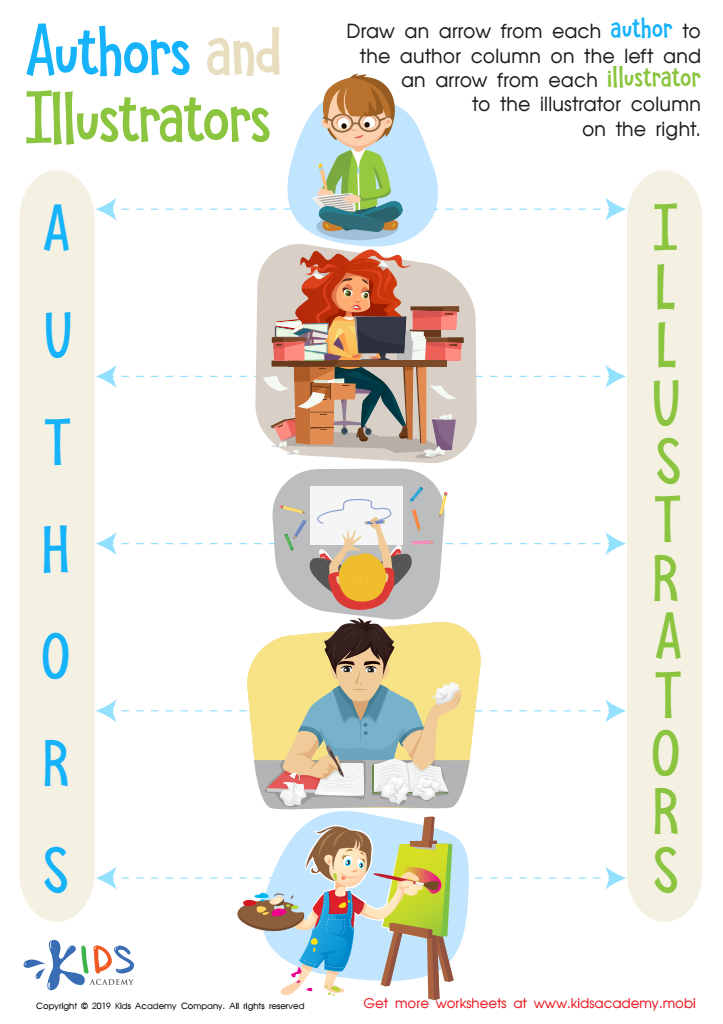
Authors and Illustrators Worksheet
 Assign to My Students
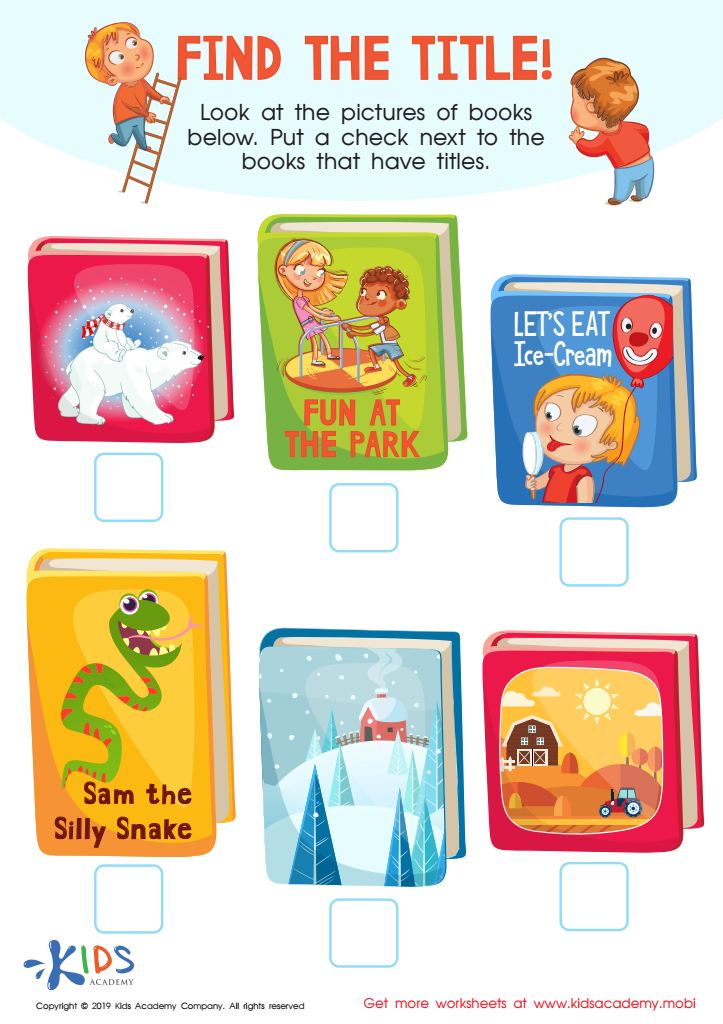
Find the Title Worksheet
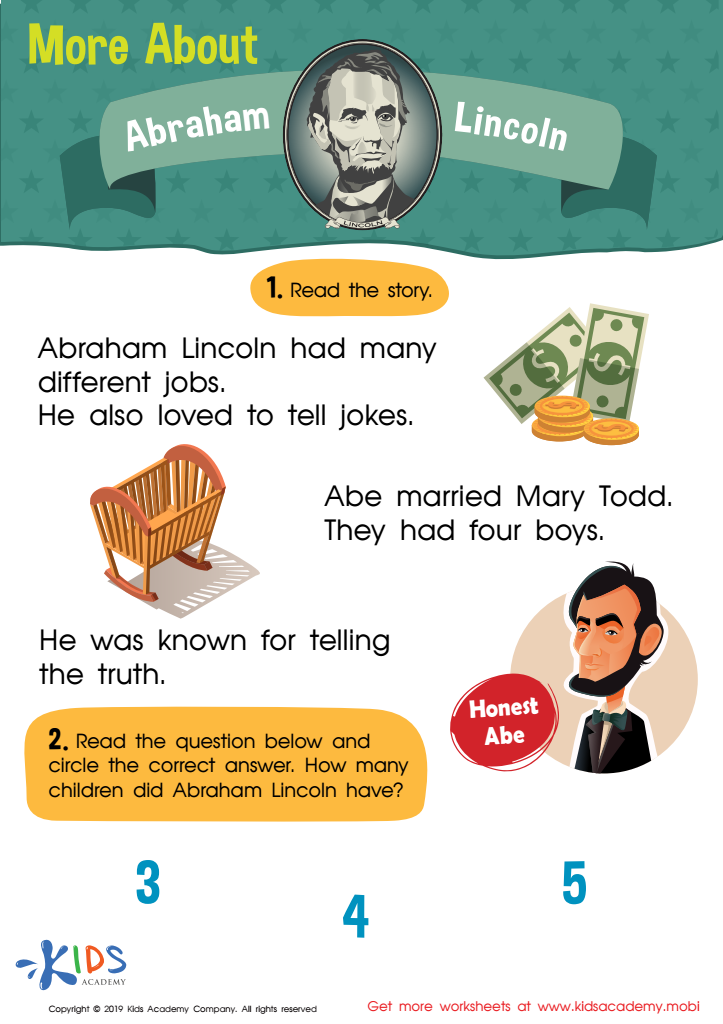
More About Abraham Lincoln Worksheet








Parents and teachers should prioritize improving reading comprehension of non-fiction texts for children ages 3-6 because it lays a crucial foundation for lifelong learning. At this formative stage, children are naturally curious, and engaging with non-fiction introduces them to the real world—from animals and science to cultures and environments. This type of reading stimulates their intellect, enhances vocabulary, and encourages critical thinking, as they learn to comprehend factual information and differentiate between fiction and reality.
Furthermore, non-fiction reading promotes analytical skills, as children learn to ask questions, summarize information, and think about content purposefully. These skills not only boost their comprehension abilities but also empower them to make informed decisions. As educators and caregivers expose young readers to non-fiction, they help cultivate a love for learning and inquiry, which is essential in a rapidly changing world.
Additionally, strong reading comprehension skills in early childhood correlate with academic success later on. By understanding non-fiction texts, children become better equipped to tackle more complex subjects in school. Ultimately, fostering these skills supports their overall development, enhancing both social and academic contexts, making it vital for parents and teachers to prioritize reading comprehension from an early age.








