Develop critical thinking Sight Words Worksheets for Ages 3-6
3 filtered results
Difficulty Level
Grade
Age
-
From - To
Subject
Activity
Standards
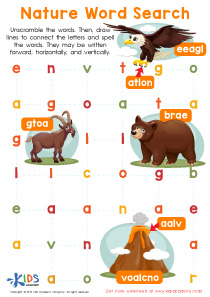
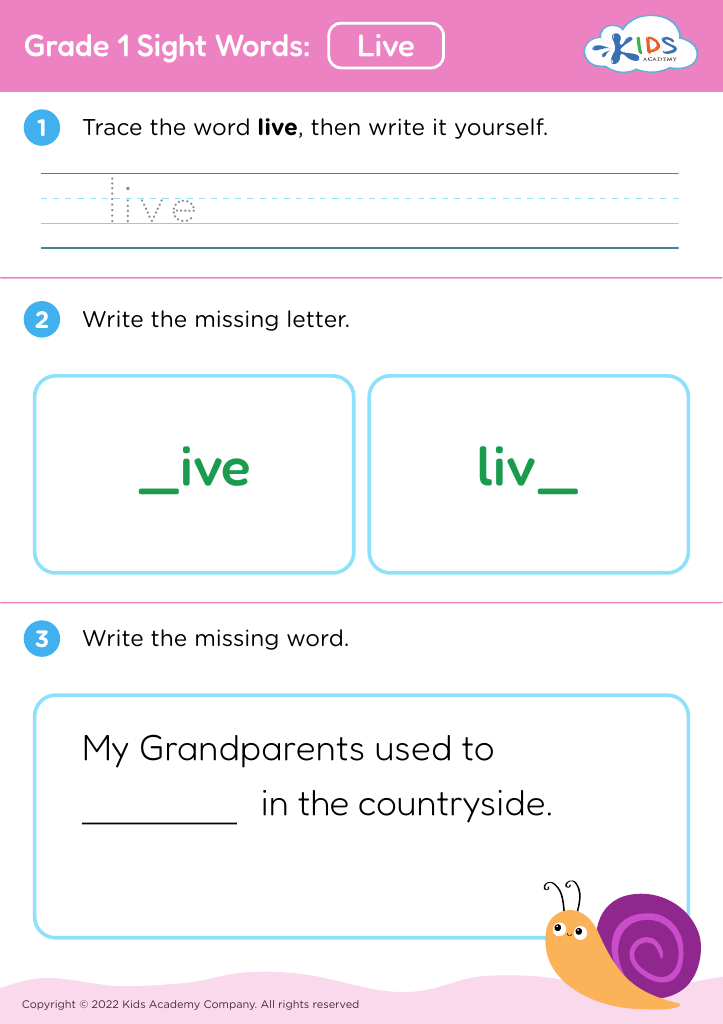
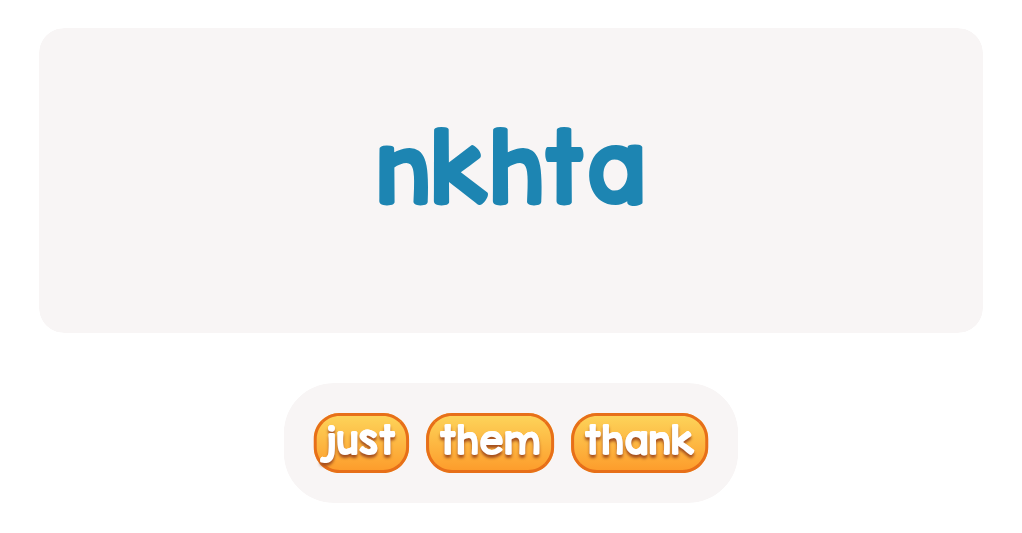
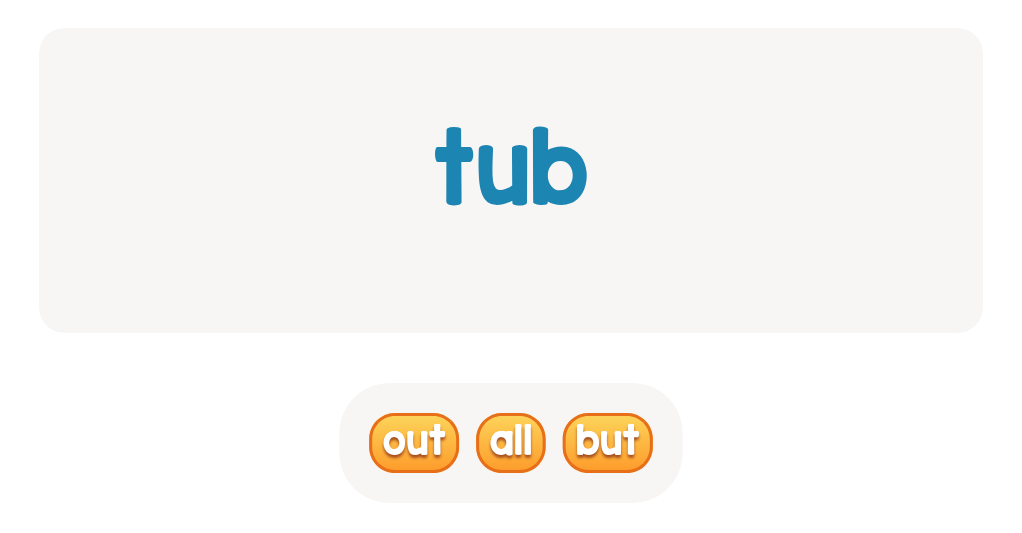
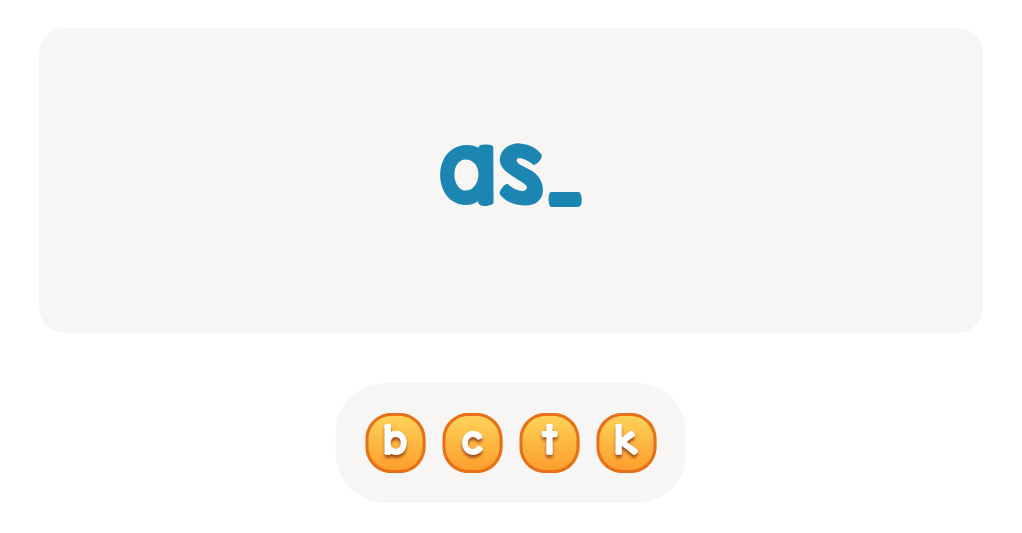
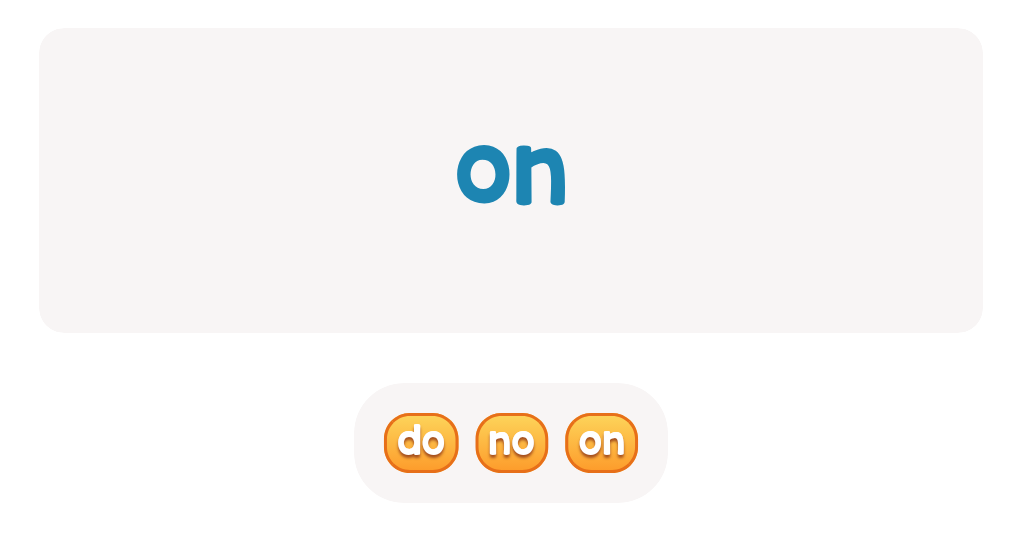
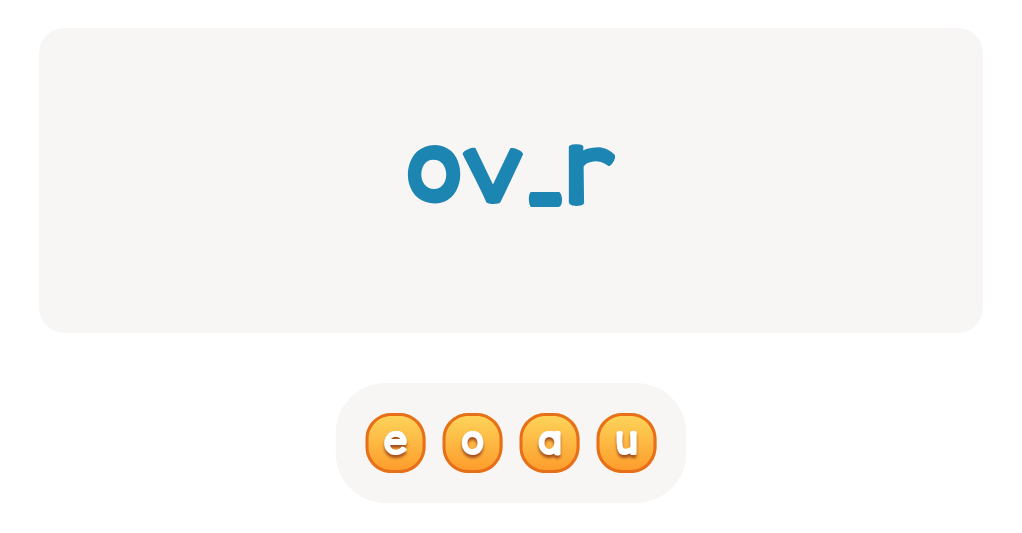
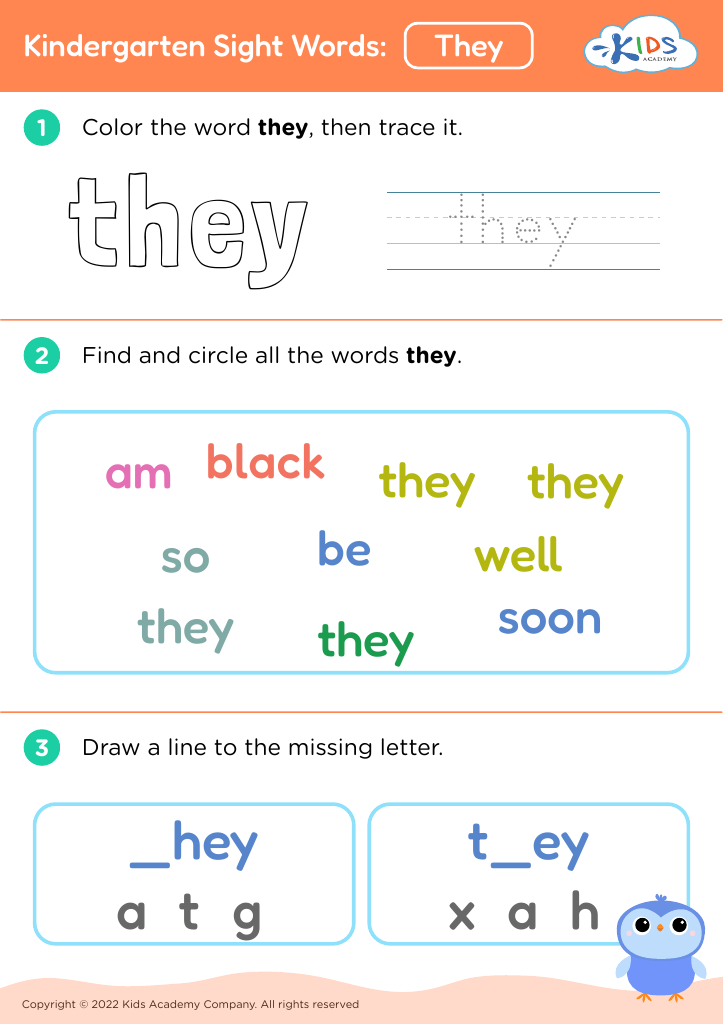
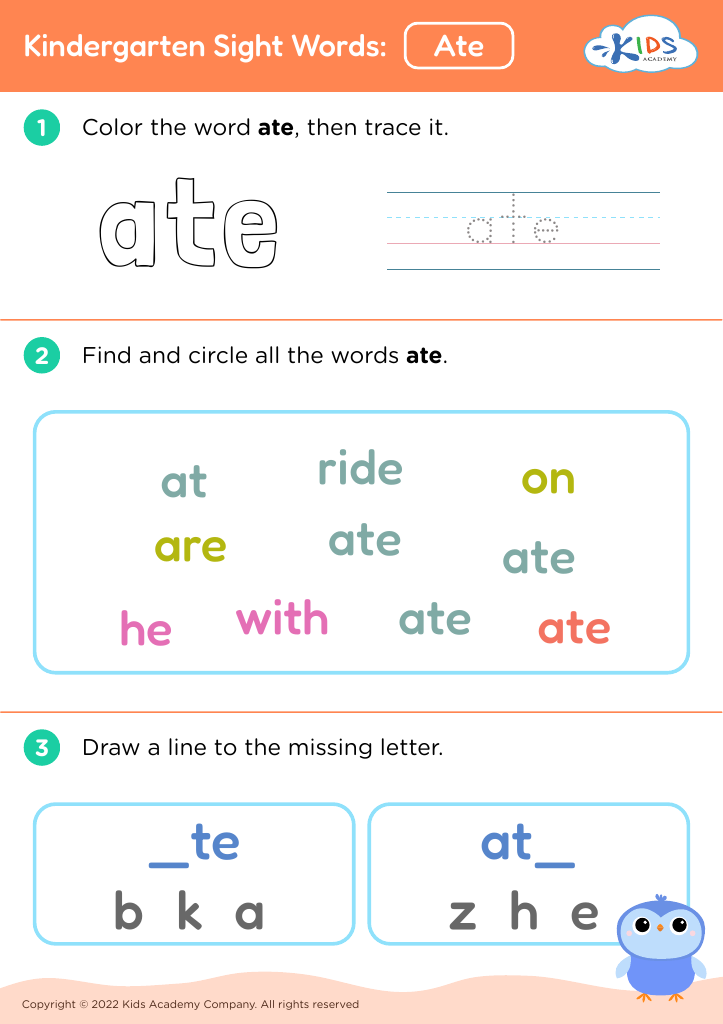
Explore our engaging Critical Thinking Sight Words Worksheets designed specifically for children aged 3-6! These worksheets not only help young learners recognize essential sight words but also encourage them to think critically, a fundamental skill for their future studies. Each activity seamlessly incorporates problem-solving tasks, visual reasoning, and comprehension exercises that challenge young minds while making learning fun. Perfect for parents and educators alike, these worksheets are a fantastic resource to promote early literacy, enhance vocabulary, and cultivate analytical skills. Download our printable worksheets today and watch your child's confidence and thinking abilities soar as they master sight words!
Favorites
With answer key
Interactive



Join Kids Academy for Free
Who is primarily going to use this learning content?




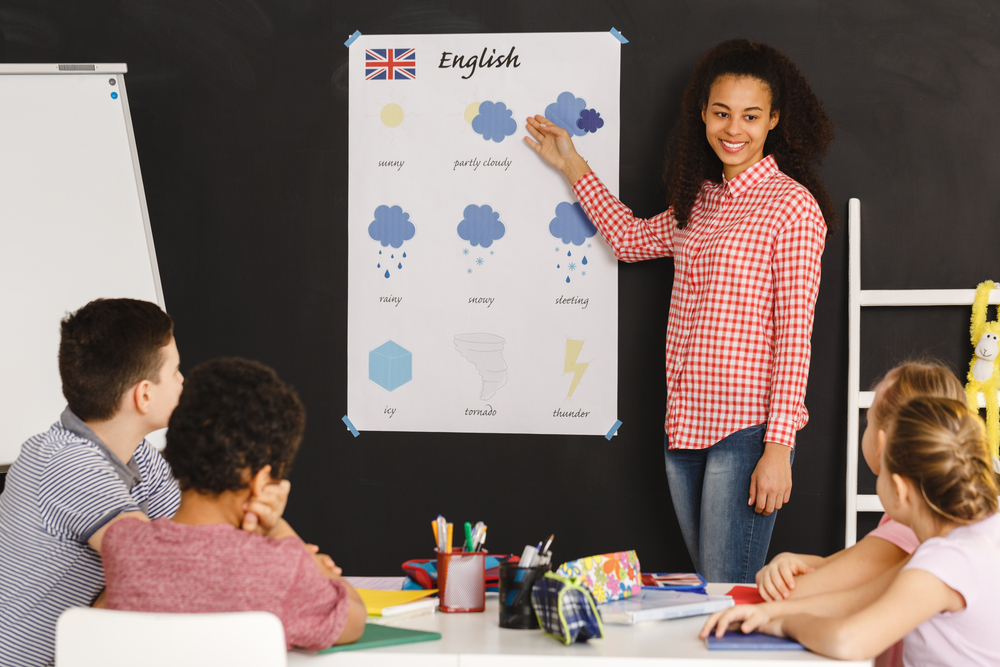



Developing critical thinking skills in young children, especially through the context of sight words, is essential for their cognitive development. For children ages 3-6, sight words are foundational components of reading that are frequently encountered in text. When parents and teachers focus on these words, they can foster not only literacy skills but also critical thinking.
Understanding sight words involves more than memorization; it requires children to make connections, ask questions, and analyze context. Engaging with these words encourages children to think about what they mean, recognize patterns in language, and consider different perspectives in storytelling. This process cultivates problem-solving abilities as children navigate reading challenges over time.
Additionally, critical thinking skills gained through sight word practice extend beyond reading—children learn to evaluate information, make decisions, and express their thoughts clearly. Parents and teachers play a vital role in nurturing these skills through interactive reading sessions, games, and discussions that prompt children to think critically. By prioritizing the integration of sight words with critical thinking skills, adults can provide a well-rounded educational foundation that empowers young learners to become thoughtful, independent thinkers in all areas of their lives.