Color Identification Flora and Fauna Worksheets for Ages 3-8
4 filtered results
-
From - To
Our engaging Color Identification Flora and Fauna Worksheets for ages 3-8 make learning fun and interactive! Crafted to capture young learners' fascination with nature, these worksheets help children identify and match colors found in a variety of plants and animals. Each sheet features beautifully illustrated scenes, combining the magic of coloring with educational prompts. As kids fill in the vibrant images, they enhance their understanding of color combinations and recognition skills. Perfect for home or classroom use, these worksheets foster creativity and nature appreciation, while laying the foundation for early scientific exploration. Dive into a world of color and discovery today!
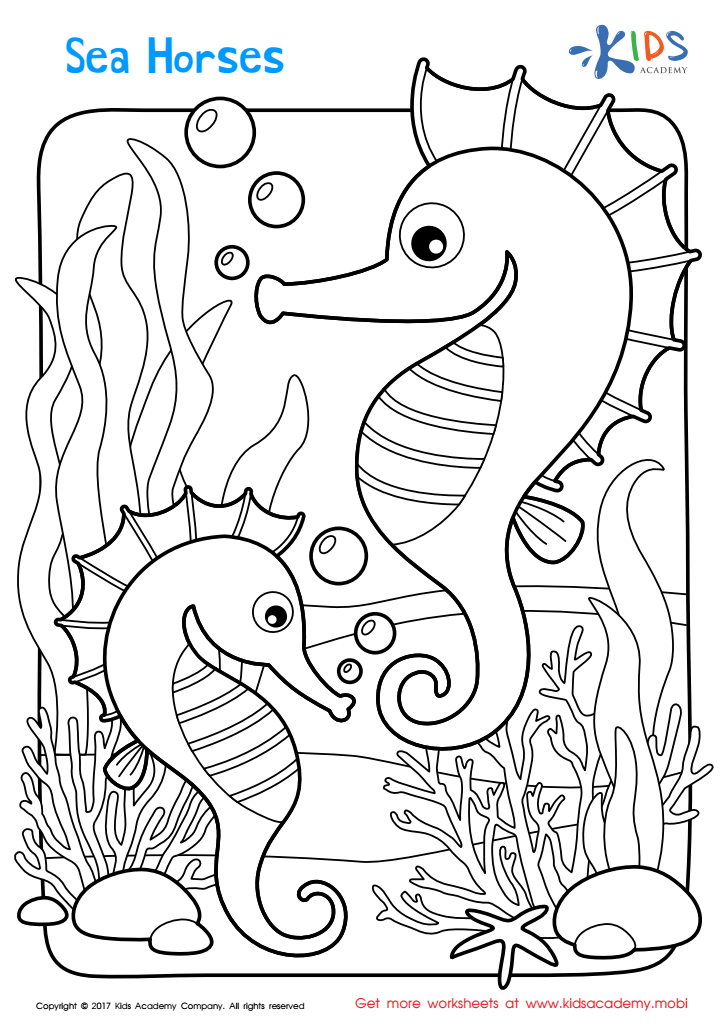
Sea Horses Printable
 Assign to My Students
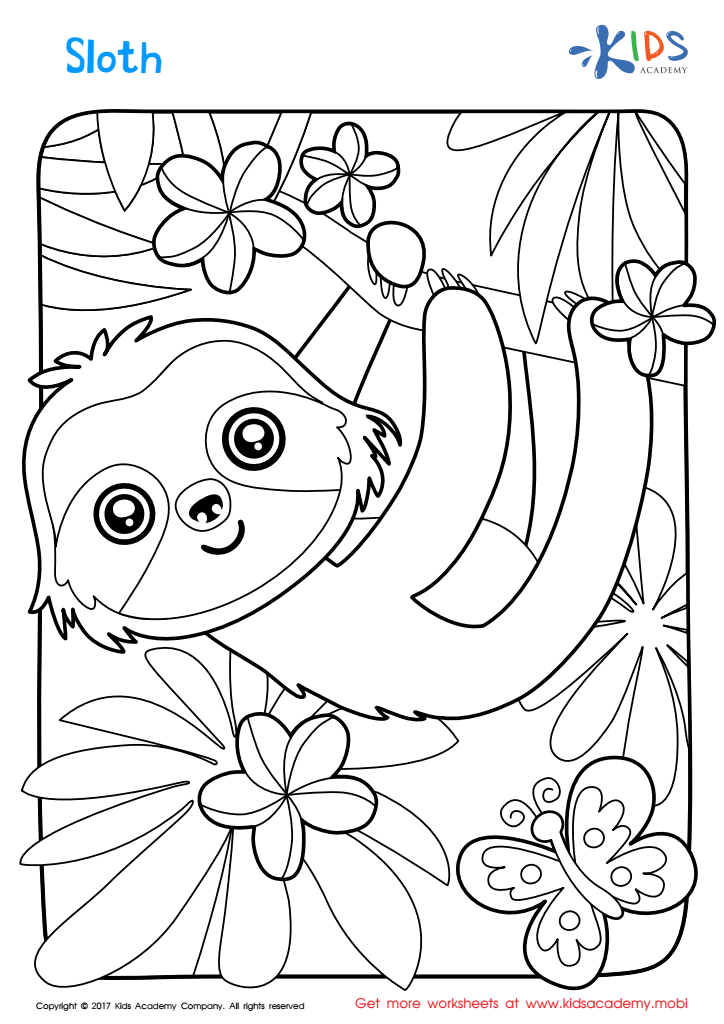
Sloth Worksheet
Assign to My Students
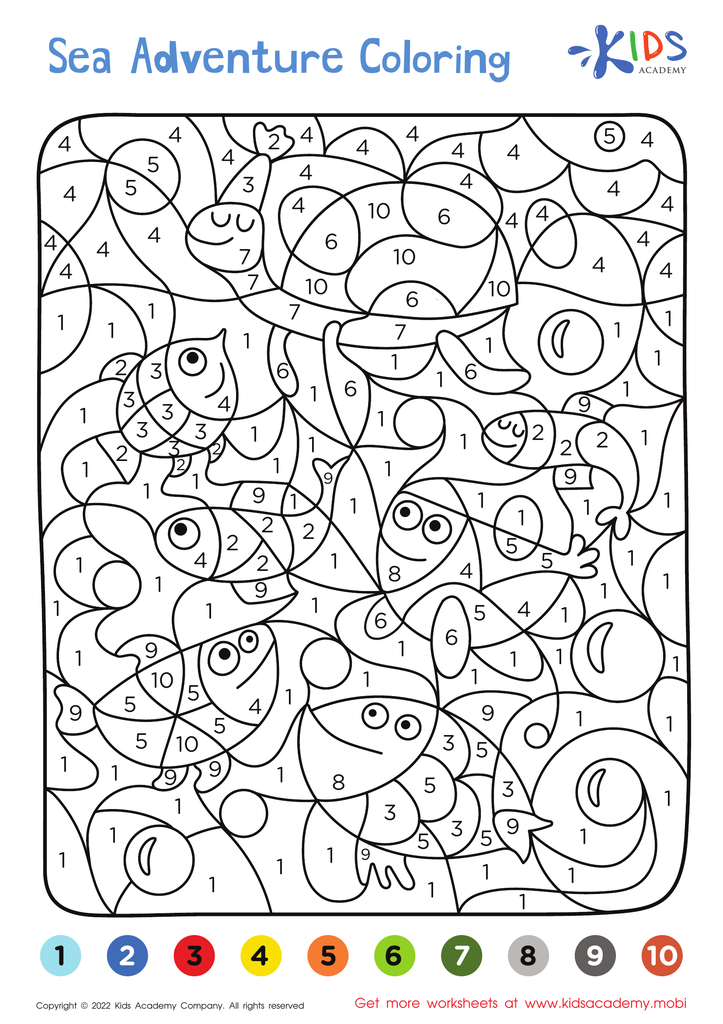
Sea Adventure – Coloring by Numbers
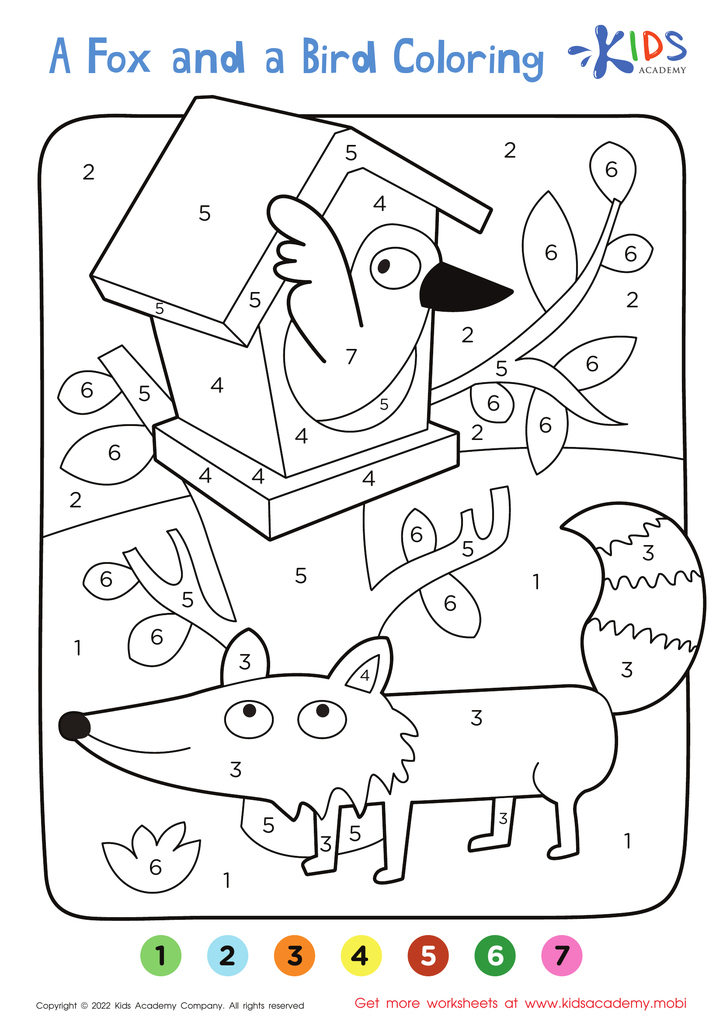
A Fox and a Bird – Coloring by Numbers


Engaging children aged 3-8 in color identification of flora and fauna holds significant educational and developmental benefits. At this critical stage, young minds are exceptionally receptive to learning and exploring the world around them. Color identification enhances cognitive skills by boosting memory, attention to detail, and classification ability. These early skills are foundational for later scientific and mathematical learning.
Recognizing the colors in plants and animals can also enrich children's vocabulary, introducing them to new words and descriptive language. This sense of curiosity and expanding language skills are crucial for literacy development. Additionally, color identification can foster a child's sense of wonder and appreciation for nature, cultivating an early understanding of environmental awareness and responsibility.
Children also benefit socially and emotionally from these activities. Group discussions about colorful flowers or vibrant animals encourage teamwork, enhancing social skills such as sharing and communication. Emotionally, engaging with nature can reduce stress and foster emotional well-being.
Moreover, identifying colors in the natural world encourages experiential learning through outdoor exploration. This active learning approach helps develop motor skills and provides vital sensory experiences, contributing to overall growth. Therefore, parents and teachers have compelling reasons to support these activities—they nourish children’s intellectual, social, emotional, and physical development.