Basic math learning Worksheets for Ages 3-8
3 filtered results
-
From - To
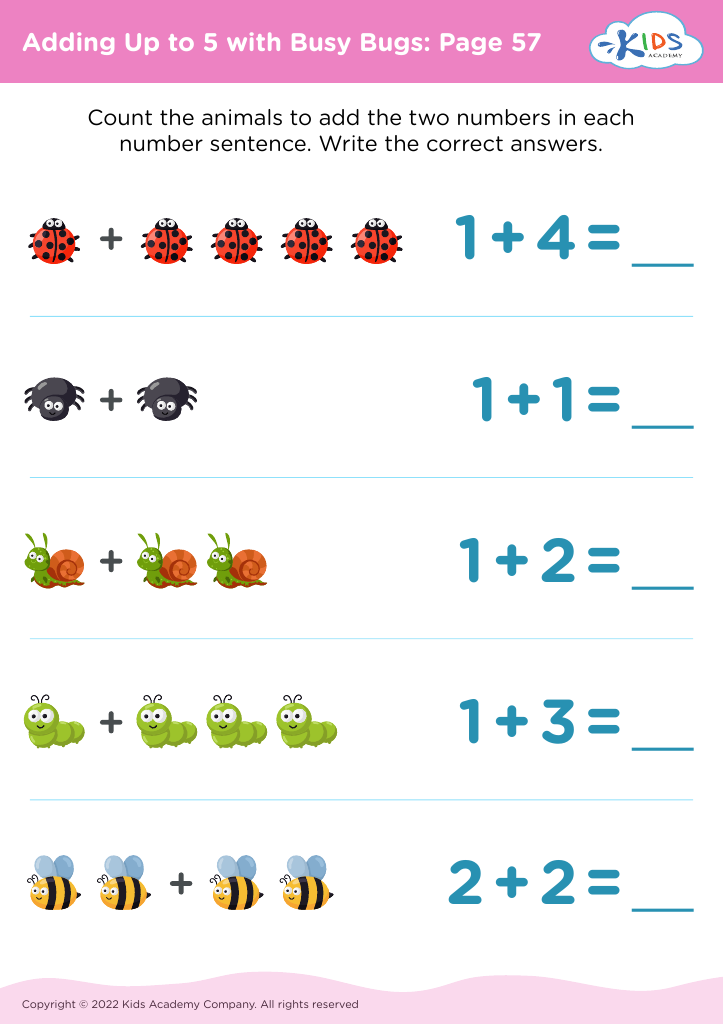
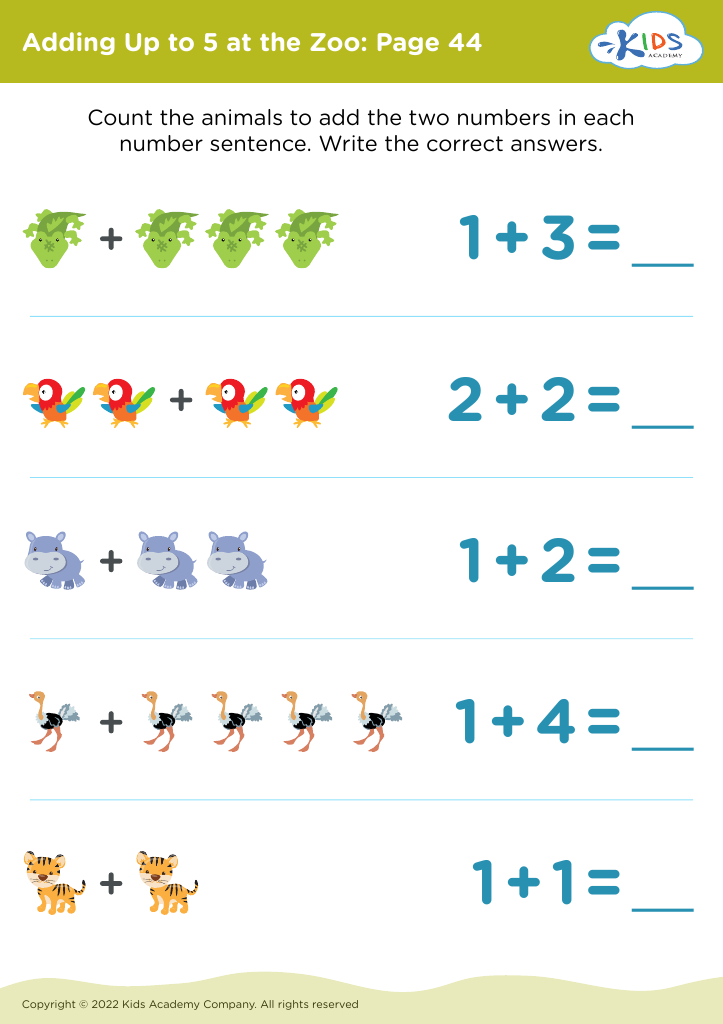
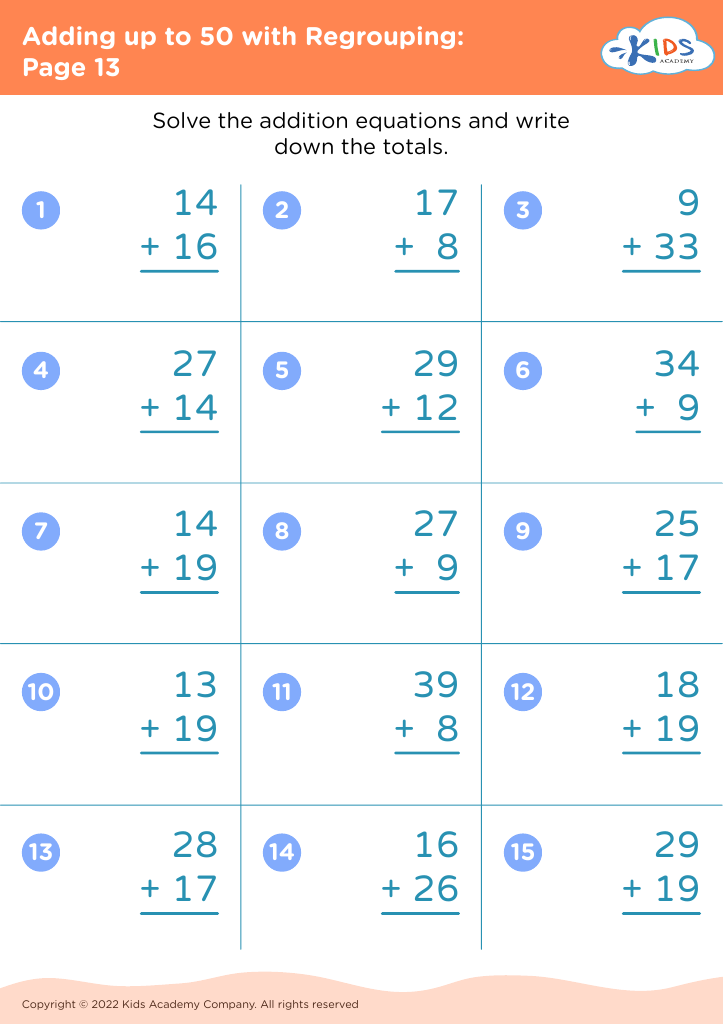
Discover our engaging collection of basic math learning worksheets designed specifically for children aged 3-8. These interactive resources aim to build foundational math skills through fun and age-appropriate activities. From counting and basic addition to shape recognition and number comparison, our worksheets support crucial learning milestones. Each activity encourages critical thinking and problem-solving in a playful way, fostering a love for math from an early age. Perfect for both classroom use and at-home learning, these worksheets provide a structured approach to math while keeping children entertained. Watch your young learners thrive in their mathematical journey with our expertly crafted materials.






.jpg)
Parents and teachers should prioritize basic math learning for children aged 3-8 because early mathematics forms the foundation for future academic success and critical thinking skills. During these formative years, children develop essential numerical concepts that influence their ability to tackle more complex mathematical ideas later on. Engaging with foundational math—such as counting, recognizing patterns, and understanding basic operations—enhances cognitive development and encourages logical thinking.
Moreover, early math experiences promote problem-solving skills and instill a positive attitude toward learning. Children who develop strong mathematical skills early on gain confidence in their abilities, reducing anxiety in later educational settings. Furthermore, incorporating math into everyday activities makes learning fun and relatable, fostering a lifelong interest in the subject.
Research shows that early exposure to math correlates with improved performance in math throughout a child's academic career. As parents and teachers play a crucial role in guiding children’s learning, focusing on basic math not only aligns with educational standards but also equips children with vital skills for everyday life. Ultimately, investing in basic math learning is essential in helping young learners become proficient, confident individuals prepared for future challenges.








