Basic problem-solving Worksheets for Ages 3-8
3 filtered results
-
From - To
Discover our engaging Basic Problem-Solving Worksheets designed specifically for children aged 3-8! These interactive resources foster critical thinking skills and encourage young learners to tackle age-appropriate challenges in a fun and enjoyable way. With a variety of activities, such as puzzles, matching games, and simple scenarios, kids can develop their decision-making abilities while boosting creativity and problem-solving strategies. Ideal for both home and classroom use, our worksheets are a perfect tool for early education, promoting essential skills in a playful context. Explore our collection today and empower your child to become a confident problem solver!
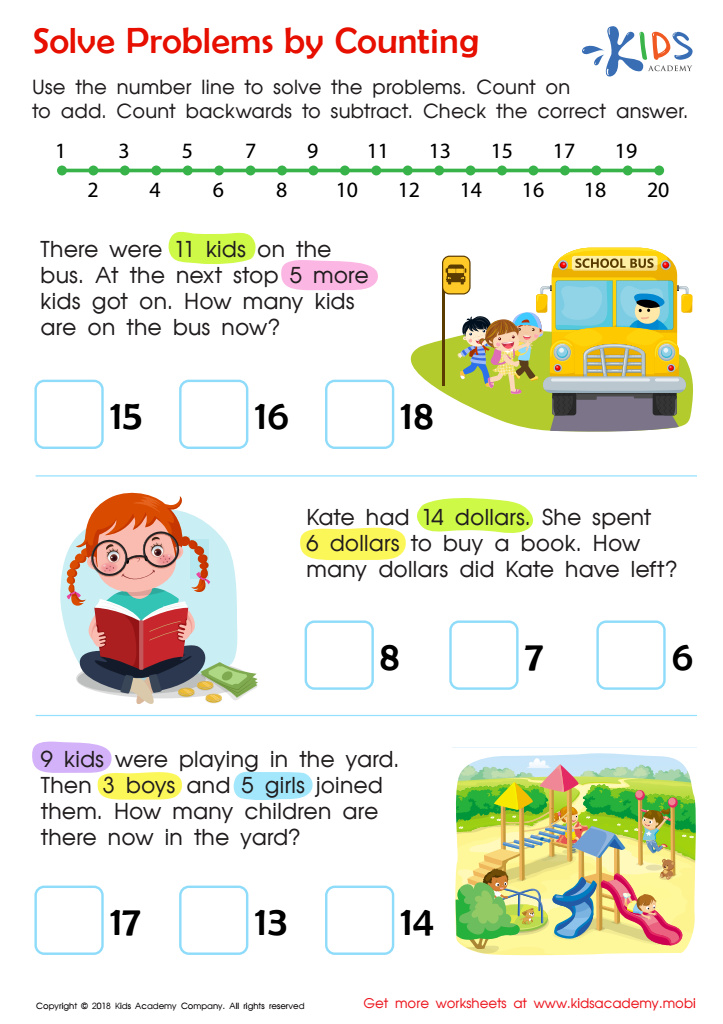
Solve Problems by Counting Worksheet
 Assign to My Students
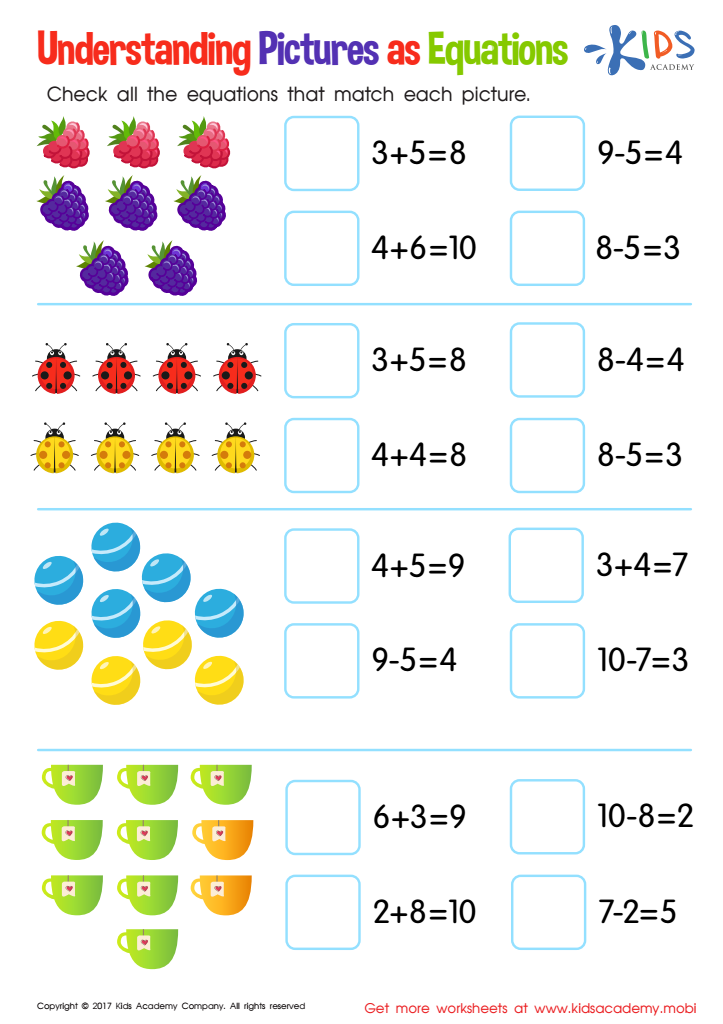
Understanding Pictures as Equations Worksheet
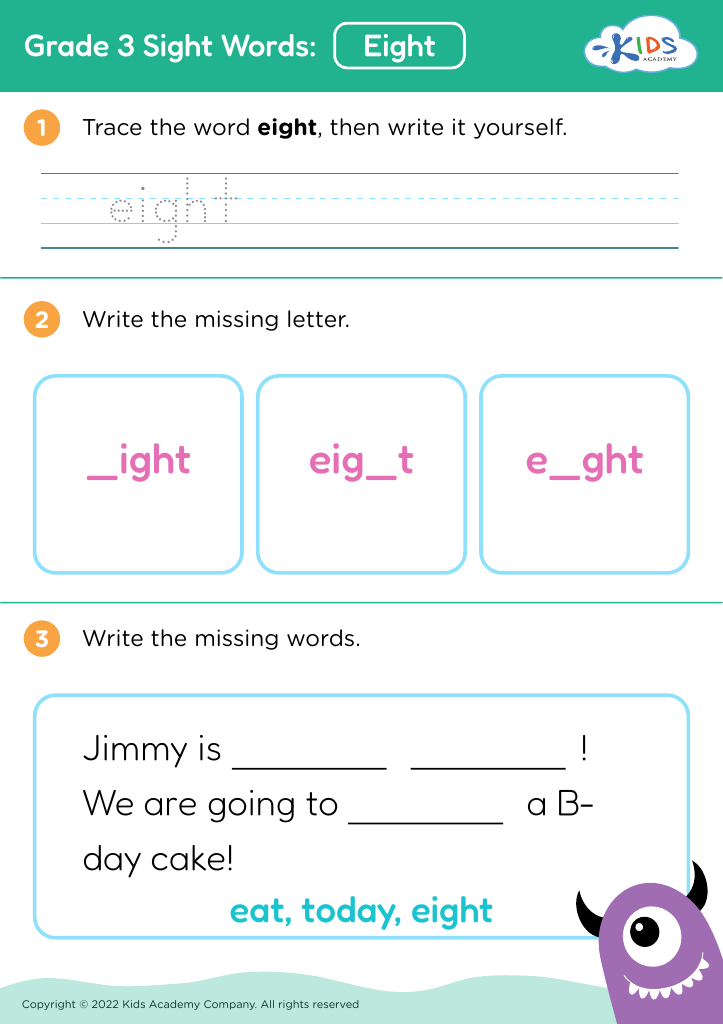








Basic problem-solving skills are crucial for children ages 3-8 as they form the foundation for lifelong critical thinking and decision-making abilities. During these formative years, children are naturally curious and eager to explore their environment. Engaging them in problem-solving activities helps nurture this curiosity, encouraging them to ask questions, gather information, and draw conclusions. It promotes cognitive development, enhancing their ability to think logically and consider multiple perspectives.
Additionally, problem-solving is intertwined with social skills. Children learn collaborative strategies when they work with peers or adults to tackle challenges, enhancing their communication and negotiation abilities. Recognizing and resolving conflicts is another vital area where problem-solving plays a significant role, fostering empathy and understanding among peers.
Moreover, problem-solving contributes to emotional resilience. When children face and navigate challenges, they develop a growth mindset, learning that making mistakes is an essential part of learning. This, in turn, helps them build perseverance and confidence in their abilities.
In summary, parents and teachers should prioritize problem-solving activities for young children, as these skills not only contribute to their intellectual development but also to their social-emotional growth, ensuring they become adaptable, confident, and capable individuals.








