Cultural awareness Worksheets for Ages 3-8 - Page 2
29 filtered results
-
From - To
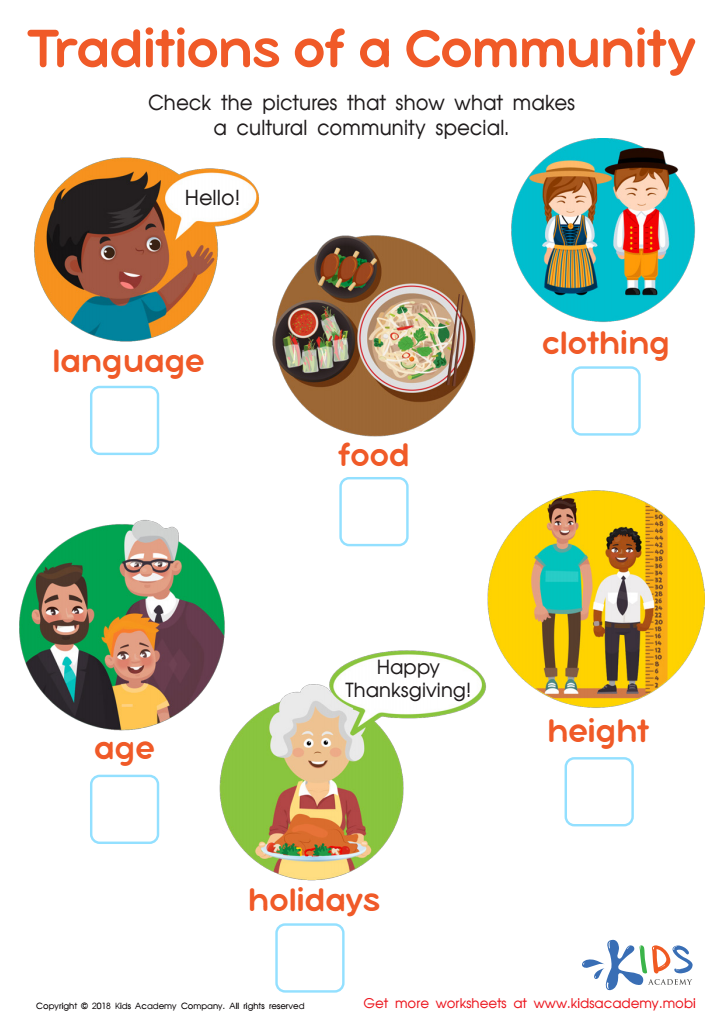
Traditions of a Community Worksheet
 Assign to My Students
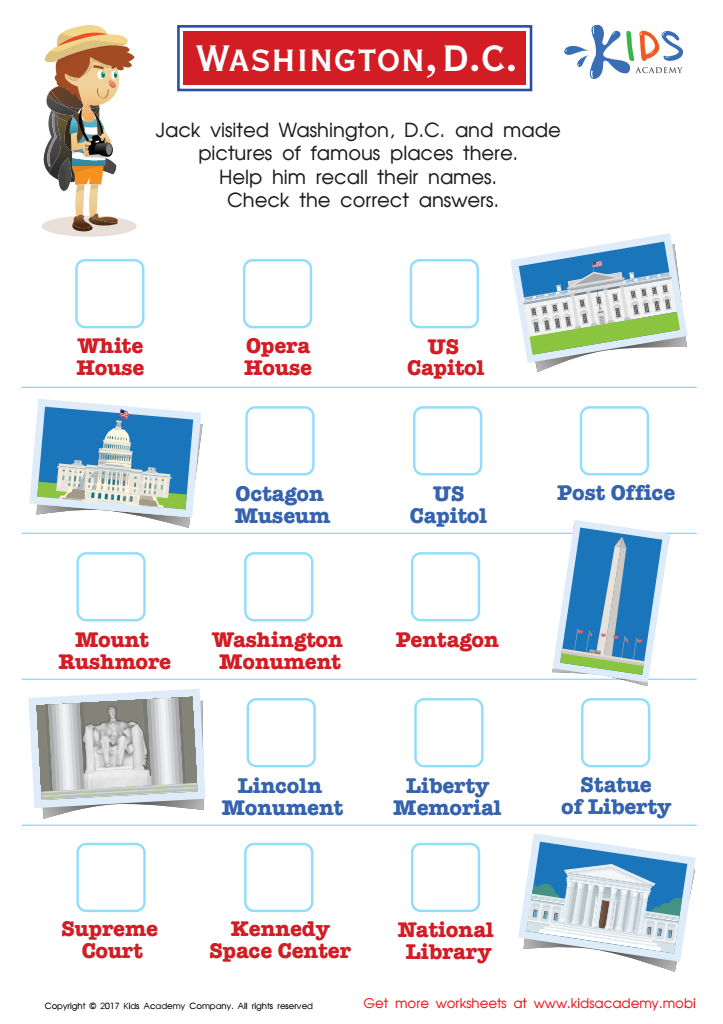
Washington D.C. Printable Worksheet
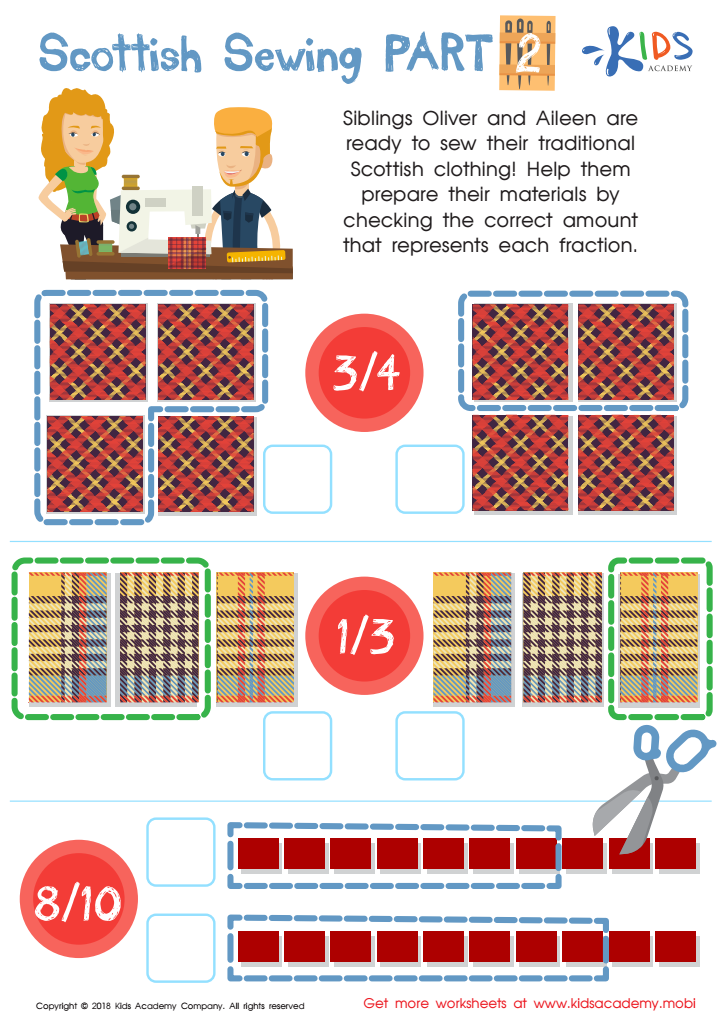
Scottish Sewing Part 2 Worksheet
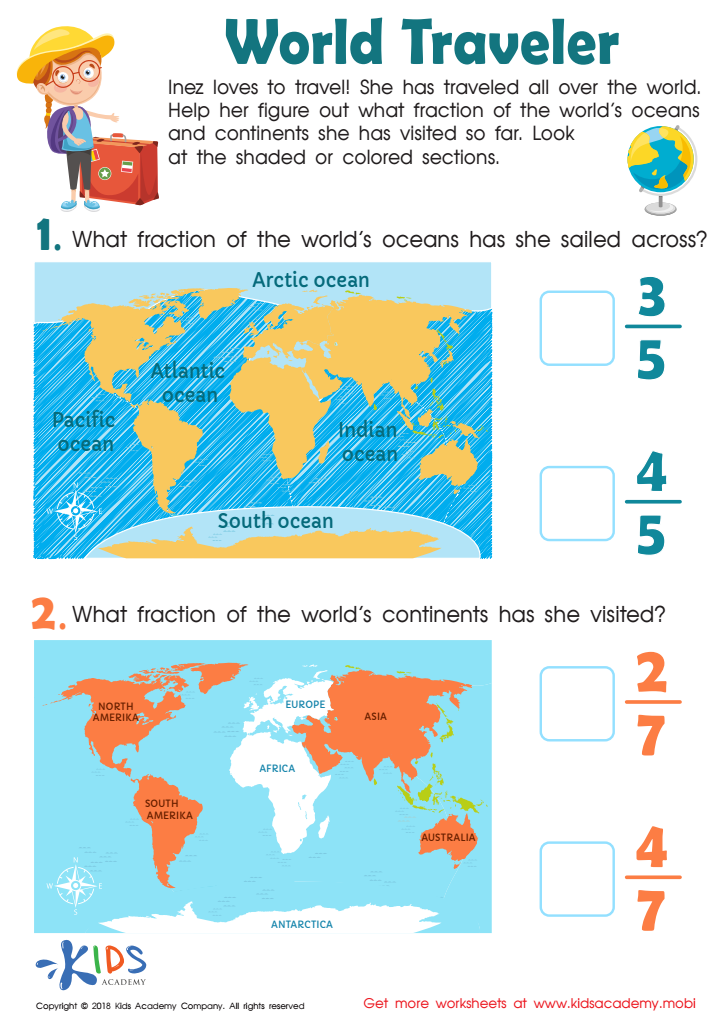
World Traveler Worksheet





.jpg)

At ages 3-8, children are in a crucial developmental phase where their understanding of the world is rapidly expanding. Cultural awareness at this stage offers significant benefits. First, it fosters respect and appreciation for diversity, helping children understand that people come from different backgrounds with varying traditions, customs, and perspectives. This early foundation reduces the likelihood of prejudices and stereotypes forming and promotes empathy.
Moreover, cultural awareness enhances cognitive and social skills. Interacting with diverse cultures can improve critical thinking and problem-solving abilities as children learn to view situations from multiple perspectives. Socially, it encourages effective communication and collaboration, preparing them for a diverse world.
Incorporating cultural awareness into early education also builds self-esteem and identity. For children from minority backgrounds, seeing their own cultures reflected positively in the curriculum boosts their sense of belonging and pride. Conversely, it broadens the worldview of children from majority cultures.
Finally, promoting cultural awareness early lays the groundwork for global citizenship. As our world becomes increasingly connected, understanding and respecting cultural differences is crucial for peaceful coexistence and global cooperation. Therefore, parents and teachers should prioritize cultural awareness to help children become compassionate, open-minded, and well-rounded individuals.








