Developing comprehension Worksheets for Ages 3-8
3 filtered results
-
From - To
Our "Developing Comprehension Worksheets for Ages 3-8" are designed to enhance young learners' understanding and critical thinking through engaging activities. Tailored for preschool to early elementary ages, these worksheets help children grasp fundamental concepts, improve vocabulary, and boost reading skills. Crafted by educational experts, each worksheet nurtures a joy for learning while reinforcing comprehension. Ideal for both classroom and home use, they provide entertain yet challenging exercises to support children during their crucial development stages. Start your child’s learning journey today with Kids Academy’s tailored comprehension resources!
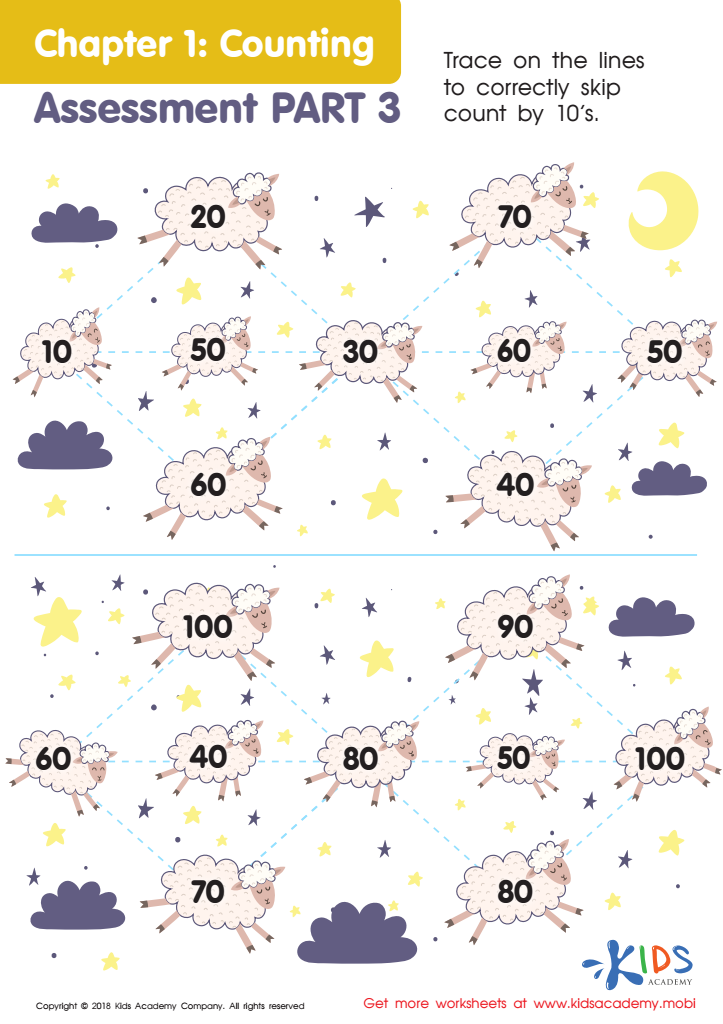
Counting: Assessment 3 Worksheet
 Assign to My Students
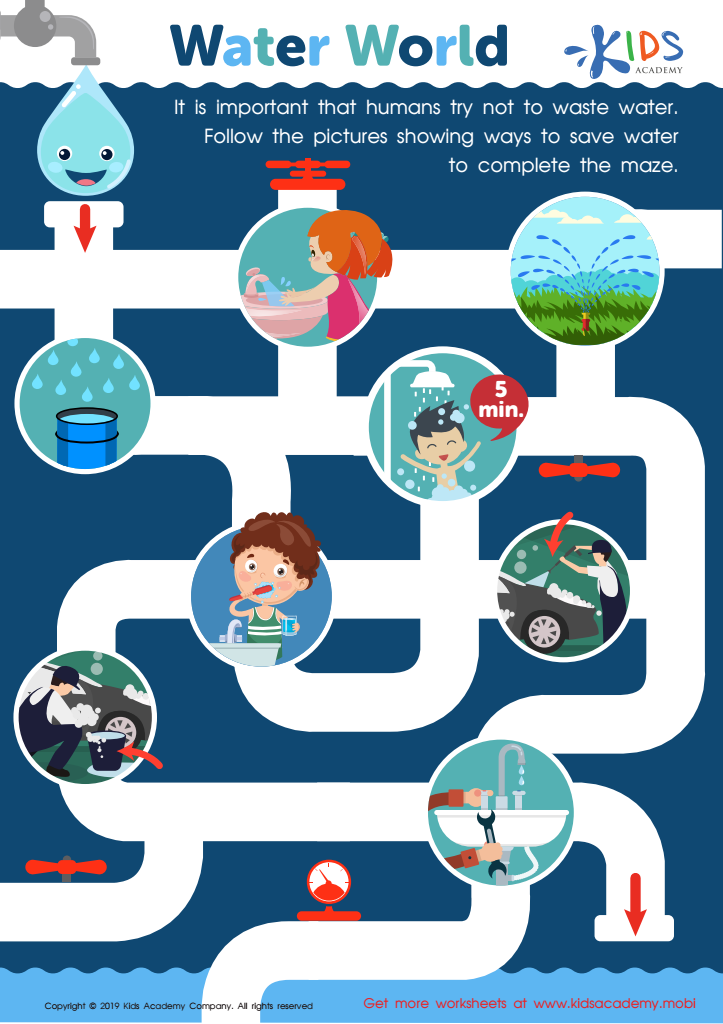
Water World Worksheet
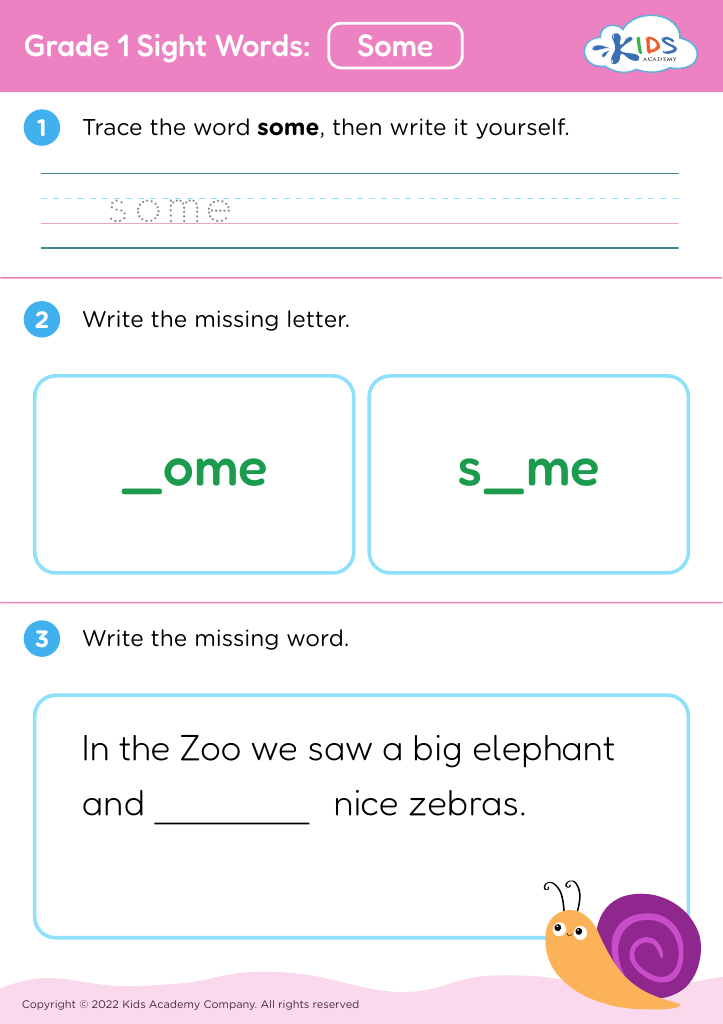








Developing comprehension skills in children ages 3-8 is essential because these years lay the foundation for future learning and academic success. Comprehension goes beyond simple word recognition; it equips young children with the ability to understand, interpret, and engage with the material they read or hear. For parents and teachers, fostering these skills can vastly improve a child's educational trajectory and general cognitive development.
Strong comprehension skills in early years improve vocabulary, promote critical thinking, and enhance the ability to express ideas clearly. When children understand what they read or hear, they can make connections between new information and their existing knowledge, thus enriching their learning experience.
Furthermore, early comprehension skills are crucial for developing a love of reading and learning. If a child struggles to understand texts, they may become frustrated and lose interest in learning activities. Conversely, children who grasp or follow storytelling and reading are more likely to see reading as an enjoyable activity, encouraging lifelong literacy habits.
For parents and teachers, investing time in activities like reading aloud, asking open-ended questions, and engaging in discussions can support improved comprehension. This dedication not only boosts academic performance but also prepares children to navigate a world full of information effectively.








