Enhance memory recall Worksheets for Ages 3-8
3 filtered results
-
From - To
Boost your child's memory skills with our engaging memory recall worksheets designed for ages 3-8. These interactive activities encourage young learners to improve their retention and recall abilities through fun exercises that capture their attention. Featuring colorful illustrations and age-appropriate challenges, our worksheets help reinforce memory essentials while making learning enjoyable. Perfect for use at home or in the classroom, these resources aid cognitive development and enhance overall learning experiences. Explore our collection today and watch your child thrive as they strengthen their memory recall skills in an entertaining and educational way!
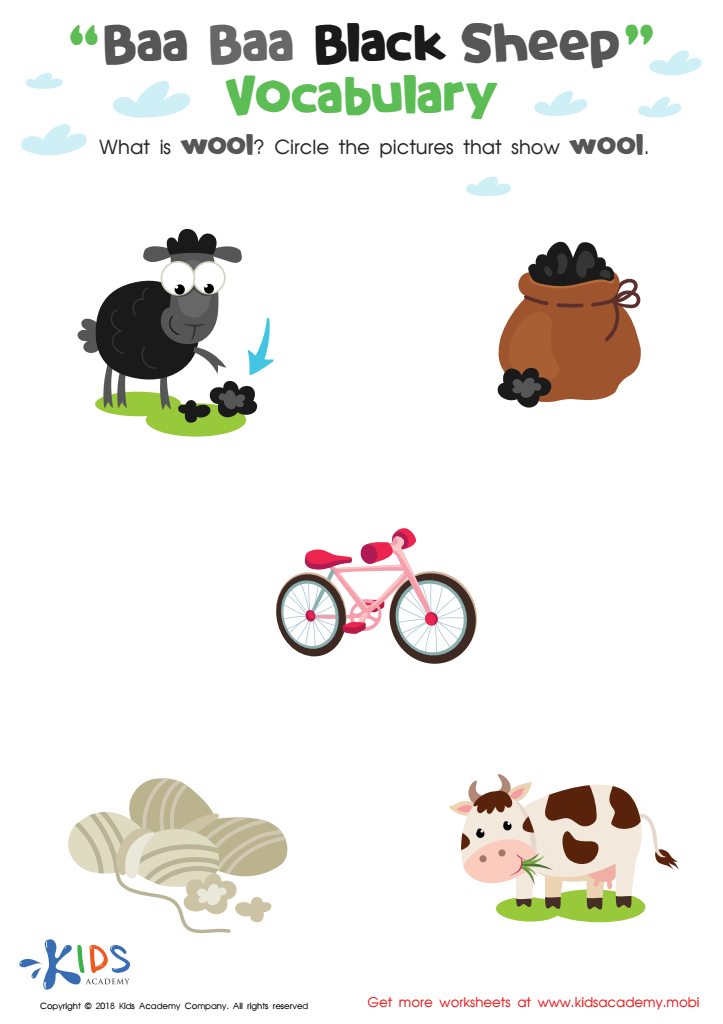
Baa Baa Black Sheep: Vocabulary Worksheet
 Assign to My Students
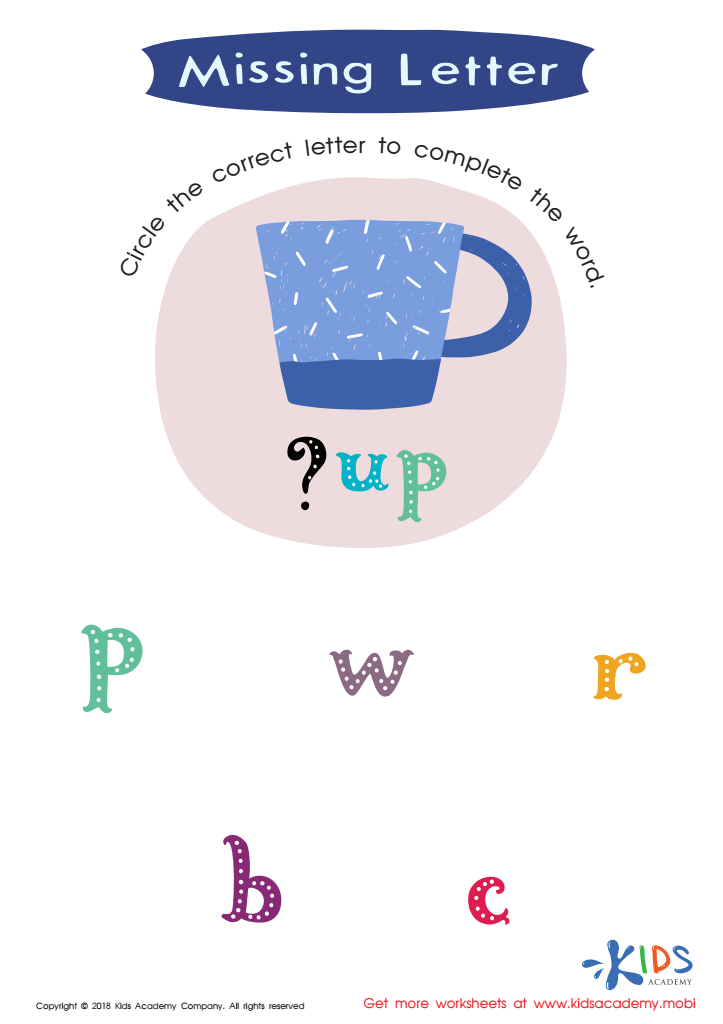
Missing Letter Worksheet
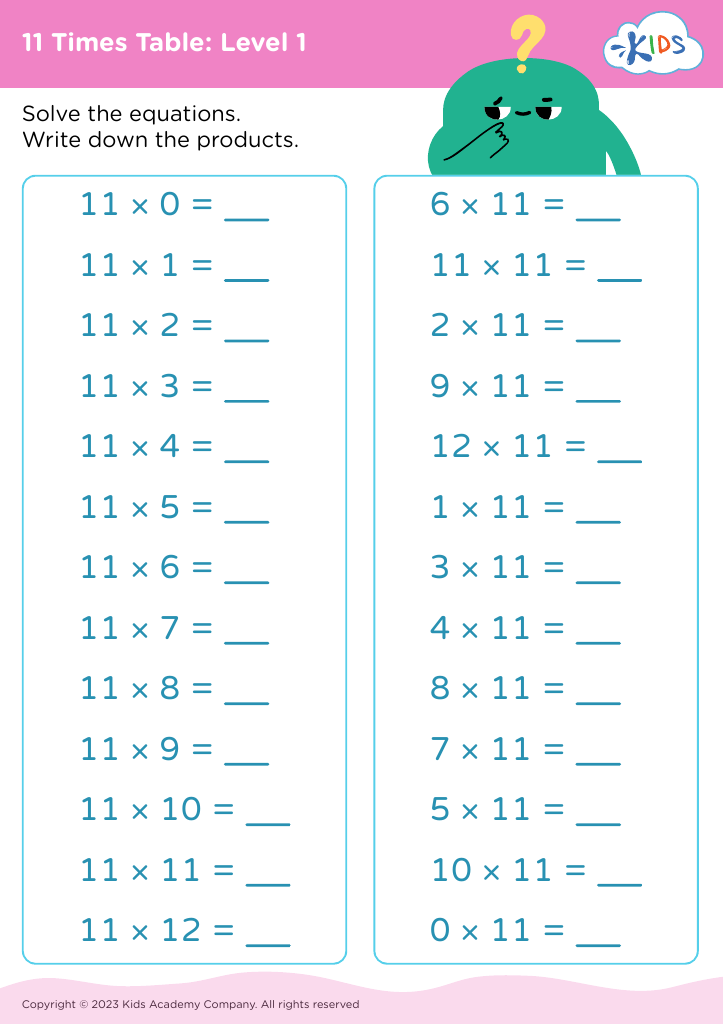








Enhancing memory recall in children aged 3-8 is vital for their cognitive development and overall learning. During these formative years, children's brains are developing rapidly, and they are absorbing vast amounts of information. Strong memory recall supports their ability to learn new concepts, solve problems, and engage in critical thinking. When children can remember and retrieve information, it builds their confidence and motivation in academic pursuits.
Furthermore, enhanced memory skills improve language development, allowing children to express themselves better and engage in conversations. It helps them learn foundational skills in reading and mathematics, as recalling letters, numbers, and vocabularies becomes easier.
Additionally, memory recall plays a crucial role in social and emotional development. Children learn to remember faces, names, and social cues, which are essential for building friendships and navigating social environments. Parents and teachers should pay attention to memory-enhancing activities, such as storytelling, repetition, and games that promote recall.
Ultimately, fostering strong memory skills can lead to better academic outcomes, self-esteem, and overall well-being, making it a key focus for both parents and educators in these early years. By investing in memory recall now, we set the stage for lifelong learning and success.








