
Enhancing fine motor skills Worksheets for Ages 3-8
4 filtered results
Difficulty Level
Grade
Age
-
From - To
Subject
Activity
Standards
Discover our "Enhancing Fine Motor Skills Worksheets" designed for children ages 3 to 8! These engaging resources help develop essential skills through fun activities that improve hand-eye coordination, dexterity, and grip strength. Our worksheets feature a variety of interactive exercises like tracing, cutting, and coloring, making learning enjoyable and effective. Perfect for parents and educators, these worksheets foster creativity and improve focus while enhancing fine motor development. Encourage your child's growth through play and exploration! Explore our diverse collection to find the right activities tailored to your child's interests and developmental needs, providing a solid foundation for their continual learning journey.
Favorites
With answer key
Interactive
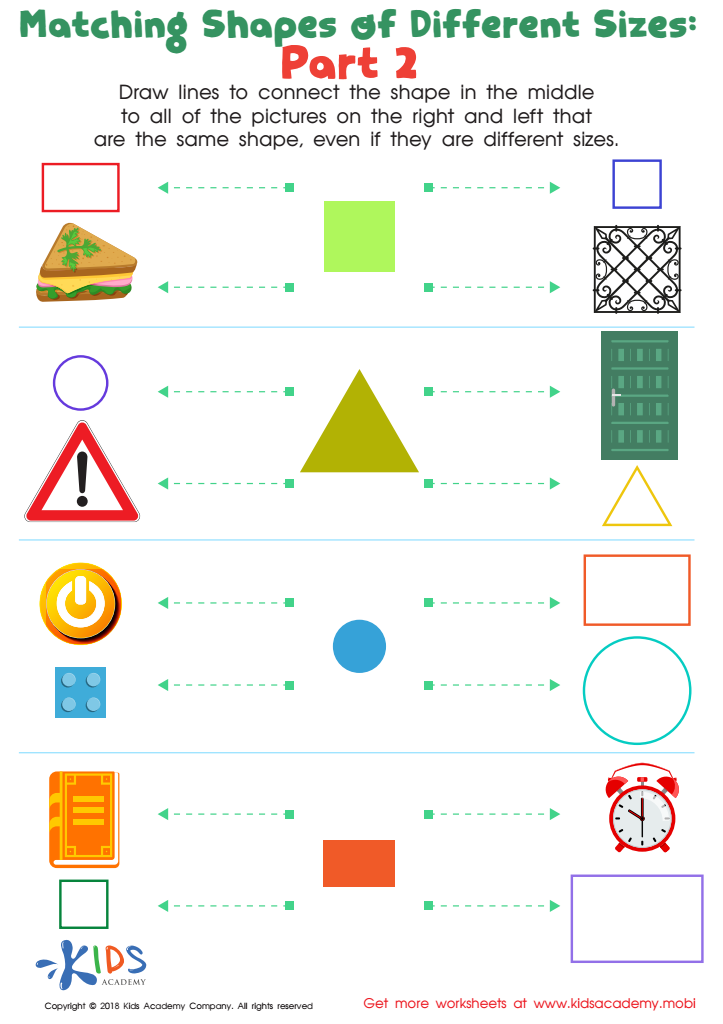
Geometry: Part 2 Worksheet
Third grade geometry gets a challenge with this free worksheet. Kids match shapes to everyday objects like sandwiches, alarm clocks and books for a better understanding of geometry in their lives. Printable pdf is included.
 Assign to My Students
Geometry: Part 2 Worksheet
Worksheet
Join Kids Academy for Free
Who is primarily going to use this learning content?








Enhancing fine motor skills in children aged 3-8 is crucial for their overall development and academic success. These skills refer to the small muscle movements, particularly in the hands and fingers, which enable children to perform tasks such as writing, buttoning clothes, and using utensils. As they engage in activities that promote fine motor development, children build hand-eye coordination, dexterity, and hand strength, which are vital for everyday tasks.
Parents and teachers should prioritize fine motor skill enhancement because these abilities form the foundation for later skills in writing and daily routines. Strong fine motor skills aid in academic readiness, allowing children to express their thoughts effectively through writing and creativity. Additionally, activities that support fine motor development—such as drawing, cutting, and playing with building blocks—also foster cognitive skills and problem-solving abilities.
Moreover, fine motor skills are closely linked to self-esteem and independence. As children master these skills, they gain confidence, making them more willing to tackle new challenges. By investing time and resources into enhancing fine motor skills, parents and educators help children cultivate a strong skillset that supports their readiness for school and lifelong learning. Thus, fostering fine motor development is an essential component of early childhood education.








