Enhancing observation skills Worksheets for Ages 3-8 - Page 2
26 filtered results
-
From - To
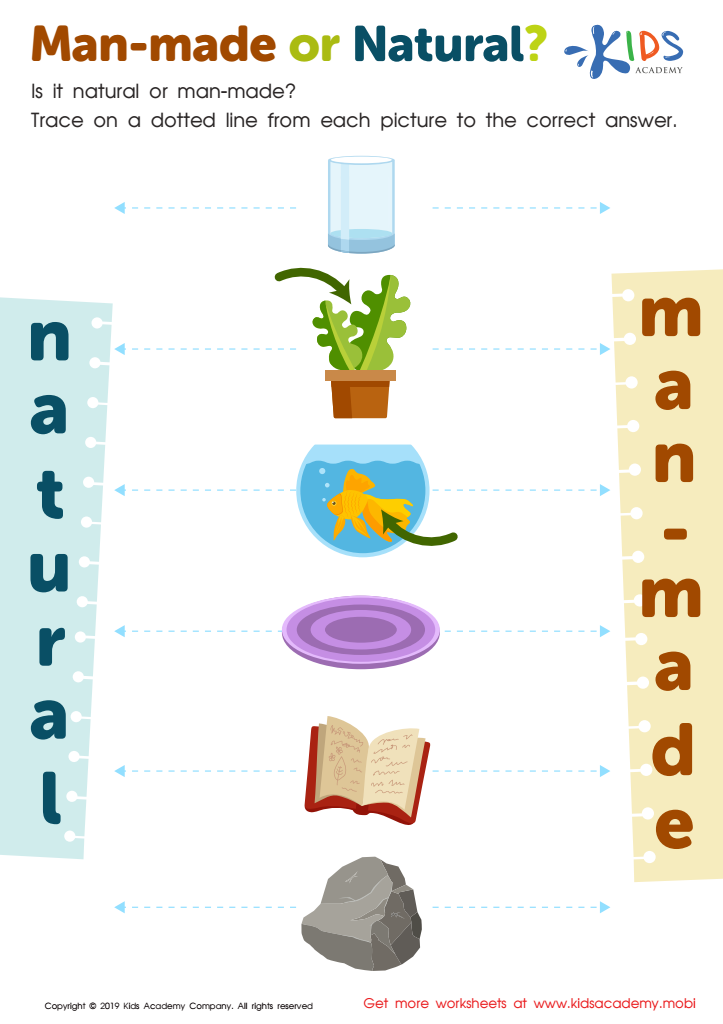
Man-Made or Natural? Worksheet
 Assign to My Students
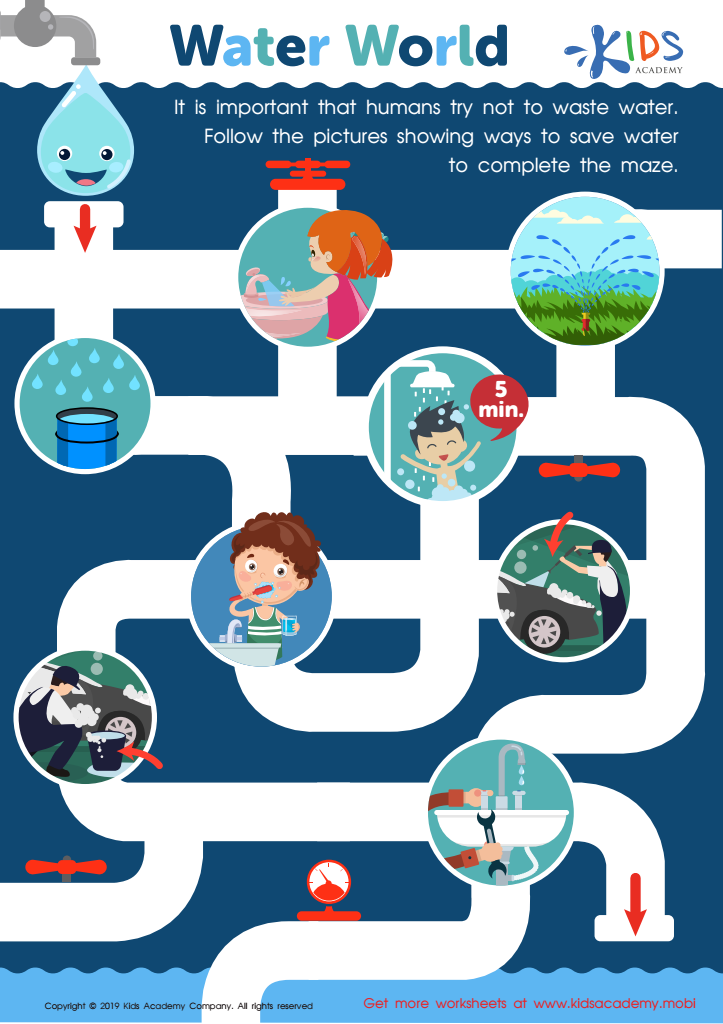
Water World Worksheet






Enhancing observation skills for children aged 3-8 is crucial for their intellectual, social, and emotional development. Observational skills are foundational for learning and understanding the world around them. By keenly observing their environment, children enhance their curiosity and initiative, driving a lifelong interest in learning. For instance, noticing patterns, colors, shapes, or behaviors improves critical thinking, analytical skills, and attention to detail—all vital for academic success.
Socially, effective observation aids children in reading social cues, understanding body language, and becoming more empathetic individuals. They learn to observe and interpret peers' emotions and actions, which builds stronger interpersonal relationships and fosters cooperation.
In terms of emotional growth, observing different scenarios and outcomes can teach children about cause and effect, helping them manage expectations and understand consequences. This awareness is key for self-regulation, patience, and adaptability.
For parents and teachers, nurturing these skills through play, exploration, and structured activities means setting a strong foundation for lifelong learning. Encouraging children to be attentive observers doesn't simply enrich their current experiences but equips them with tools essential for navigating a complex and ever-changing world. Developing sharp observation skills is thus a keystone in raising insightful, adaptive, and well-rounded individuals.








