Fraction identification Worksheets for Ages 3-8
8 filtered results
-
From - To
Introduce your child to the world of fractions with our engaging Fraction Identification Worksheets designed specifically for ages 3-8! These worksheets provide a fun and interactive way for young learners to recognize and understand basic fractions. Through colorful illustrations and age-appropriate activities, children will develop essential math skills while enjoying hands-on exercises that enhance their learning experience. Each worksheet is crafted to reinforce foundational concepts, making them perfect for parents and educators alike. Help your child build confidence in their math abilities and lay the groundwork for future success with our thoughtfully designed fraction identification resources. Start exploring today!
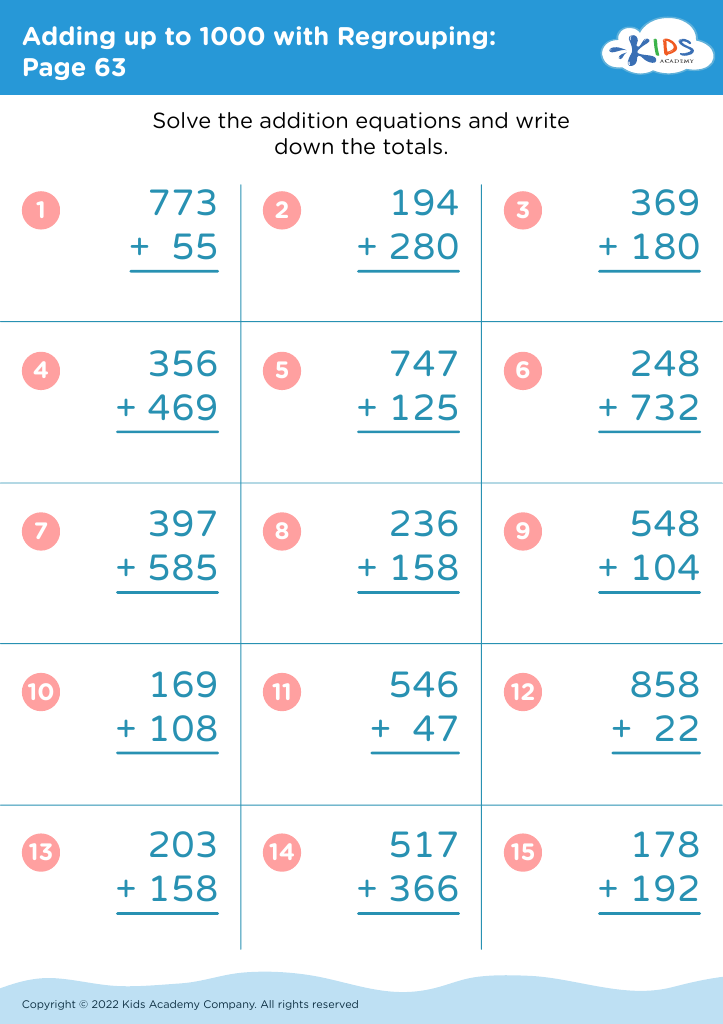
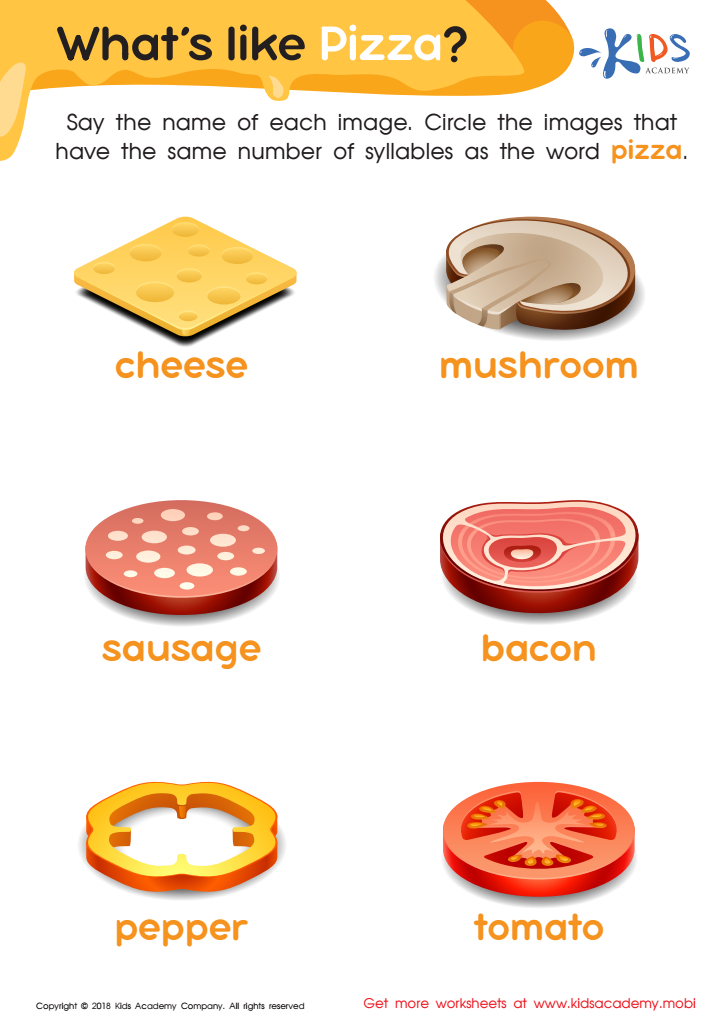
What's Like Pizza? Worksheet
 Assign to My Students
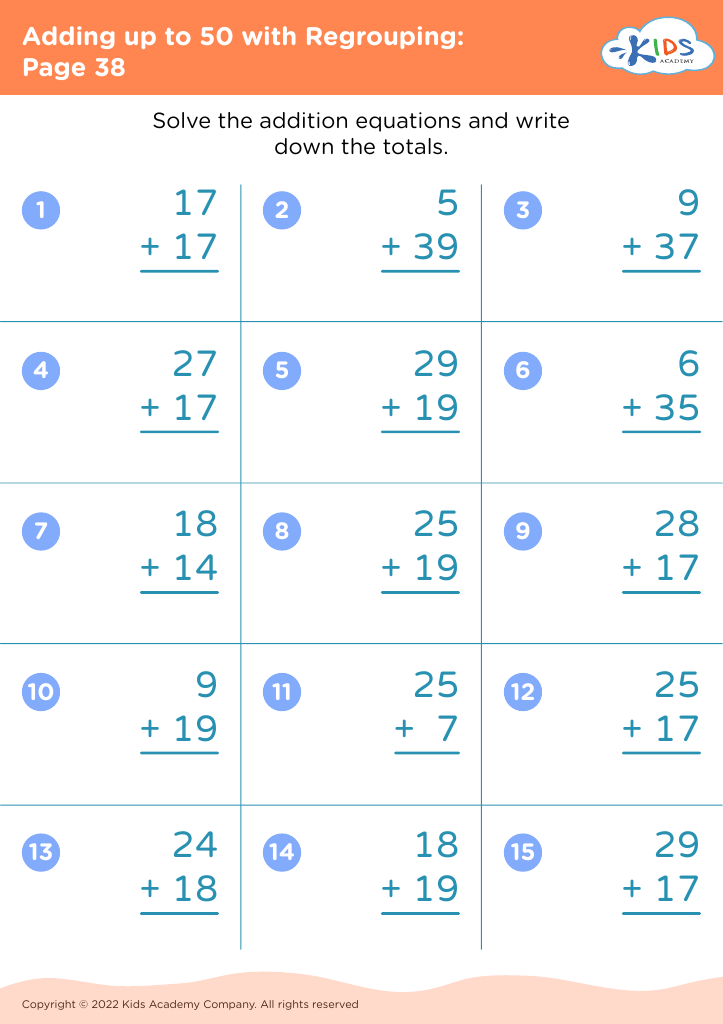
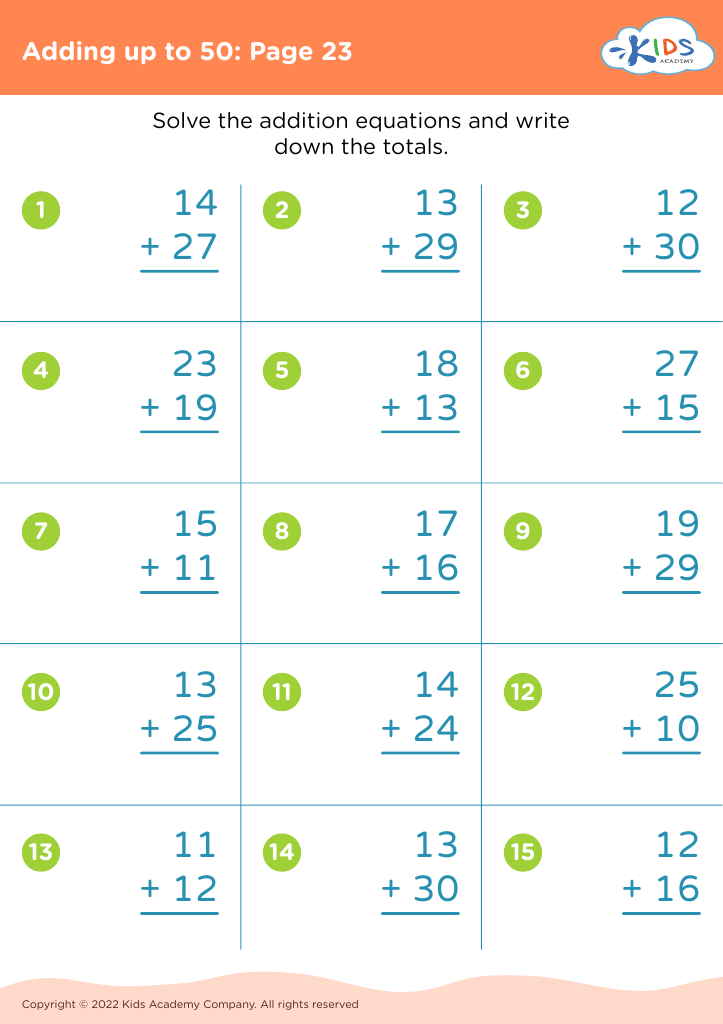
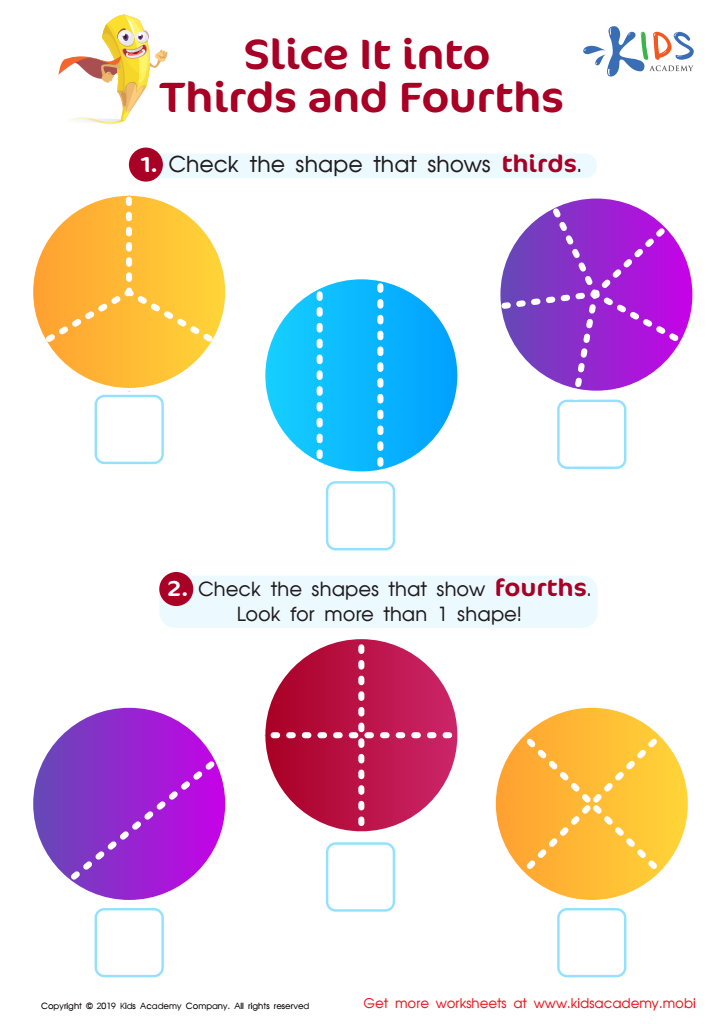
Slice in Thirds Fourths Worksheet
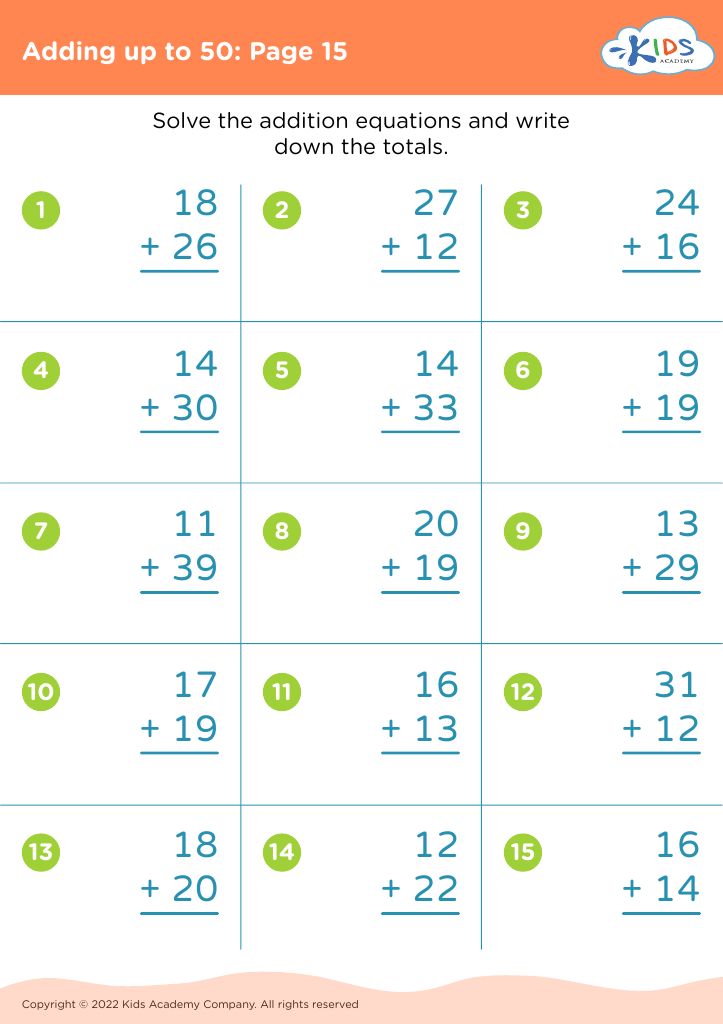
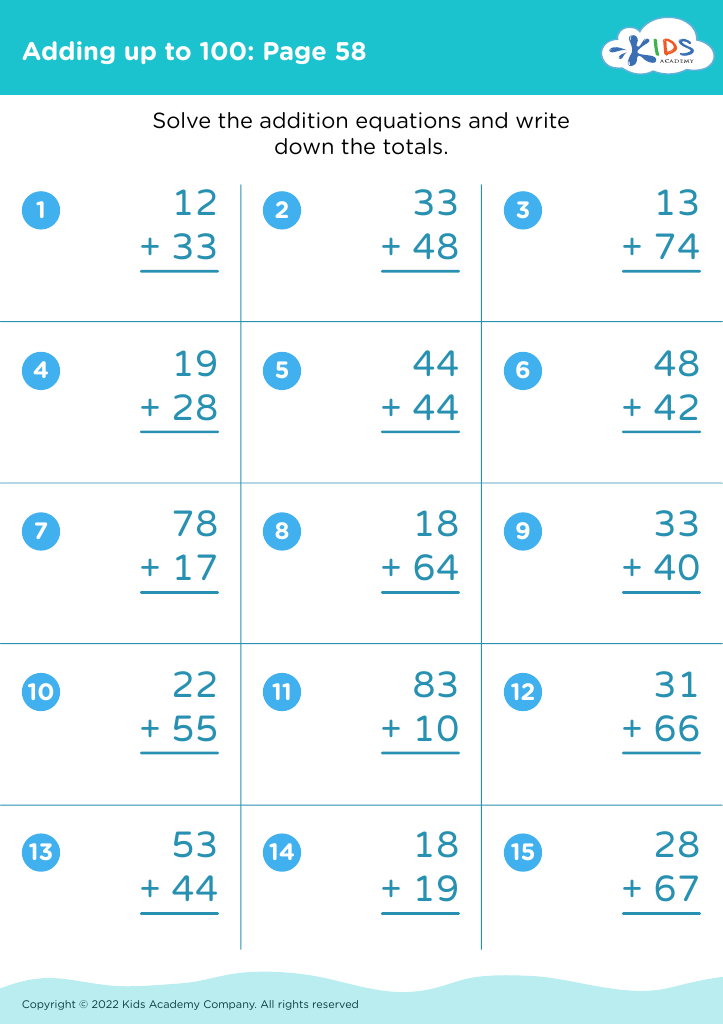
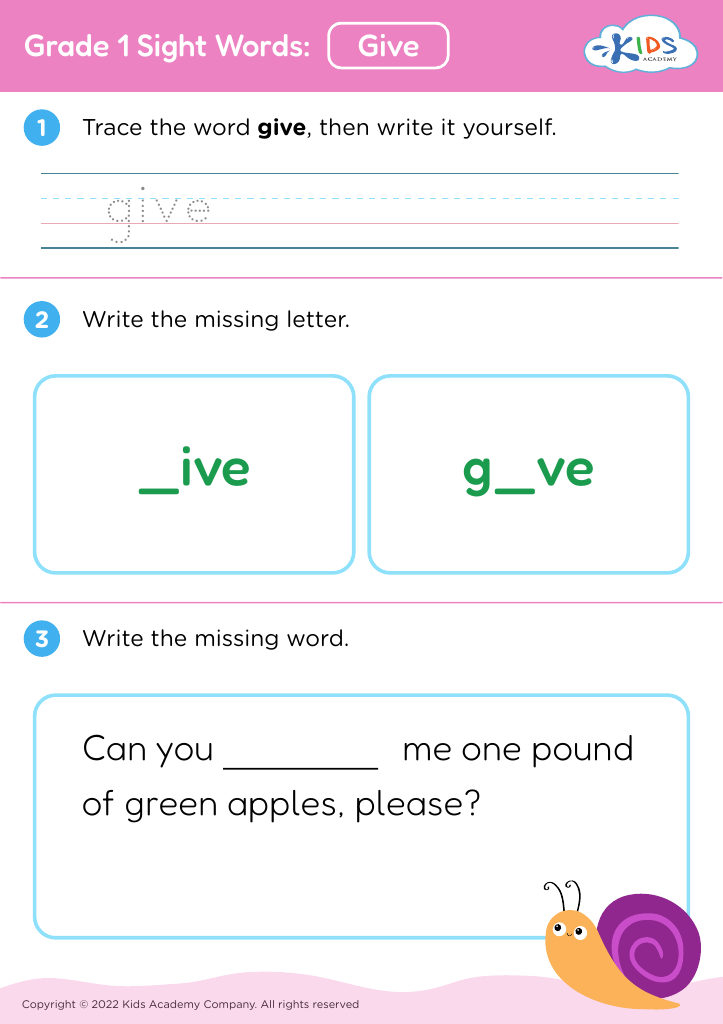







Fraction identification is a vital skill for children aged 3-8, laying the groundwork for their mathematical understanding. Early exposure to fractions enhances their cognitive development and helps them grasp essential math concepts. At this age, children begin to recognize parts of a whole, fostering critical thinking skills as they learn to divide objects and understand ratios. Parents and teachers should prioritize this skill to promote numerical literacy, which is crucial for future math success.
Moreover, understanding fractions has real-world applications; children learn about sharing, measurements in cooking, or dividing things equally, reinforcing their problem-solving abilities in everyday scenarios. Engaging with fractions also encourages collaboration and communication, as kids often work in groups, navigating concepts through discussion and hands-on activities.
Distinguishing between different types of fractions helps build their confidence, reducing anxiety around math as they progress. It instills a sense of accomplishment that motivates them for more complex topics later on.
Ultimately, focusing on fraction identification nurtures a strong mathematical foundation, enabling children to approach higher-level math with ease. By prioritizing these concepts, parents and teachers not only prepare children for academic success but also equip them with essential life skills that extend beyond the classroom.








