
Geographic Understanding Worksheets for Ages 3-8
3 filtered results
Difficulty Level
Grade
Age
-
From - To
Subject
Activity
Standards
Explore our engaging Geographic Understanding Worksheets designed for children aged 3-8! These interactive resources help young learners develop essential geographic skills through fun, age-appropriate activities. Our worksheets cover fundamental concepts such as map reading, identifying landforms, and understanding various locations, fostering curiosity about the world. With vibrant illustrations and clear instructions, children will enjoy exploring countries, continents, and their own surroundings while honing their critical thinking and problem-solving abilities. Perfect for homeschooling or classroom use, these worksheets provide a great way to encourage spatial awareness and ignite a love for geography. Start your child's journey into the world today!
Favorites
With answer key
Interactive
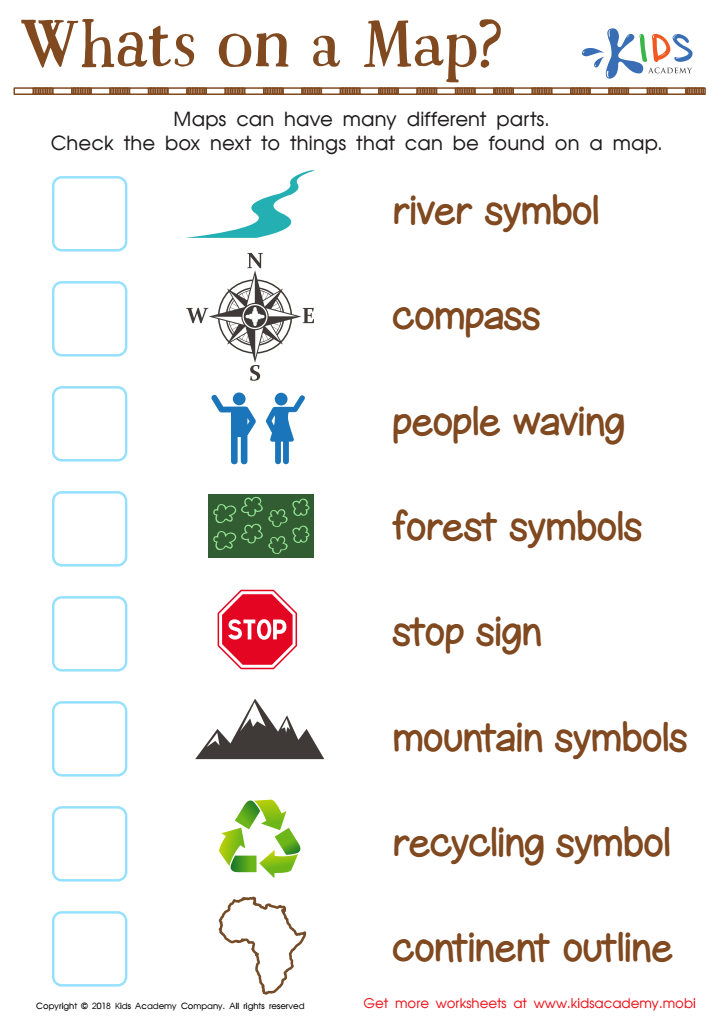
Whats on a Map? Worksheet
Kids often lack map-reading experience due to our digital age, but these skills are essential. This free worksheet reinforces what they'll find on a map and the symbols used to represent them, helping them build reasoning, thinking and problem-solving skills.
 Assign to My Students
Whats on a Map? Worksheet
Worksheet
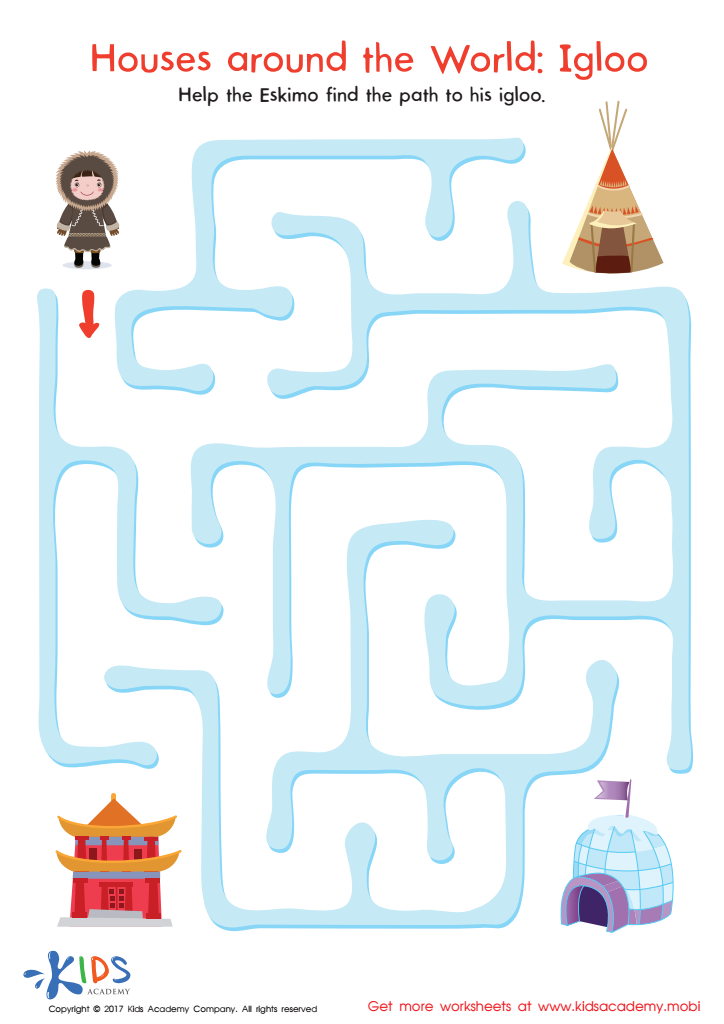
Houses Around the World: Igloo Printable
Print out the igloo maze worksheet and help the Eskimo find his way home. Along the way, you’ll discuss different types of houses. A perfect way to practice thinking skills!
Houses Around the World: Igloo Printable
Worksheet
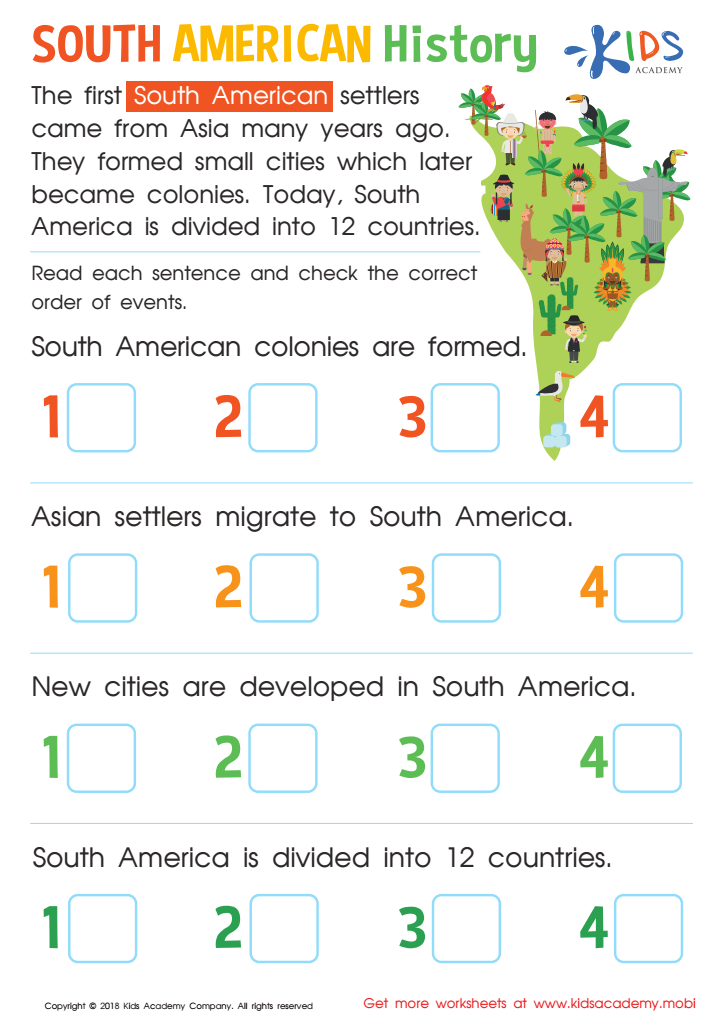
South American History Worksheet
Kids can brush up on South American history with this free worksheet! They'll discover how the first inhabitants arrived from Asia and how this led to the growth of cities and colonies. Comprehension questions will help them sequence and understand the events of South American history.
South American History Worksheet
Worksheet
Join Kids Academy for Free
Who is primarily going to use this learning content?



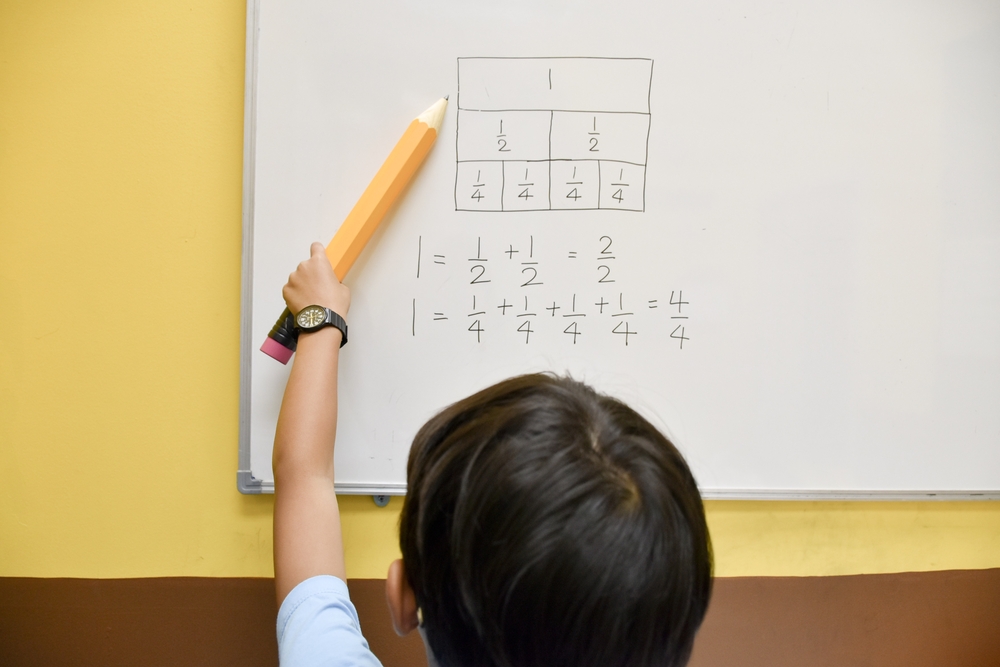


Geographic understanding is crucial for children ages 3-8 as it lays the foundation for their worldview, critical thinking, and social awareness. At this developmental stage, children are naturally curious about their surroundings. Introducing them to geography helps satisfy this curiosity while fostering an understanding of their place within a larger context.
From recognizing maps and basic landforms to exploring cultures and environments, geographic knowledge enhances cognitive skills such as spatial reasoning and problem-solving. It encourages observation, inquiry, and research, essential skills that support academic success across subjects. Furthermore, as children learn about different regions and communities, they develop empathy and appreciation for diversity, which is vital in our increasingly interconnected world.
Incorporating geography into early education cultivates lifelong skills such as environmental stewardship and global citizenship. Understanding local, national, and global contexts can guide children in making informed choices about their environment and community. By prioritizing geographic understanding, parents and teachers not only enrich children’s knowledge but also equip them with the tools necessary for responsible citizenship, engaging them in important discussions about identity, culture, and sustainability as they grow.








