Improves hand-eye coordination Worksheets for Ages 3-8
3 filtered results
-
From - To
Enhance your child's hand-eye coordination with our engaging worksheets, expertly designed for ages 3-8! Developed by Kids Academy, these fun and educational activities are perfect for young learners, helping to refine motor skills while stimulating cognitive development. Each worksheet combines colorful illustrations with interactive tasks that encourage precision and control. From tracing and drawing to puzzles and mazes, our collection supports varied skill levels, ensuring progressive improvement in hand-eye synchronicity. With easy-to-follow instructions and captivating designs, our printable worksheets are an excellent resource for parents and educators alike, nurturing essential skills in an entertaining way.
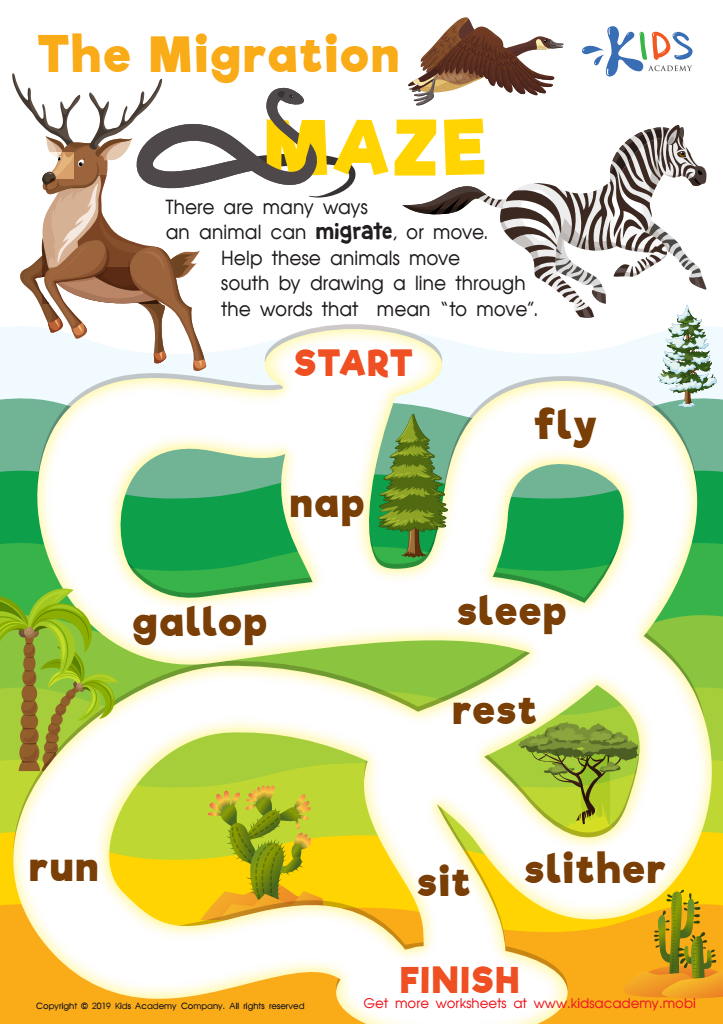
The Migration Maze Worksheet
 Assign to My Students
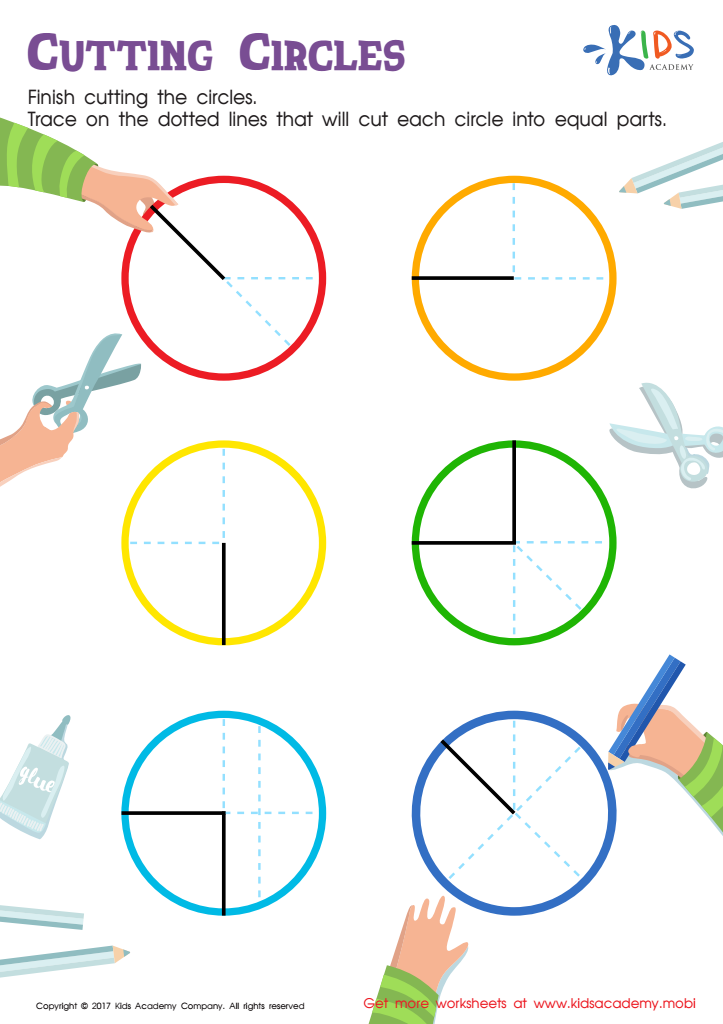
Cutting Circles Worksheet
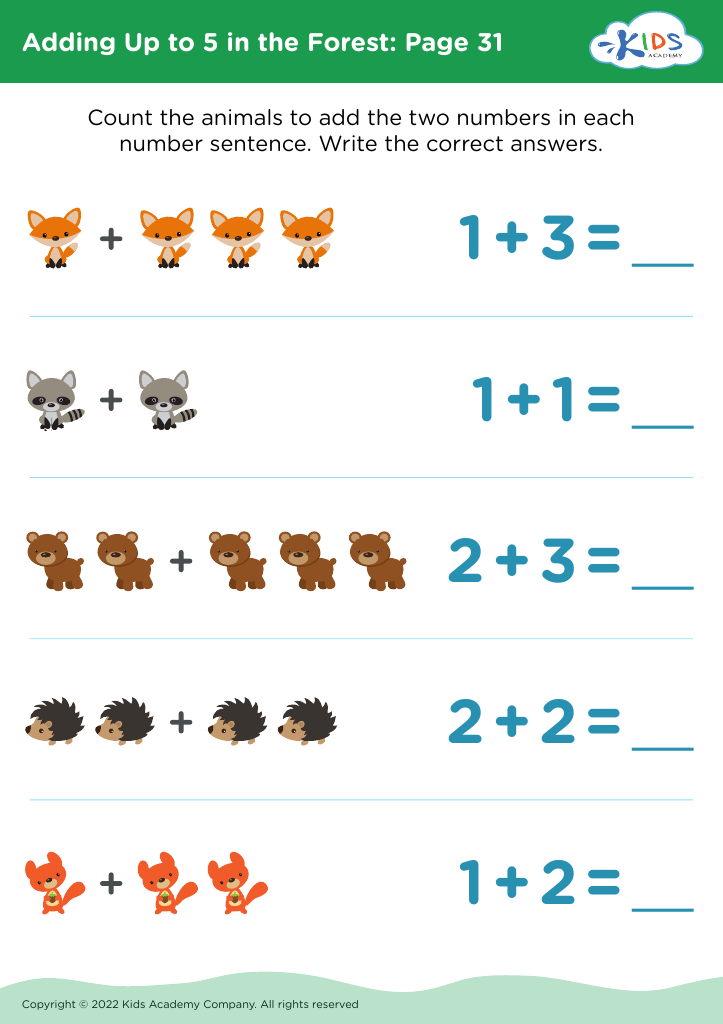







Improving hand-eye coordination in children aged 3-8 is critically important due to its enduring impact on various aspects of their development. This fundamental skill allows children to manage tasks that require the synchronization of their visual and motor systems. Engaging in activities that enhance hand-eye coordination—such as drawing, playing catch, or building with blocks—not only fosters their physical development but also benefits their cognitive growth.
Better hand-eye coordination enhances fine motor skills, enabling children to perform intricate tasks like writing, cutting with scissors, or tying shoelaces more efficiently. In an academic setting, these skills translate to improved handwriting and the ability to follow the lines when reading or looking at pictures and text, fundamentally boosting literacy rates and overall learning effectiveness.
Additionally, developing these abilities can have a positive impact on a child’s self-esteem. As they become more proficient in tasks, they gain confidence and independence, which is essential for their social and emotional development. Furthermore, hand-eye coordination is integral to participating in sports and recreational activities, which promote teamwork, discipline, and a healthy lifestyle.
In summary, fostering improved hand-eye coordination in early childhood paves the way for a rounded developmental trajectory, impacting academic achievement, physical prowess, and emotional well-being. For parents and teachers, investing time and effort in developing this skill in the early years is invaluable.








