Motor skills development Worksheets for Ages 3-8 - Page 2
29 filtered results
-
From - To

Pegasus Maze: GH Words Worksheet
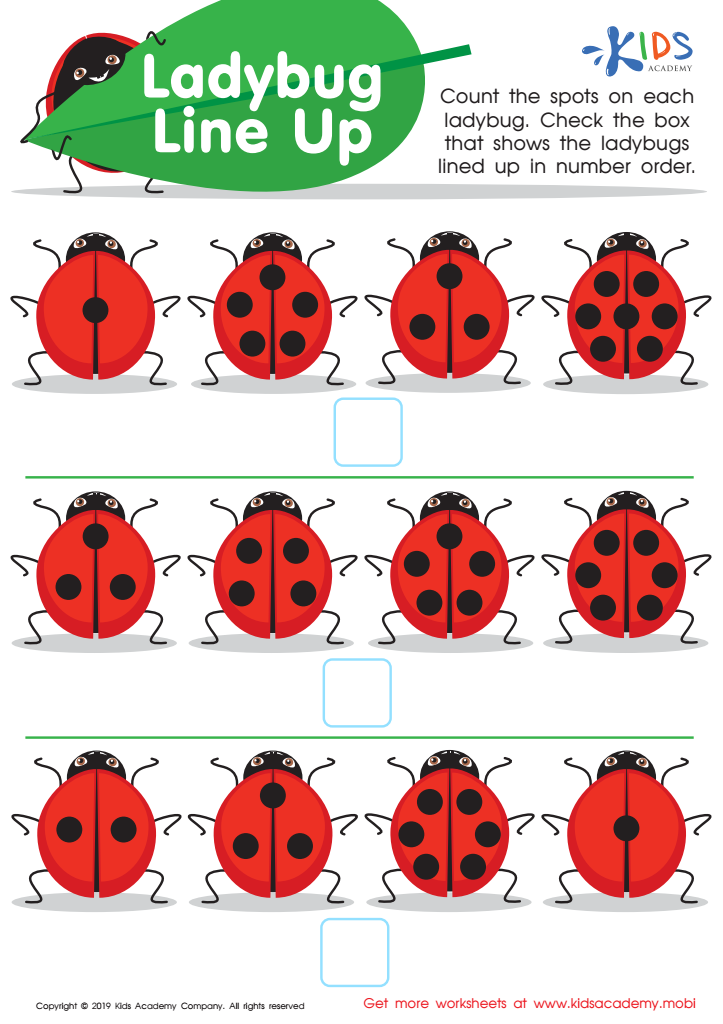
Ladybug Line Up Worksheet
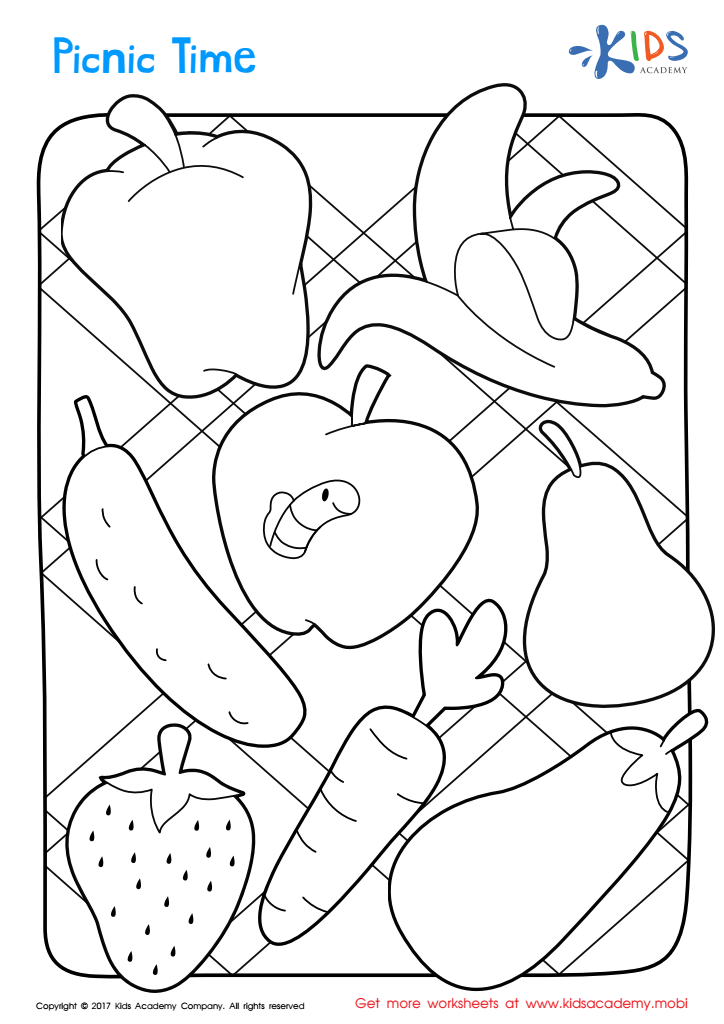
Picnic Time Coloring Page
 Assign to My Students






.jpg)

Motor skills development in children aged 3-8 is crucial for several reasons, and both parents and teachers play a significant role in this process. At this stage, children are developing both fine and gross motor skills, which are essential for their overall growth and day-to-day functioning.
Fine motor skills involve the coordination of small muscle movements, particularly in the hands and fingers. Activities like drawing, writing, buttoning clothes, and using scissors help children develop these skills, which are necessary for academic success and self-care routines. Gross motor skills, on the other hand, involve larger muscle groups and include activities like running, jumping, climbing, and balancing. These are vital for overall physical development, enabling children to participate in play and sports, which are fundamental for a healthy lifestyle.
Beyond physical benefits, motor skills development supports cognitive and social-emotional growth. Mastery of motor tasks boosts a child’s confidence and self-esteem, fostering independence. It also enhances brain development by facilitating connections between different brain regions. Additionally, engaging in group activities that develop motor skills improves social skills and teamwork.
In summary, parents and teachers should prioritize motor skills development for children aged 3-8 as it lays the foundation for physical health, cognitive abilities, and socio-emotional well-being, thereby supporting a child's holistic development.








