Pronunciation practice Worksheets for Ages 3-8
3 filtered results
-
From - To
At Kids Academy, our Pronunciation Practice Worksheets for ages 3-8 are designed to make learning fun and effective. These engaging printable worksheets focus on developing young children's pronunciation skills through a variety of playful and interactive activities. From sounds and letters to simple words, each worksheet nurtures phonemic awareness and clarity of speech. Tailored for children just beginning their language journey, these resources support both classroom learning and at-home practice. Our expertly crafted materials empower kids to communicate more confidently, fostering essential speaking skills that lay a strong foundation for future language development. Explore our enriching collection today!
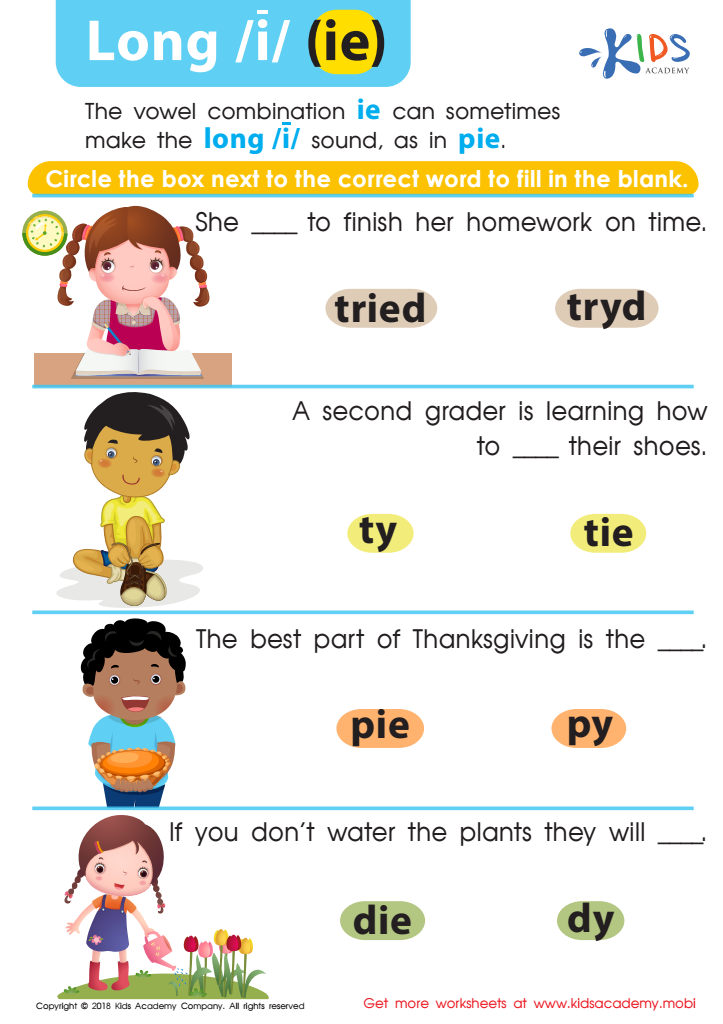
Reading: Long I and IE Worksheet
 Assign to My Students
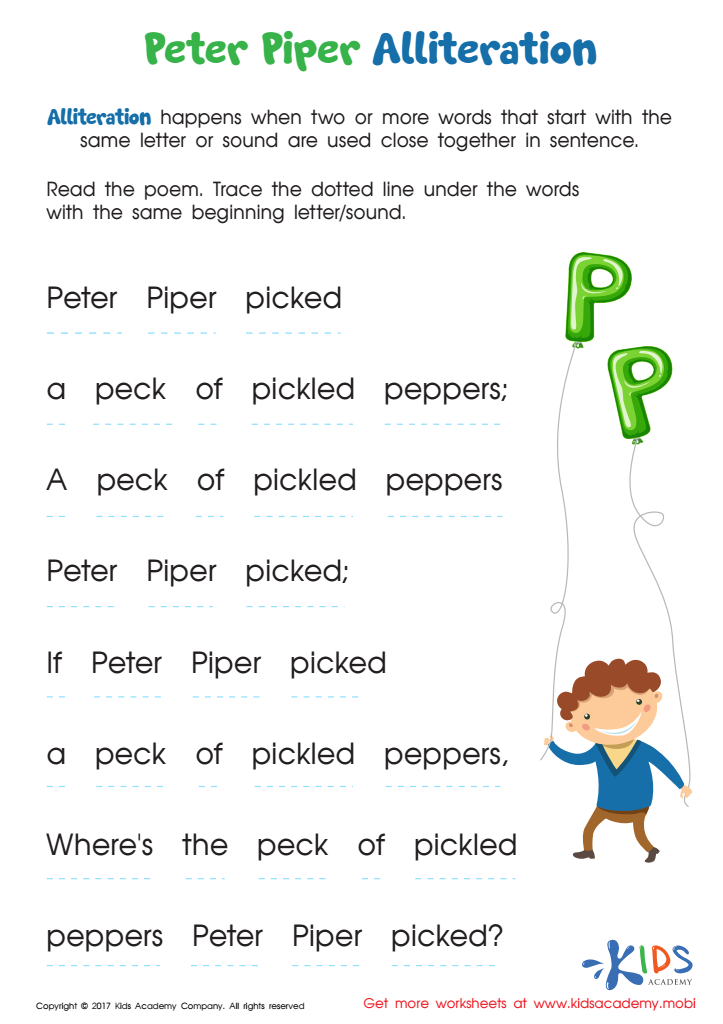
Peter Piper Alliteration Worksheet
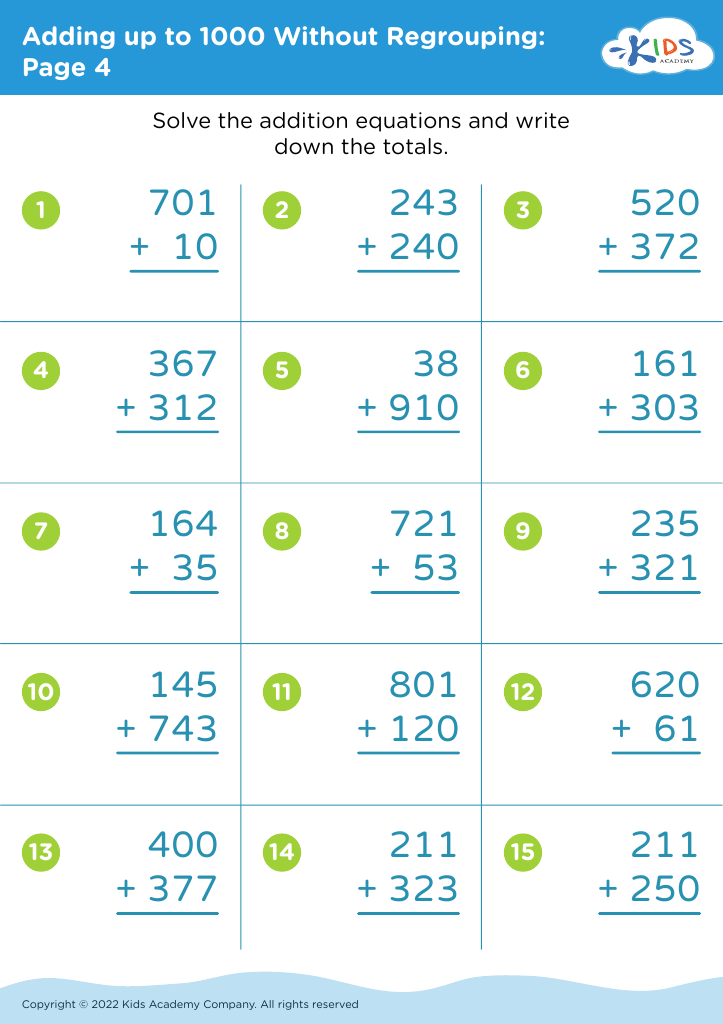







.jpg)
Parents and teachers should prioritize pronunciation practice for children ages 3-8 because this is a critical period for language development. During these formative years, children's brains are extremely receptive to learning and reinforcing language patterns. Accurate pronunciation is foundational for effective communication; it helps ensure that children are understood and can express their needs, thoughts, and ideas clearly.
Consistent pronunciation practice contributes significantly to phonemic awareness, which is the ability to recognize and manipulate sounds in spoken language. Strong phonemic awareness is closely linked to better reading and writing skills, as it helps children decode words accurately and develop robust vocabulary skills.
Moreover, good pronunciation instills confidence in young learners. Children who feel confident in their speaking abilities are more likely to participate in class discussions, social interactions, and other activities that promote cognitive and social development. It also reduces potential frustration that can arise from being misunderstood due to poor pronunciation, leading to a more positive learning experience.
Finally, early intervention in pronunciation can help identify and address speech and language difficulties, ensuring that children receive the support they need well before these challenges significantly impact their academic and social interactions. Therefore, a focus on pronunciation practice sets a strong foundation for lifelong communication skills.








