Recognize numbers Worksheets for Ages 3-8
3 filtered results
-
From - To
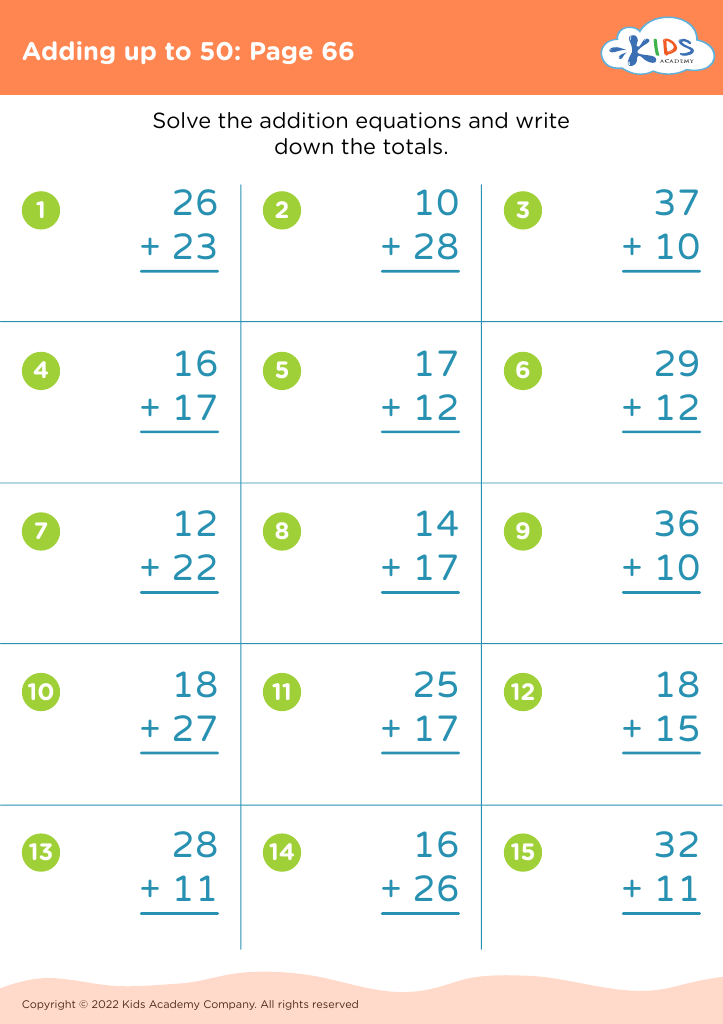
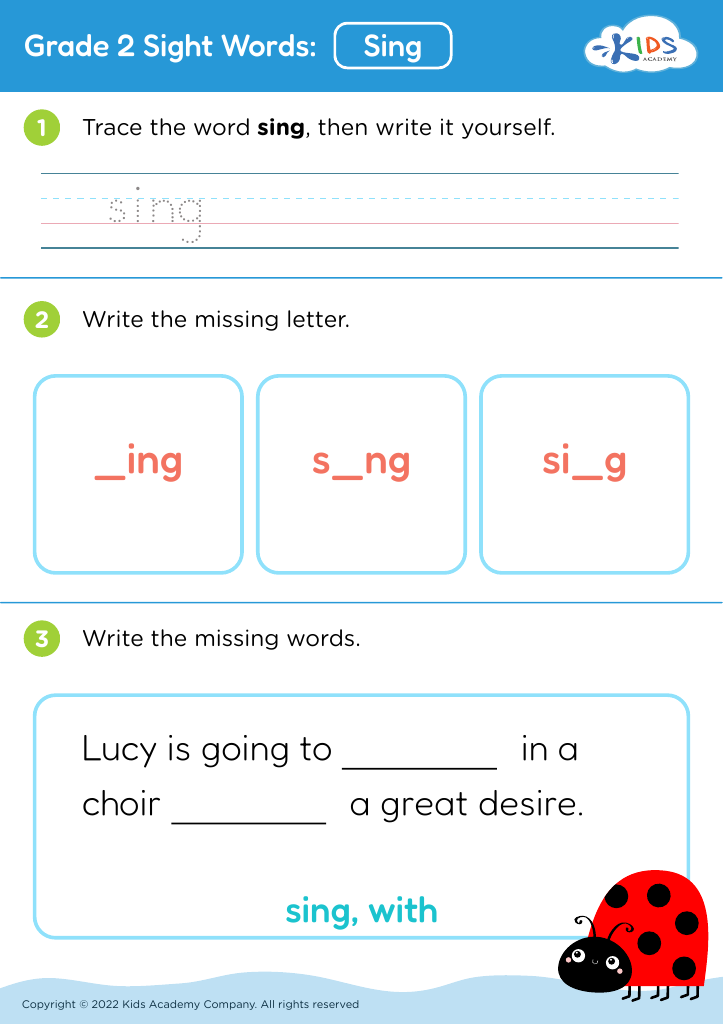
Introducing our "Recognize Numbers Worksheets for Ages 3-8," designed to make learning fun and engaging! These worksheets help young learners develop essential number recognition skills through colorful illustrations and interactive activities. Tailored for preschoolers to early elementary students, our resources promote counting, identifying numbers, and understanding numerical relationships. With a variety of engaging exercises, including tracing, spotting, and matching, children will enjoy hours of educational fun. Dive into our collection to boost your child’s confidence in mathematics while building a strong foundation for future learning! Perfect for at-home practice or classroom use, these worksheets are your go-to resource for early number education.
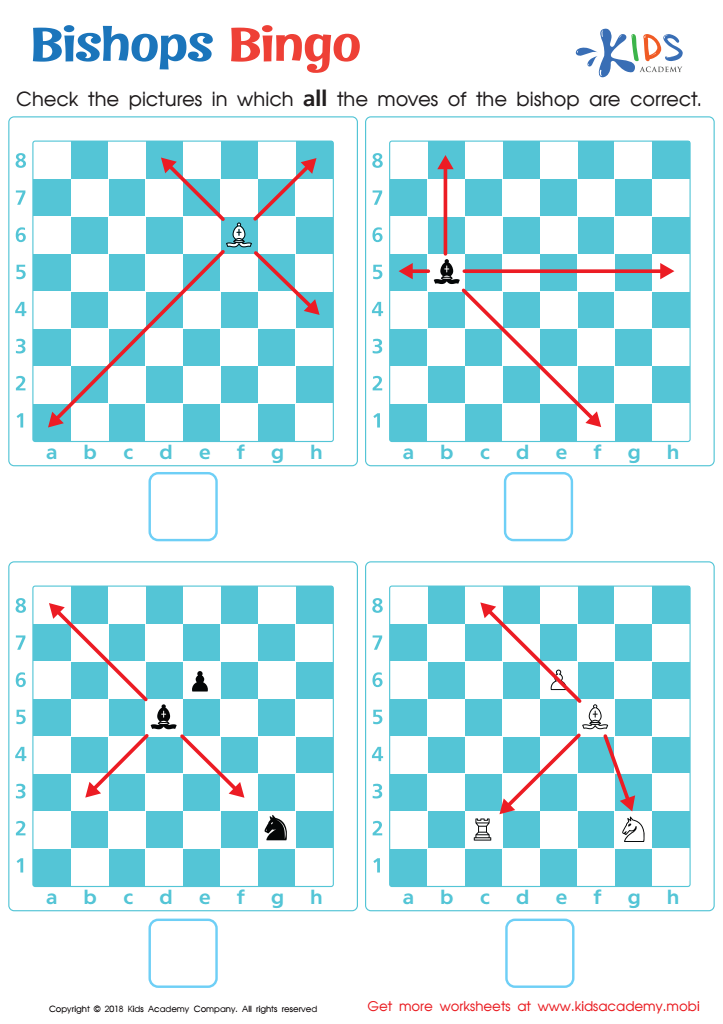
Bishops Bingo Worksheet



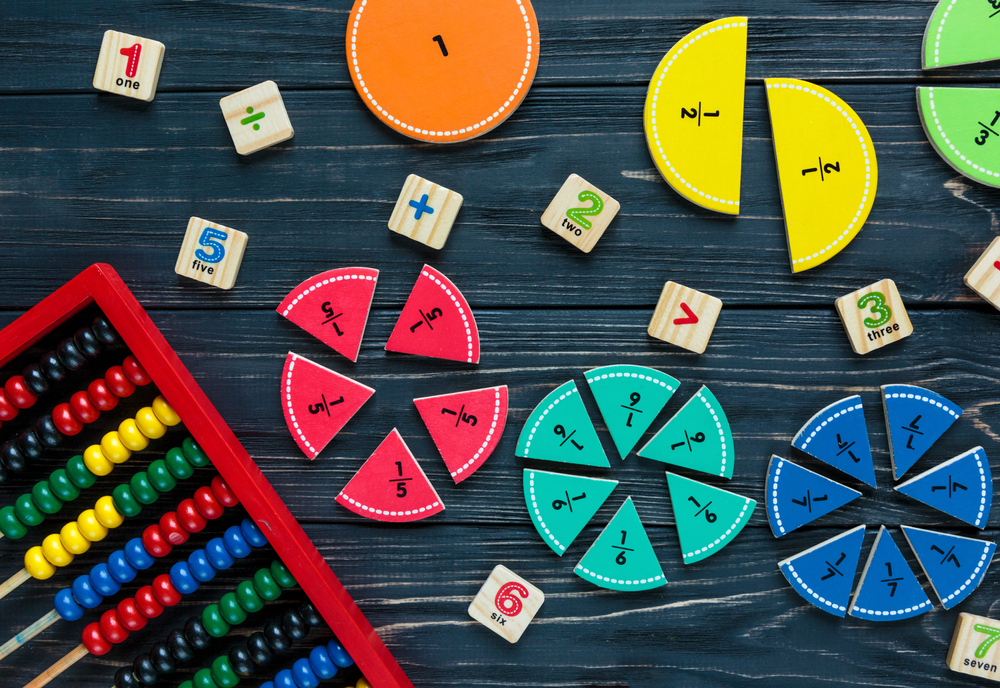


Recognizing numbers is a fundamental skill for children aged 3-8, forming the basis for future mathematical understanding and overall cognitive development. For parents and teachers, fostering number recognition is crucial as it serves as an early indicator of academic success. Children who learn to identify numbers early on can grasp more complex mathematical concepts later in life, leading to improved problem-solving skills and enhanced logical reasoning.
Additionally, number recognition contributes to children's ability to engage with their environment. Understanding numbers helps children when it comes to daily activities, such as counting objects, telling time, measuring ingredients in cooking, or even understanding age-appropriate finances. Recognizing numbers is also integral to developing skills that will be tested in future school settings, thereby reducing anxiety around math-related subjects early on.
Moreover, activities that promote number recognition—like games, songs, and hands-on activities—can enrich the learning experience, making math fun and engaging. This boosts not only comprehension but also confidence. By prioritizing number recognition, parents and teachers lay a strong foundation for lifelong learning, helping children become well-rounded individuals equipped for the challenges of the future.








