Recognizing equivalent fractions Worksheets for Ages 3-8
6 filtered results
-
From - To
Discover our engaging "Recognizing Equivalent Fractions Worksheets" designed for children aged 3-8! These interactive worksheets make learning about fractions fun and accessible, promoting essential math skills early on. With vibrant illustrations and easy-to-follow activities, young learners will explore the concept of equivalence through hands-on exercises that encourage critical thinking. Our resources are perfect for parents and educators looking to enhance foundational math knowledge. Encourage your child's mathematical journey and build confidence in their abilities with our expertly crafted worksheets. Start exploring the world of fractions today and watch your little learners thrive!
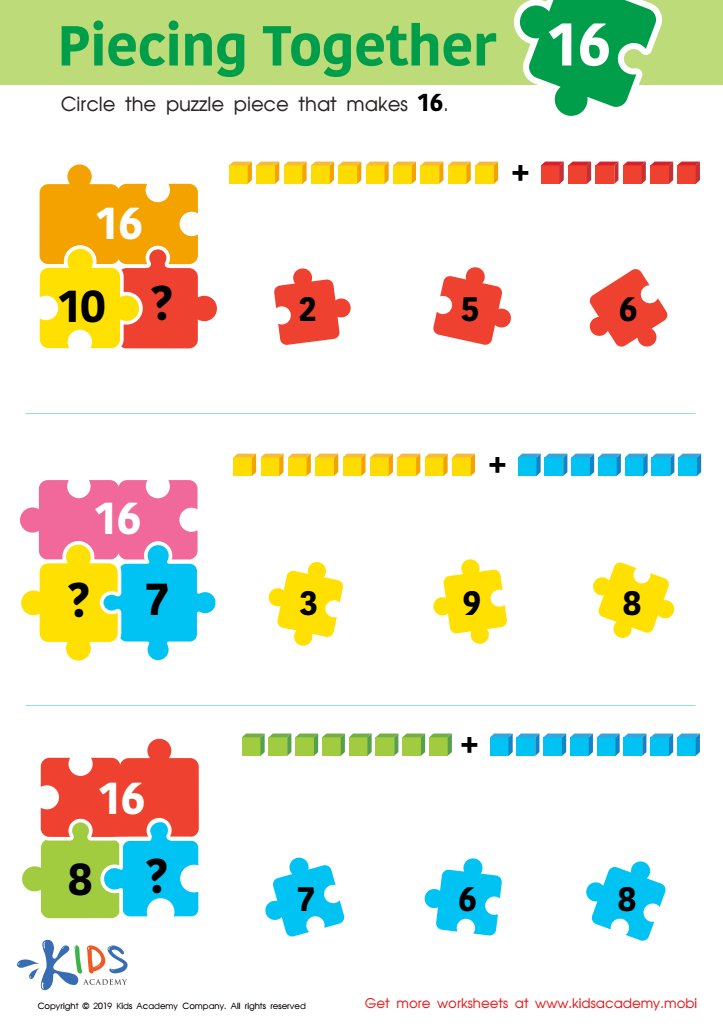
Piecing Together 16 Worksheet
 Assign to My Students
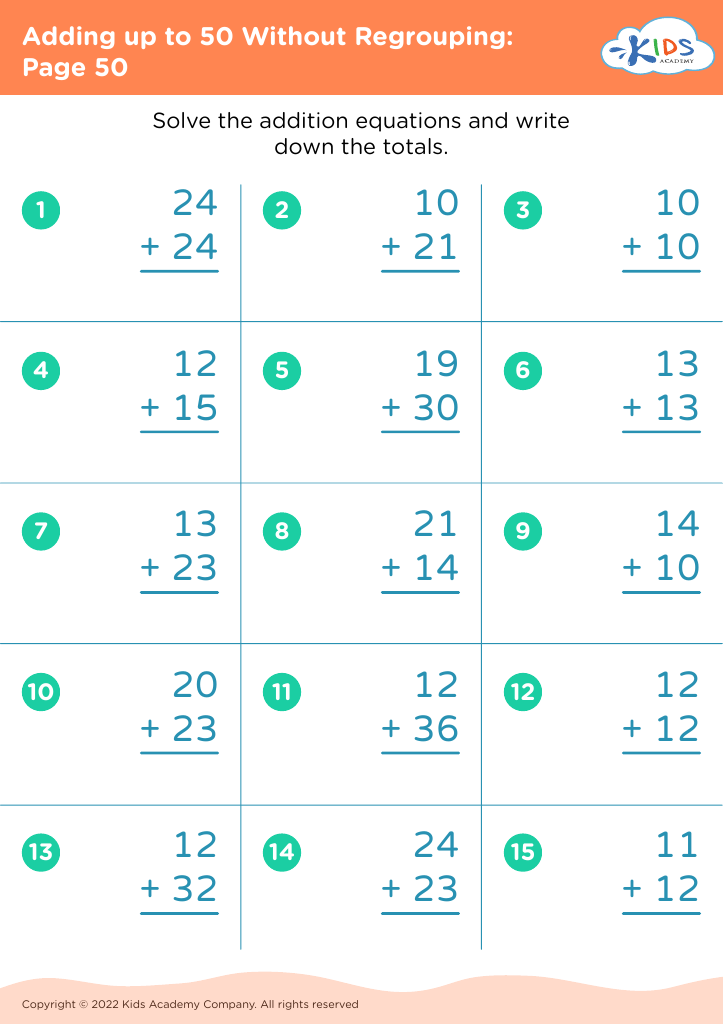
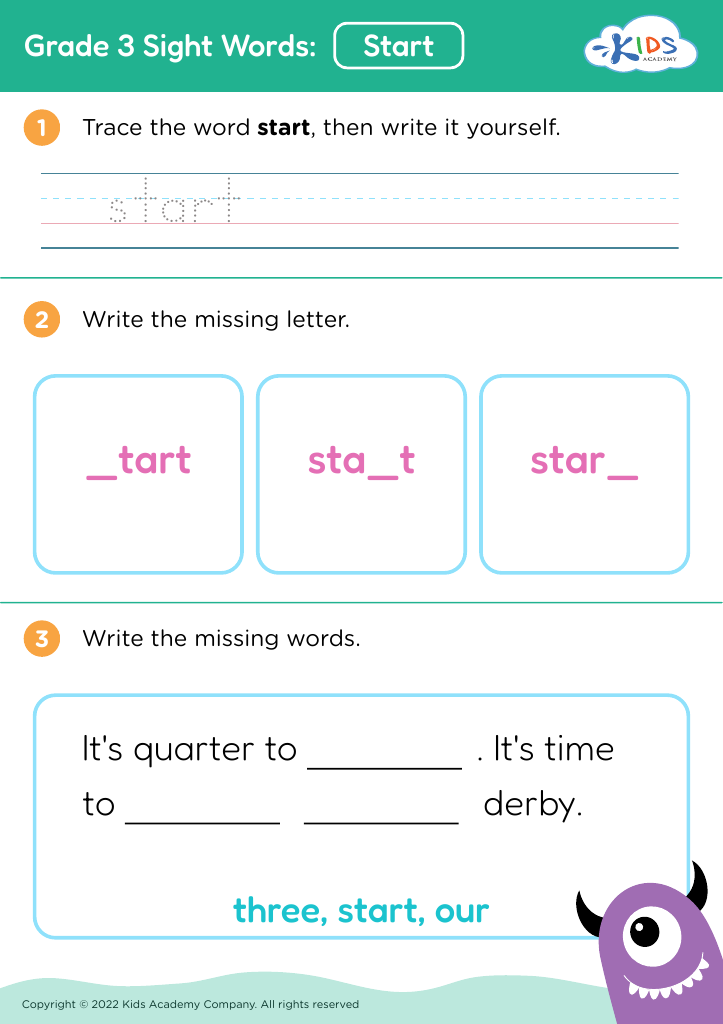






Recognizing equivalent fractions is an essential concept for children aged 3-8 because it lays the foundation for their understanding of fractions, ratios, and ratios. During these formative years, children are naturally curious and eager to explore mathematical concepts. Introducing equivalent fractions helps develop critical thinking skills as they learn to identify and manipulate numbers in various forms.
Understanding equivalent fractions fosters a deeper comprehension of how numbers work together—preparing children for more advanced mathematical concepts. It encourages them to explore relationships between different quantities, enhancing their problem-solving abilities.
For parents and teachers, supporting the learning of equivalent fractions can also promote a positive attitude towards math. By incorporating engaging activities, such as using visual aids or hands-on manipulatives, children are more likely to develop a love for math rather than viewing it as a chore.
Moreover, recognizing equivalent fractions prepares children for real-life applications. Whether sharing snacks, measuring ingredients, or dividing resources, these skills are invaluable as they grow older.
In summary, mastering equivalent fractions empowers young learners, ignites their curiosity, nurtures essential math skills, and equips them for mathematical success in the future. Parents and teachers play a pivotal role in fostering this critical understanding.








