Understanding shapes Worksheets for Ages 3-8
7 filtered results
-
From - To
Unlock your child's geometric potential with our "Understanding Shapes Worksheets for Ages 3-8." These expertly designed worksheets make learning fun, helping young minds grasp and recognize various shapes. Tailored for early learners, each worksheet integrates engaging activities, vibrant illustrations, and interactive tasks to boost shape identification and spatial reasoning. Suitable for preschool to second grade, our resources support cognitive growth and foundational math skills. Perfect for homeschoolers, teachers, and parents, our shapes worksheets turn everyday learning into an adventurous journey. Dive into a world of shapes today and watch your child’s confidence and abilities soar!
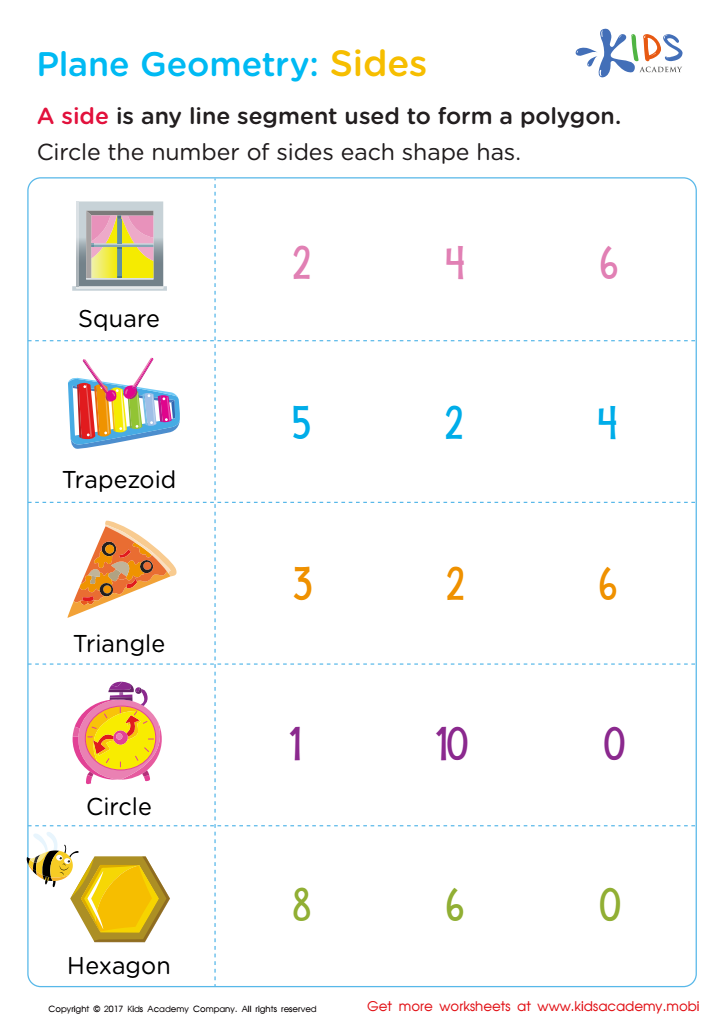
 Assign to My Students
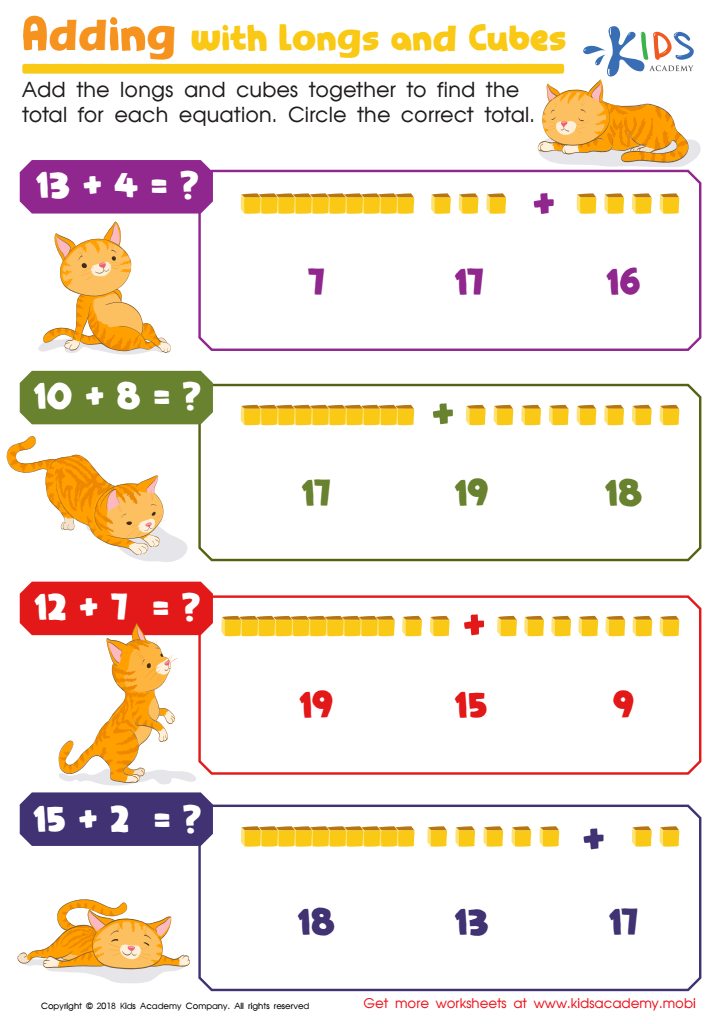
Adding With Longs and Cubes Worksheet
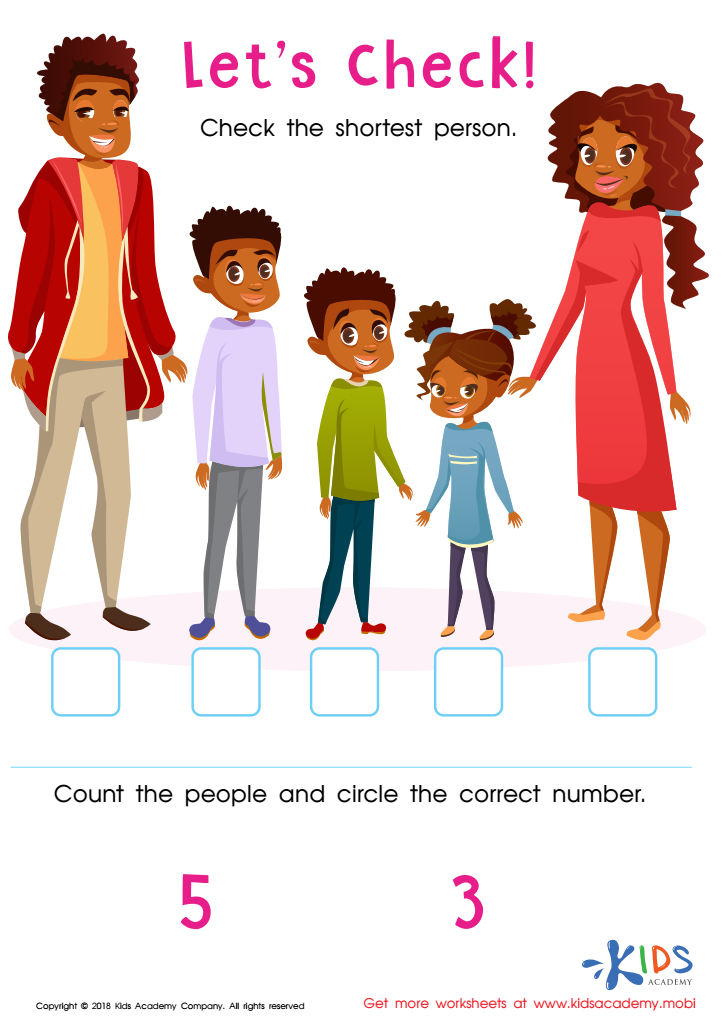
Let's Check! Assessment Worksheet
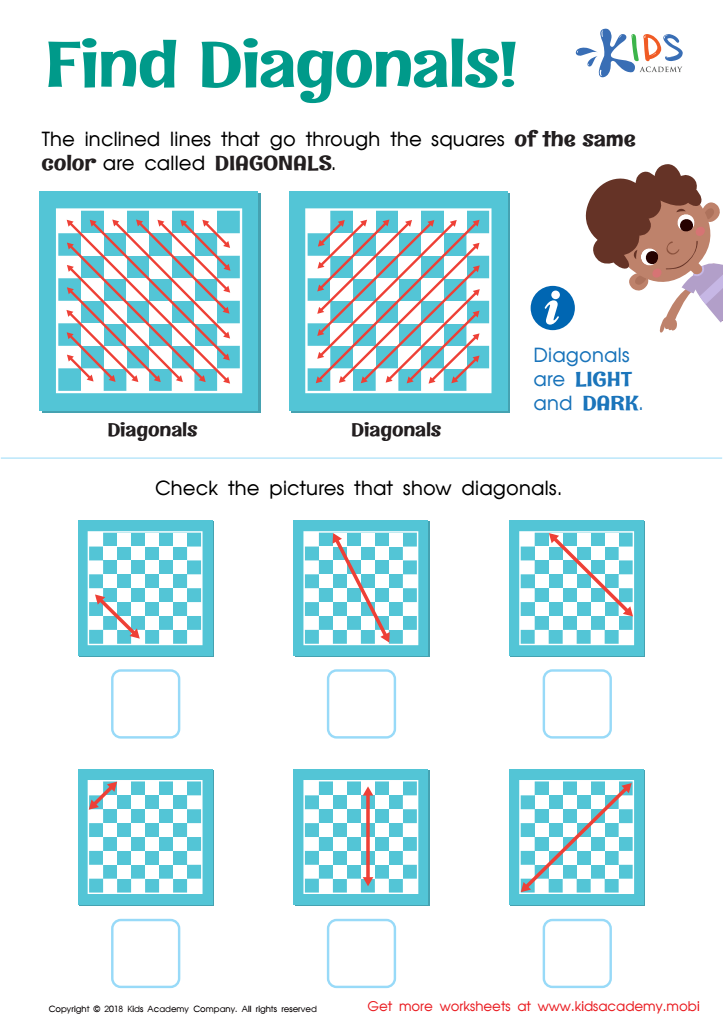
Find Diagonals Worksheet
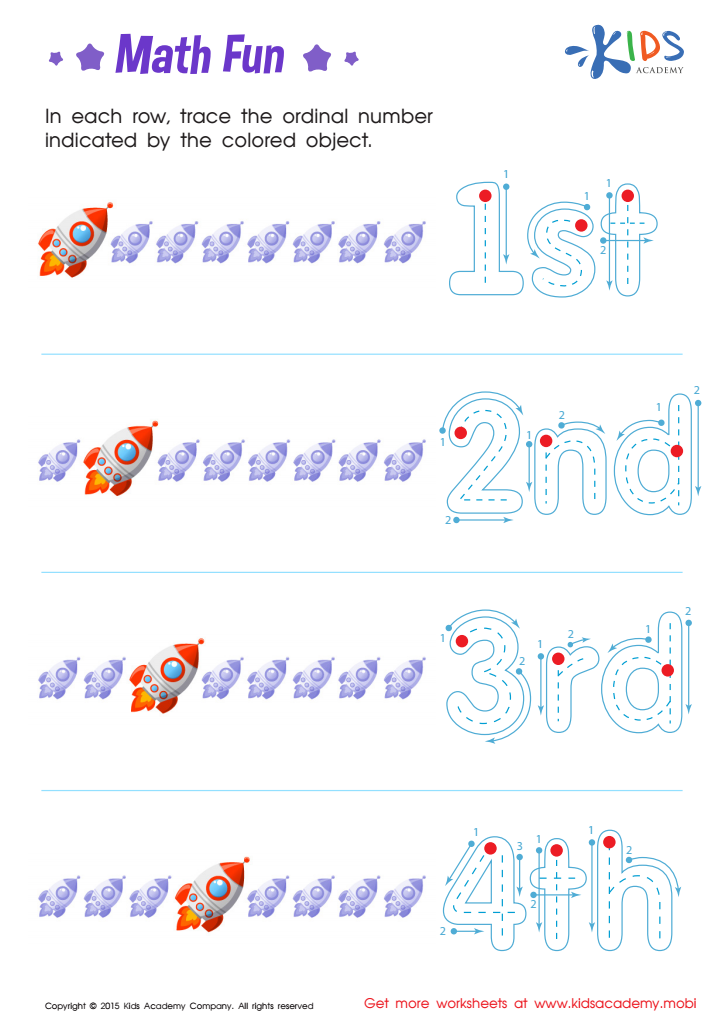
Ordinal Numbers: Math Fun Worksheet
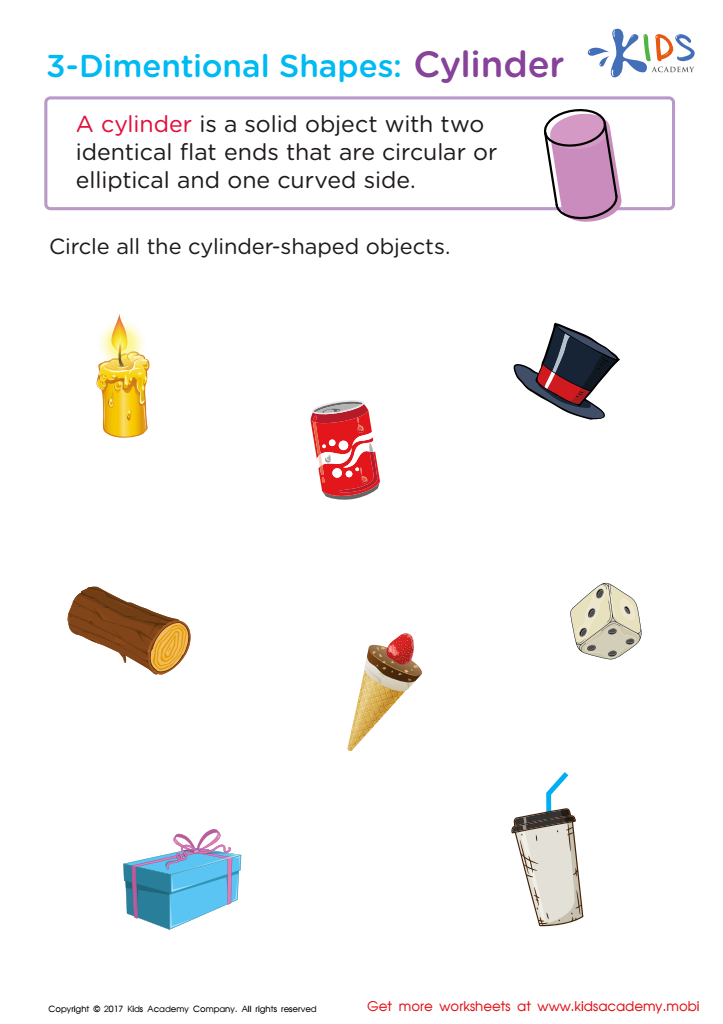
Three–Dimensional Shapes: Cylinder Worksheet







Understanding shapes is a fundamental building block for young children aged 3-8, and it's crucial for parents and teachers to recognize its importance. Shapes are not merely a math concept; they lay the groundwork for various aspects of cognitive development and learning.
First, recognizing and naming shapes enhances a child's spatial awareness, which is vital for navigating the physical world and later in tasks such as reading and writing. This foundational knowledge contributes to children's ability to understand geometry and other advanced mathematical concepts as they grow.
Second, understanding shapes helps with problem-solving and critical thinking skills. When children sort, classify, and manipulate shapes, they learn to observe details, notice similarities and differences, and make logical connections—all essential cognitive skills.
Third, knowledge of shapes enhances language development. Learning shape names and their properties enriches children's vocabulary and descriptive abilities, enabling better communication and literacy skills.
Shapes also play a significant role in creativity. Activities involving shapes—drawing, building, and assembling—encourage artistic expression and creativity, fostering imagination and innovative thinking.
In conclusion, parents and teachers should prioritize teaching shapes because it supports overall cognitive development, language acquisition, problem-solving skills, and creativity, building a robust educational foundation for young children.








