Visual recognition Worksheets for Ages 3-8
11 filtered results
-
From - To
Nurture your child’s cognitive development with our Visual Recognition Worksheets designed for ages 3-8. These engaging and educational printables enhance vital learning skills by helping young learners recognize shapes, patterns, and objects. Perfect for preschoolers and early elementary students, our age-appropriate activities stimulate visual memory, attention to detail, and critical thinking. Whether it's identifying different images or matching objects, our worksheets make learning fun and effective. Ideal for both parents and teachers, these resources provide an enriching learning experience that promotes academic growth. Empower your child with the essential skill of visual recognition—laying the foundation for future success!
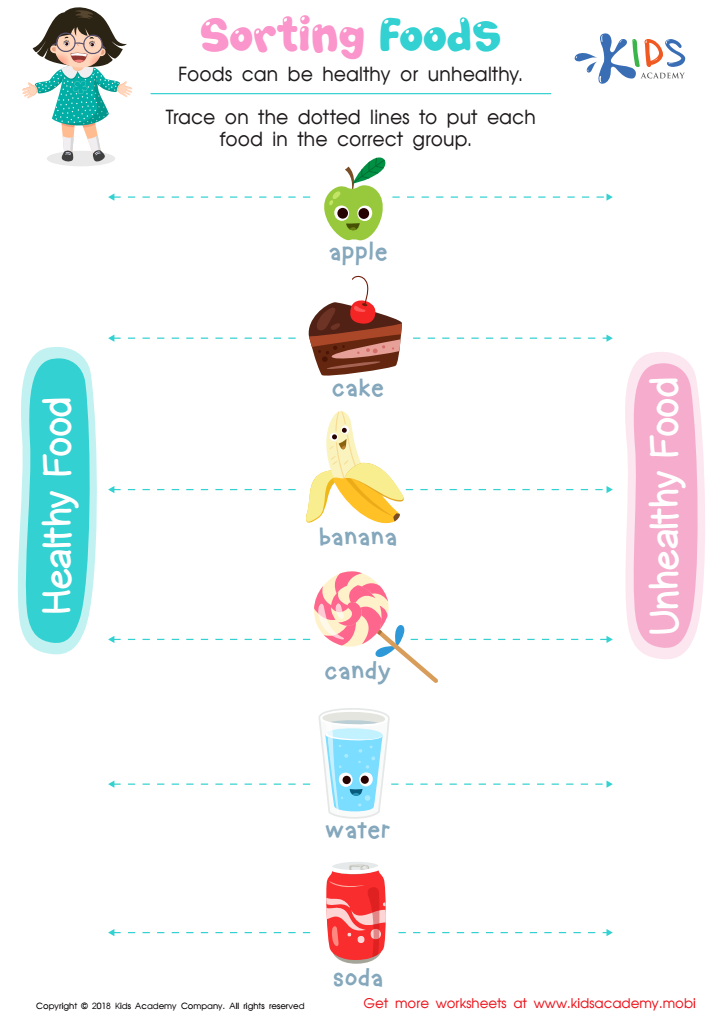
Sorting Food Worksheet
 Assign to My Students
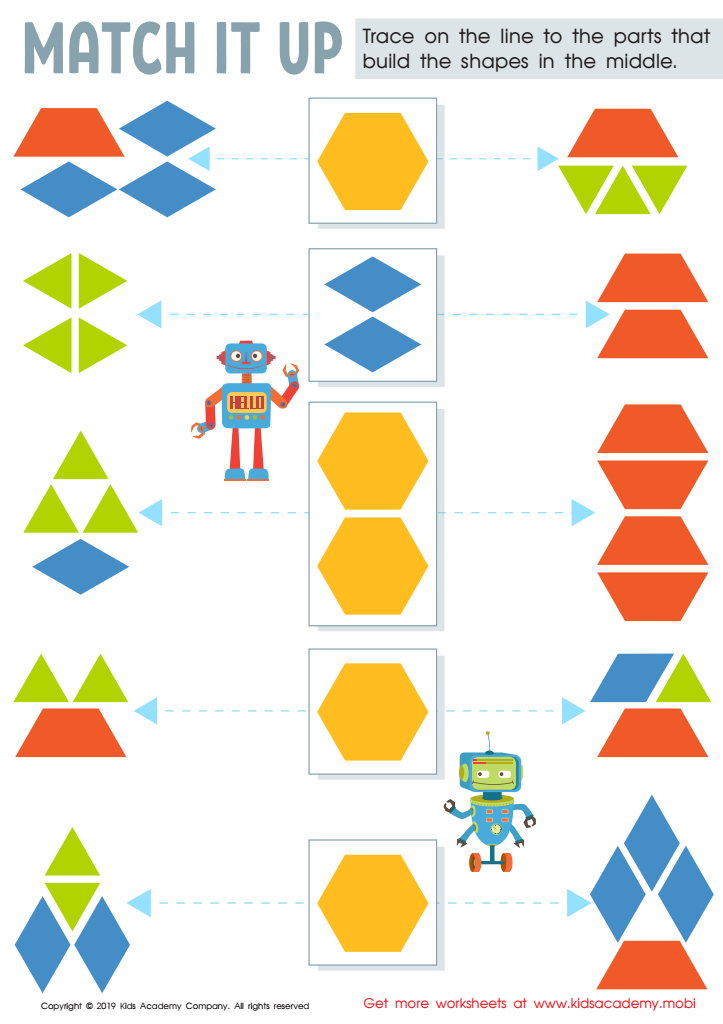
Match It up Worksheet
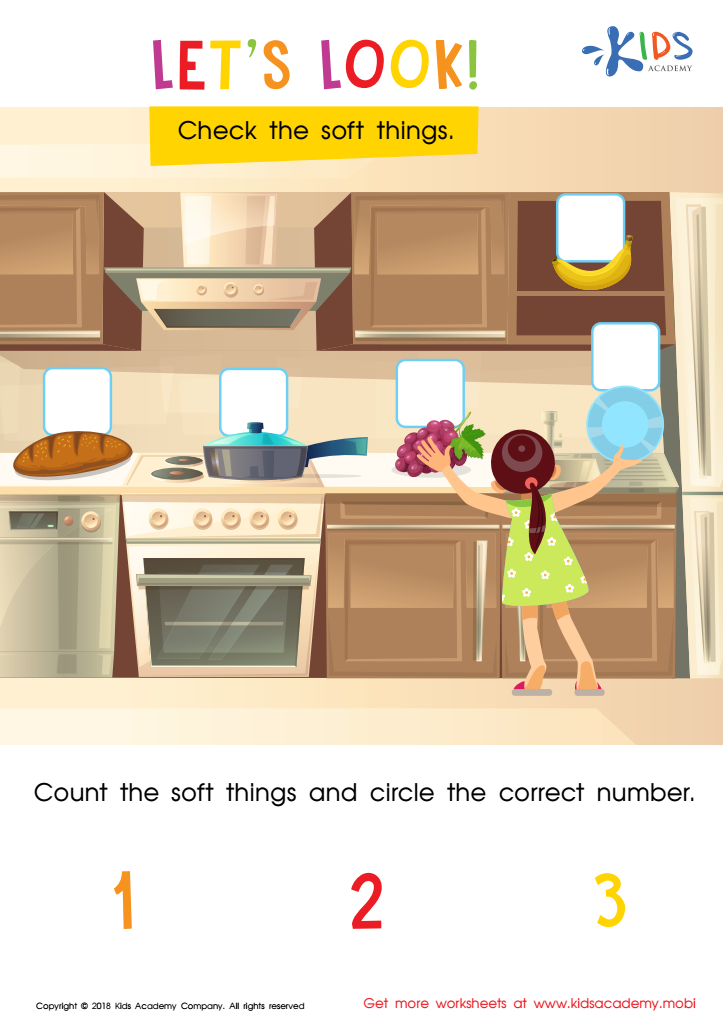
Let's Look! Assessment Worksheet
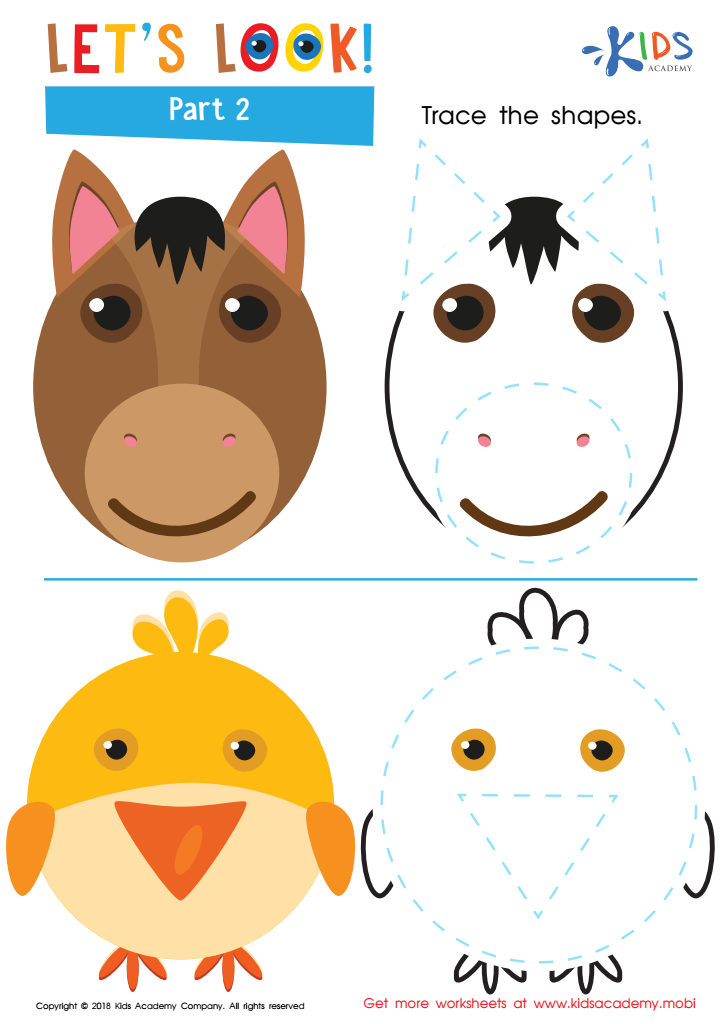
Let's Look! Part 2 Worksheet
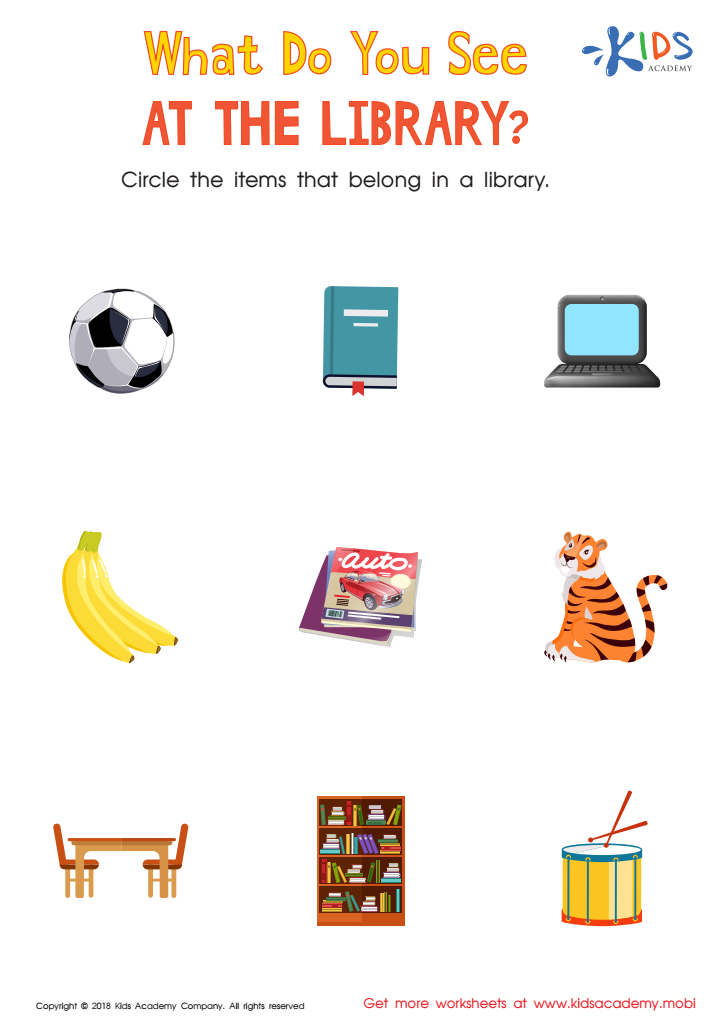
What Do you See at the Library? Worksheet
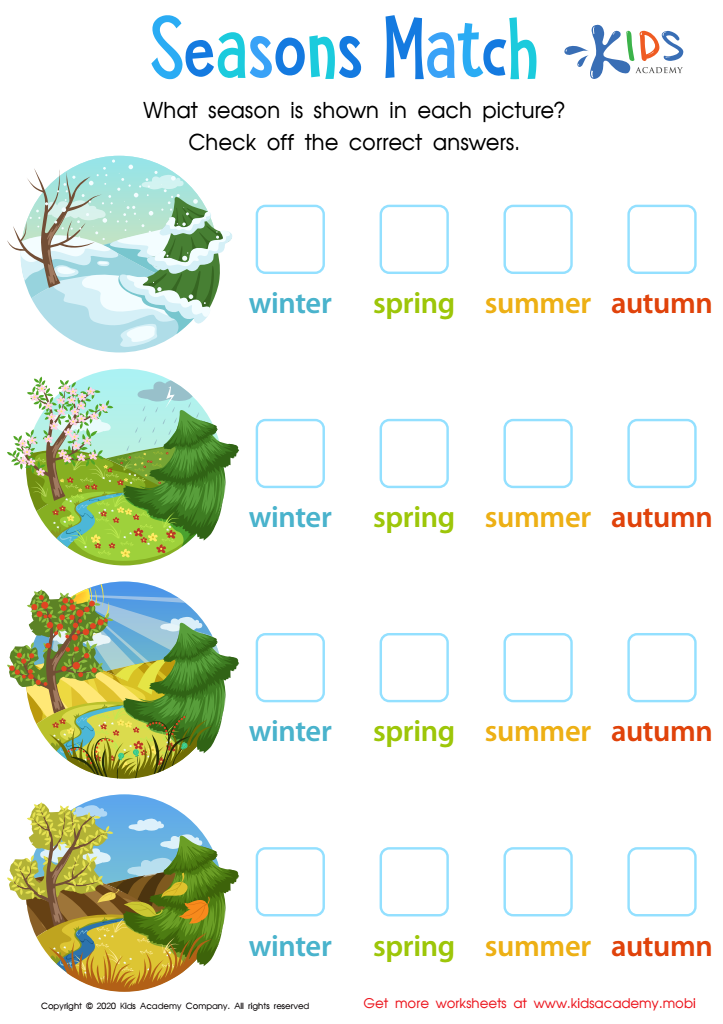
Seasons Match Worksheet
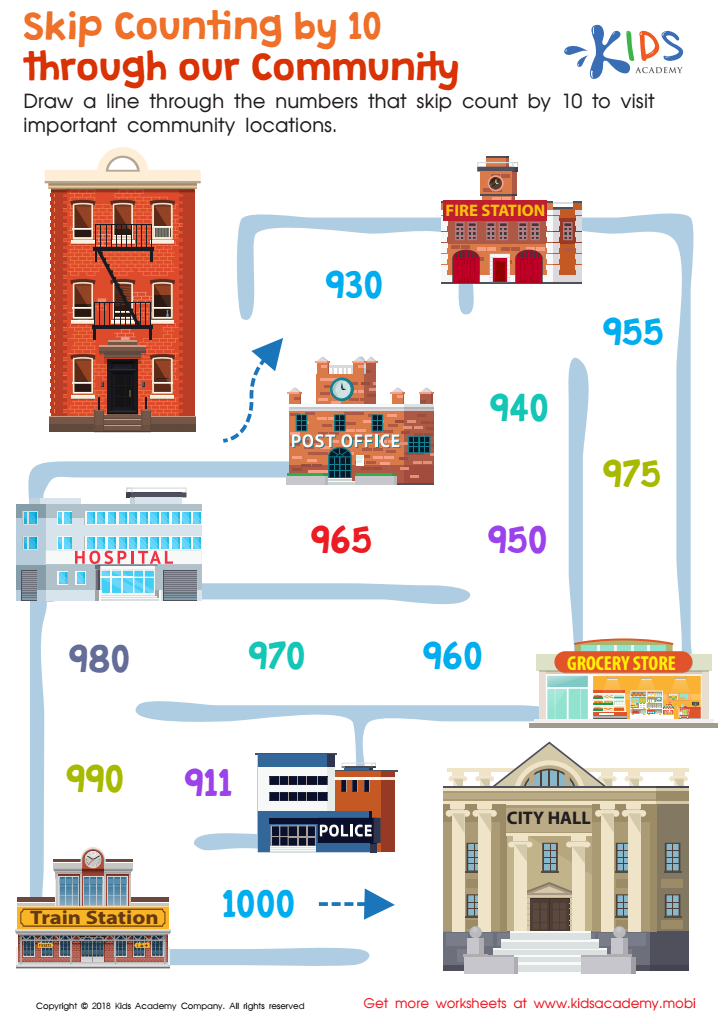
Skip Counting by 10 Through Our Community Worksheet
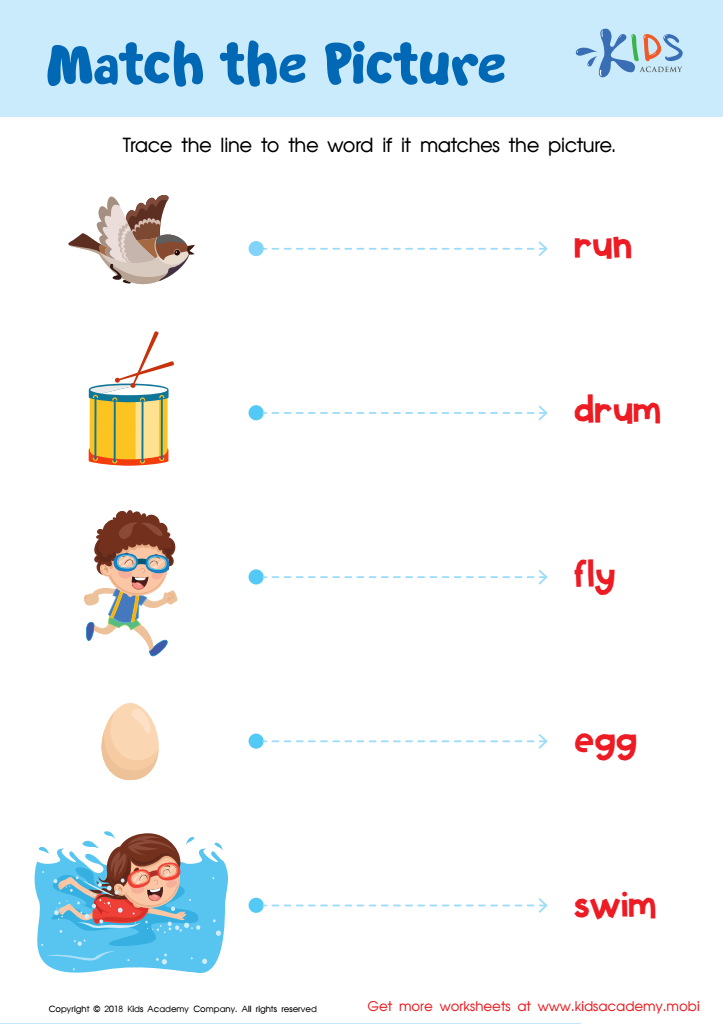
Match the Picture Worksheet
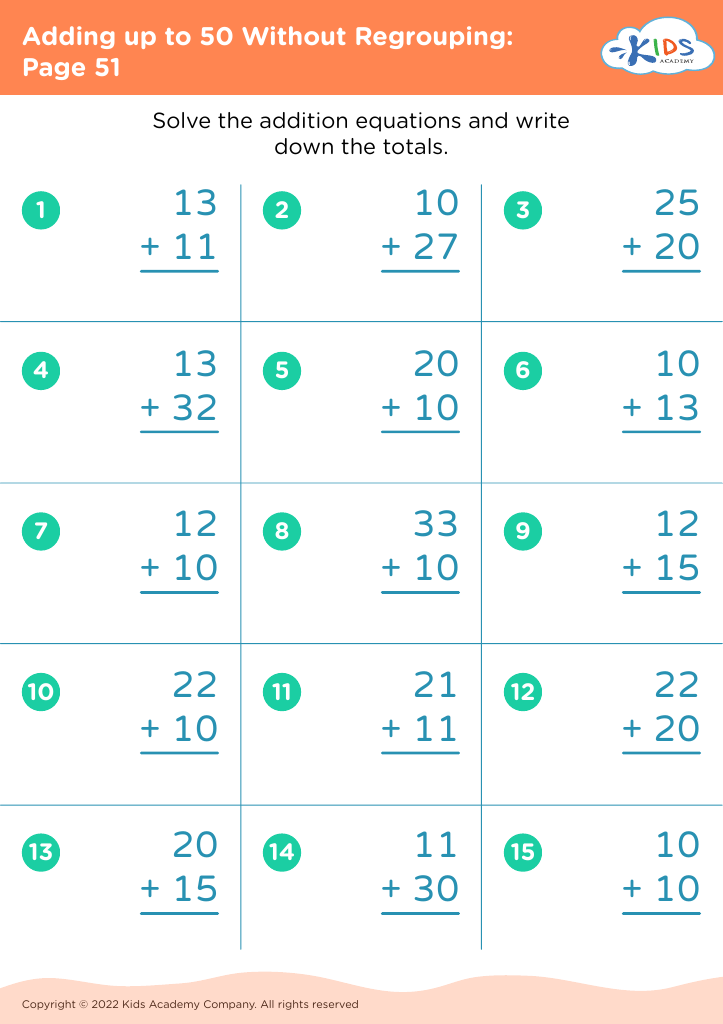
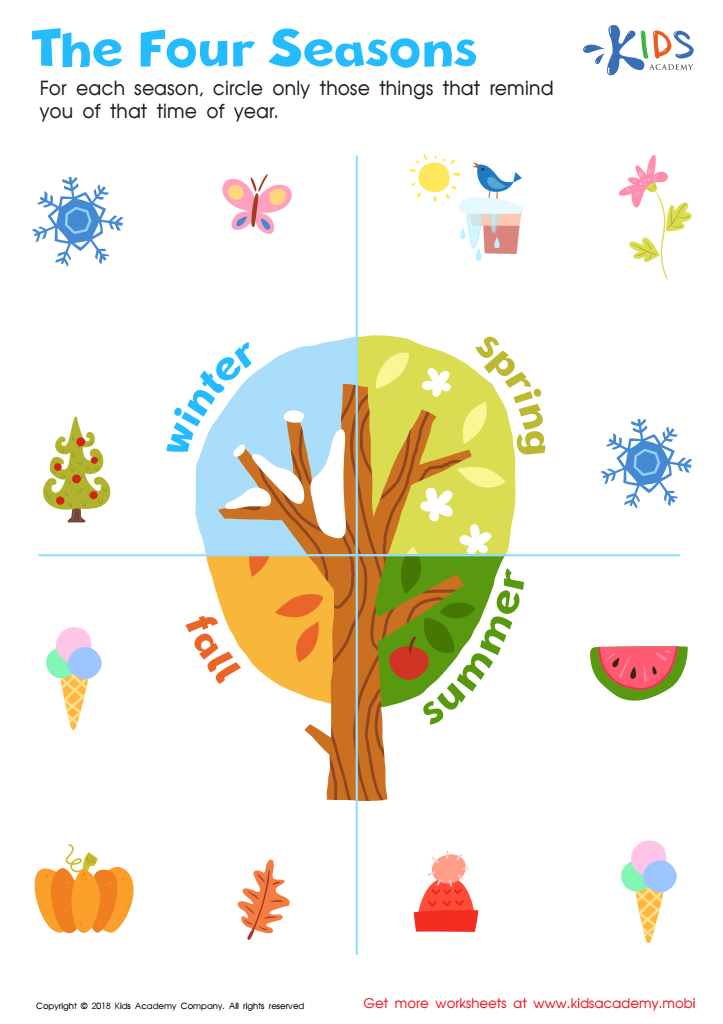
The Four Seasons Worksheet
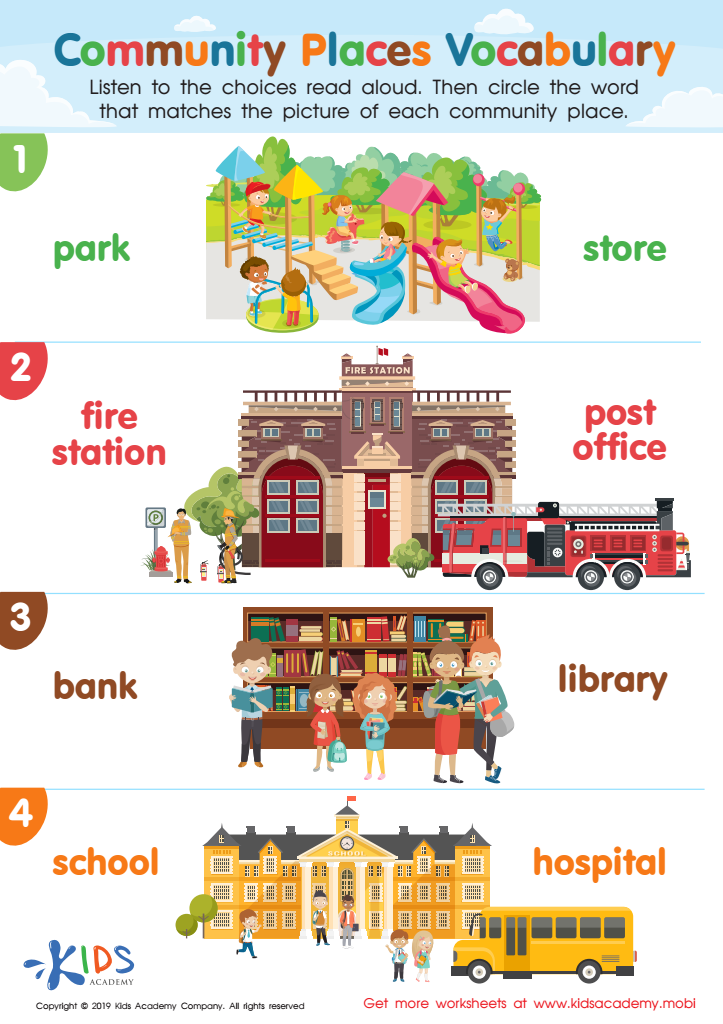
Community Places Vocabulary Worksheet








Visual recognition is a crucial developmental milestone for children ages 3-8 and significantly impacts their learning and everyday experiences. Parents and teachers should care about fostering visual recognition skills because these skills form the foundation for academic success and day-to-day functioning. For young children, visual recognition involves the ability to discern and identify shapes, colors, letters, numbers, and familiar objects in their environments.
Strong visual recognition skills are closely tied to early literacy and numeracy; for example, recognizing letters and numbers is a precursor to reading and basic math. These abilities also enhance memory retention and recall, improving a child's capacity to follow instructions, participate in classroom activities, and successfully engage in play with peers. Additionally, honing visual recognition aids in developing critical cognitive functions such as attention to detail, pattern recognition, and spatial awareness.
Furthermore, visual recognition fosters independence and safety in a child's daily life, allowing them to navigate their surroundings effectively, recognize common symbols like traffic signs, and understand non-verbal cues from others. By emphasizing visual recognition during these formative years, parents and teachers will help children build a solid platform for future academic accomplishments, social interactions, and functional independence. Investing time and resources to nurture these skills will translate into long-term benefits across various aspects of a child's life.








