Nature appreciation Adding in the Forest Worksheets for Ages 3-8
5 filtered results
-
From - To
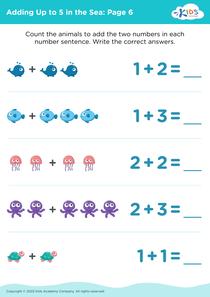
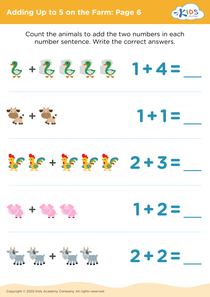
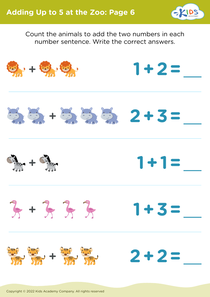
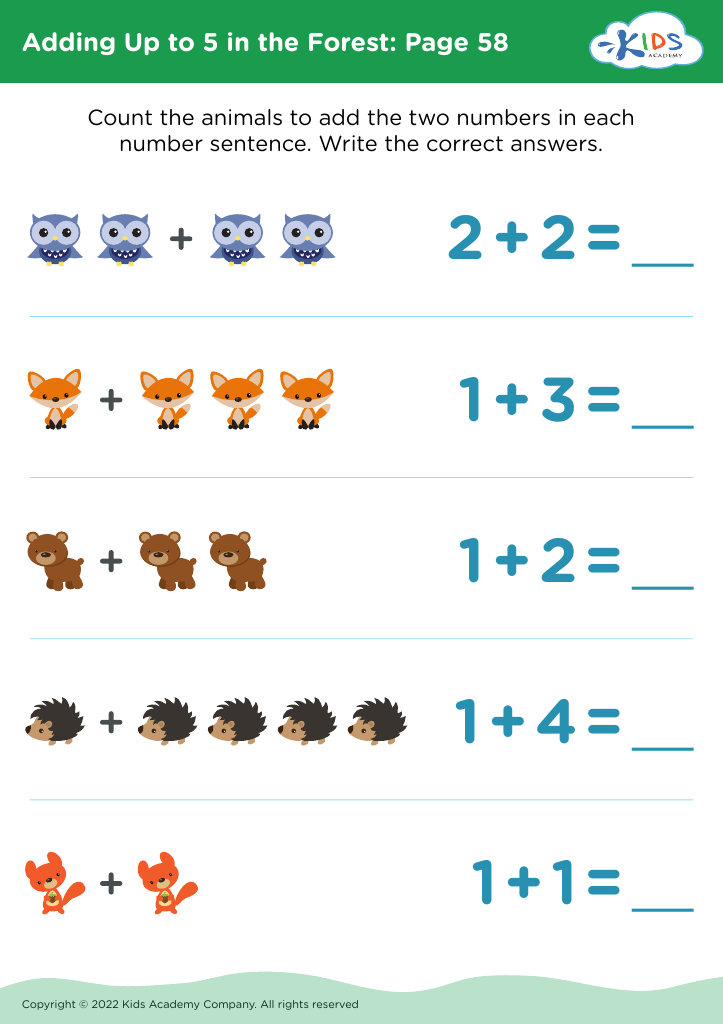
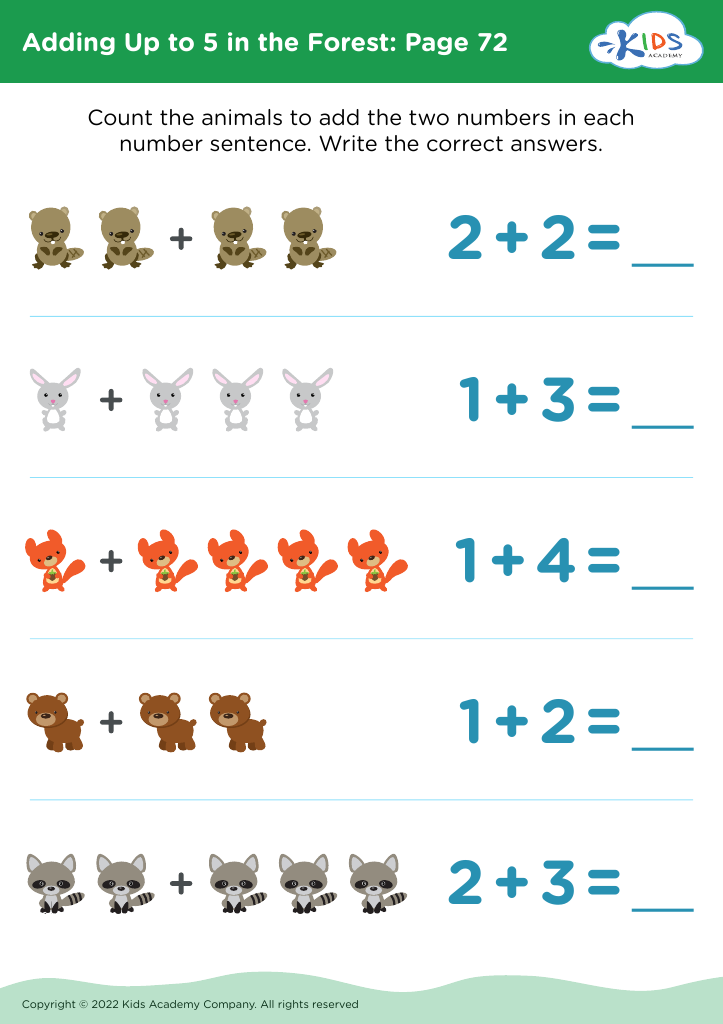
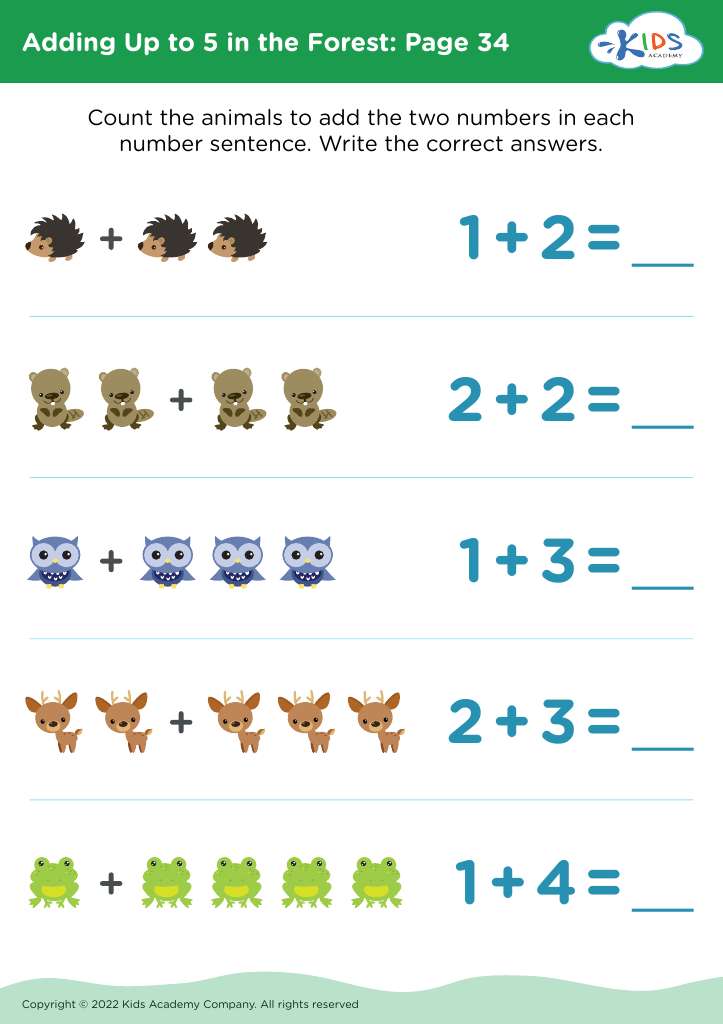
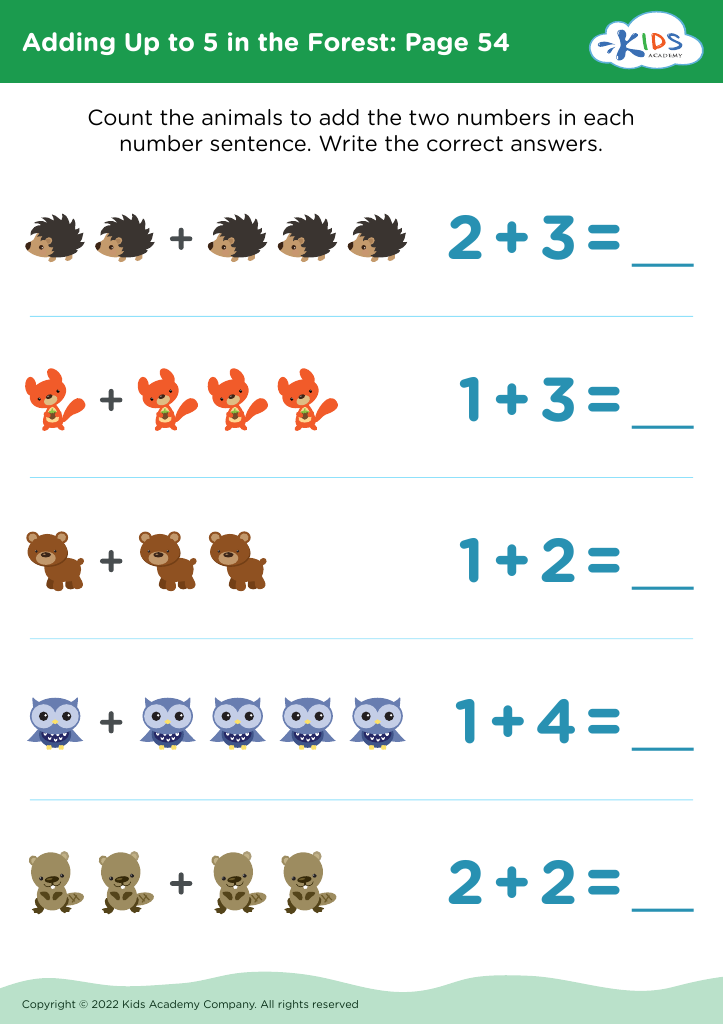
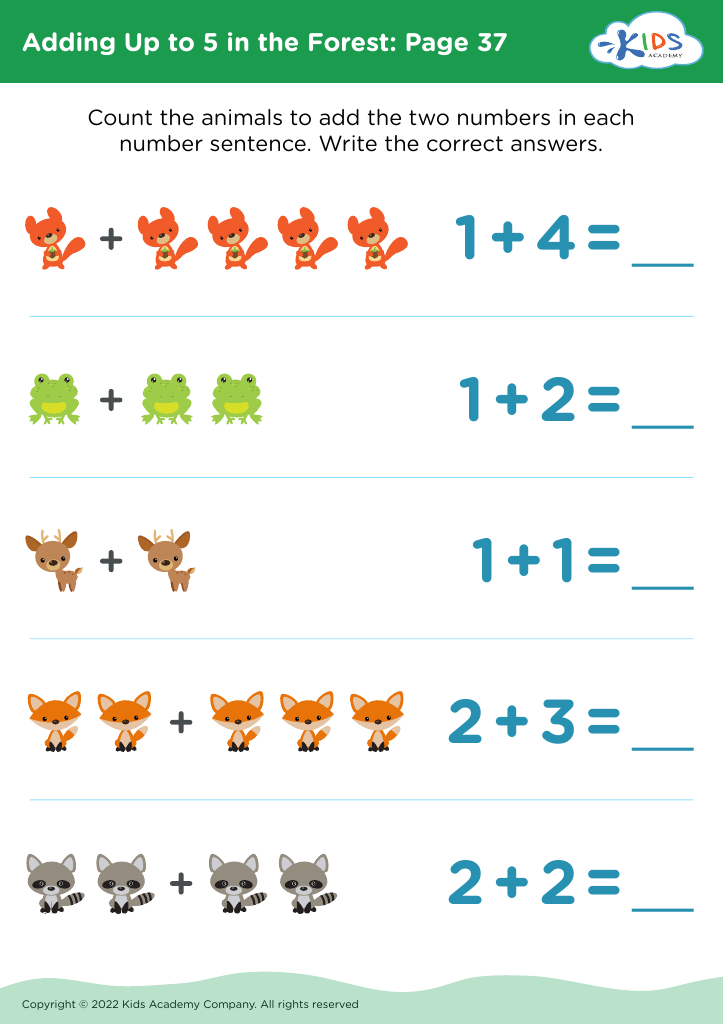
Discover the beauty of nature with our "Nature Appreciation Adding in the Forest Worksheets," designed for children ages 3-8. This engaging resource blends early math skills with the wonders of the outdoors, helping young learners practice addition while exploring forest-themed illustrations. Children will not only enhance their counting abilities but also cultivate a love for nature as they identify animals, trees, and plants included in the worksheets. Perfect for classroom activities or homeschooling, these worksheets promote creativity and observational skills in a fun, educational setting. Encourage your little ones to embrace the enchanting world of the forest while building essential math skills!



Nature appreciation is crucial for children aged 3 to 8 as it fosters a deep connection between young minds and the natural world. When parents and teachers prioritize outdoor experiences, such as spending time in the forest, they offer children opportunities to explore, discover, and learn through play in a vibrant and immersive environment.
Exploring nature enhances children's physical, cognitive, and emotional development. Engaging with the forest stimulates their senses and encourages curiosity, leading to vital skills like problem-solving, observation, and critical thinking. Climbing trees, identifying plants, or listening to birds enhances fine and gross motor skills, while also nurturing creativity and imagination.
Moreover, early exposure to nature fosters a sense of responsibility and stewardship towards the environment. Children learn to appreciate the beauty and intricacies of ecosystems, nurturing a lifelong respect for nature that can lead to environmentally conscious behavior as they grow.
Developing social skills is another benefit as children collaborate in nature, sharing discoveries and ideas, while forming friendships. By incorporating nature appreciation into daily routines, parents and teachers not only enrich children's lives but also lay a foundation for a healthier lifestyle, enhanced well-being, and an enduring bond with the environment.