Understanding fractions Adding up to 100 Misc Worksheets for Ages 3-8
16 filtered results
-
From - To
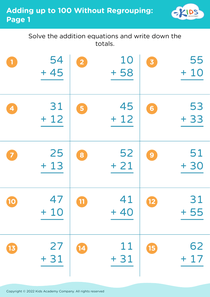
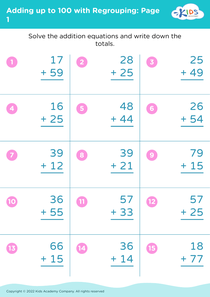
Introducing our "Understanding Fractions: Adding up to 100 Misc Worksheets" for children ages 3-8, designed to build a strong foundation in early math skills. These engaging printable worksheets are packed with activities that make learning fractions fun and accessible. Through visual aids, hands-on exercises, and interactive problems, kids will develop a clear understanding of fractions and mastering addition up to 100. Perfect for young learners, these resources simplify complex concepts with easy-to-follow instructions and colorful illustrations. Set your child on a path to math success with these essential educational tools. Boost their confidence and make learning enjoyable today!
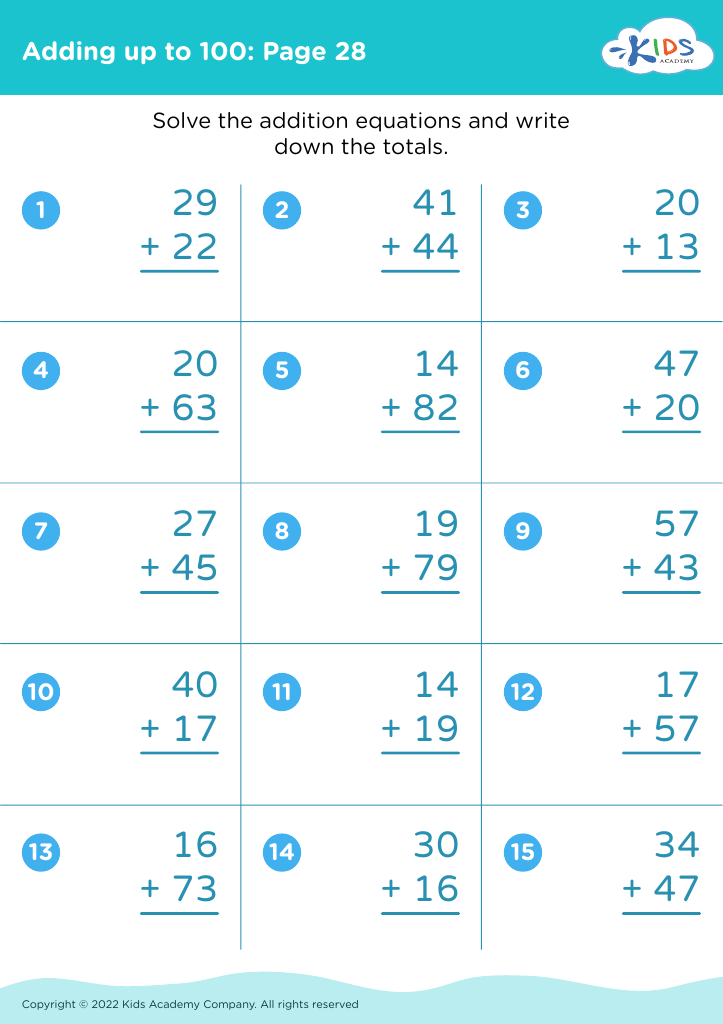
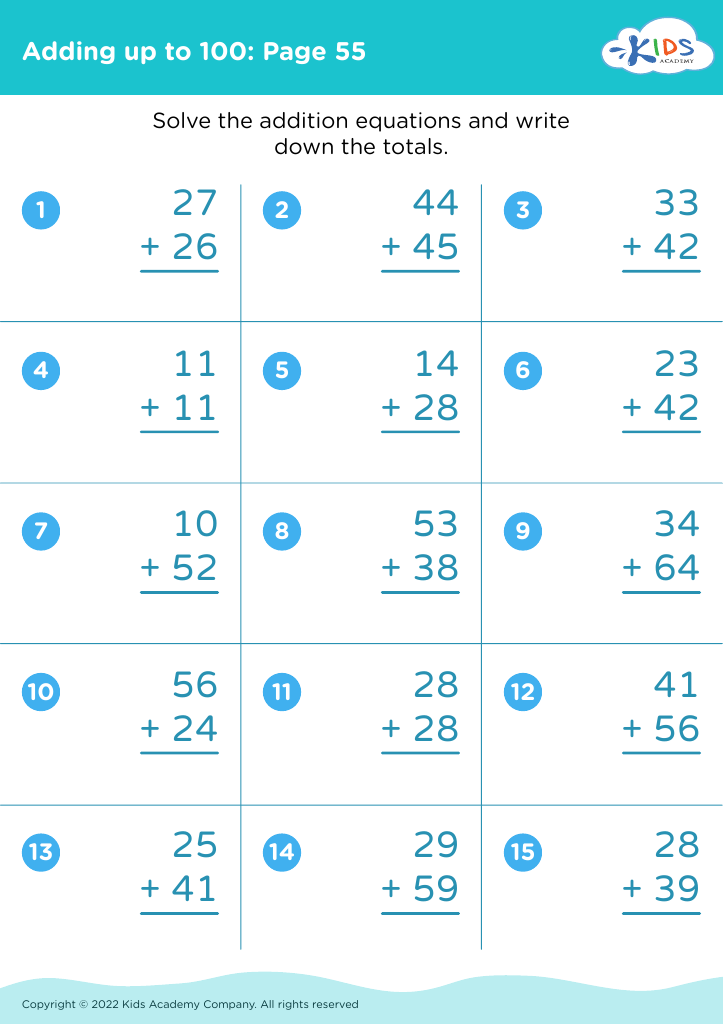
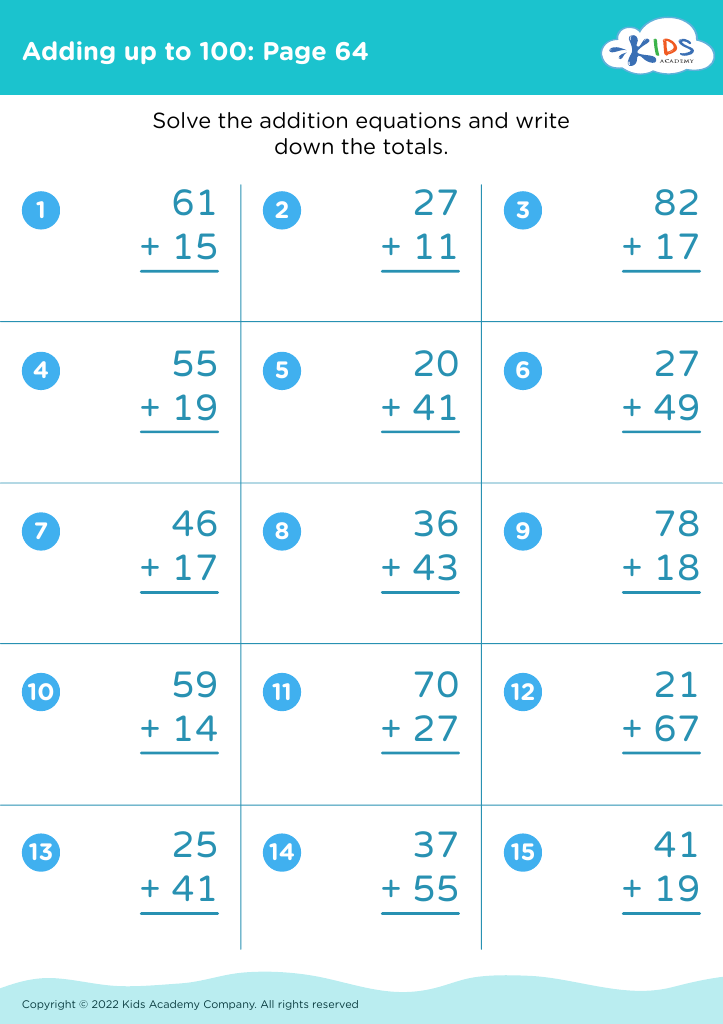
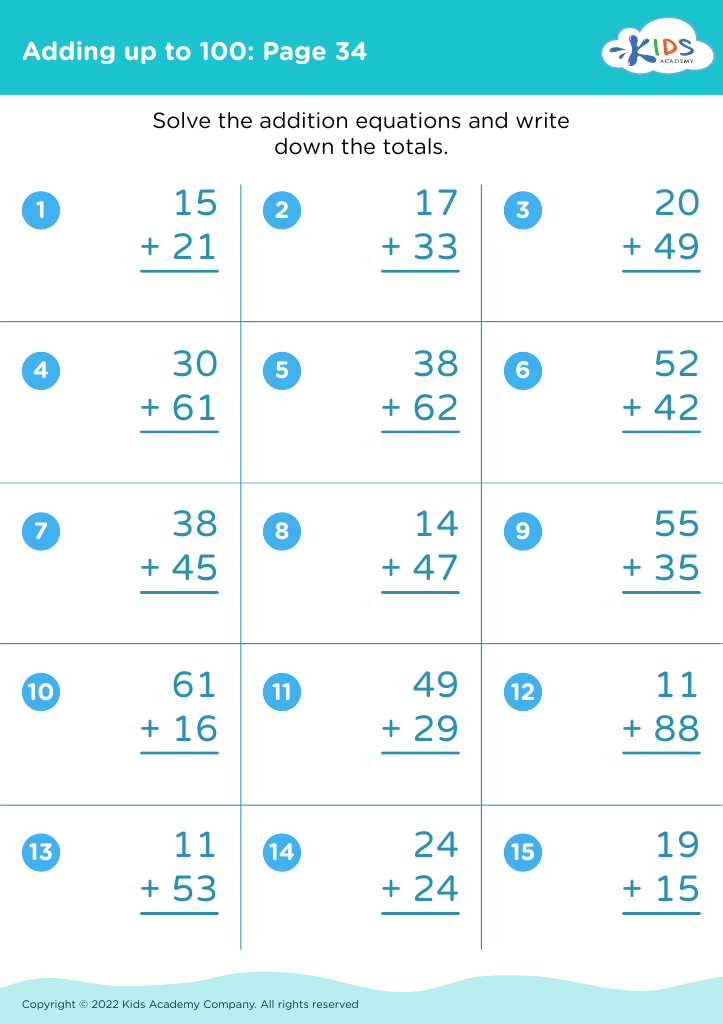
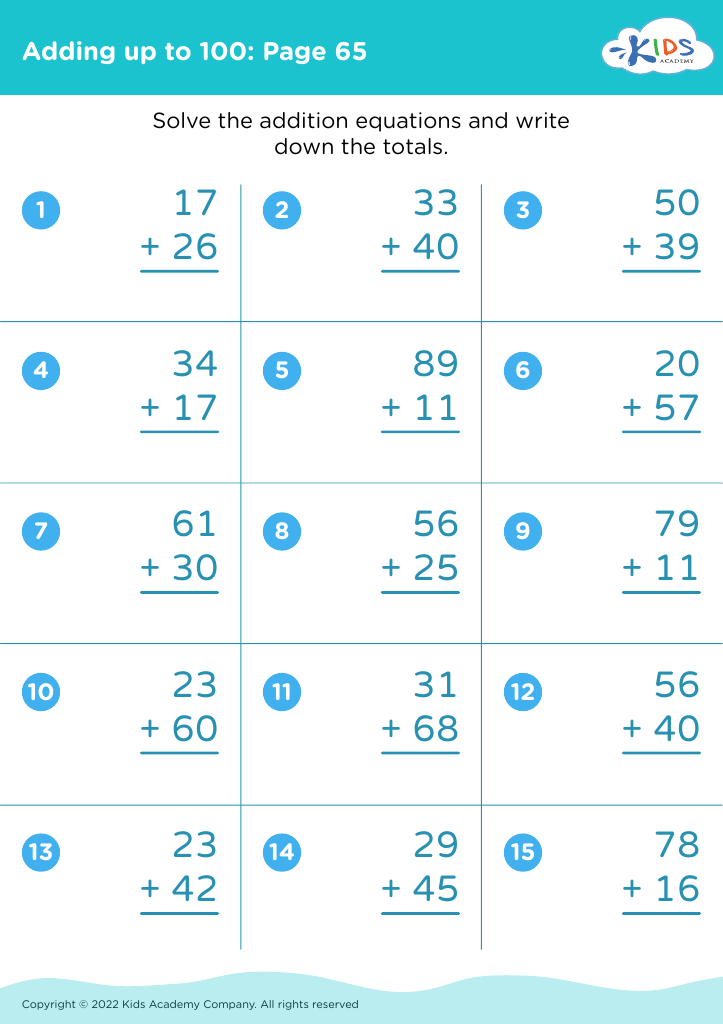
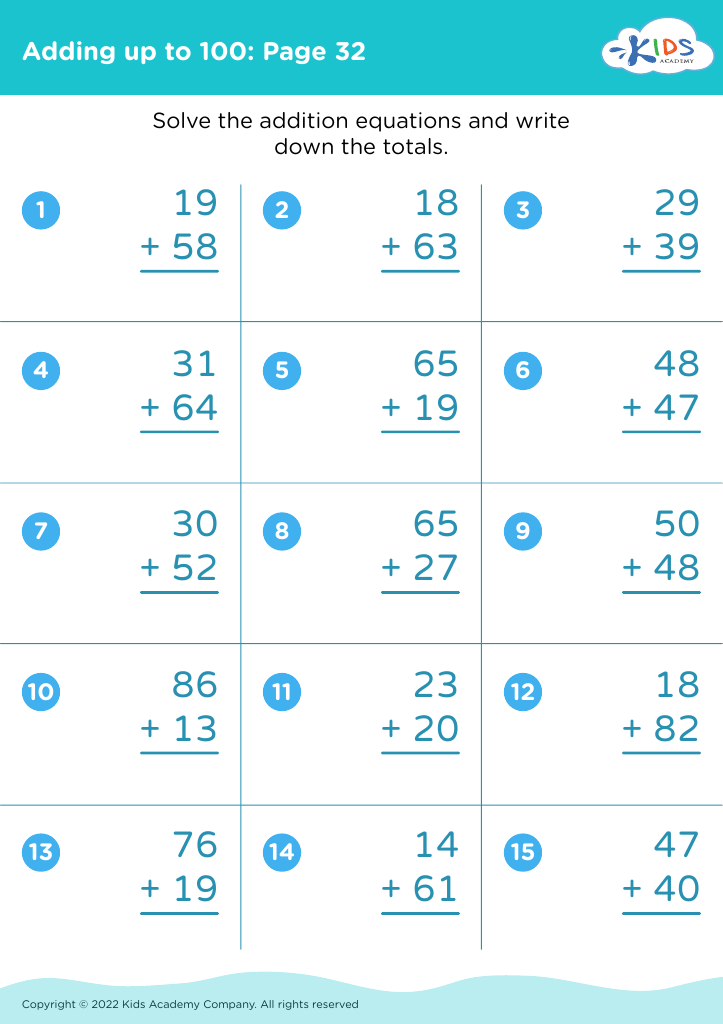
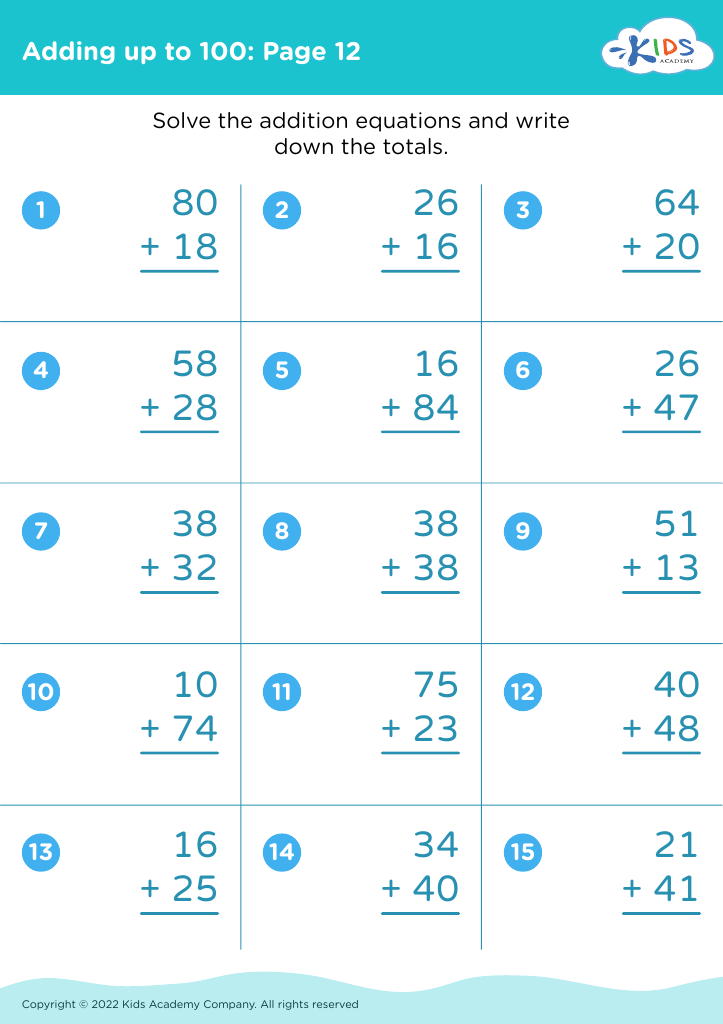
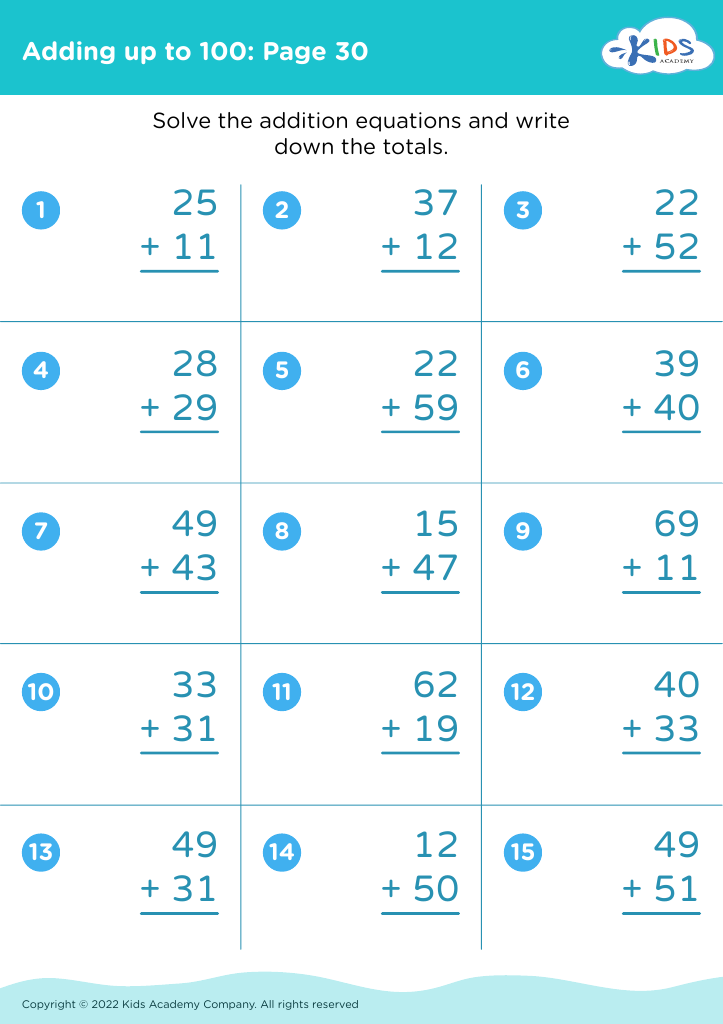
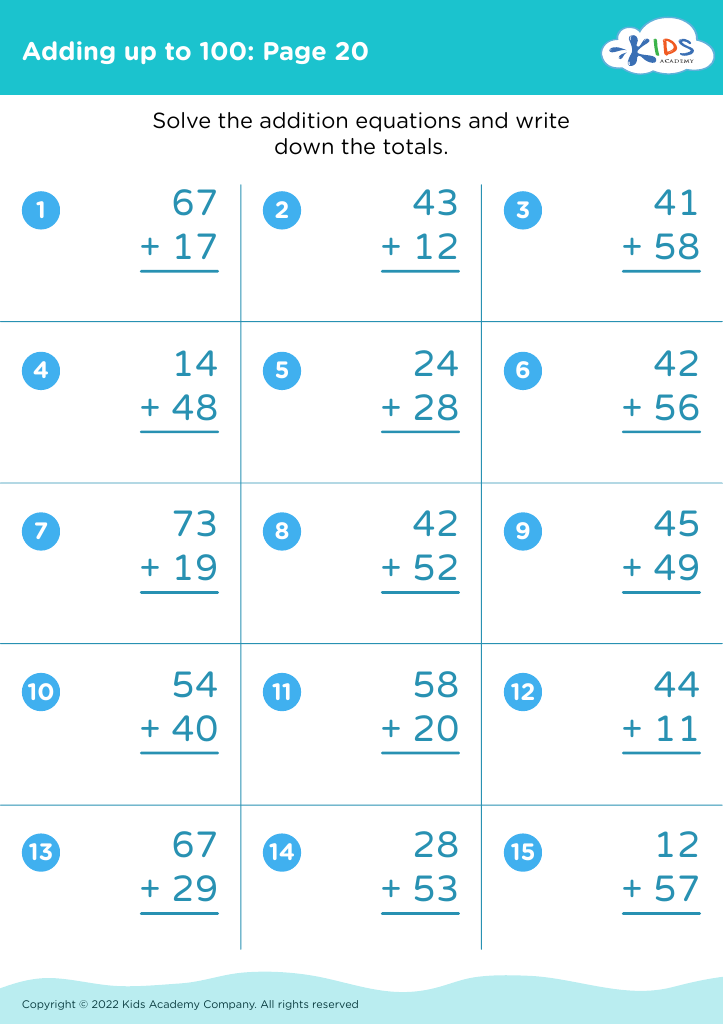
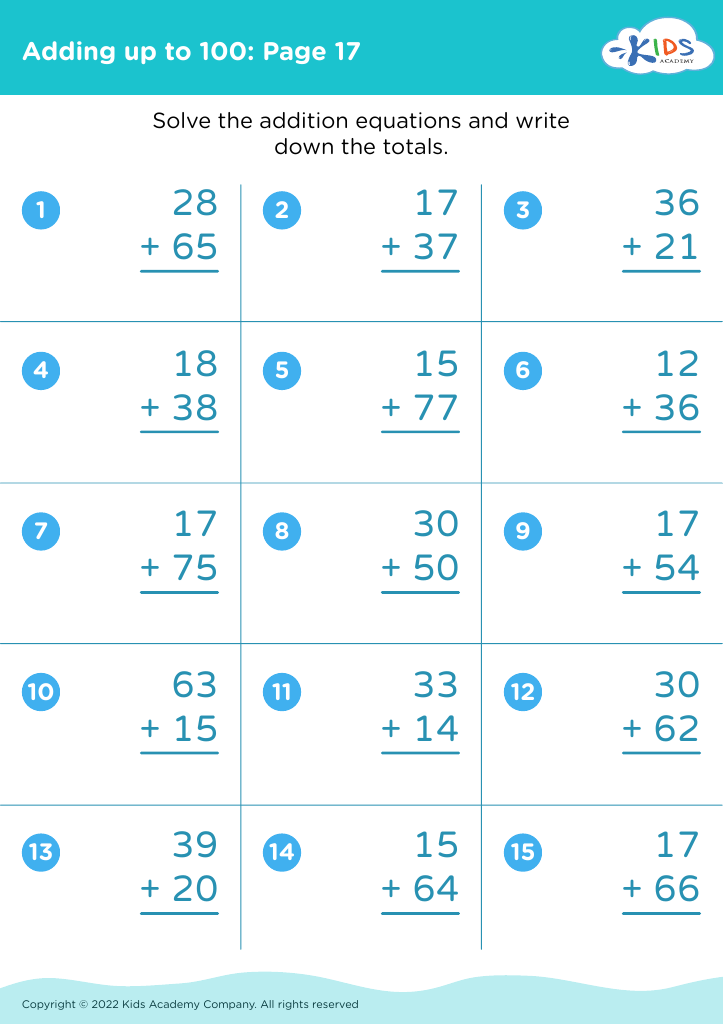
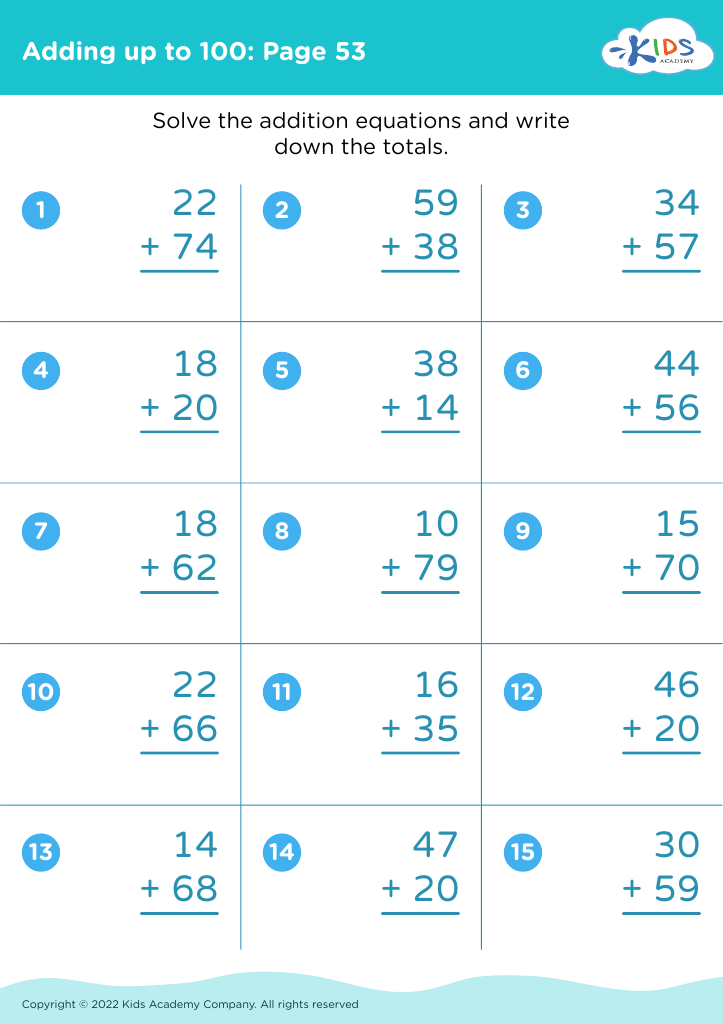
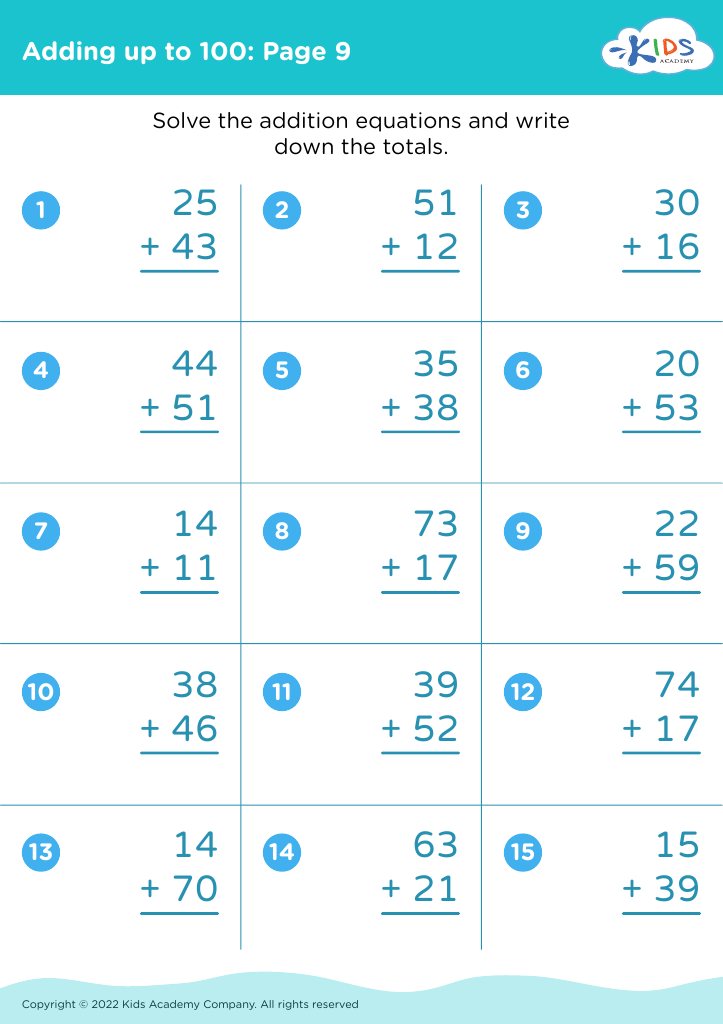
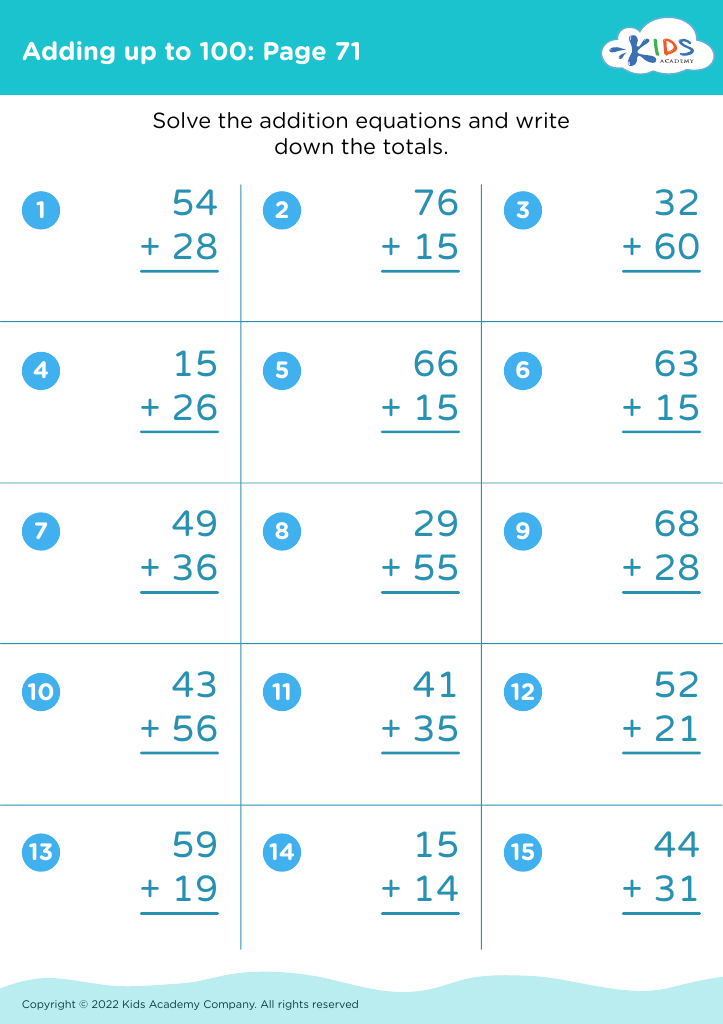
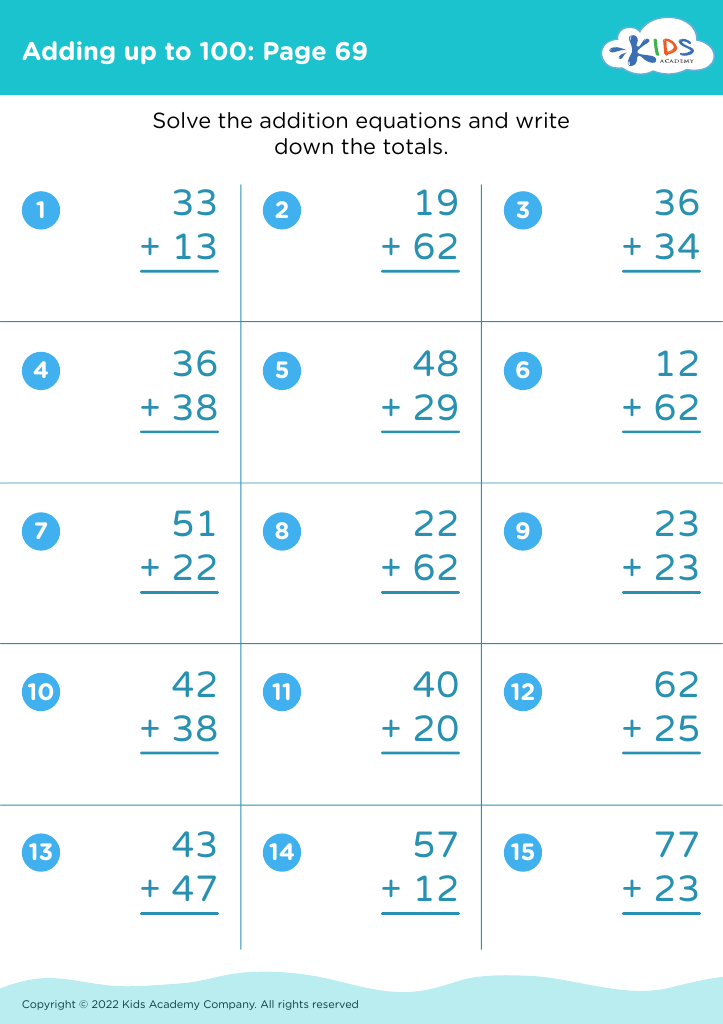
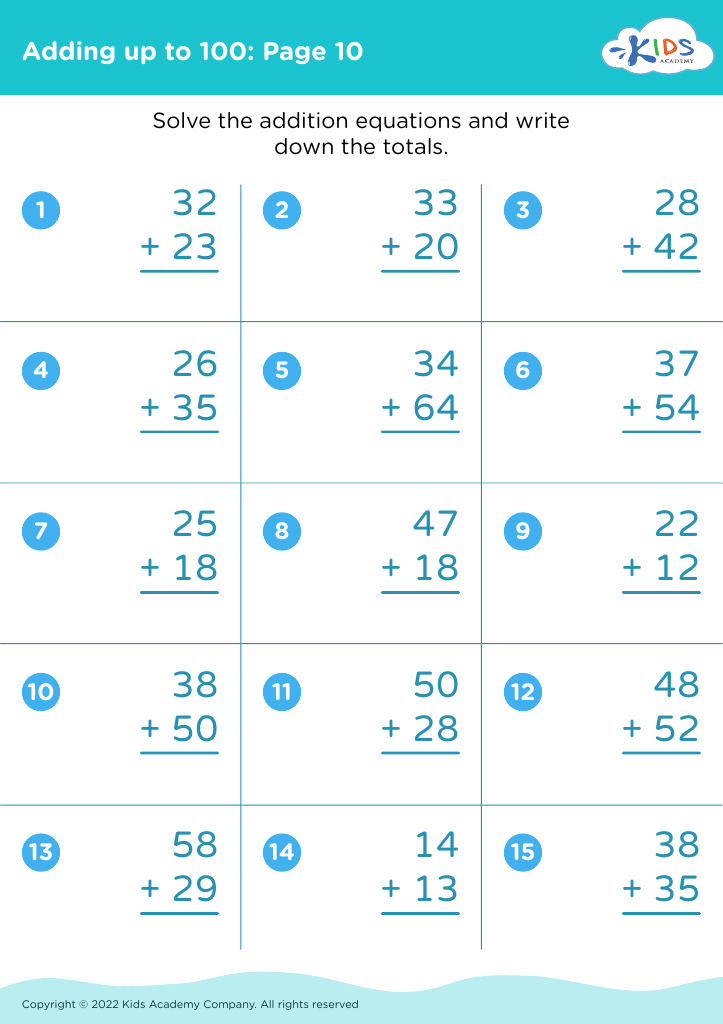
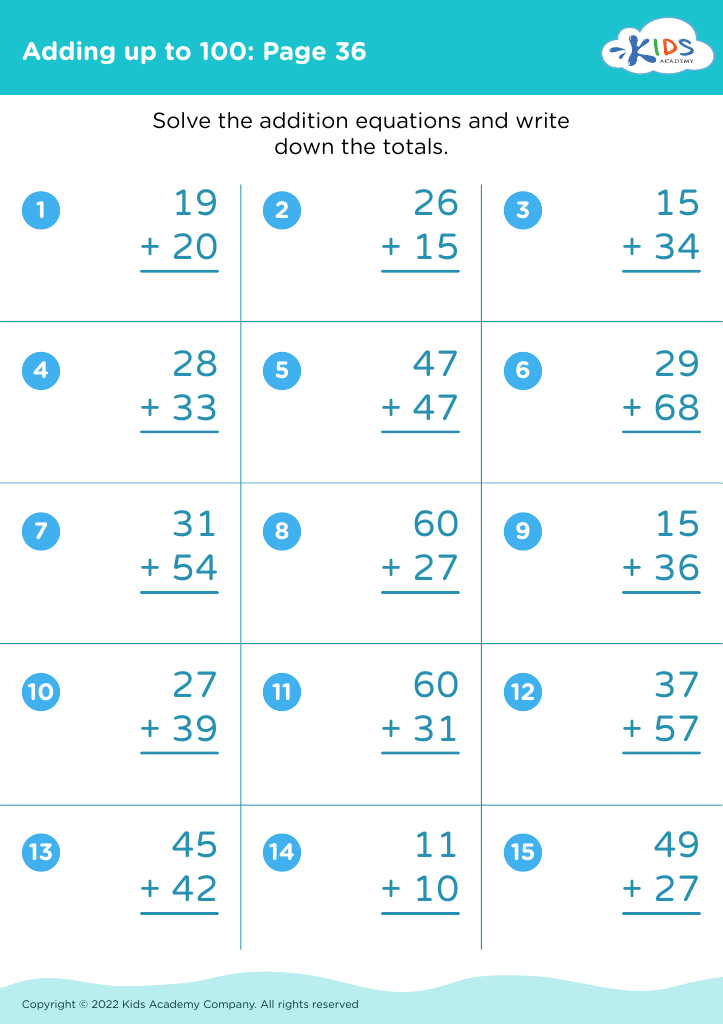


Understanding fractions, addition, and distributive property for children aged 3-8 is fundamental in laying a strong mathematical foundation. Fractions introduce concepts of part-whole relationships, essential for many advanced mathematical topics and real-life situations like sharing, cooking, or measuring. Early exposure can demystify fractions, often struggling for older students.
Addition skills, culminating in sums up to 100, are critical at this early stage to build arithmetic fluency. Mastery here ensures children can effortlessly progress to more complicated mathematical operations, fostering numerical confidence and competence. It provides a basis for problem-solving, logical reasoning, and enhanced concentration.
The distributive property illustrates how multiplication interacts with addition, anchoring future algebraic thinking. Understanding that manipulating numbers using properties can simplify computations is invaluable for mental math agility.
Moreover, these concepts support cognitive development, fostering improved memory, analytical skills, and logical thinking. They directly enhance academic performance across STEM subjects, laying the groundwork for future learning. Therefore, parents and teachers investing time to ensure children grasp these ideas are equipping them with tools to better navigate their educational journey and everyday tasks. Cultivating a comfortable familiarity with numbers and operations can spark a lifelong interest and strength in mathematics.