Understanding fractions Adding up to 50 Misc Worksheets for Ages 3-8
17 filtered results
-
From - To
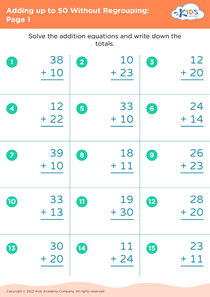
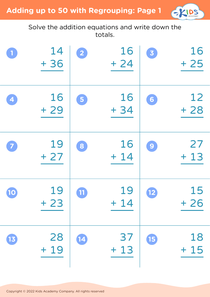
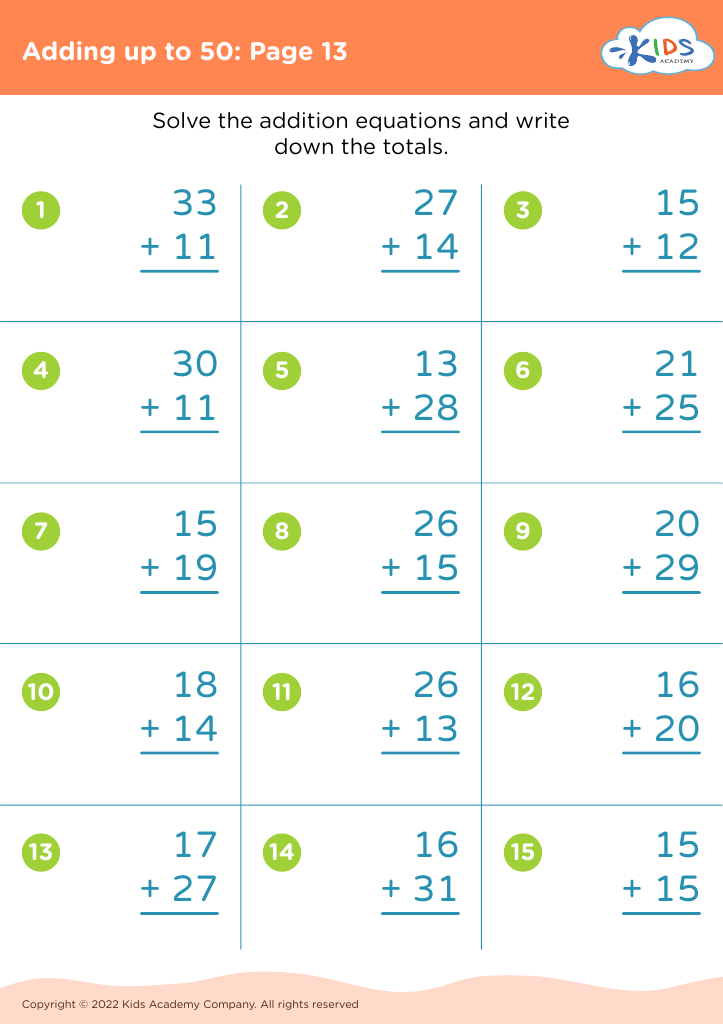
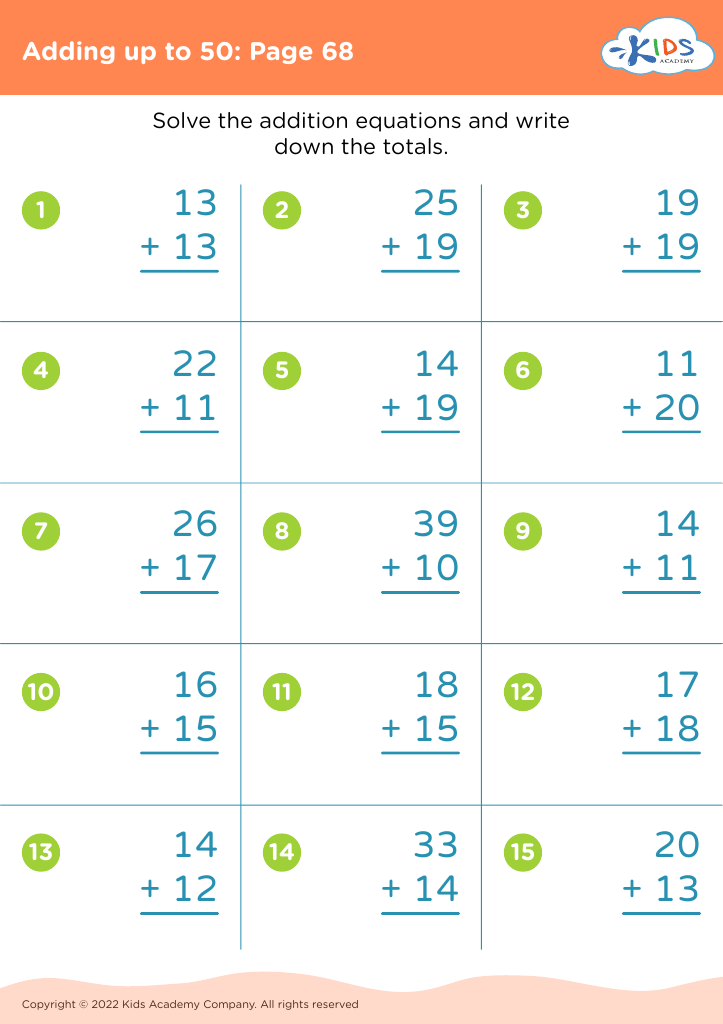
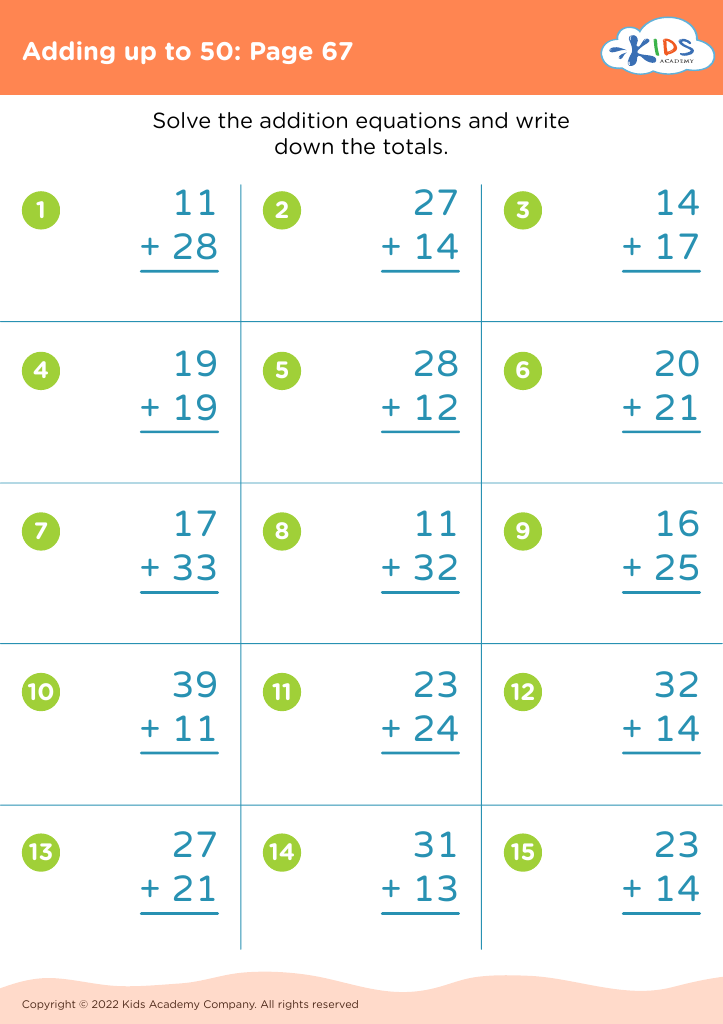
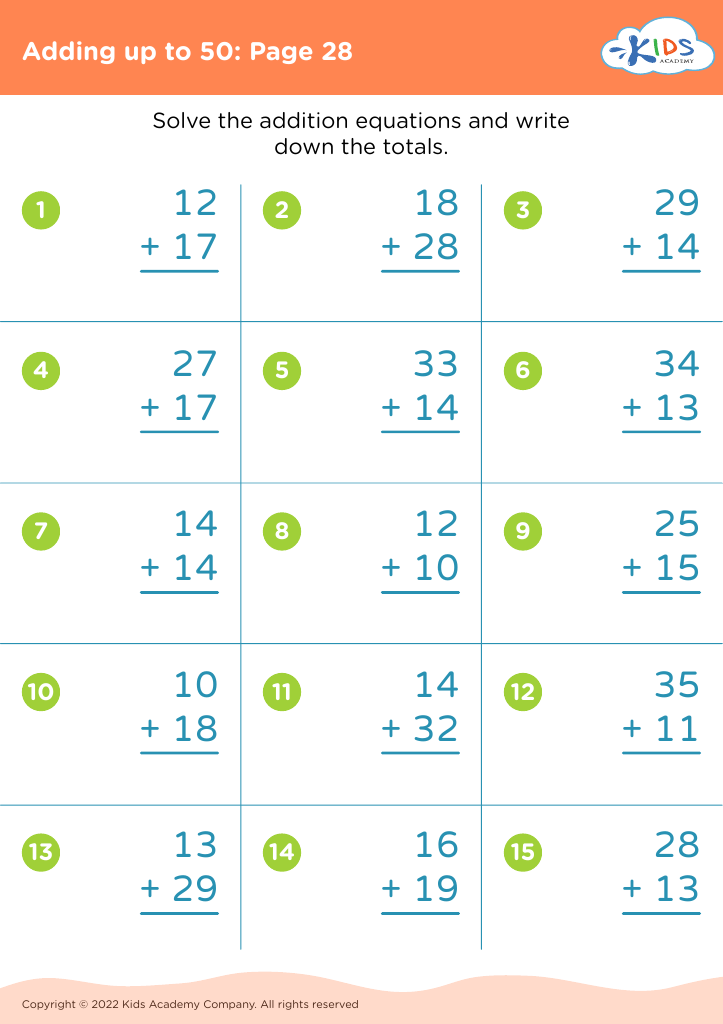
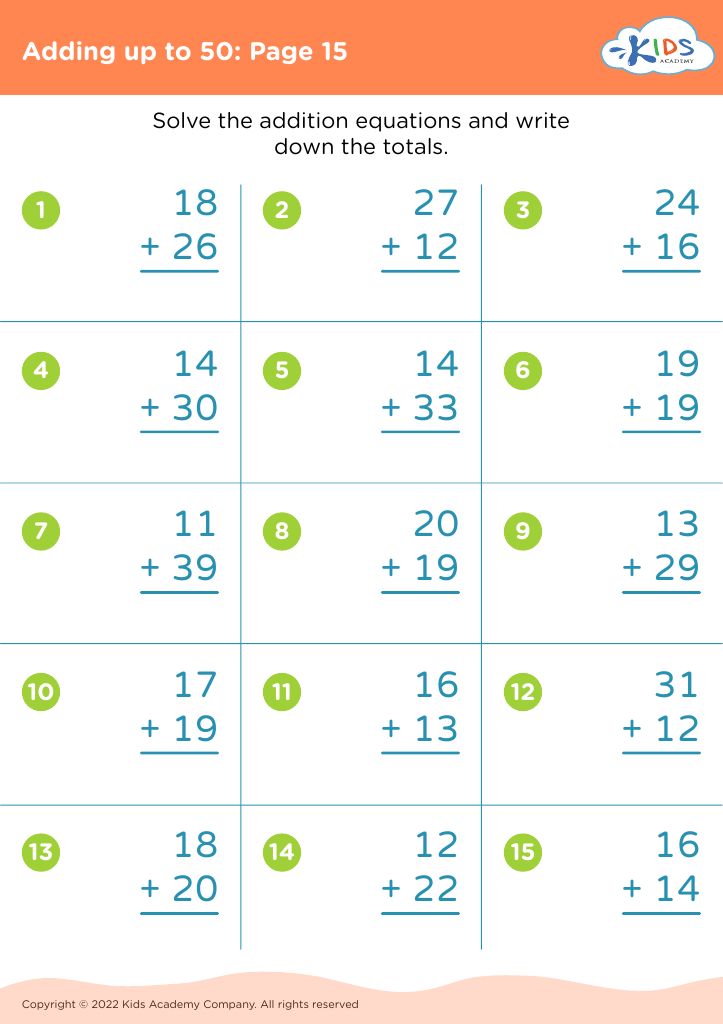
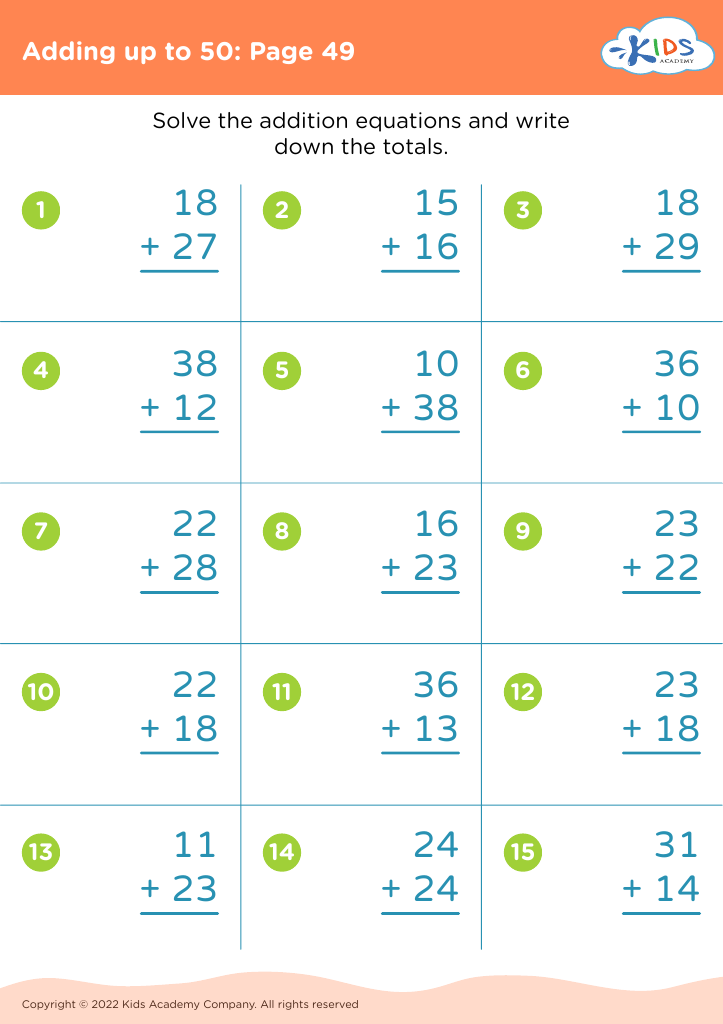
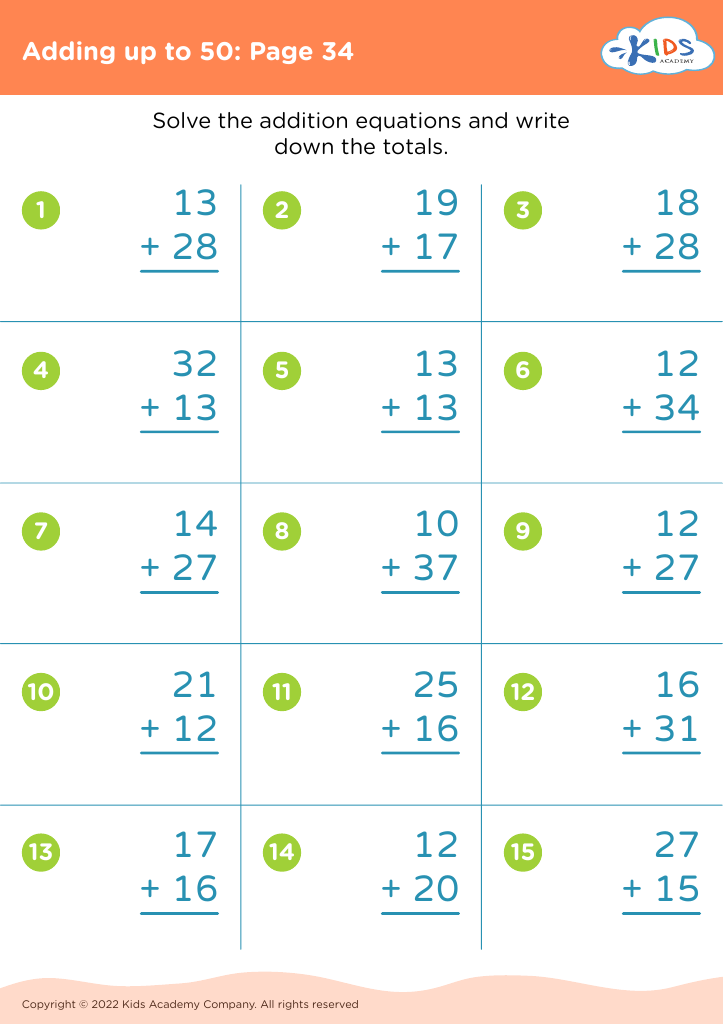
Enhance your child’s math skills with our "Understanding Fractions: Adding Up to 50 Misc Worksheets" designed specifically for kids aged 3 to 8! Our engaging worksheets introduce the concept of fractions in a fun and interactive way, making learning enjoyable. With vibrant visuals and hands-on activities, children will grasp the basics of fractions while practicing addition up to 50. Whether at home or in the classroom, these resources offer ample opportunities for practice and reinforcement, catering to young learners' diverse needs. Unlock your child’s mathematical potential and foster a love for learning with our thoughtfully crafted worksheets today!
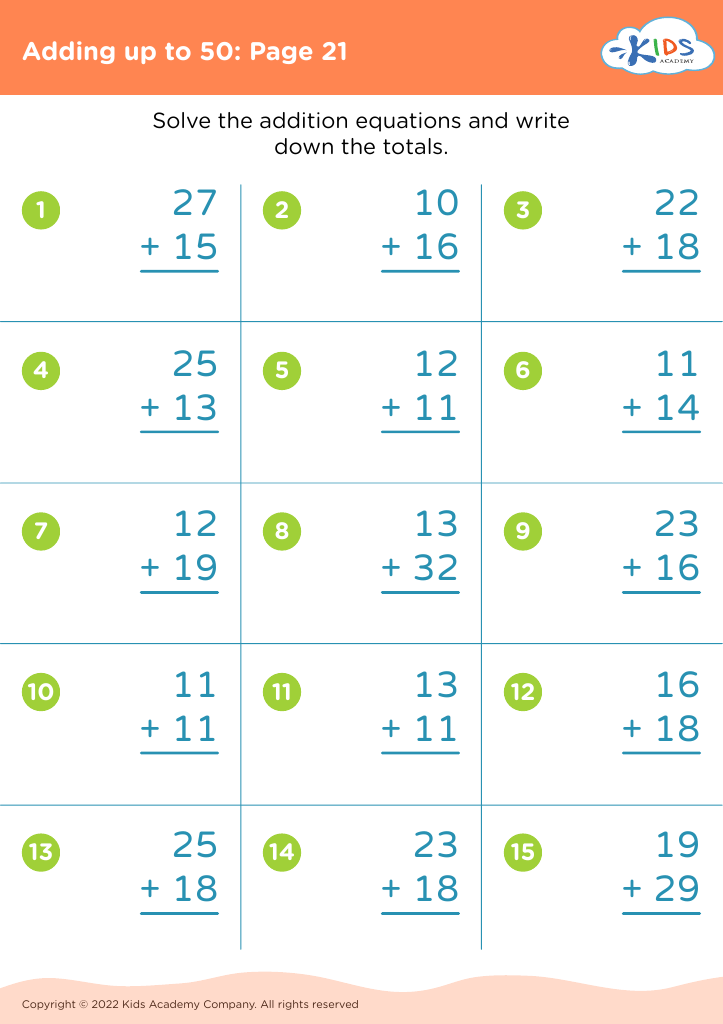
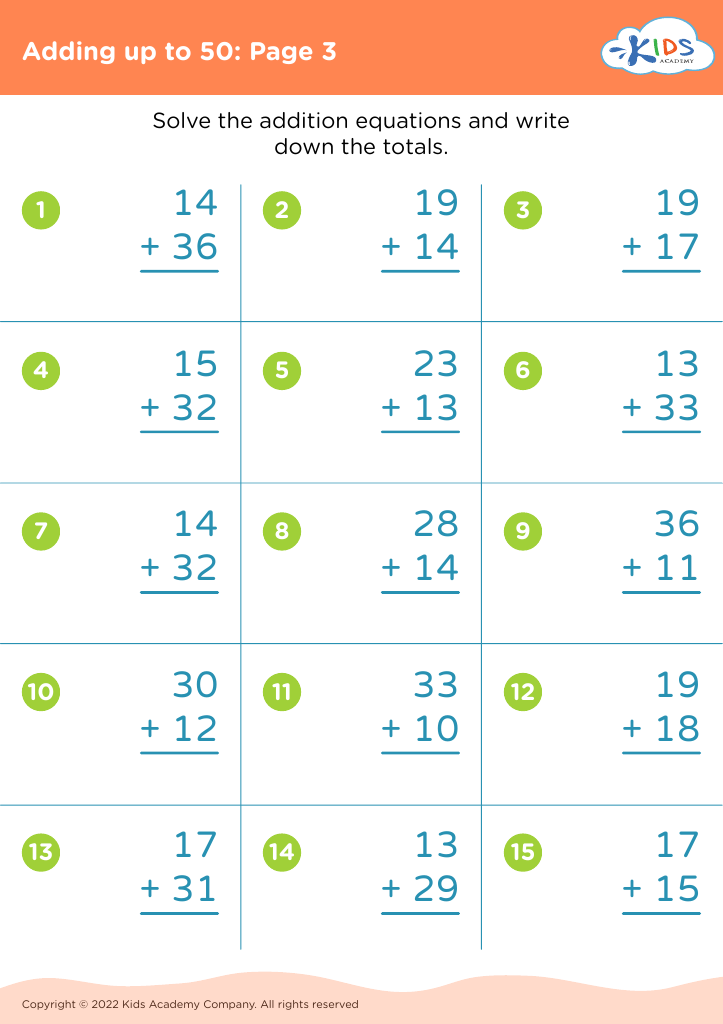
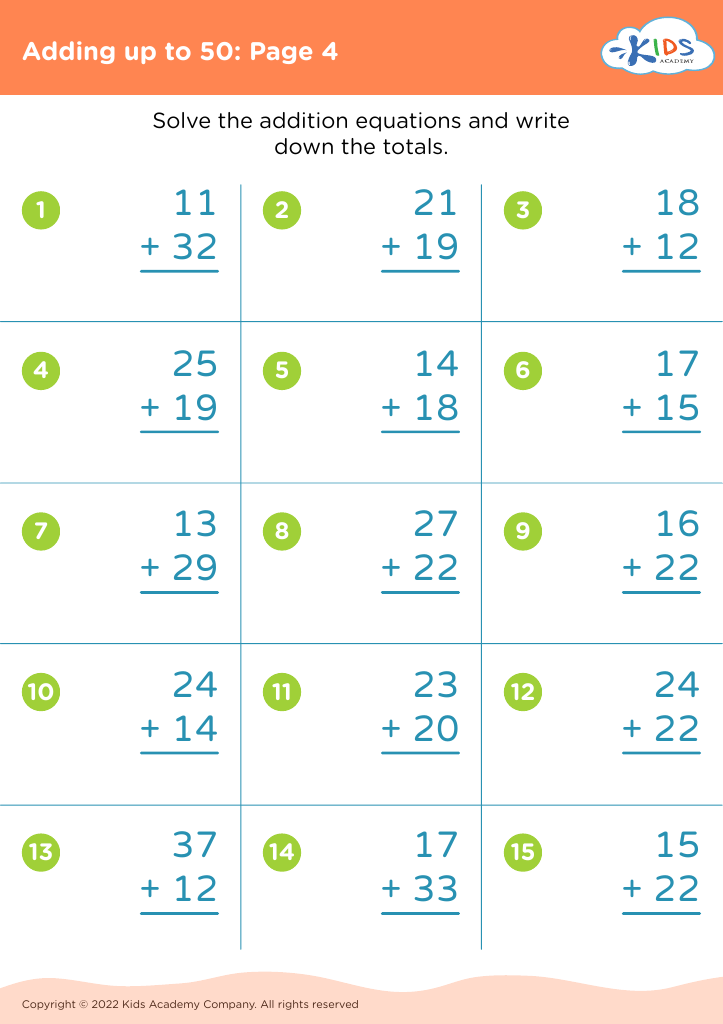
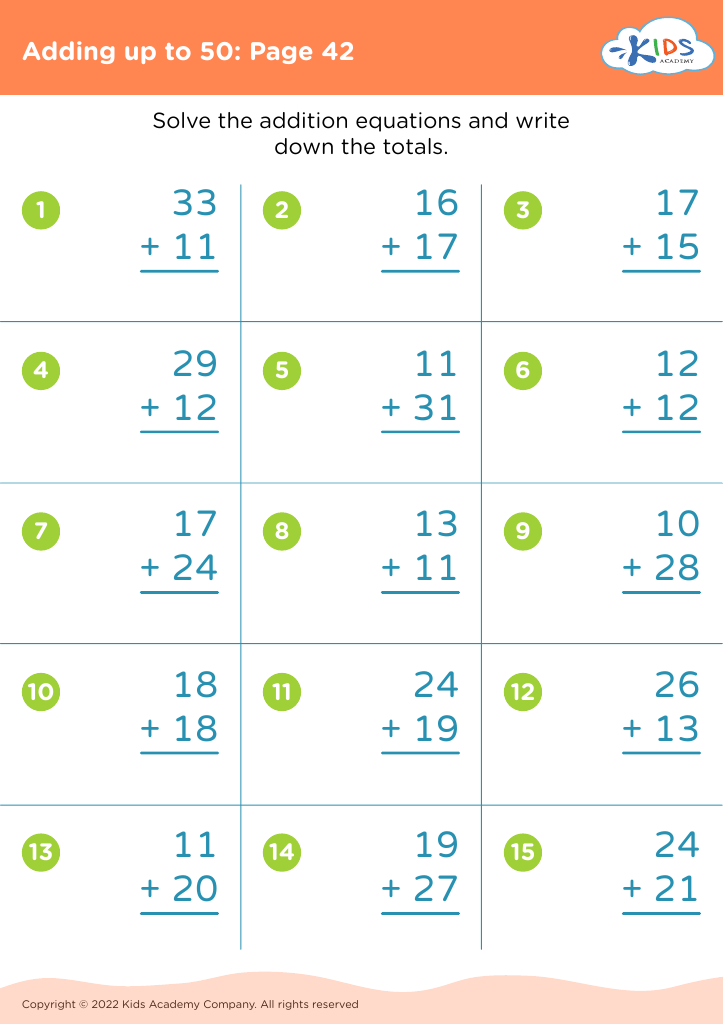
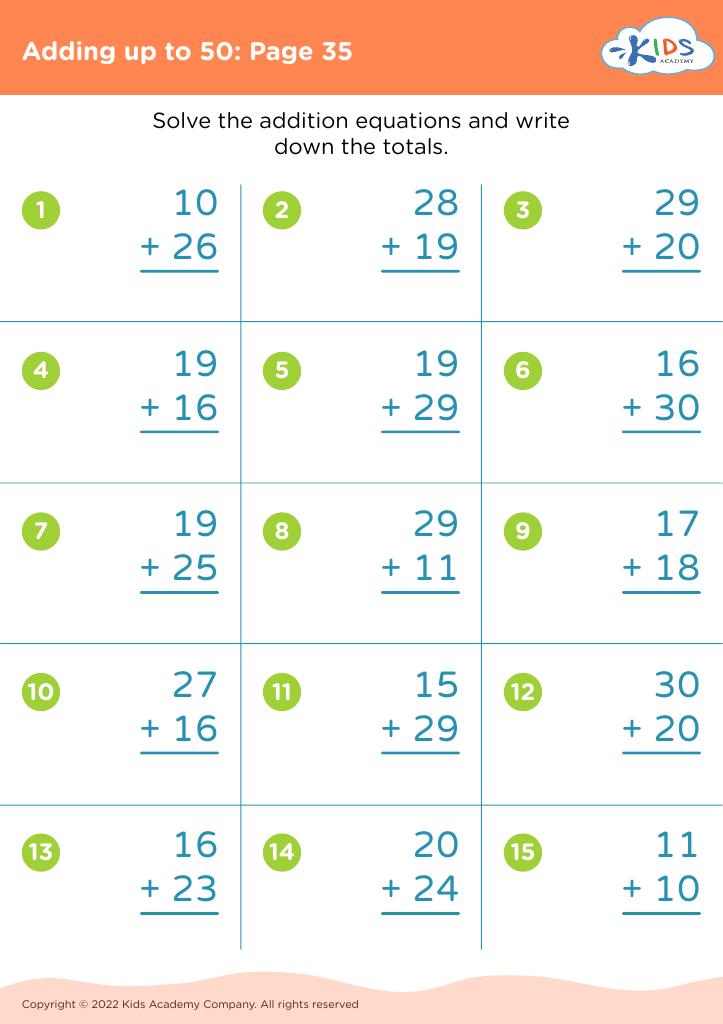
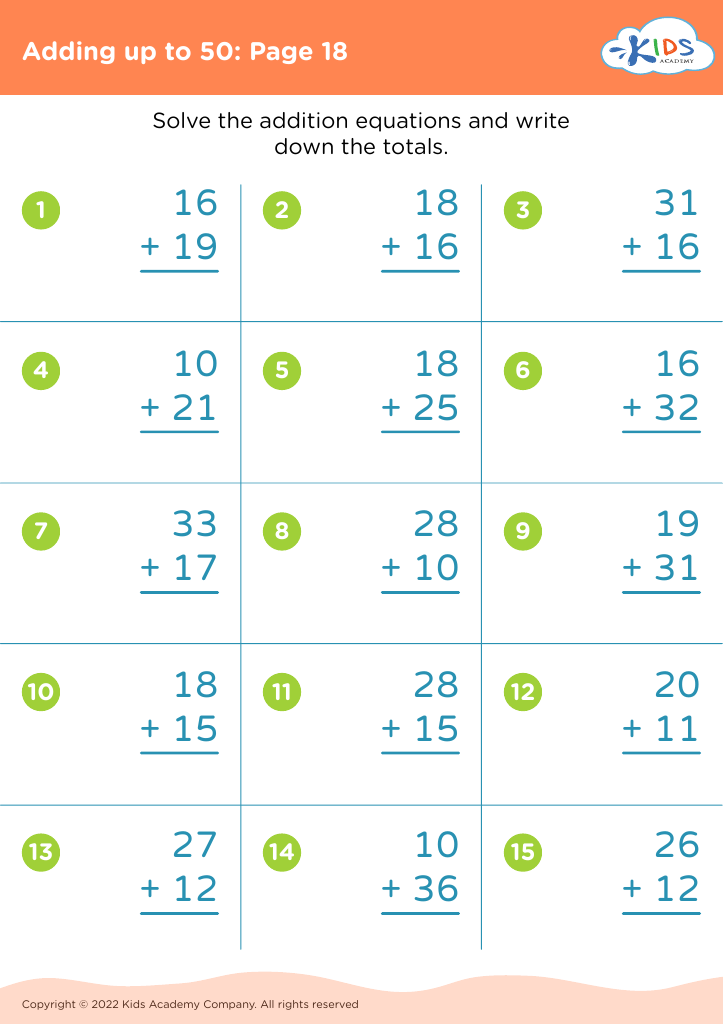
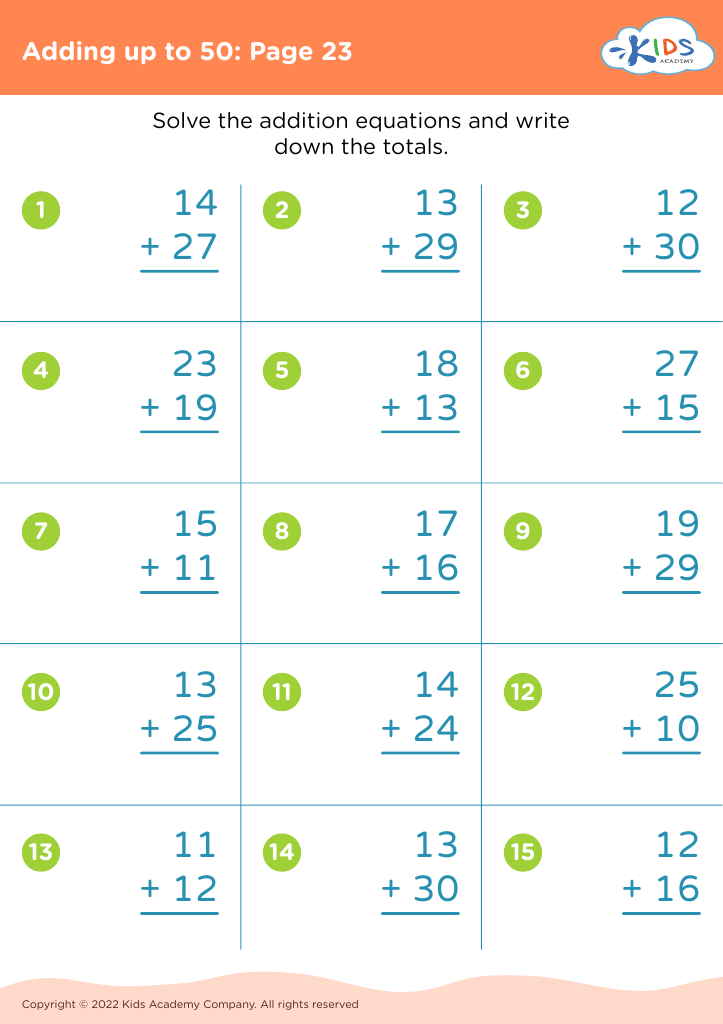
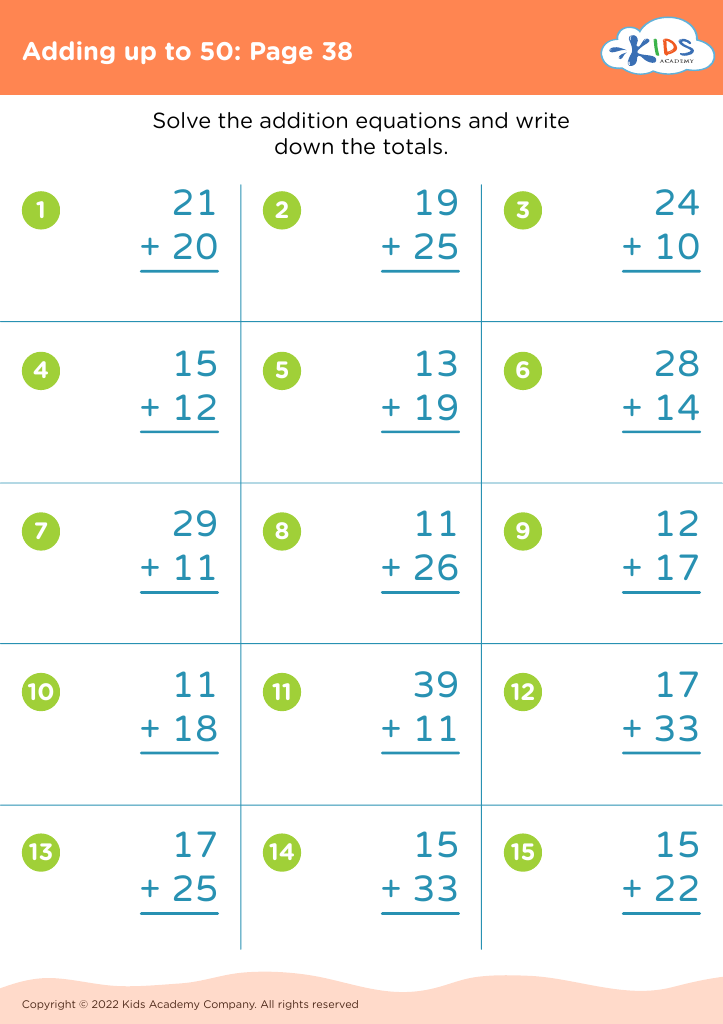
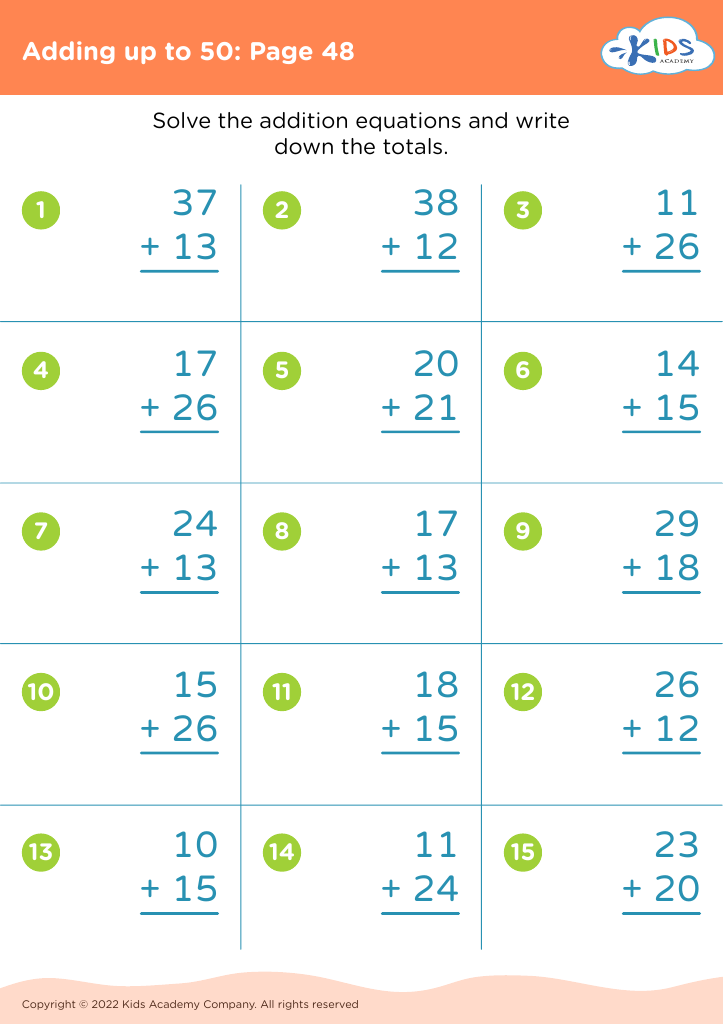
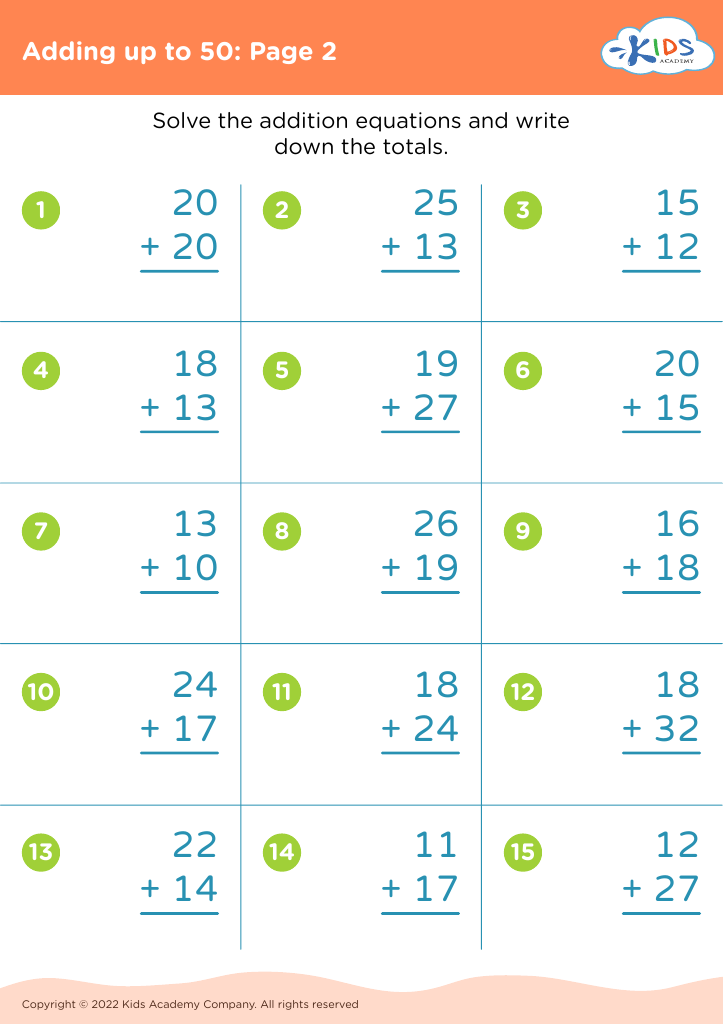


Understanding fractions and basic addition is crucial for young children's mathematical development. For ages 3-8, illustrating fractions as parts of a whole helps children develop spatial awareness and introduces them to concepts of division and sharing. Recognizing how pieces fit together nurtures critical thinking and problem-solving skills.
When children learn to add up to 50, they're not just memorizing numbers; they're engaging with foundational math skills that will serve them well in daily life. Mastering this helps them understand larger concepts, making future learning less daunting. As they progress in school, these early skills form a critical base for more complex topics, like geometry and data analysis.
For teachers and parents, fostering a love for math at this age instills confidence and resilience. Engaging activities—like counting objects or sharing snacks—can make these concepts relatable and fun. By encouraging an environment where curiosity is nurtured and mistakes are seen as growth opportunities, adults play a pivotal role in shaping positive attitudes towards math.
Ultimately, prioritizing an understanding of fractions and addition equips children with essential life skills that go beyond academics, empowering them to navigate everyday situations with confidence.