Enhance critical thinking Addition & Subtraction Worksheets for Ages 3-8
5 filtered results
-
From - To
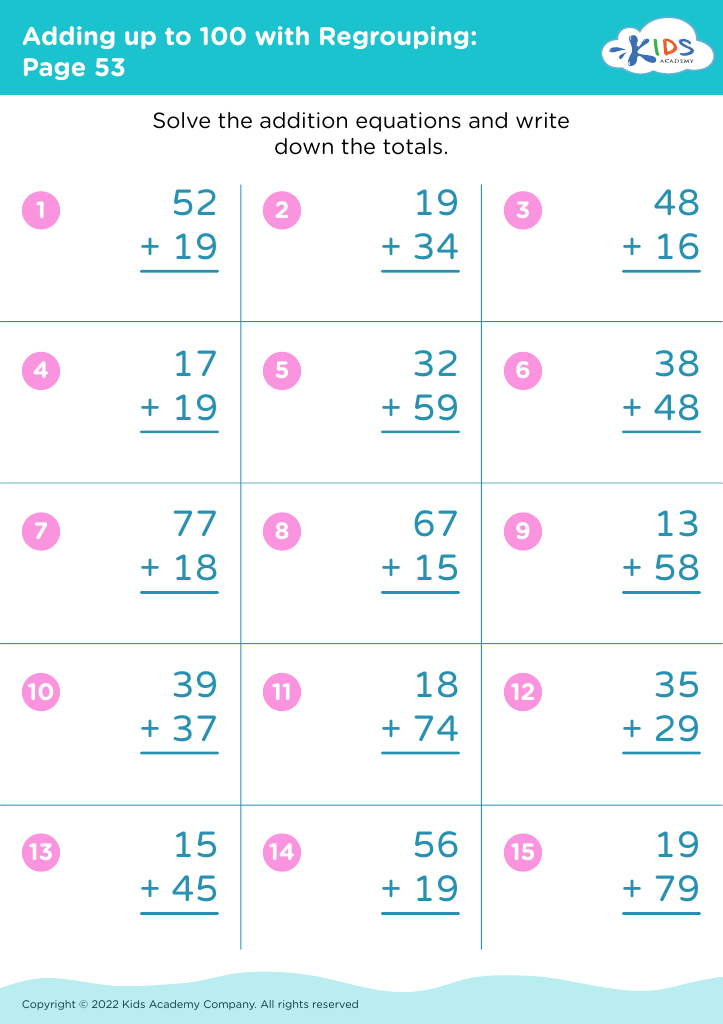
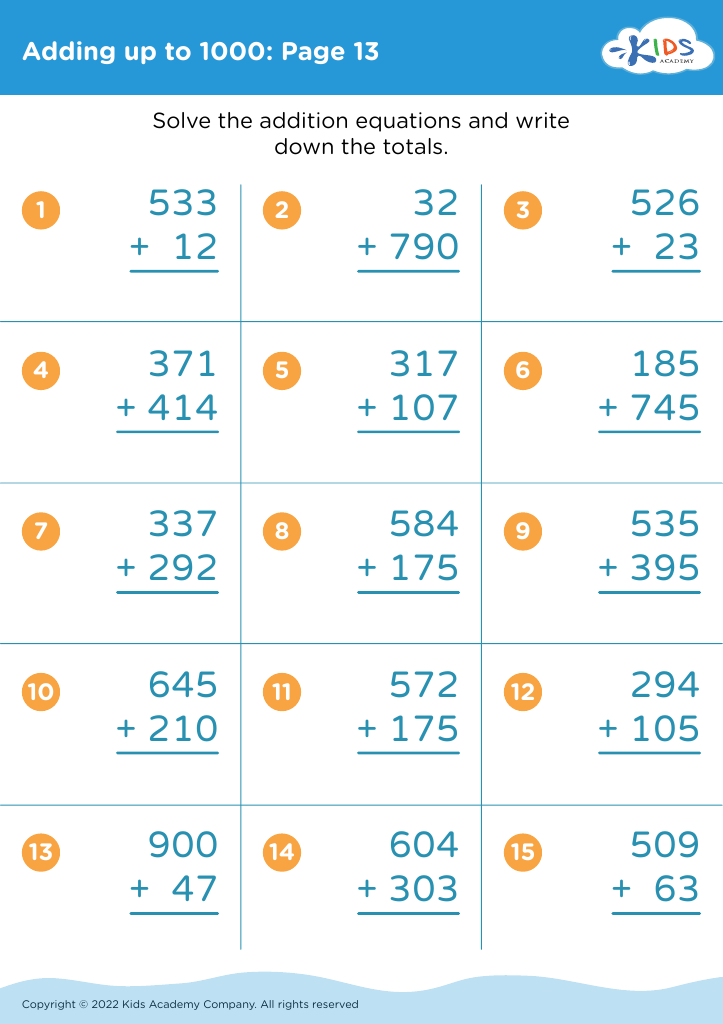
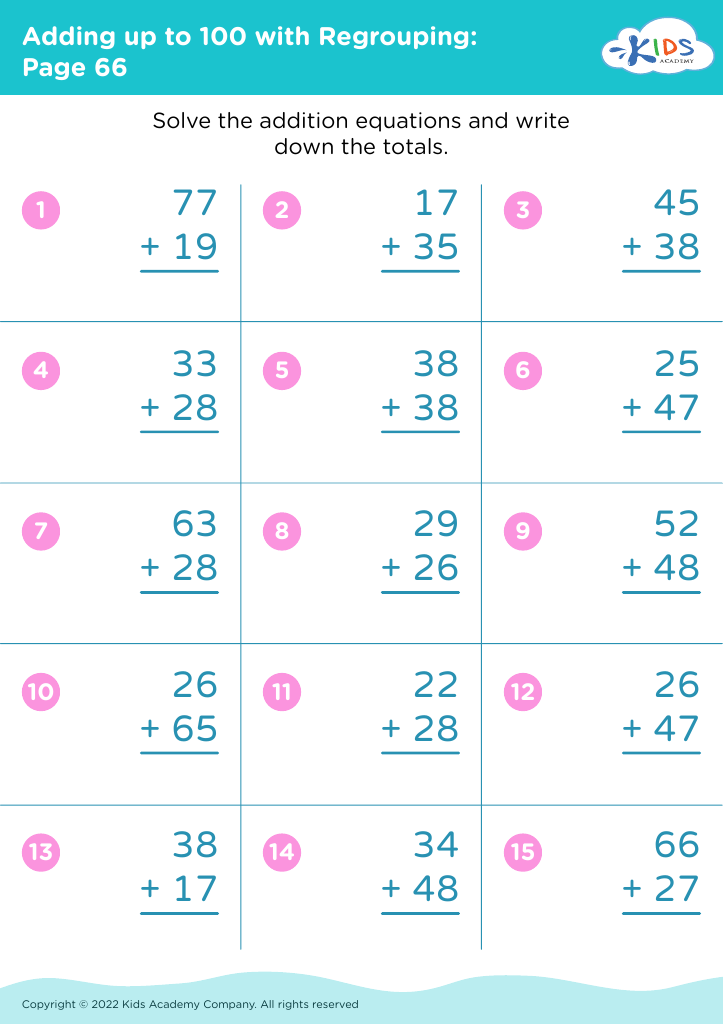
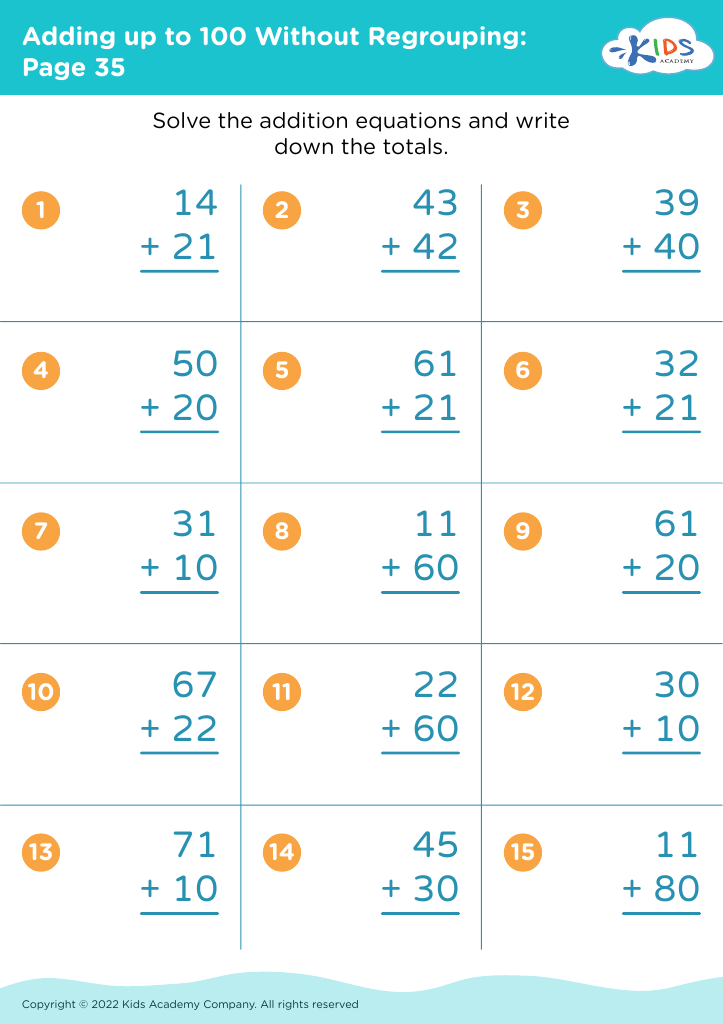
Boost your child's critical thinking skills with our engaging addition and subtraction worksheets designed for ages 3-8! These interactive resources stimulate cognitive development while teaching essential math concepts. Our thoughtfully crafted activities encourage children to solve problems creatively and explore different strategies. Each worksheet is visually appealing and grade-appropriate, making learning fun and effective. Parents and educators can easily integrate these resources into their teaching routines for holistic skill development. Support your child's mathematical journey with these valuable worksheets that not only build computational skills but also enhance critical thinking, ensuring a strong foundation for future learning. Start exploring today!
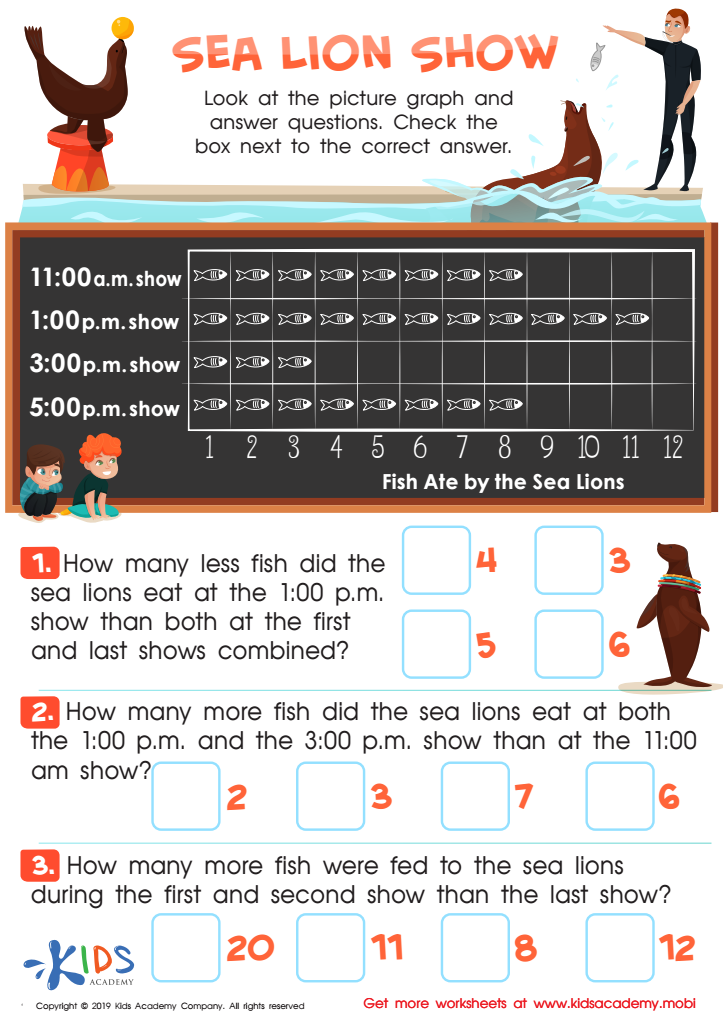
Sea Lion Show Worksheet
 Assign to My Students








Parents and teachers should prioritize enhancing critical thinking skills in addition and subtraction for children ages 3-8 because these foundational skills significantly contribute to overall cognitive development. At this age, children are naturally curious and open to learning, making it an optimal time to cultivate critical thinking.
Improved critical thinking skills promote problem-solving abilities, encouraging children to analyze situations, draw conclusions, and make informed decisions. When children engage in addition and subtraction activities that require them to think critically, they learn to approach problems from different angles, predict outcomes, and verify results.
Moreover, enhancing these skills helps build a sturdy mathematical foundation. As children progress to more complex concepts, having a strong grasp of basic arithmetic allows them to tackle challenges with confidence. This can lead to greater achievements in math and other academic areas.
Additionally, promoting critical thinking fosters independence and resilience. Children learn to appreciate the process of solving problems, embracing mistakes as valuable learning opportunities rather than setbacks. Ultimately, developing these skills not only prepares children for future academic success but also equips them with essential life skills that encourage lifelong learning and adaptability in an ever-changing world.








