Filters

34 filtered results

Clear all filters
Favorites
With answer key
Interactive

34 filtered results

Difficulty Level

Grade


Check out this FREE Trial Lesson on Addition & Subtraction for age 3-8!

Exactly the Same, or Not

Favorites
With answer key
Interactive
  • 3-8
  • Understanding patterns
  • Addition & Subtraction
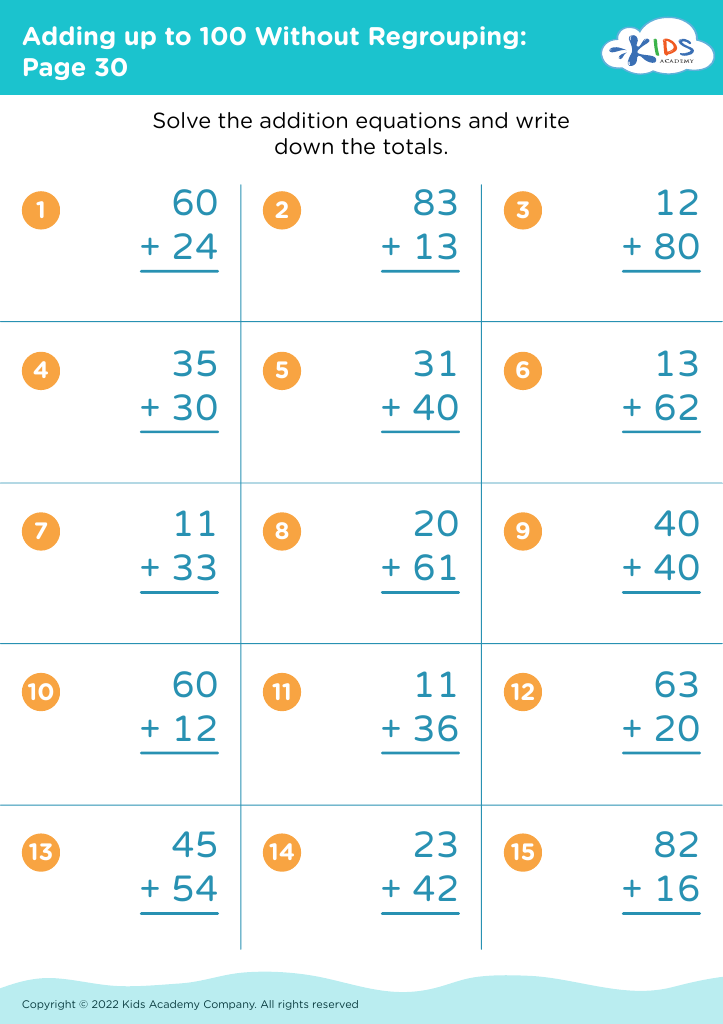
Adding up to 100 Without Regrouping: Page 30
Worksheet
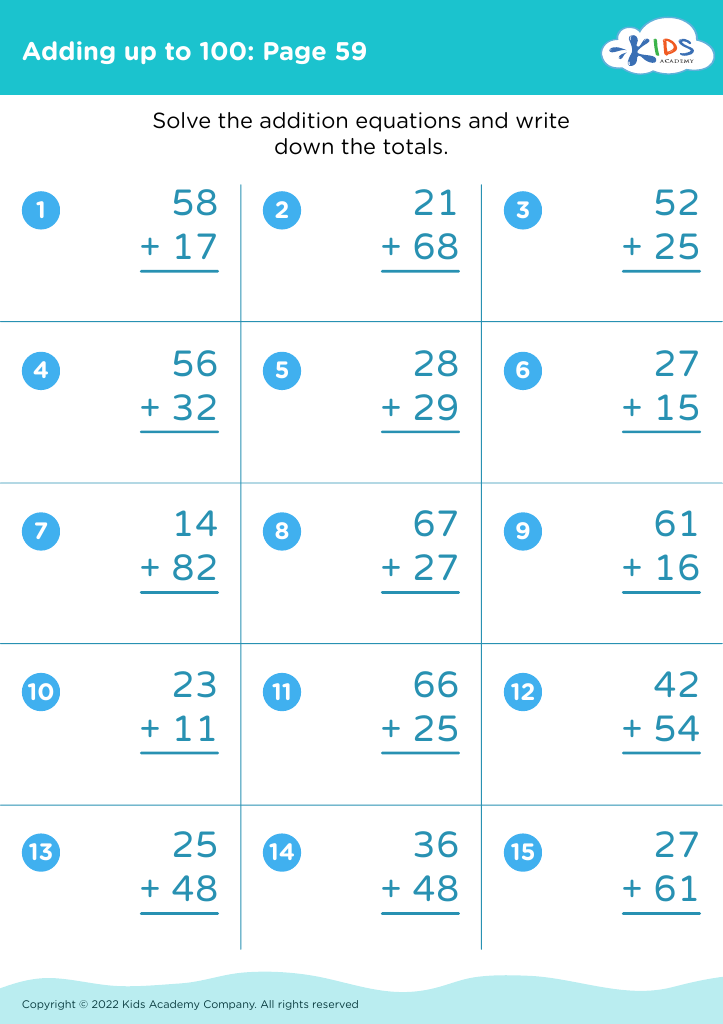
Adding up to 100: Page 59

Adding up to 100: Page 59

Adding up to 100: Page 59
Worksheet
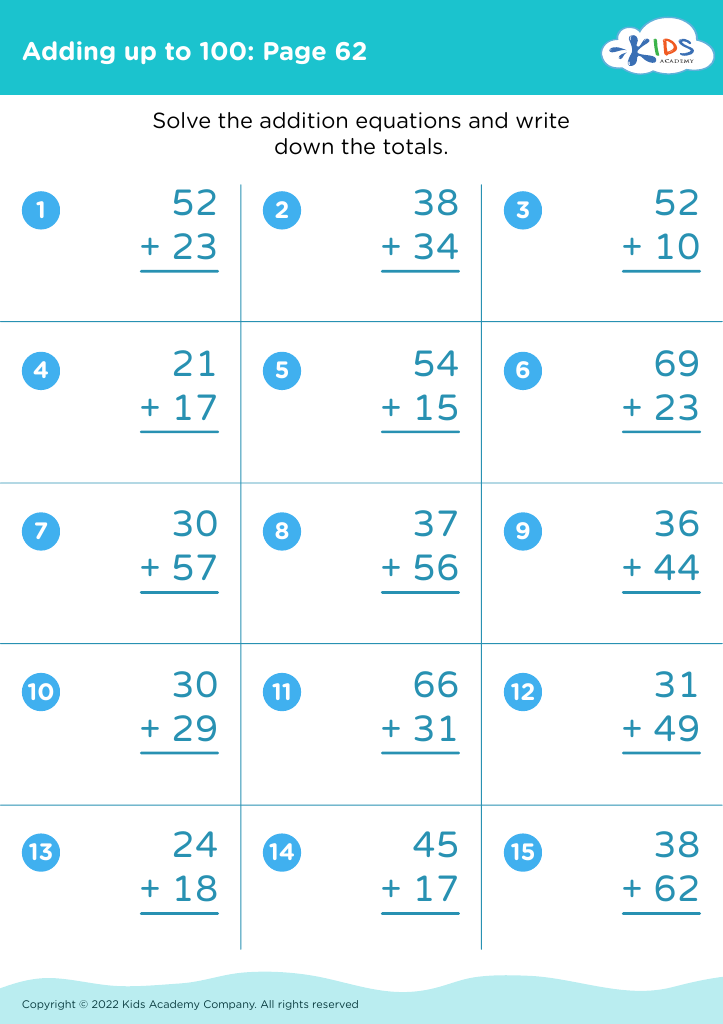
Adding up to 100: Page 62

Adding up to 100: Page 62

Adding up to 100: Page 62
Worksheet
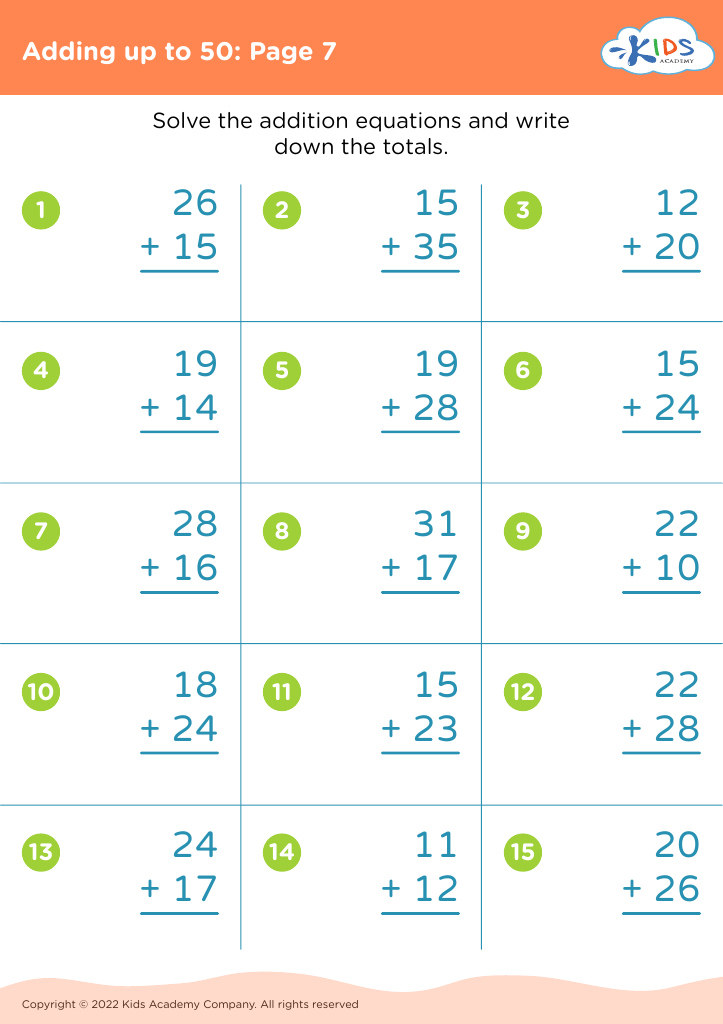
Adding up to 50: Page 7

Adding up to 50: Page 7

Adding up to 50: Page 7
Worksheet
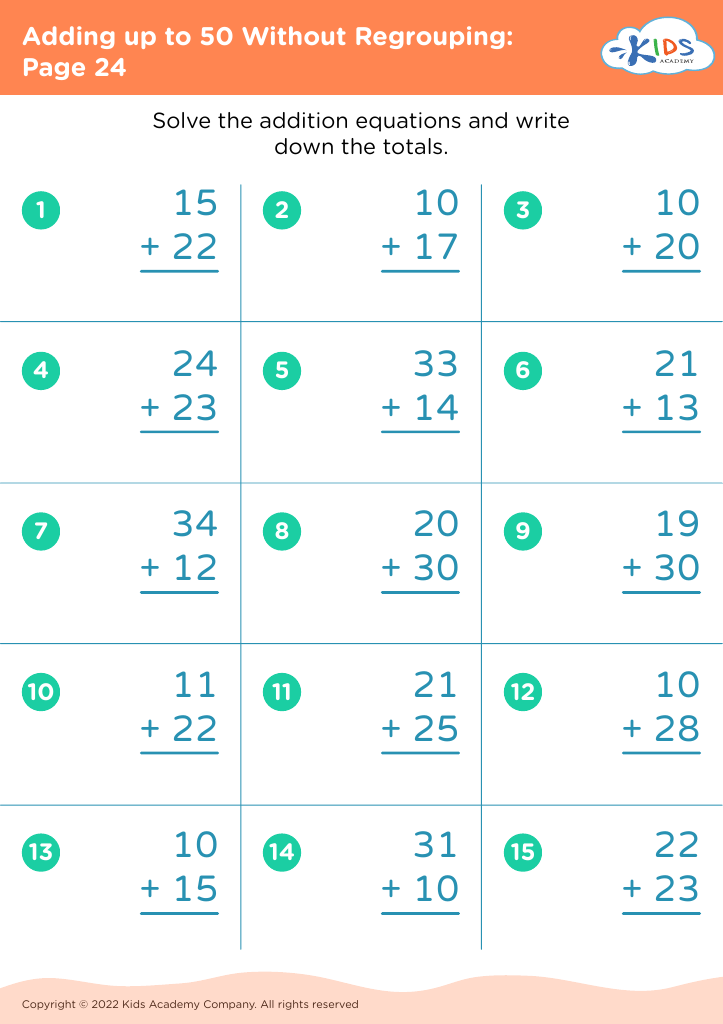
Adding up to 50 Without Regrouping: Page 24
Worksheet
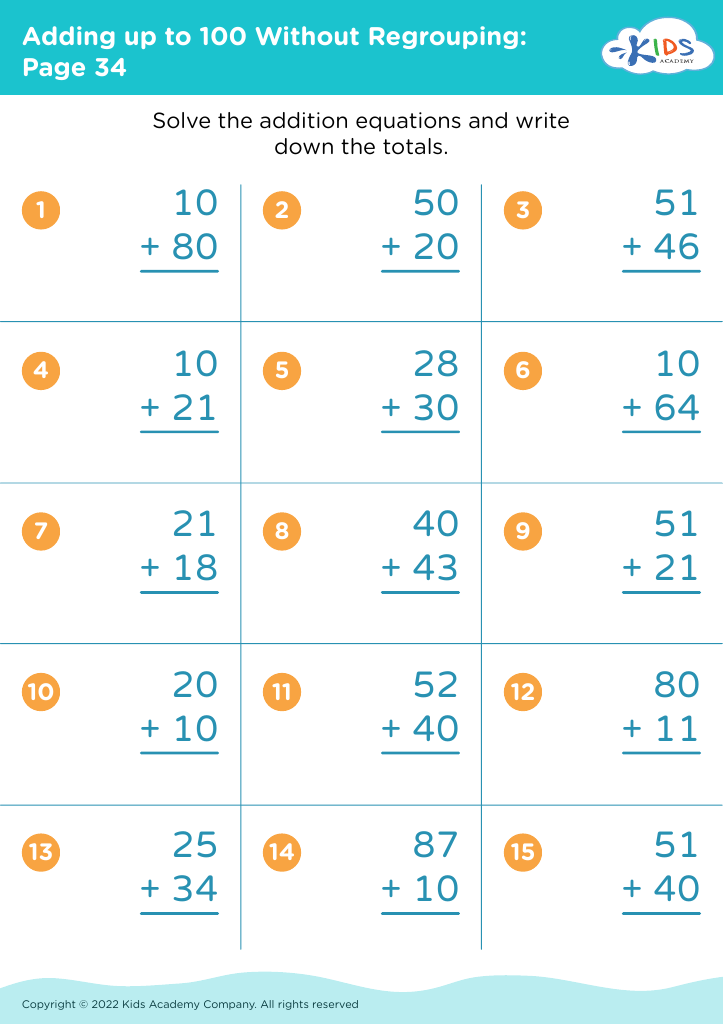
Adding up to 100 Without Regrouping: Page 34
Worksheet
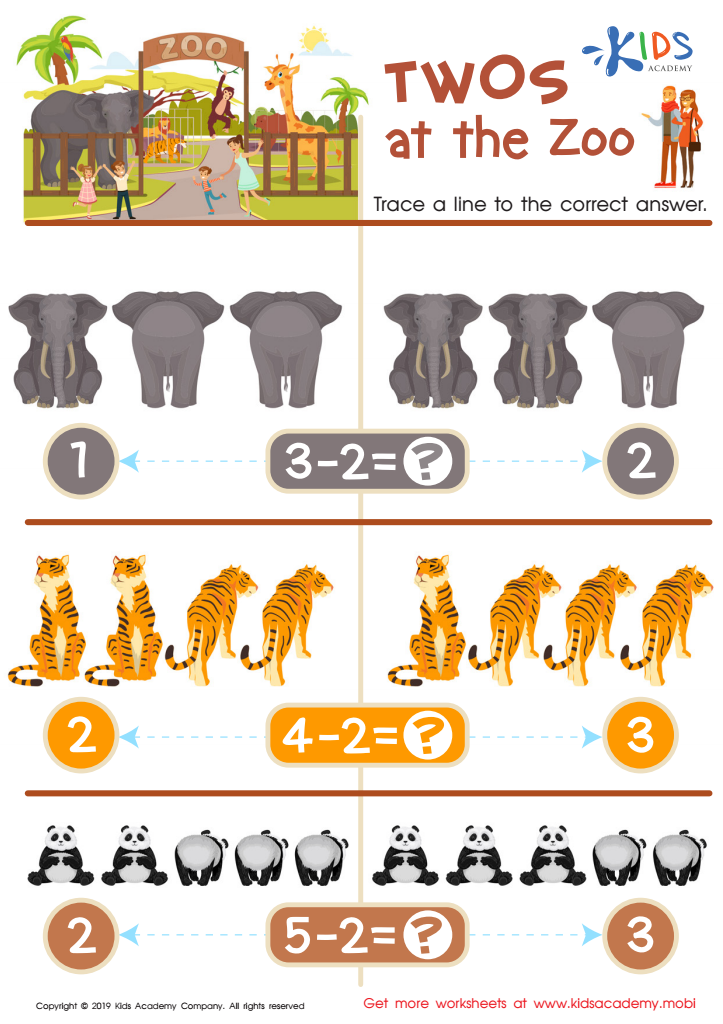
Twos at the Zoo Worksheet

Twos at the Zoo Worksheet

At the zoo, your kids can have fun with animals. Ask them to name their favorite ones and identify them in the printout. Count animals in each group together, then help your kids solve the equations and trace a line to the answer. It's an enjoyable way to combine learning and exploration!
Twos at the Zoo Worksheet
Worksheet
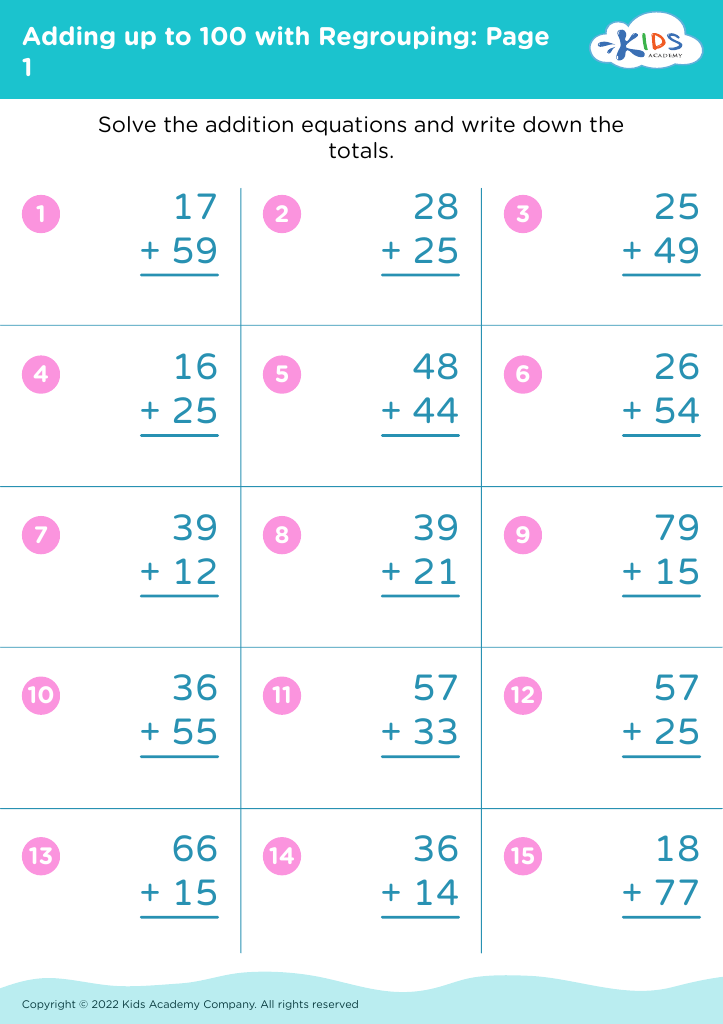
Adding up to 100 with Regrouping: Page 1
Worksheet
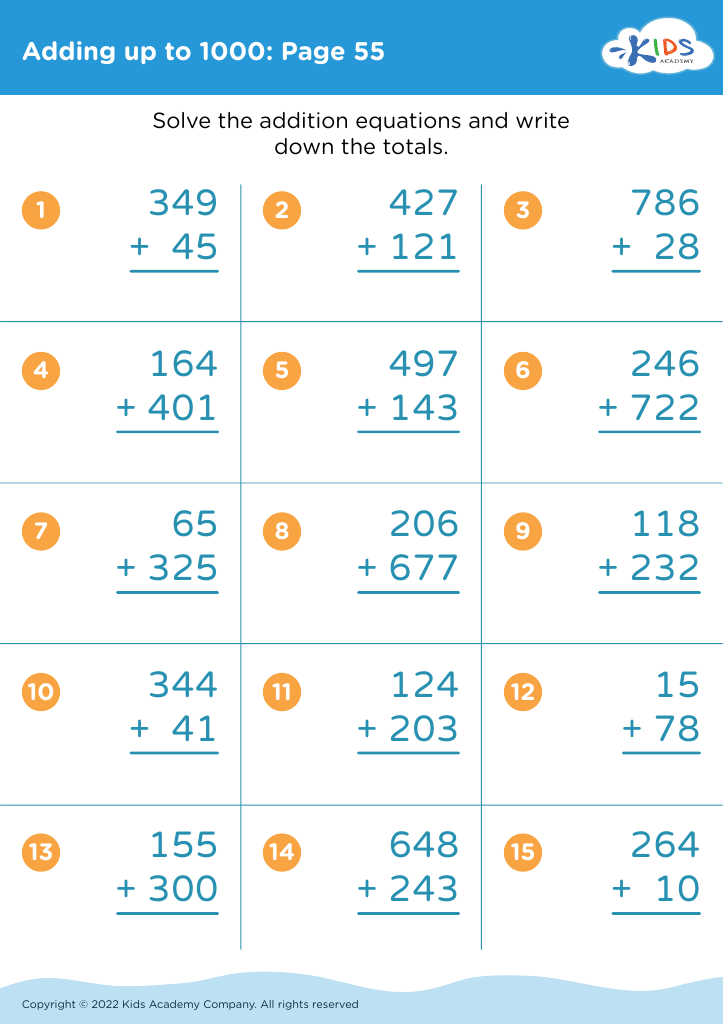
Adding up to 1000: Page 55

Adding up to 1000: Page 55

Adding up to 1000: Page 55
Worksheet
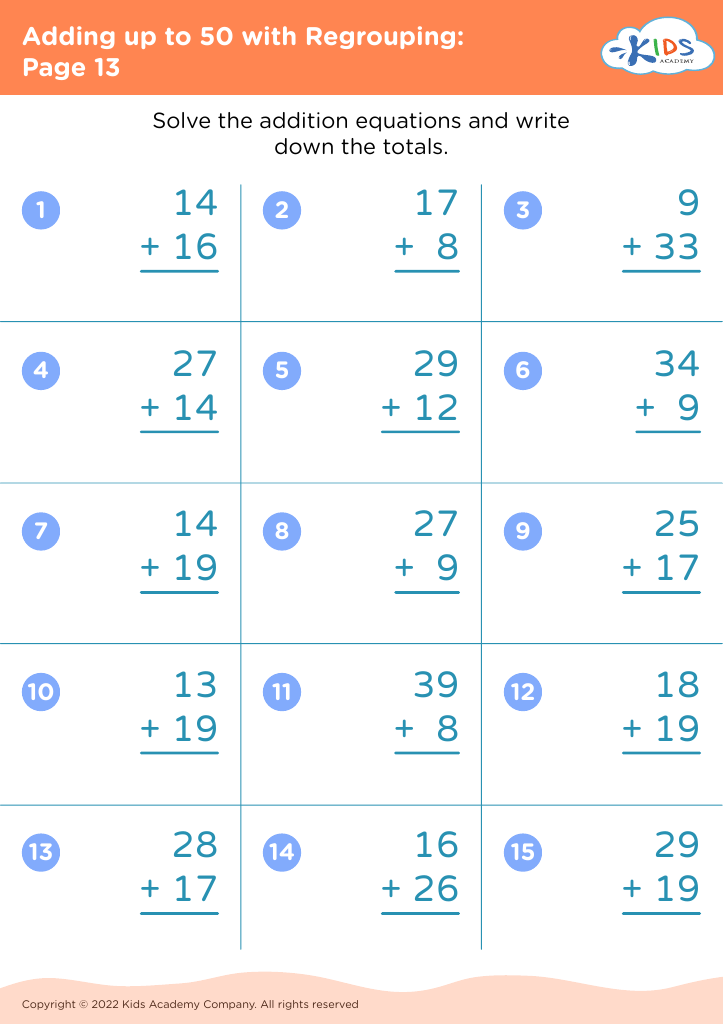
Adding up to 50 with Regrouping: Page 13
Worksheet


Understanding patterns, addition, and subtraction during the ages of 3-8 sets a vital foundation for cognitive development and future academic success. At this stage, children's brains are rapidly developing, and they're highly receptive to learning new concepts. Recognizing patterns helps kids understand the world around them, enhancing their ability to predict and reason, which is critical for problem-solving.

Introducing addition and subtraction early strengthens their numeracy skills. Children who grasp these basic mathematical operations develop better number sense, which is the ability to understand and work with numbers flexibly. This foundational knowledge is essential as it extends beyond math, aiding in logical planning and decision-making in everyday situations.

Furthermore, early math skills are closely linked to future academic performance in all subjects. Studies indicate that children proficient in early math skills are likely to excel in later academics, including reading and critical thinking.

By fostering an environment that encourages exploration of patterns, addition, and subtraction, parents and teachers support a child's cognitive development, enhance their confidence in problem-solving, and lay the groundwork for a successful educational journey. Prioritizing these skills during the early years nurtures curiosity, intellectual growth, and a lifelong love for learning.