Visual representation comprehension Addition & Subtraction Worksheets for Ages 3-8
5 filtered results
-
From - To
Enhance your child's math skills with our Visual Representation Comprehension Addition & Subtraction Worksheets, designed for ages 3-8. These engaging worksheets utilize visual aids to make learning basic math concepts fun and interactive. Our easy-to-follow activities help children understand addition and subtraction through colorful illustrations, encouraging retention and boosting confidence. Perfect for parents and educators, these worksheets support young learners in grasping Mathematical concepts while developing critical thinking skills. Whether at home or in the classroom, this resource fosters a solid foundation in math readiness. Explore our collection today to spark your child’s love for learning!
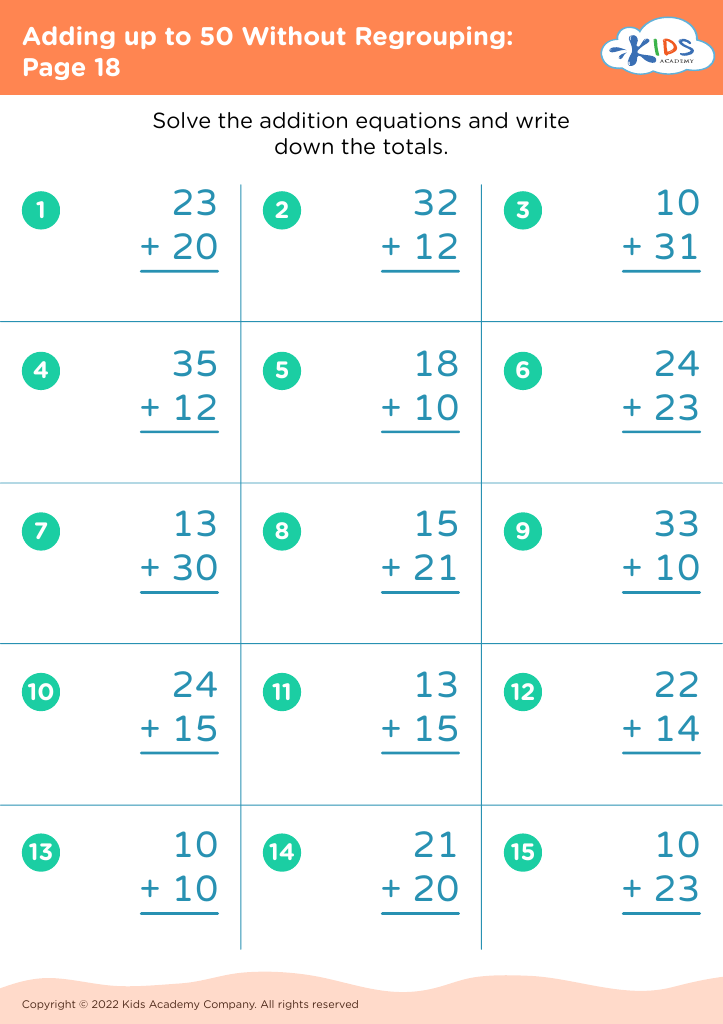
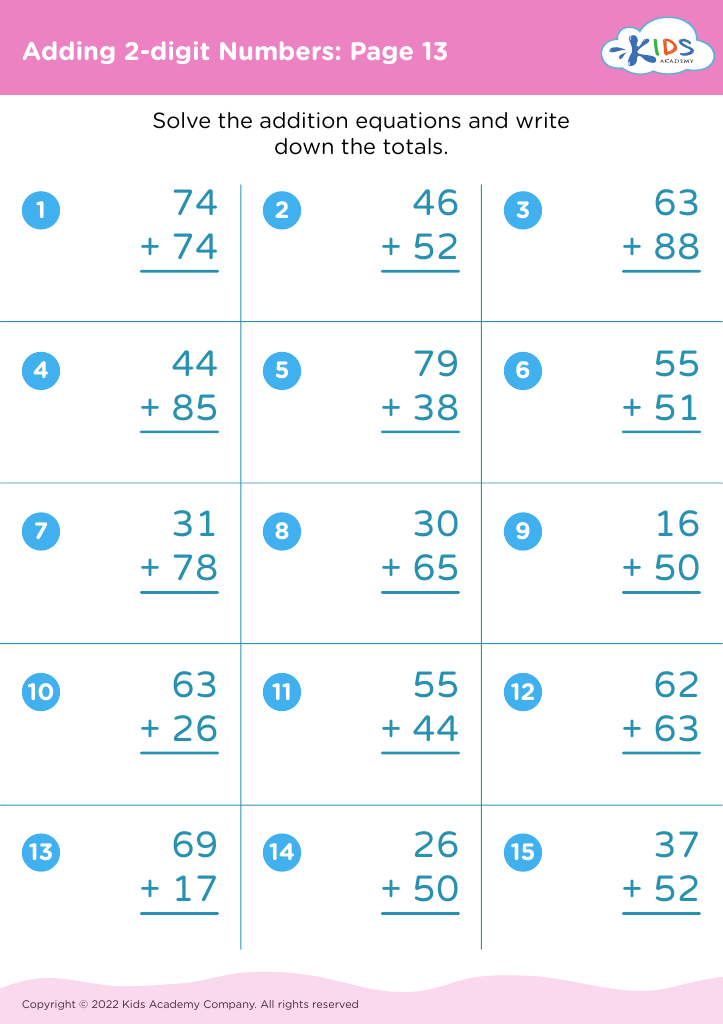
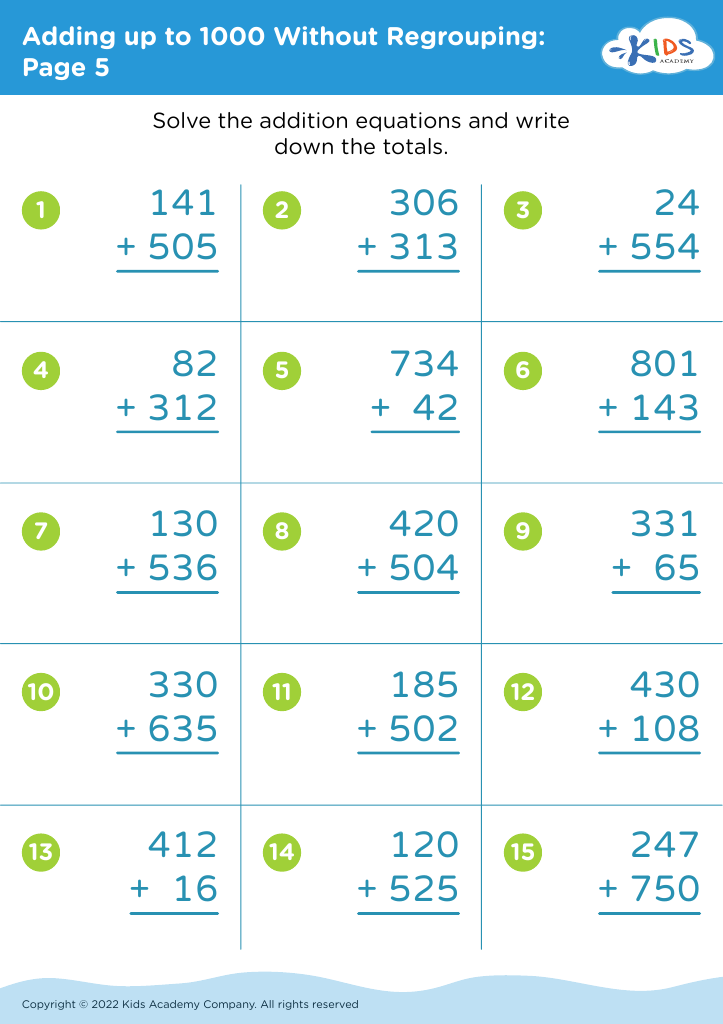
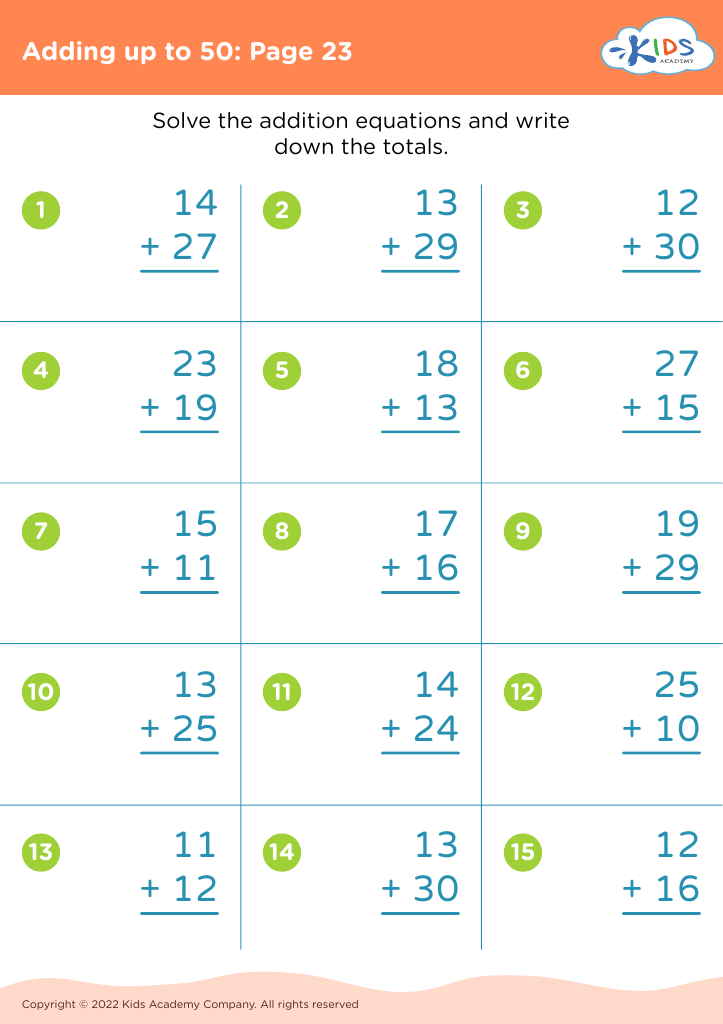
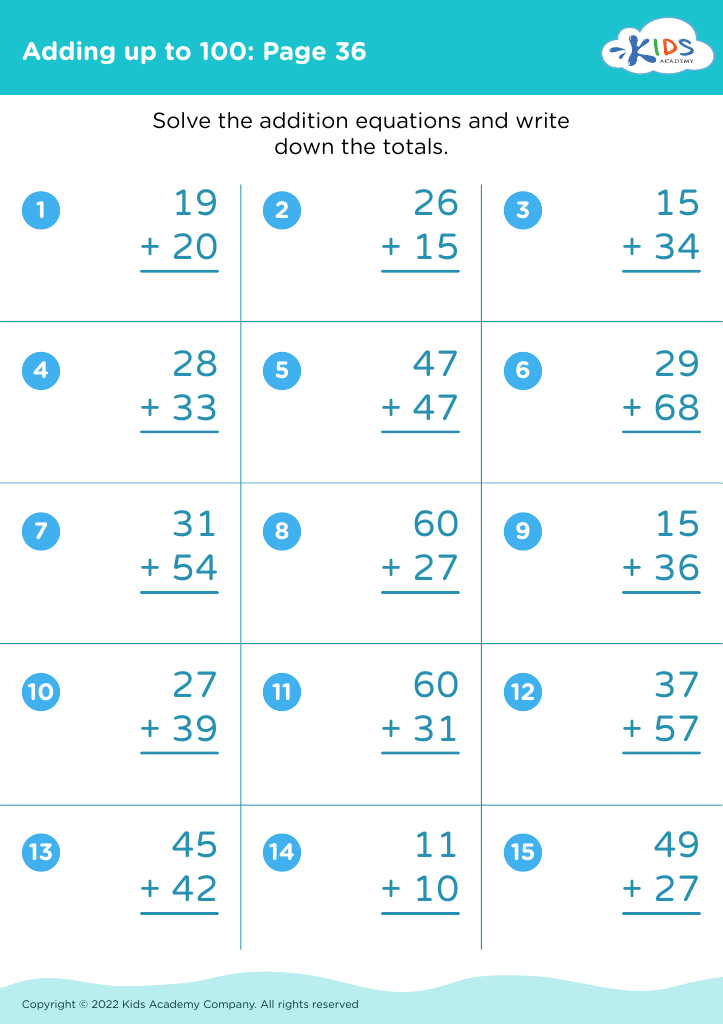








Visual representation comprehension for addition and subtraction is crucial for children aged 3-8 because it lays the foundation for their mathematical understanding and problem-solving skills. During these formative years, children learn best through engaging and tangible methods. Visual aids, such as drawings, diagrams, or manipulatives, help make abstract concepts concrete, allowing children to grasp the idea of addition as combining objects and subtraction as taking away from a group.
When parents or teachers emphasize visual representations, children develop critical cognitive skills, including the ability to recognize patterns, make connections, and solve problems independently. This approach enhances their confidence in tackling mathematical tasks, promoting a positive attitude towards learning. Additionally, nurturing visual comprehension prepares children for more complex mathematical concepts in later grades.
Encouraging visual representation also accommodates various learning styles, making math accessible to all children, including those who may struggle with traditional methods. It fosters communication skills as children explain their visual methods to peers and adults. Ultimately, by prioritizing visual understanding in addition and subtraction, parents and teachers can create a solid mathematical foundation, enabling children to thrive in academics and encouraging a lifelong appreciation for learning.








