Comparing Fractions Addition Worksheets for Ages 3-8 - Page 4
83 filtered results
-
From - To
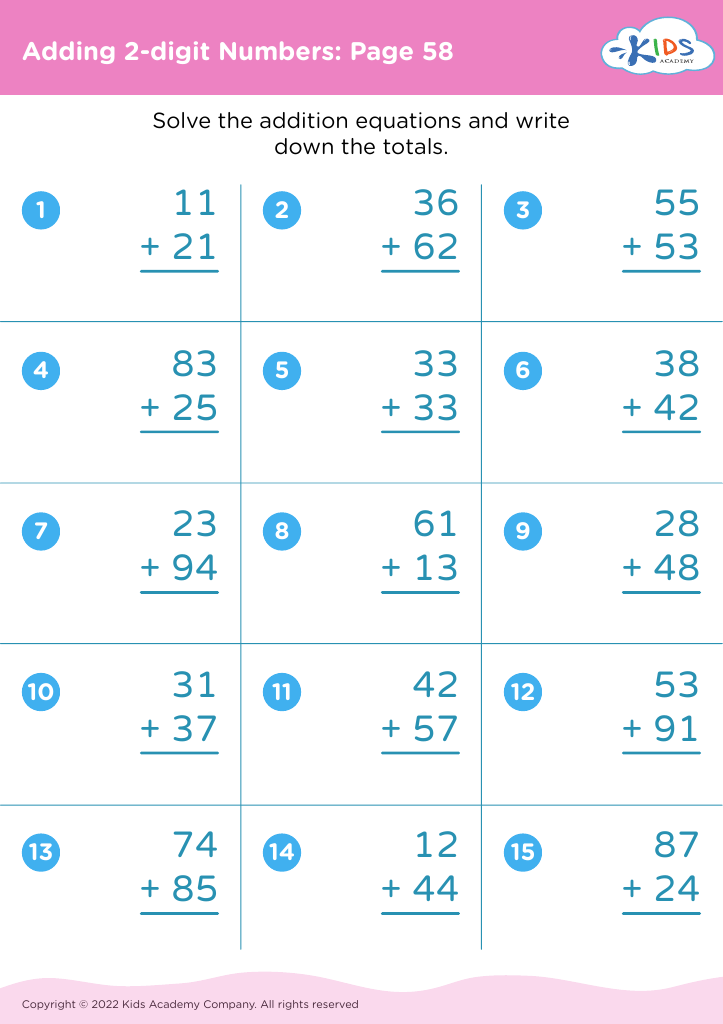
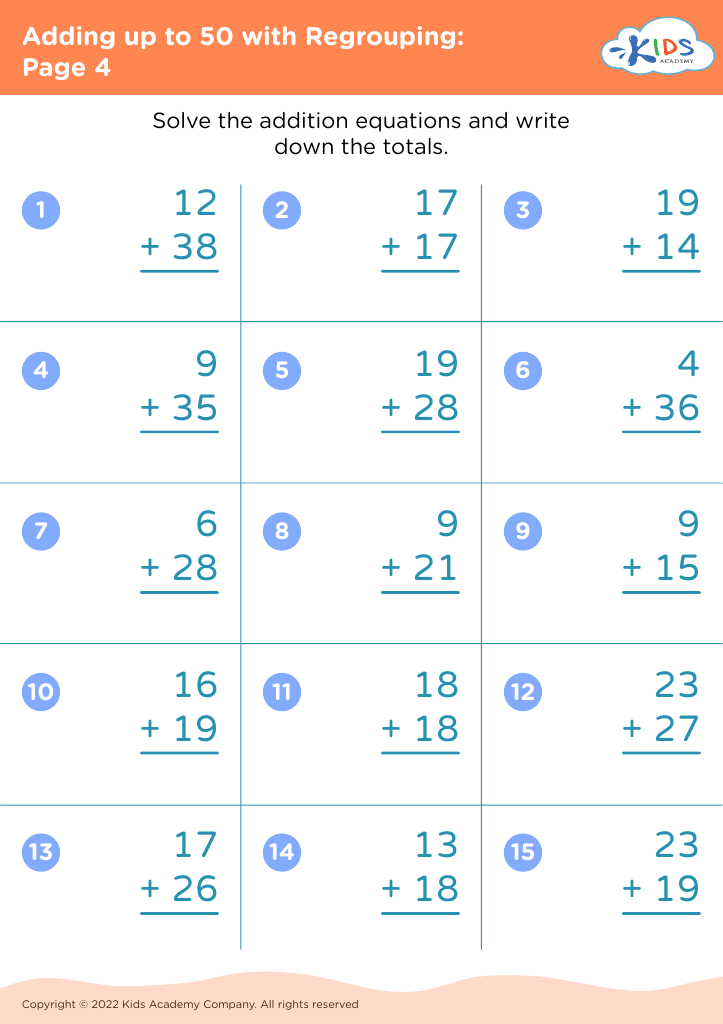
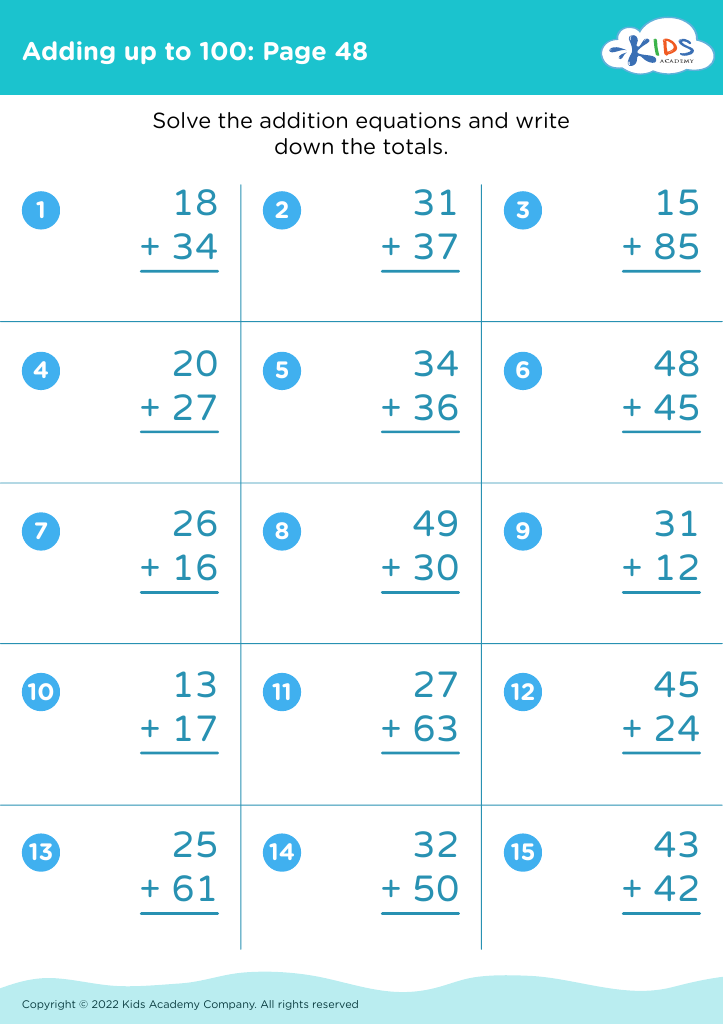
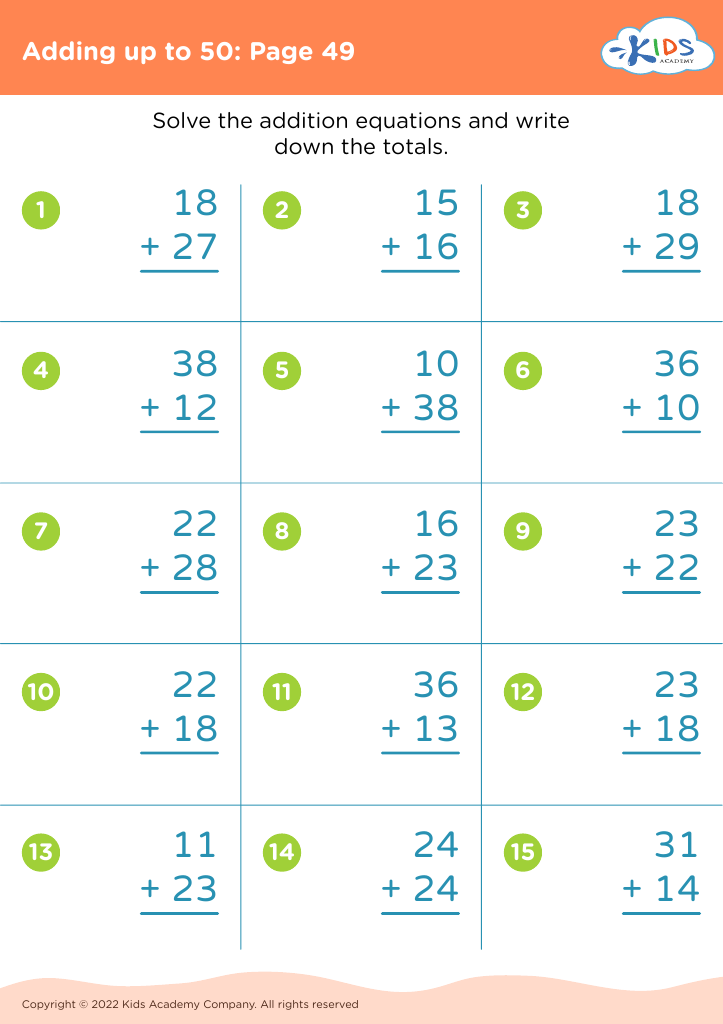
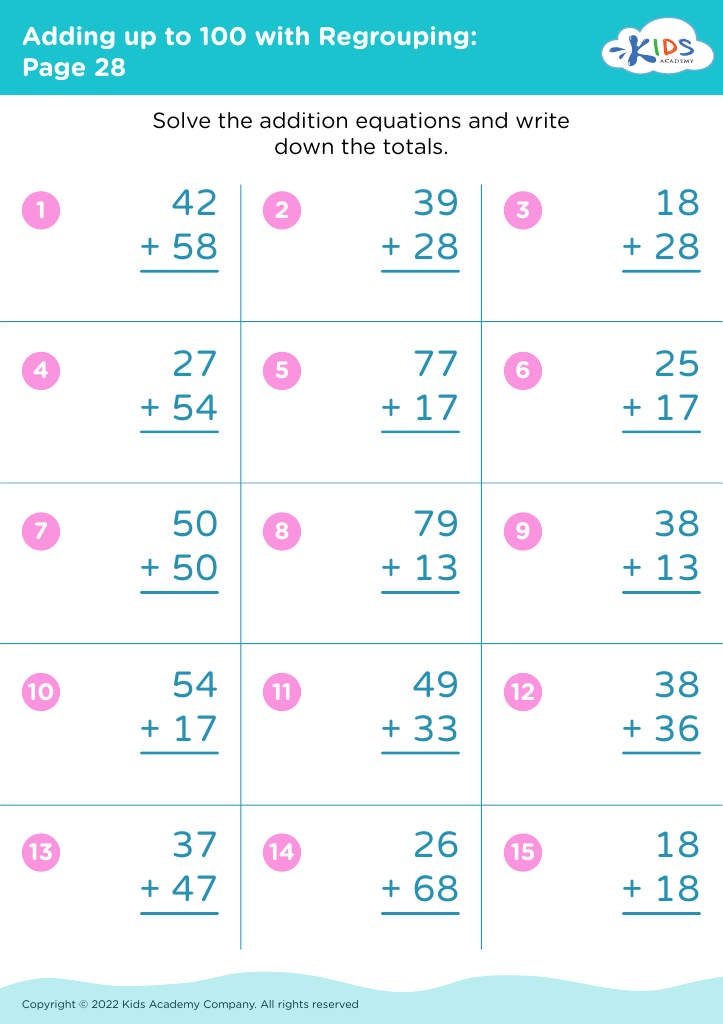
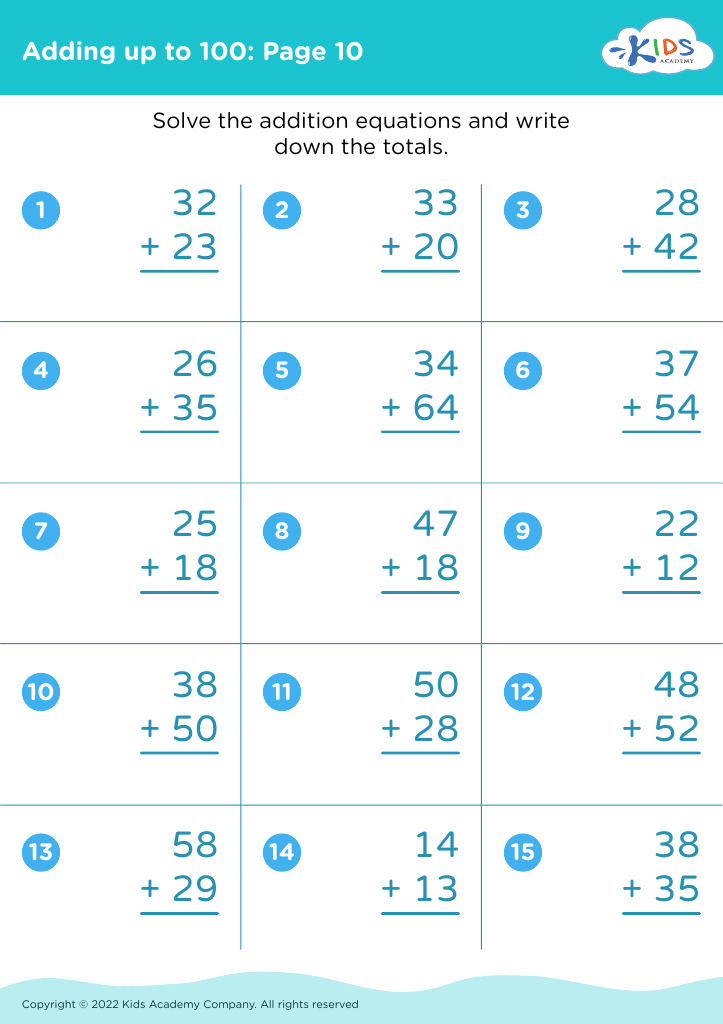
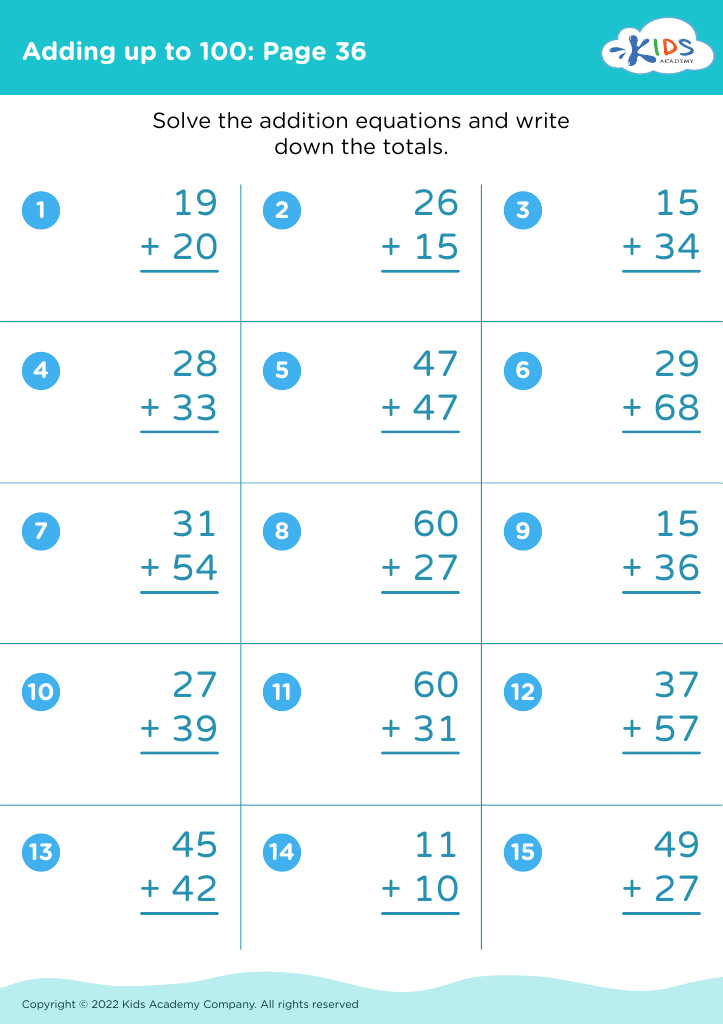
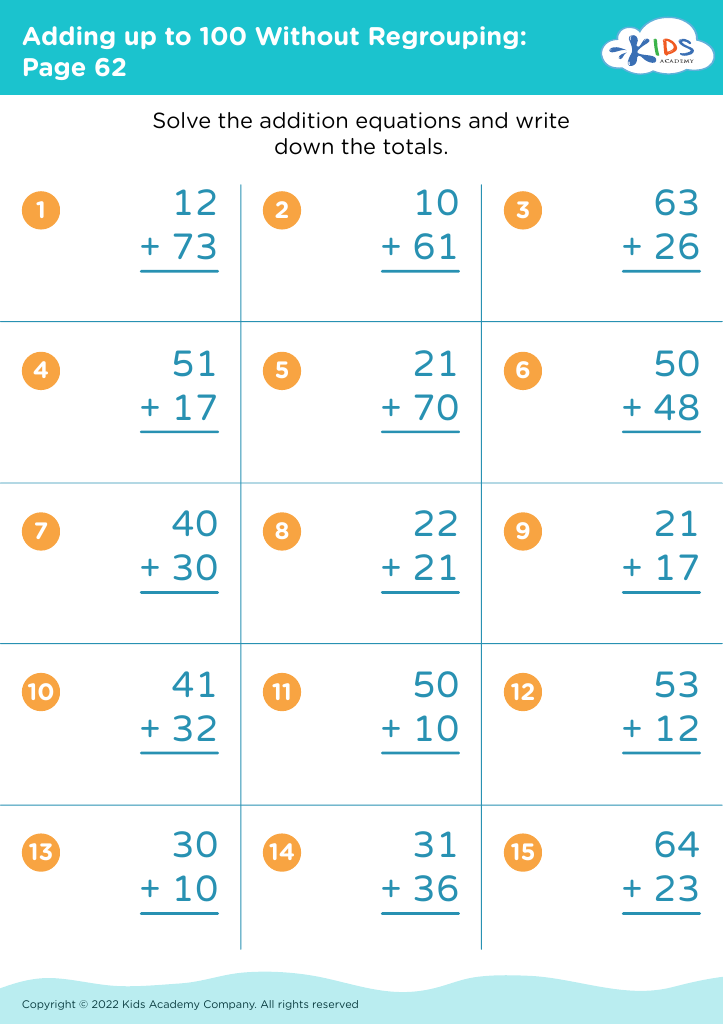








Understanding comparing fractions and basic addition at an early age is crucial for young learners aged 3-8 for several fundamental reasons. Firstly, foundational math skills pave the way for more advanced mathematical concepts and problem-solving later in life. By mastering fraction comparison and basic addition early, children build a strong number sense and an intuitive grasp of mathematical relationships.
Early exposure to these concepts fosters cognitive development, enhancing logical thinking and the ability to make connections across different subjects. Comparing fractions encourages kids to think critically about quantities, sizes, and proportions, which are essential skills not only in math but also in everyday life scenarios.
Moreover, successful mastery of early math skills often boosts children's confidence and interest in the subject, promoting a positive attitude towards continuous learning. This positive outlook can influence their academic performance across subjects, as math is inherently linked to sciences and even literacy through skills like sequencing and prediction.
For parents and teachers, dedicating time to teach these concepts supports a child’s overall academic trajectory, ensuring they are well-prepared for future educational challenges. It's an investment in their ability to engage with and excel in a diverse and increasingly complex world. Early intervention and practice can transform potential difficulties into successful, enjoyable learning experiences.








