Filters

509 filtered results

Clear all filters
Favorites
With answer key
Interactive

509 filtered results

Difficulty Level

Grade


Subject

    Check out this FREE Trial Lesson on Addition for age 3-8!

    Sorting Objects into 3 Categories

    Favorites
    With answer key
    Interactive
    • 3-8
    • Number Recognition
    • Addition
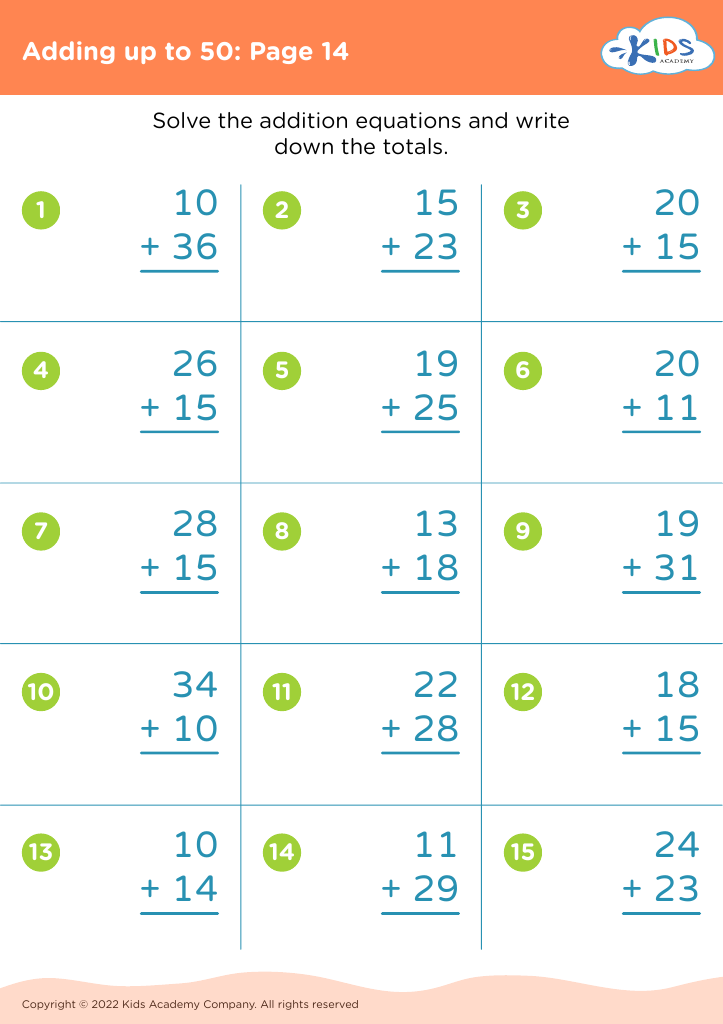
    Adding up to 50: Page 14
    Adding up to 50: Page 14

    Adding up to 50: Page 14

    Adding up to 50: Page 14
    Worksheet
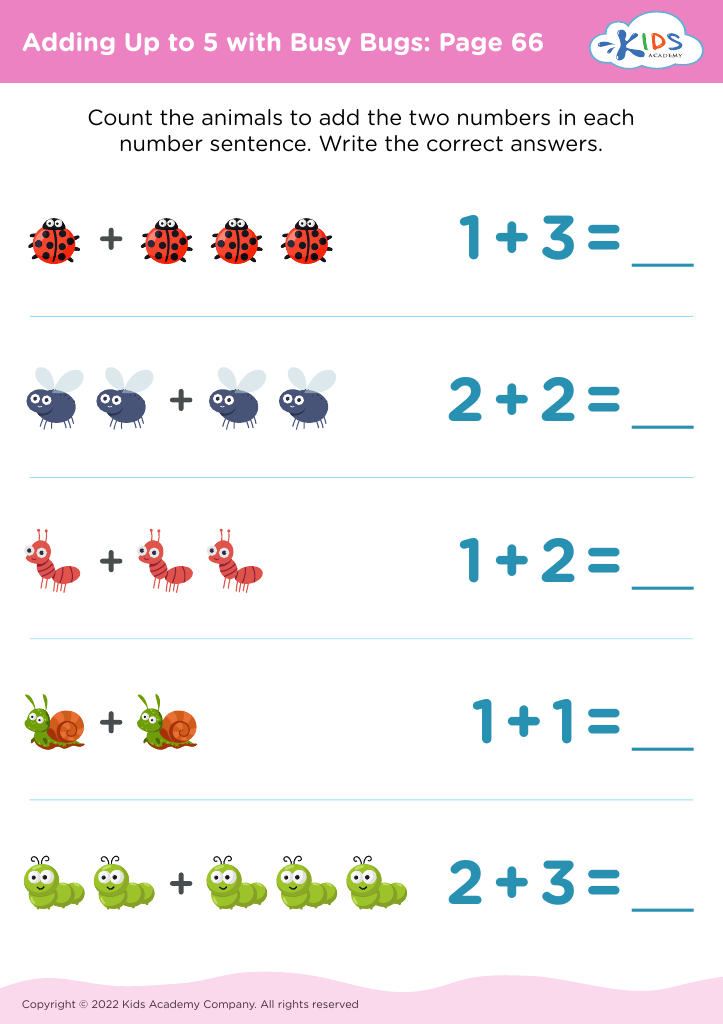
    Adding Up to 5 with Busy Bugs: Page 66
    Adding Up to 5 with Busy Bugs: Page 66
    Adding Up to 5 with Busy Bugs: Page 66
    Worksheet
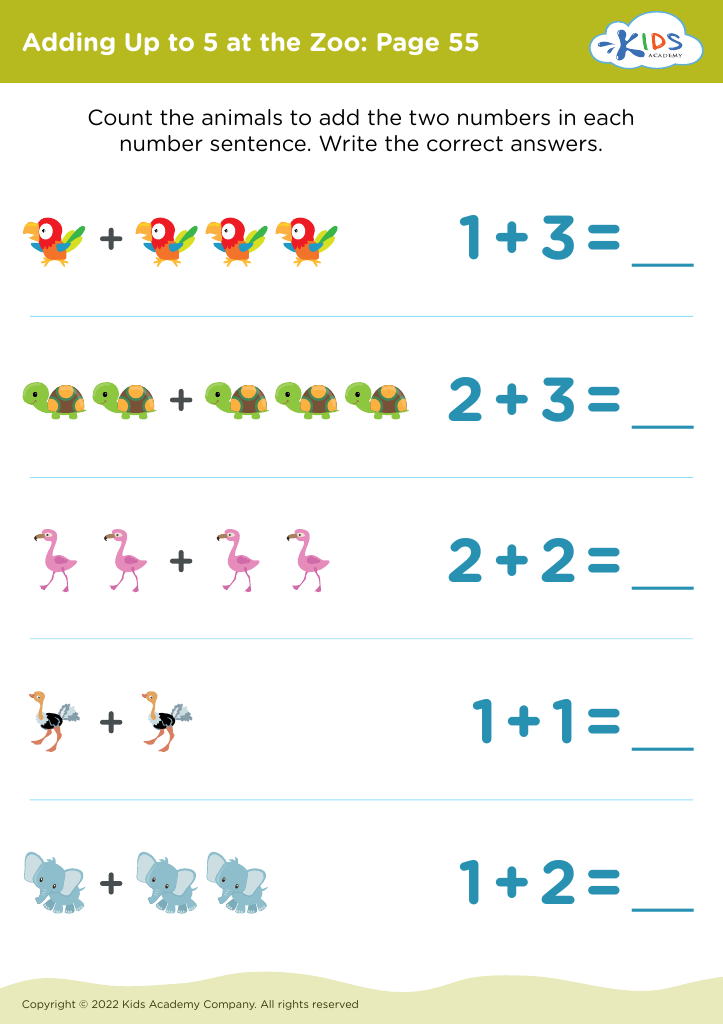
    Adding Up to 5 at the Zoo: Page 55
    Adding Up to 5 at the Zoo: Page 55
    Adding Up to 5 at the Zoo: Page 55
    Worksheet
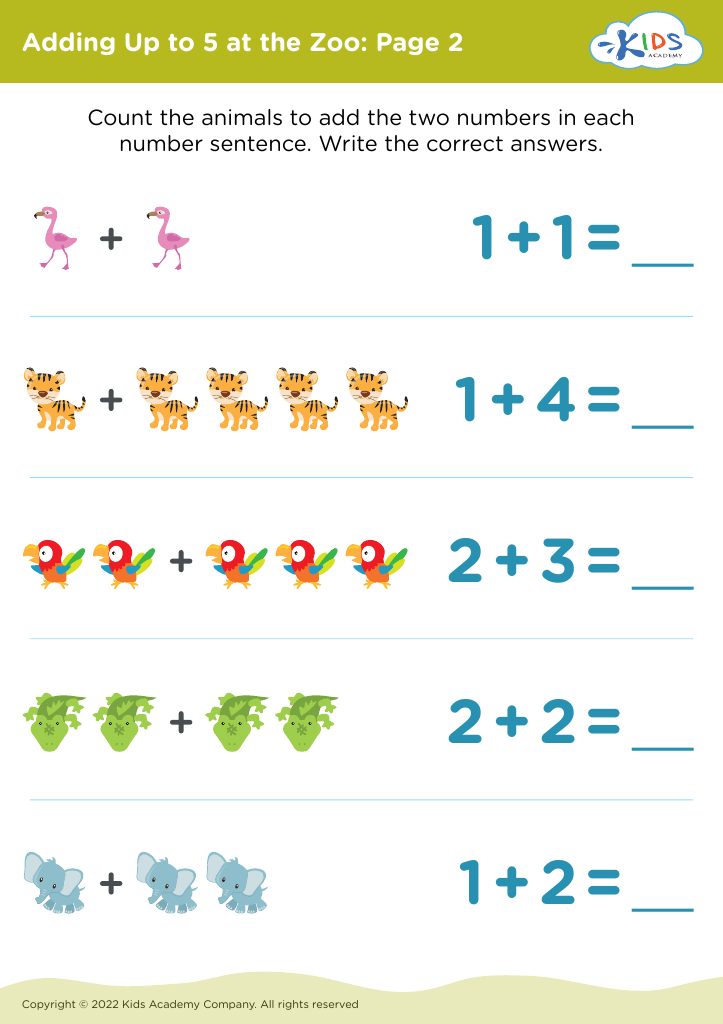
    Adding Up to 5 at the Zoo: Page 2
    Adding Up to 5 at the Zoo: Page 2

    Adding Up to 5 at the Zoo: Page 2

    Adding Up to 5 at the Zoo: Page 2
    Worksheet
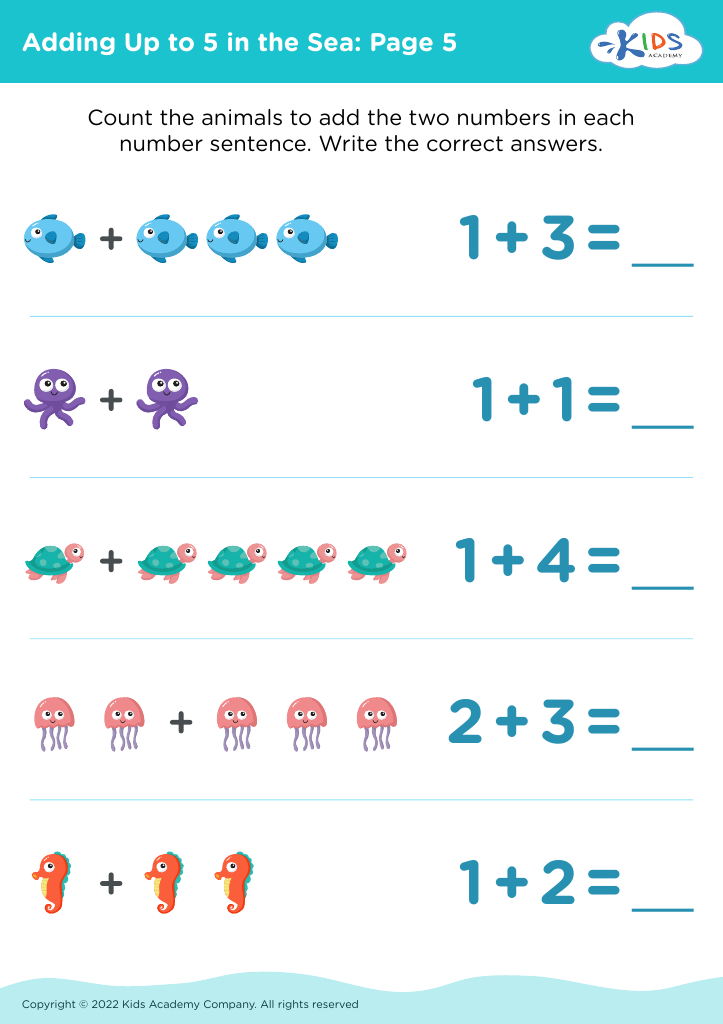
    Adding Up to 5 in the Sea: Page 5
    Adding Up to 5 in the Sea: Page 5

    Adding Up to 5 in the Sea: Page 5

    Adding Up to 5 in the Sea: Page 5
    Worksheet
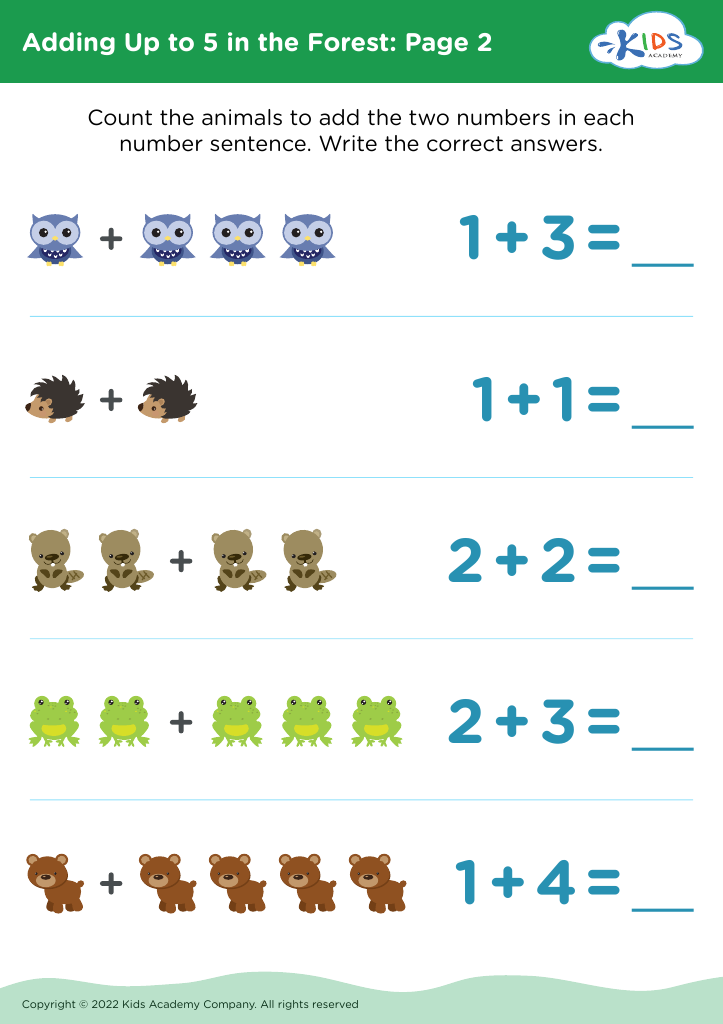
    Adding Up to 5 in the Forest: Page 2
    Adding Up to 5 in the Forest: Page 2
    Adding Up to 5 in the Forest: Page 2
    Worksheet
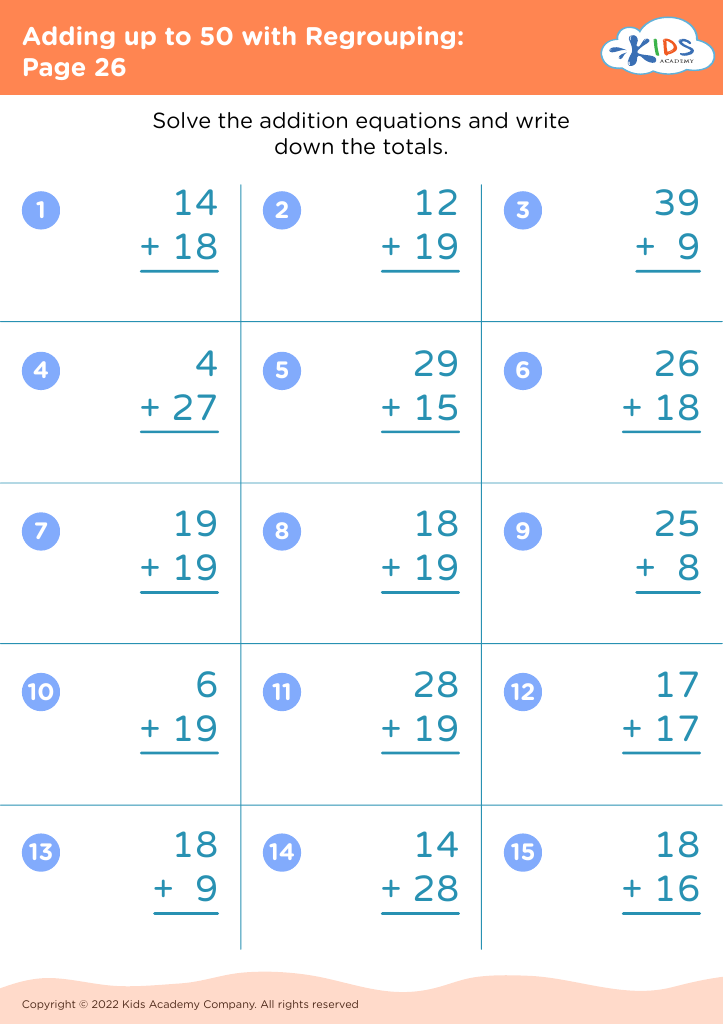
    Adding up to 50 with Regrouping: Page 26
    Adding up to 50 with Regrouping: Page 26
    Adding up to 50 with Regrouping: Page 26
    Worksheet
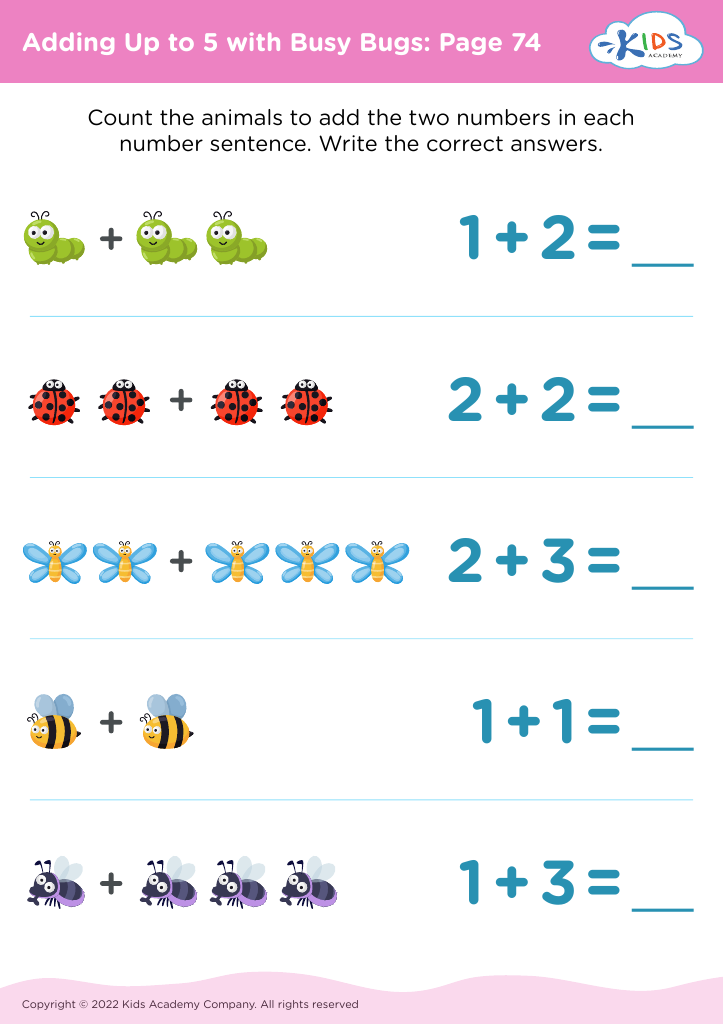
    Adding Up to 5 with Busy Bugs: Page 74
    Adding Up to 5 with Busy Bugs: Page 74
    Adding Up to 5 with Busy Bugs: Page 74
    Worksheet
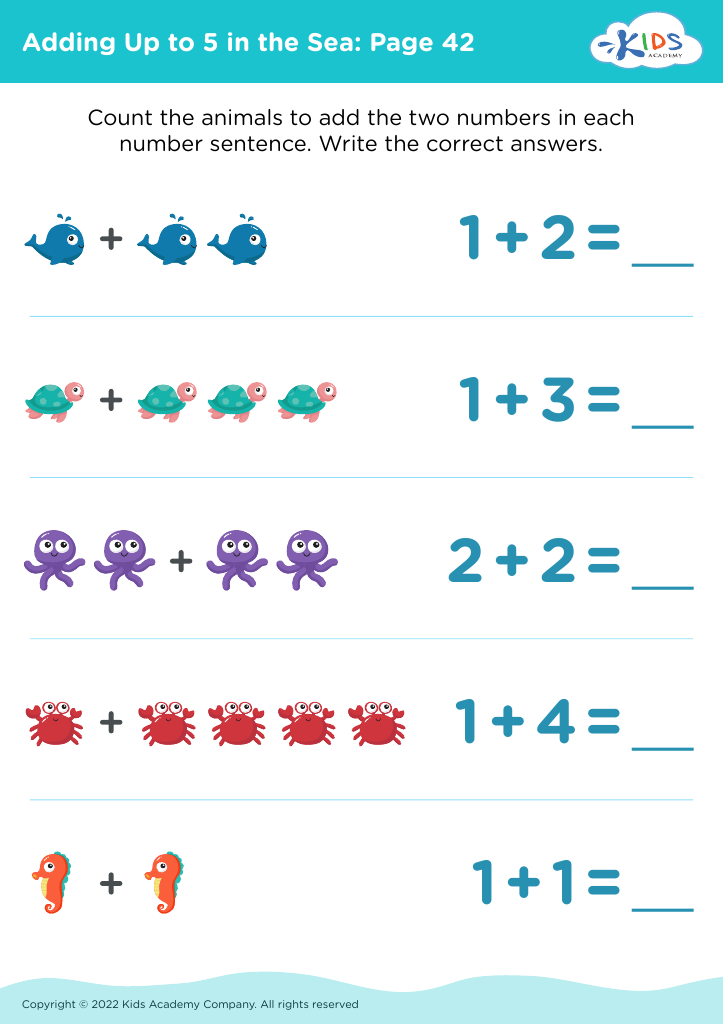
    Adding Up to 5 in the Sea: Page 42
    Adding Up to 5 in the Sea: Page 42
    Adding Up to 5 in the Sea: Page 42
    Worksheet
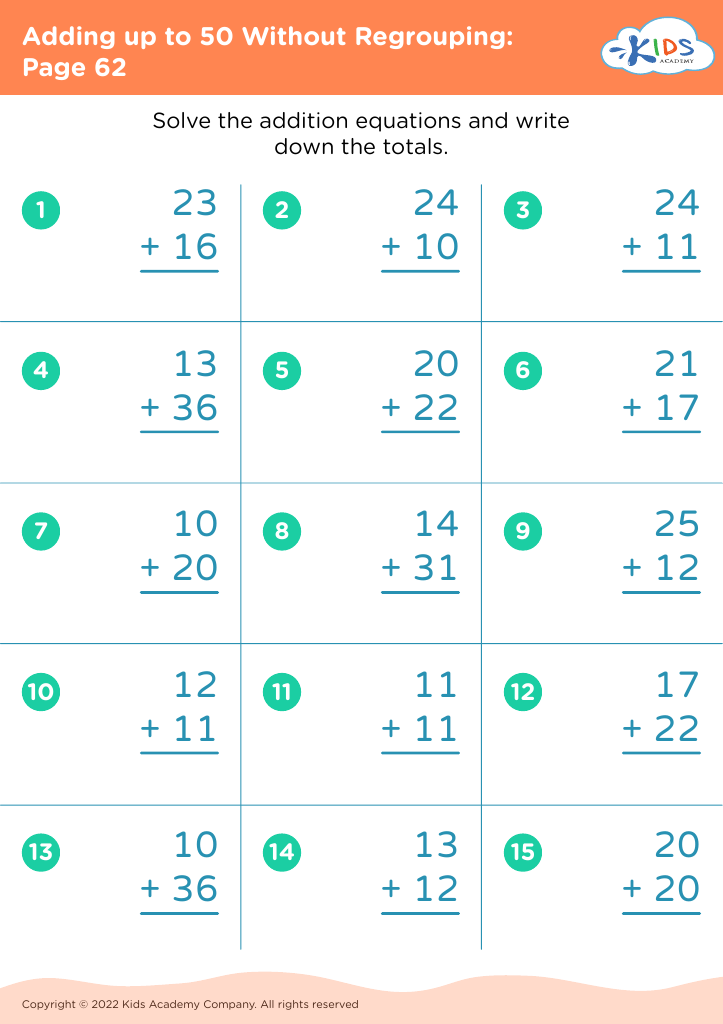
    Adding up to 50 Without Regrouping: Page 62
    Adding up to 50 Without Regrouping: Page 62
    Adding up to 50 Without Regrouping: Page 62
    Worksheet
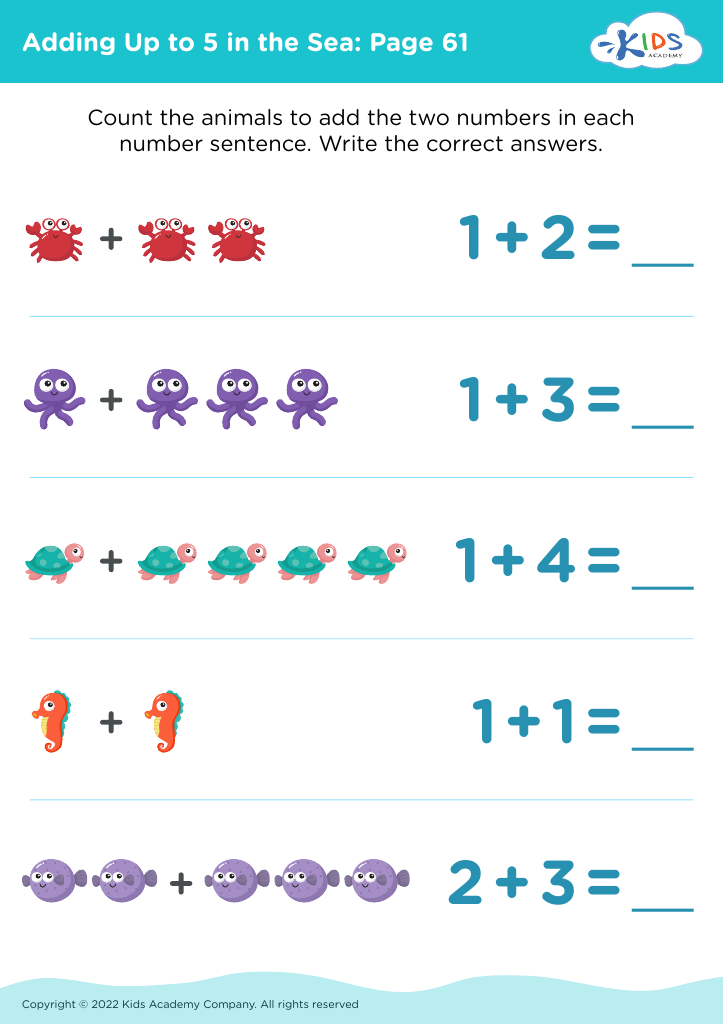
    Adding Up to 5 in the Sea: Page 61
    Adding Up to 5 in the Sea: Page 61
    Adding Up to 5 in the Sea: Page 61
    Worksheet
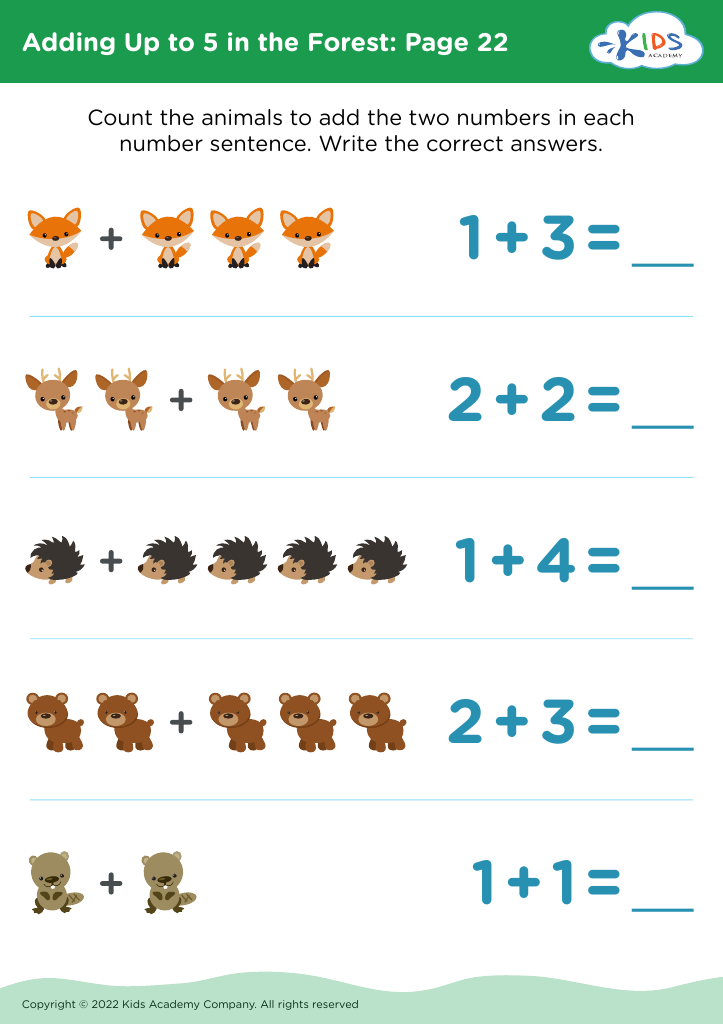
    Adding Up to 5 in the Forest: Page 22
    Adding Up to 5 in the Forest: Page 22
    Adding Up to 5 in the Forest: Page 22
    Worksheet
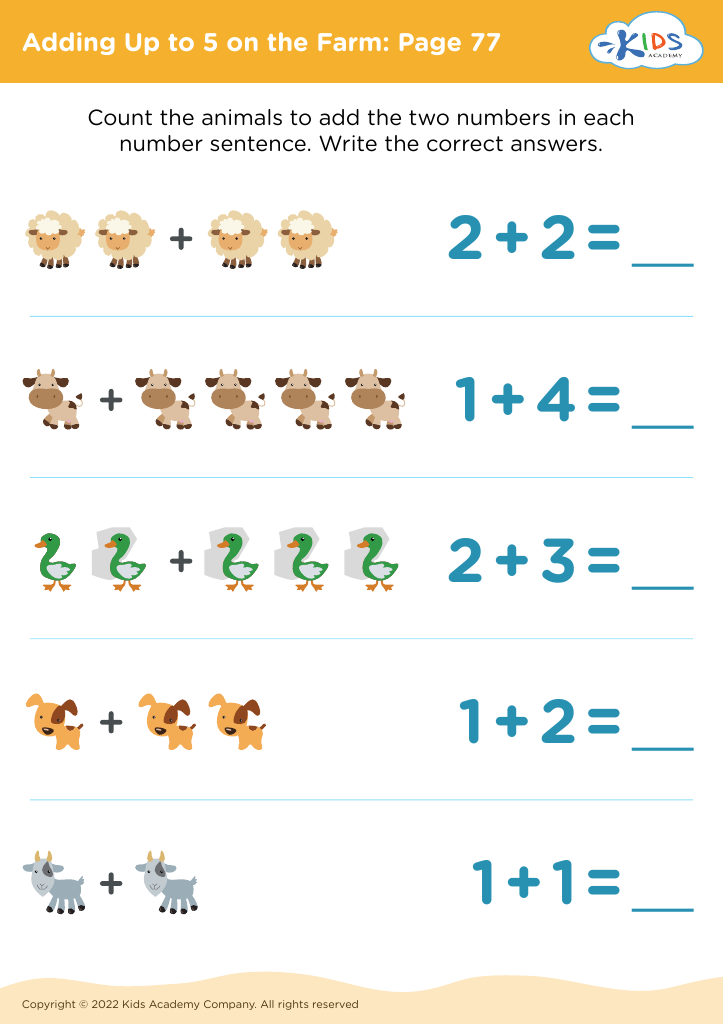
    Adding Up to 5 on the Farm: Page 77
    Adding Up to 5 on the Farm: Page 77
    Adding Up to 5 on the Farm: Page 77
    Worksheet
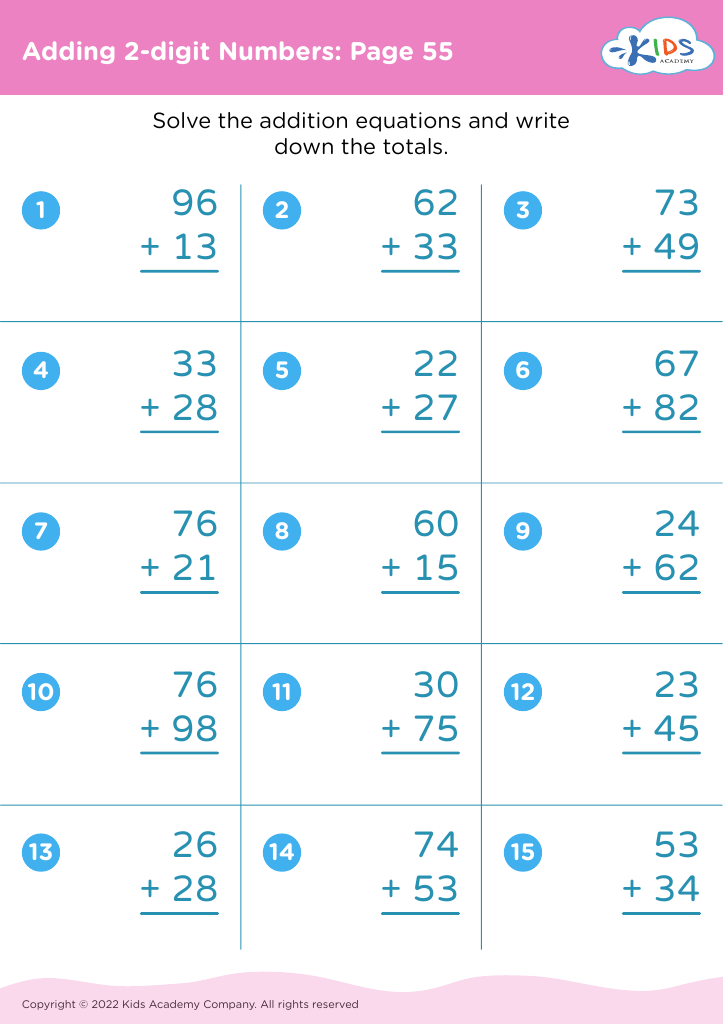
    Adding 2-digit Numbers: Page 55
    Adding 2-digit Numbers: Page 55

    Adding 2-digit Numbers: Page 55

    Adding 2-digit Numbers: Page 55
    Worksheet
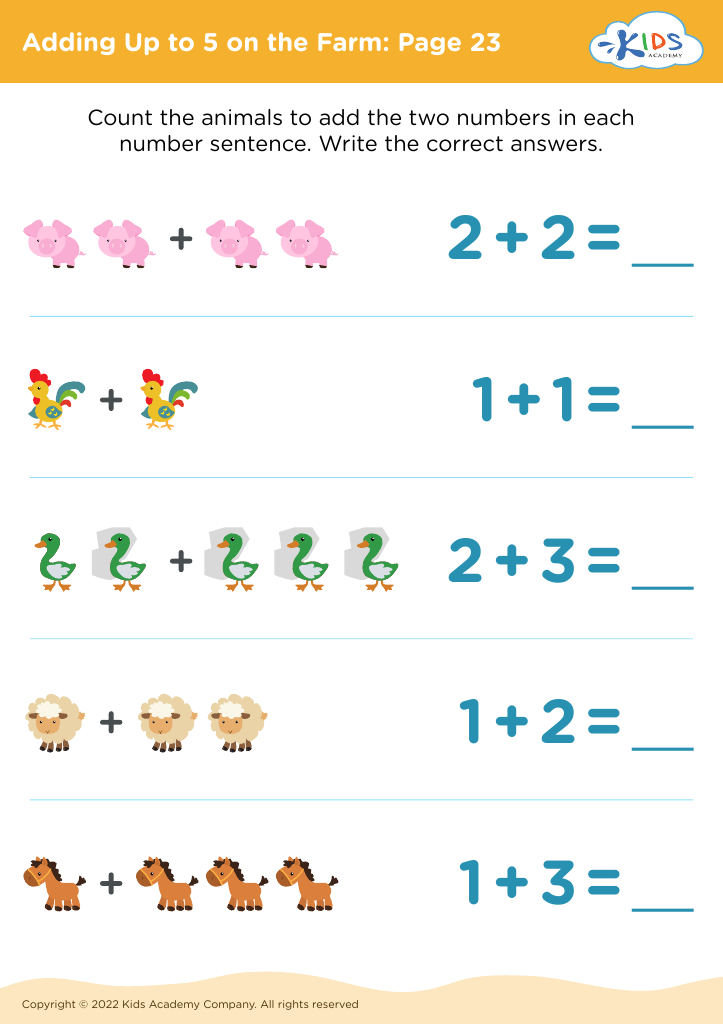
    Adding Up to 5 on the Farm: Page 23
    Adding Up to 5 on the Farm: Page 23
    Adding Up to 5 on the Farm: Page 23
    Worksheet
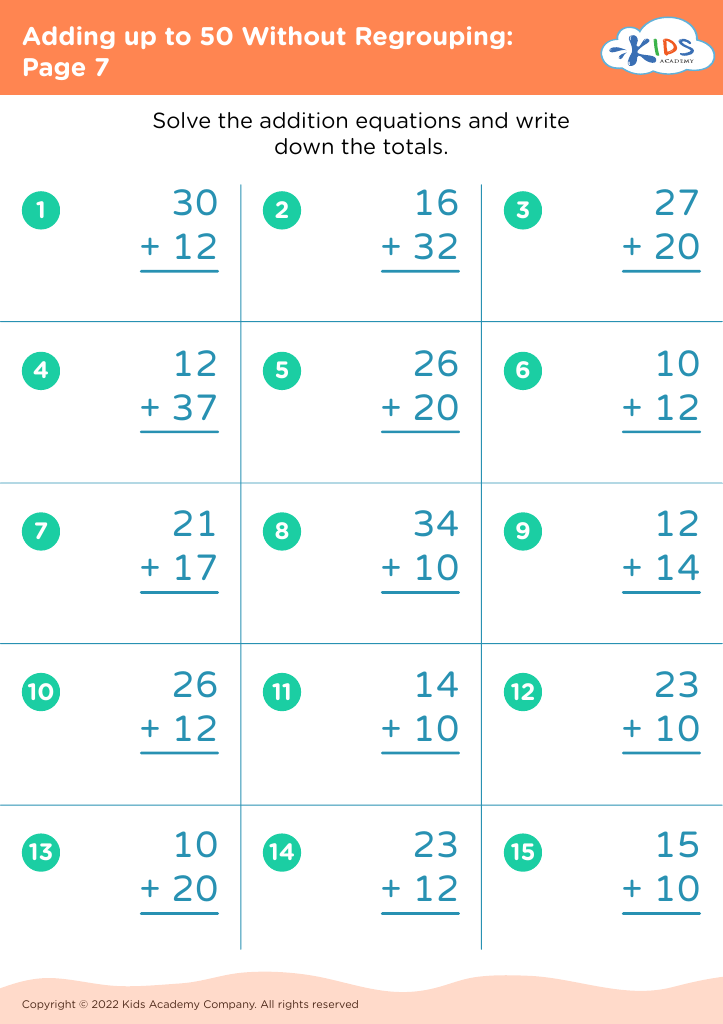
    Adding up to 50 Without Regrouping: Page 7
    Adding up to 50 Without Regrouping: Page 7
    Adding up to 50 Without Regrouping: Page 7
    Worksheet
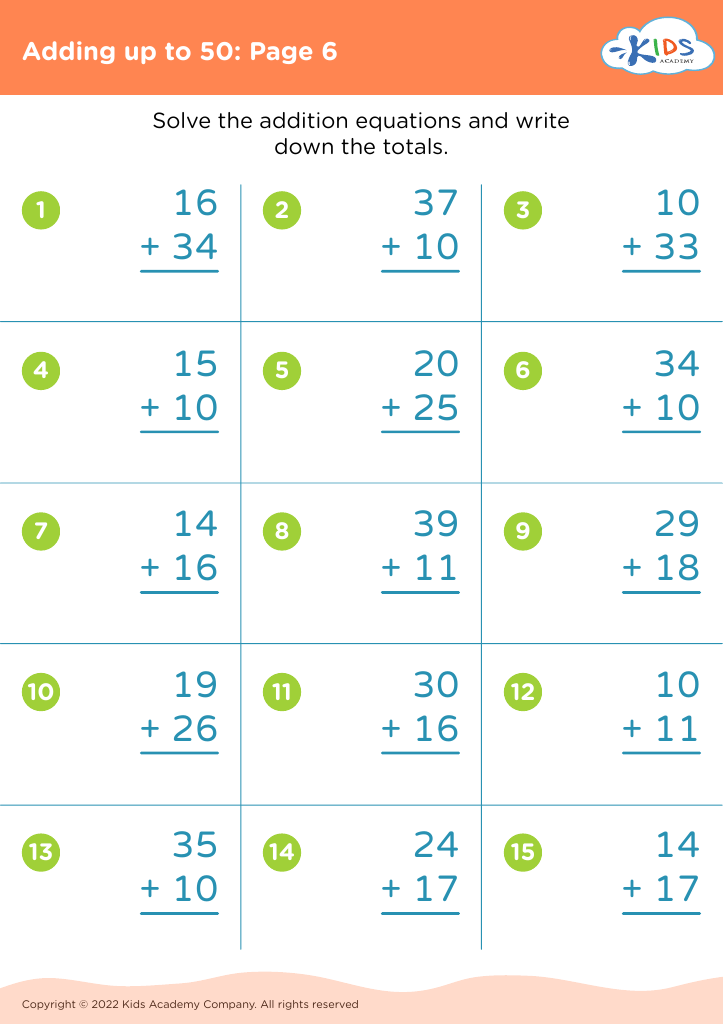
    Adding up to 50: Page 6
    Adding up to 50: Page 6

    Adding up to 50: Page 6

    Adding up to 50: Page 6
    Worksheet
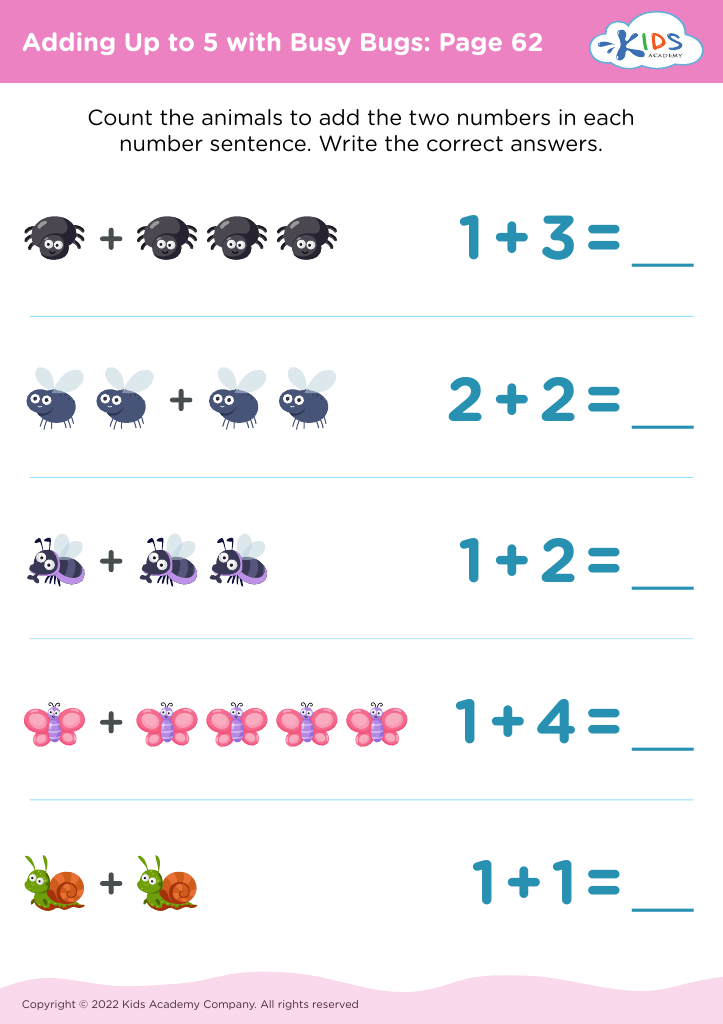
    Adding Up to 5 with Busy Bugs: Page 62
    Adding Up to 5 with Busy Bugs: Page 62
    Adding Up to 5 with Busy Bugs: Page 62
    Worksheet
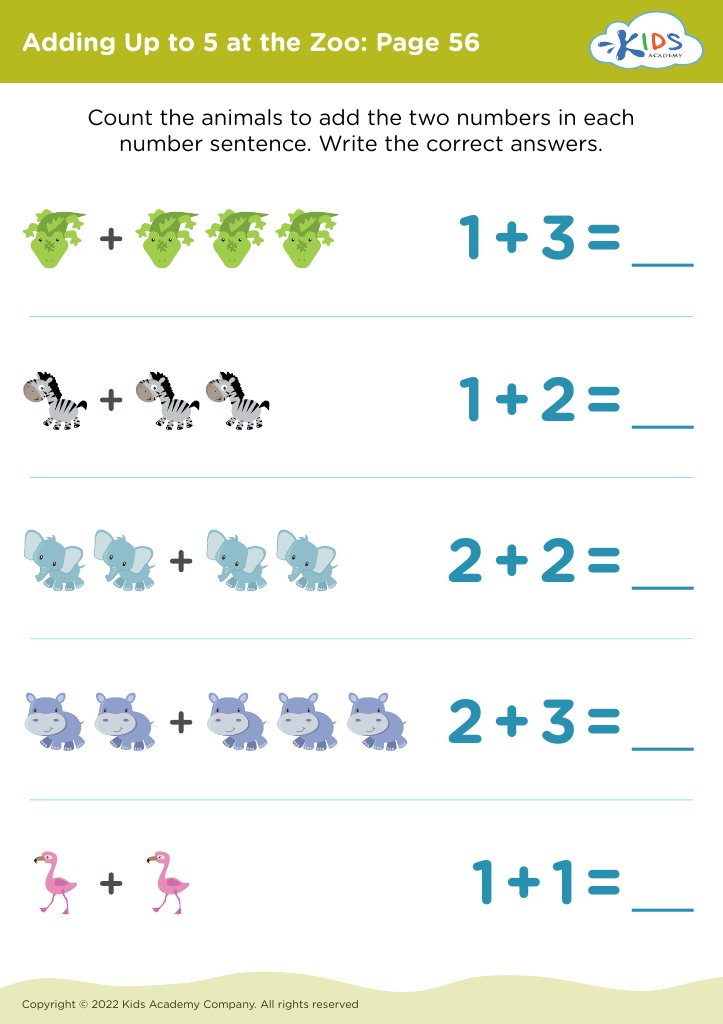
    Adding Up to 5 at the Zoo: Page 56
    Adding Up to 5 at the Zoo: Page 56
    Adding Up to 5 at the Zoo: Page 56
    Worksheet
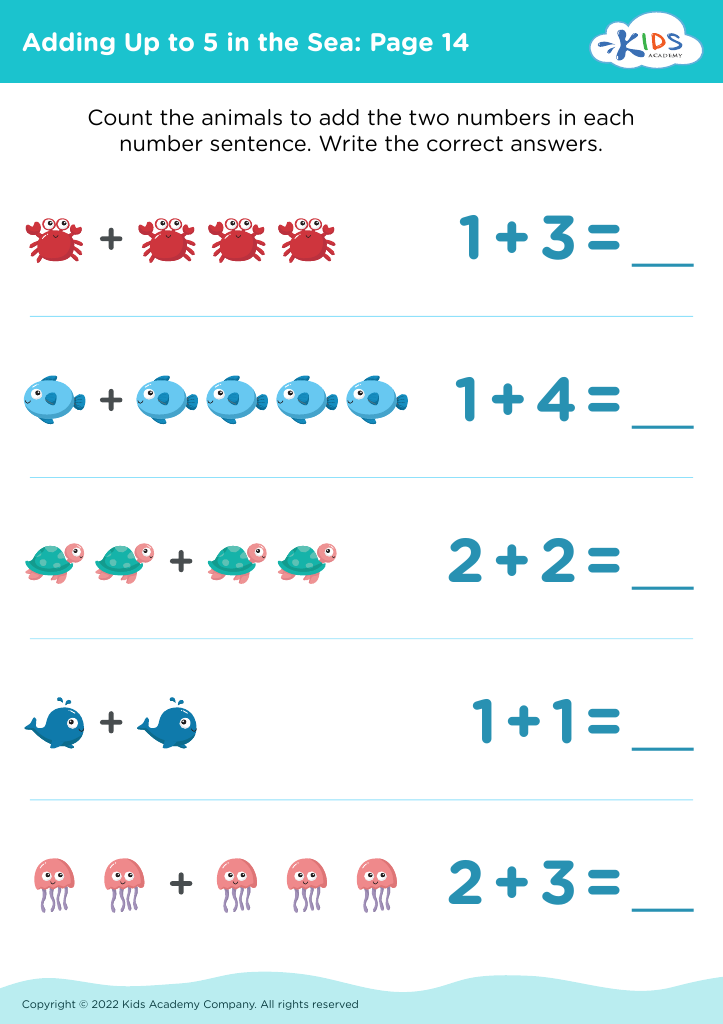
    Adding Up to 5 in the Sea: Page 14
    Adding Up to 5 in the Sea: Page 14
    Adding Up to 5 in the Sea: Page 14
    Worksheet
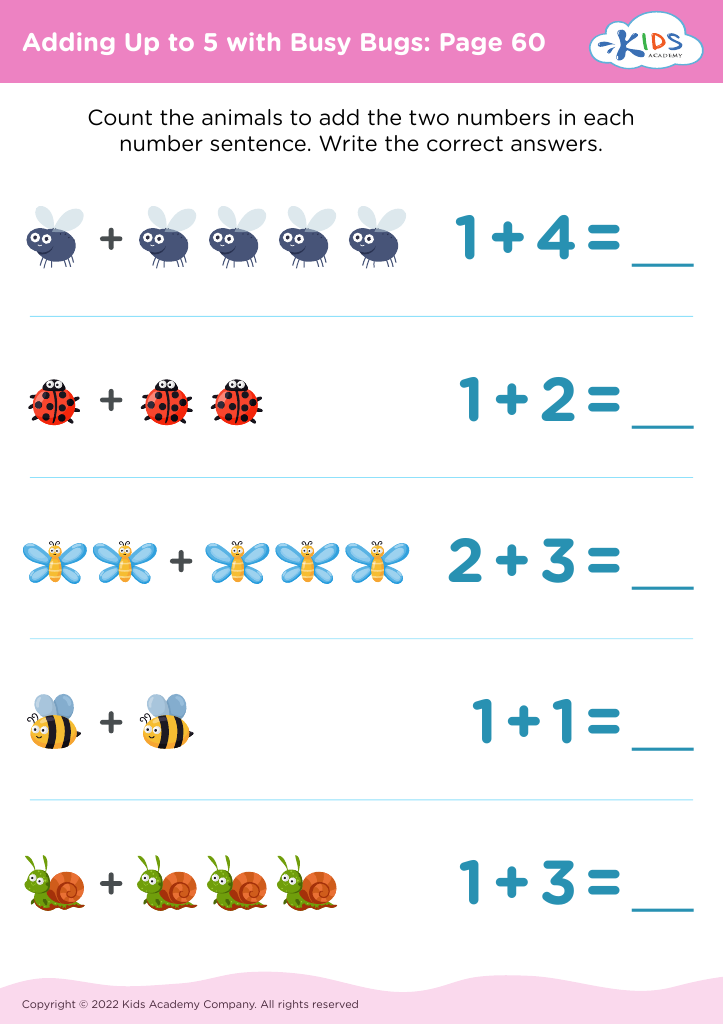
    Adding Up to 5 with Busy Bugs: Page 60
    Adding Up to 5 with Busy Bugs: Page 60
    Adding Up to 5 with Busy Bugs: Page 60
    Worksheet
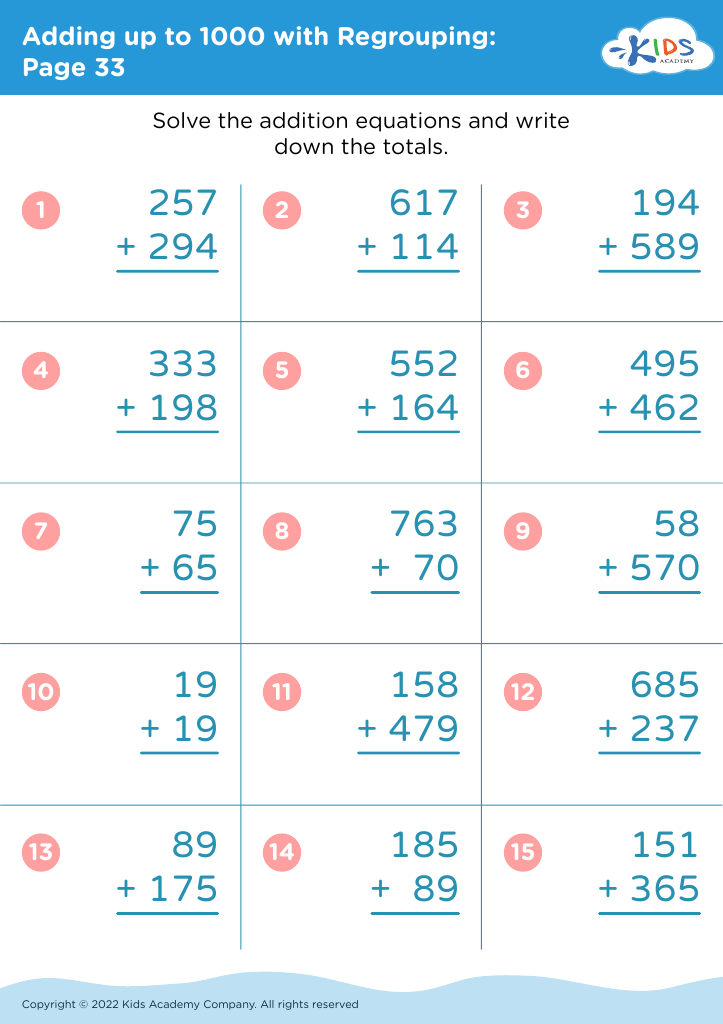
    Adding up to 1000 with Regrouping: Page 33
    Adding up to 1000 with Regrouping: Page 33
    Adding up to 1000 with Regrouping: Page 33
    Worksheet
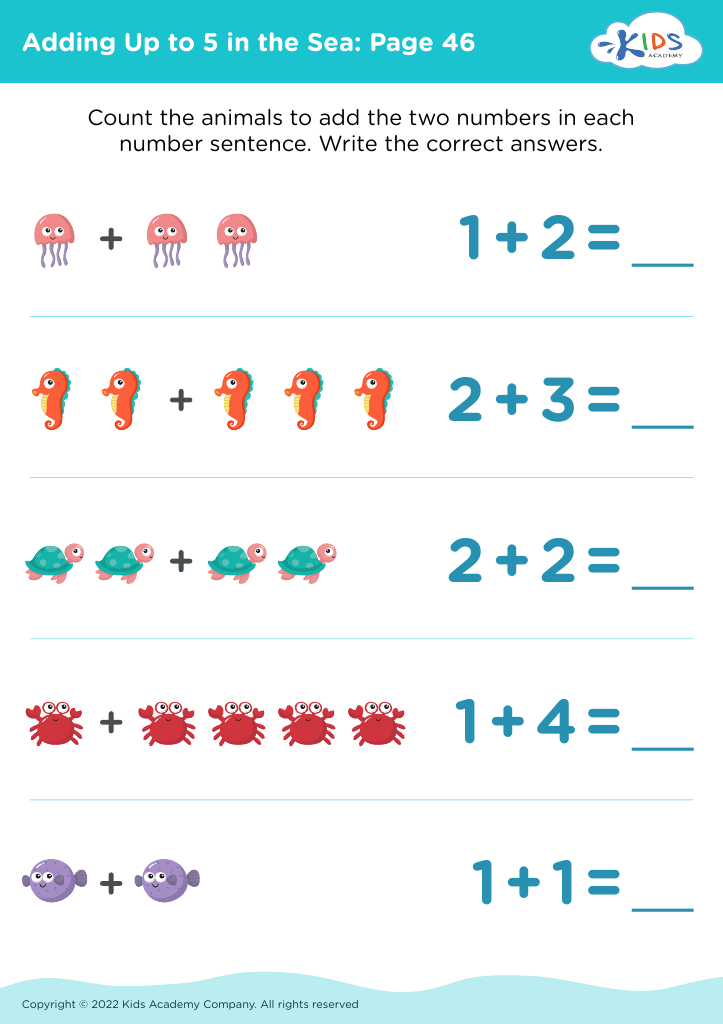
    Adding Up to 5 in the Sea: Page 46
    Adding Up to 5 in the Sea: Page 46
    Adding Up to 5 in the Sea: Page 46
    Worksheet
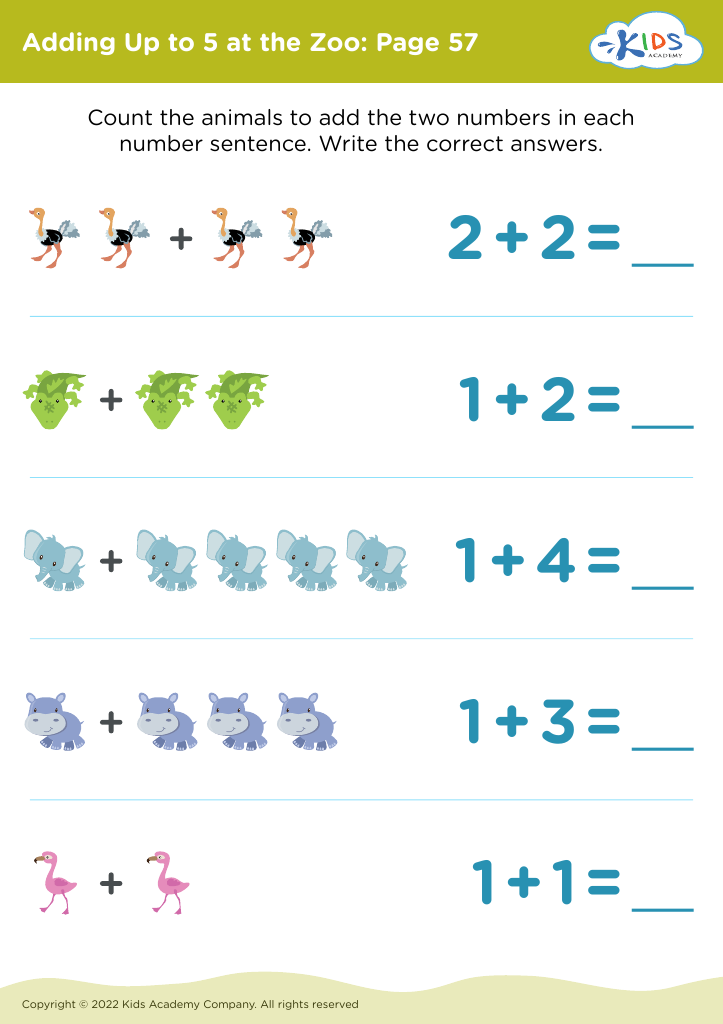
    Adding Up to 5 at the Zoo: Page 57
    Adding Up to 5 at the Zoo: Page 57
    Adding Up to 5 at the Zoo: Page 57
    Worksheet


    Number recognition and addition are foundational skills crucial for young children aged 3-8, serving as building blocks for future mathematical understanding. Parents and teachers should prioritize these skills because they play a vital role in a child's cognitive development, enhancing critical thinking and problem-solving abilities.

    Mastering number recognition enables children to identify and understand the symbols of numbers, laying the groundwork for numerical literacy. Recognizing numbers is more than just memorization; it assists children in grasping basic concepts such as quantity and sequence, which are essential for everyday tasks.

    Moreover, early understanding of addition introduces children to the concept of combining sets, fostering their ability to think abstractly about numbers and their relationships. Engaging in addition through playful activities—like using toys, games, or songs—makes learning enjoyable and influences positive attitudes toward math.

    Additionally, a solid grasp of these skills can aid academic success, as math proficiency is linked to overall learning outcomes. Educators and caregivers who emphasize number recognition and addition can better equip children with the tools they need for lifelong financial literacy, problem-solving, and critical reasoning, making it imperative to focus on these areas from an early age.